


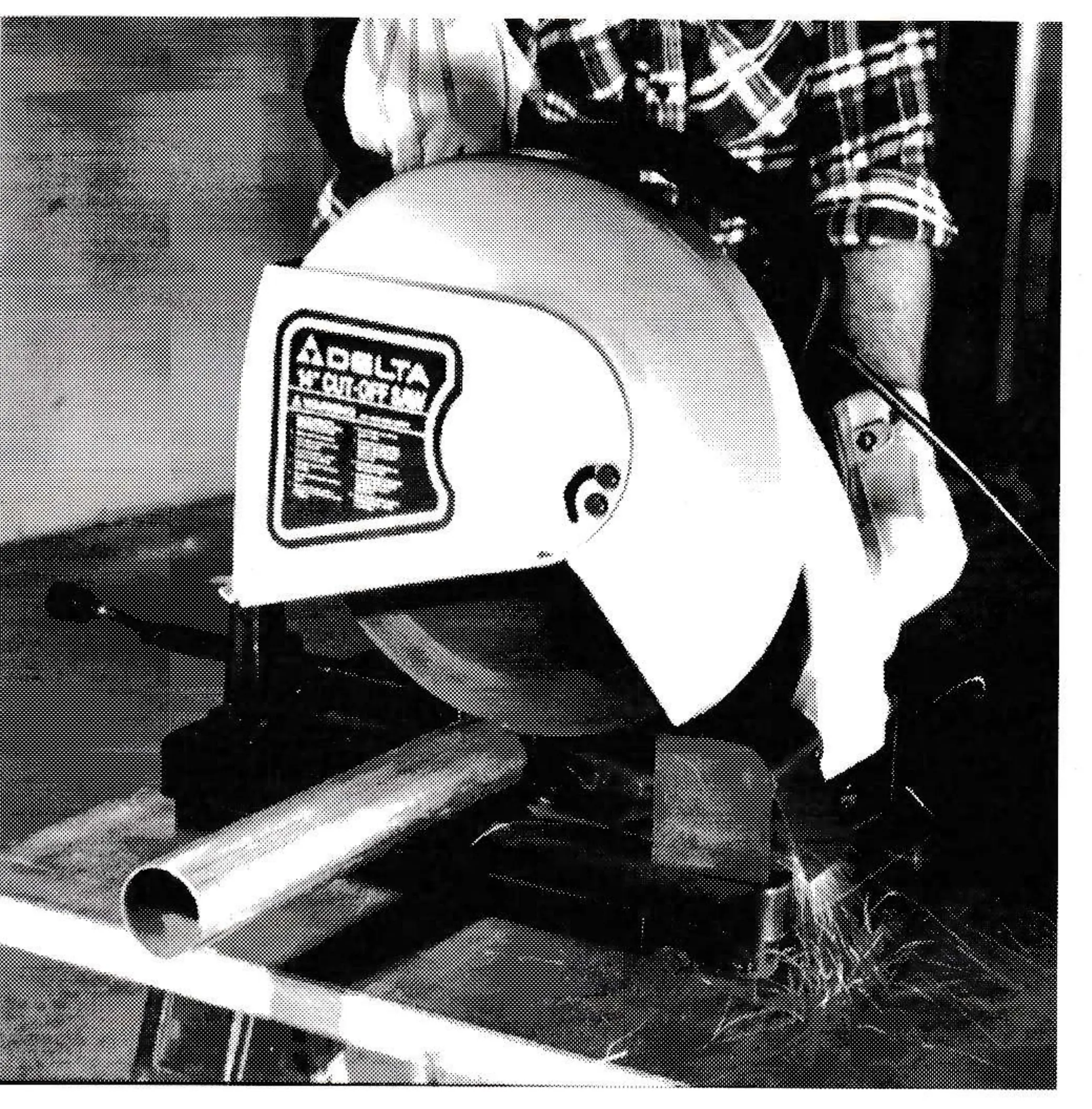
At a ski area, when cutting metal posts for fencing or slicing pieces of steel reinforcement, no saw can handle tasks as well as the chop saw. It’s relatively safe, quick and, as far as machinery goes, it’s one of the least expensive tools found in a mountain shop. One problem with this tool is its propensity to throw sparks and shards, so it should be located away from flammables and users should always wear eye protection.
Ratings are not included in this review of chop saws because most of the tools cut with the same ferociousness and precision. Some even come off of the same assembly line, regardless of brand name.
| Manufacturer | Model | Blade Diameter | Amps | Arbor | No-Load Speed | Round (A) | Width (B) | Weight | List Price |
|---|---|---|---|---|---|---|---|---|---|
| AEG | TS 1900 | 14″ | 15 | 1″ | 3900 | 4 21/64″ | 7 1/8″ | 33 | 369 |
| B&D | 2730 | 14″ | 15 | 1″ | 3800 | 5″ | 9″ | 37 | 420 |
| Delta | 20-150 | 14″ | 15 | 1″ | 3900 | 5″ | 8″ | 44 | 293 |
| Hitachi | CC165A | 16″ | 15 | 1″ | 3500 | 3 59/64″ | 9 7/16″ | 49.6 | 411 |
| Makita | 2414 | 14″ | 13 | 1″ | 3800 | 4″ | 8 1/8″ | 36.3 | 359 |
| Milwaukee | 6170 | 14″ | 15 | 1″ | 3350 | 5″ | 8 1/2″ | 45 | 479 |
| Ryobi | C-355C | 14″ | 15 | 1″ | 3900 | 3 15/16″ | 7 7/8″ | 35.2 | 395 |
| Skil | 3824 | 14″ | 15 | 1″ | 3900 | 5″ | 8″ | 41.5 | 398 |
AEG — Model TS 1900
The tool is lightweight and powerful, but runs about even with power levels of competitors’ tools. It features an arbor lock that facilitates easy blade changes and the carbon brushes are externally accessible for user maintenance. The vise is equipped with a quick-release mechanism, allowing users to clamp towards or away from stock more quickly than crank-handle types that require numerous turns.
This unit utilizes the two-position fence style that limits the extendable cutting range to two extremes. The slotted-fence base found on other tools offers more versatility and allows the user to adjust the fence forward as the wheel burns down.
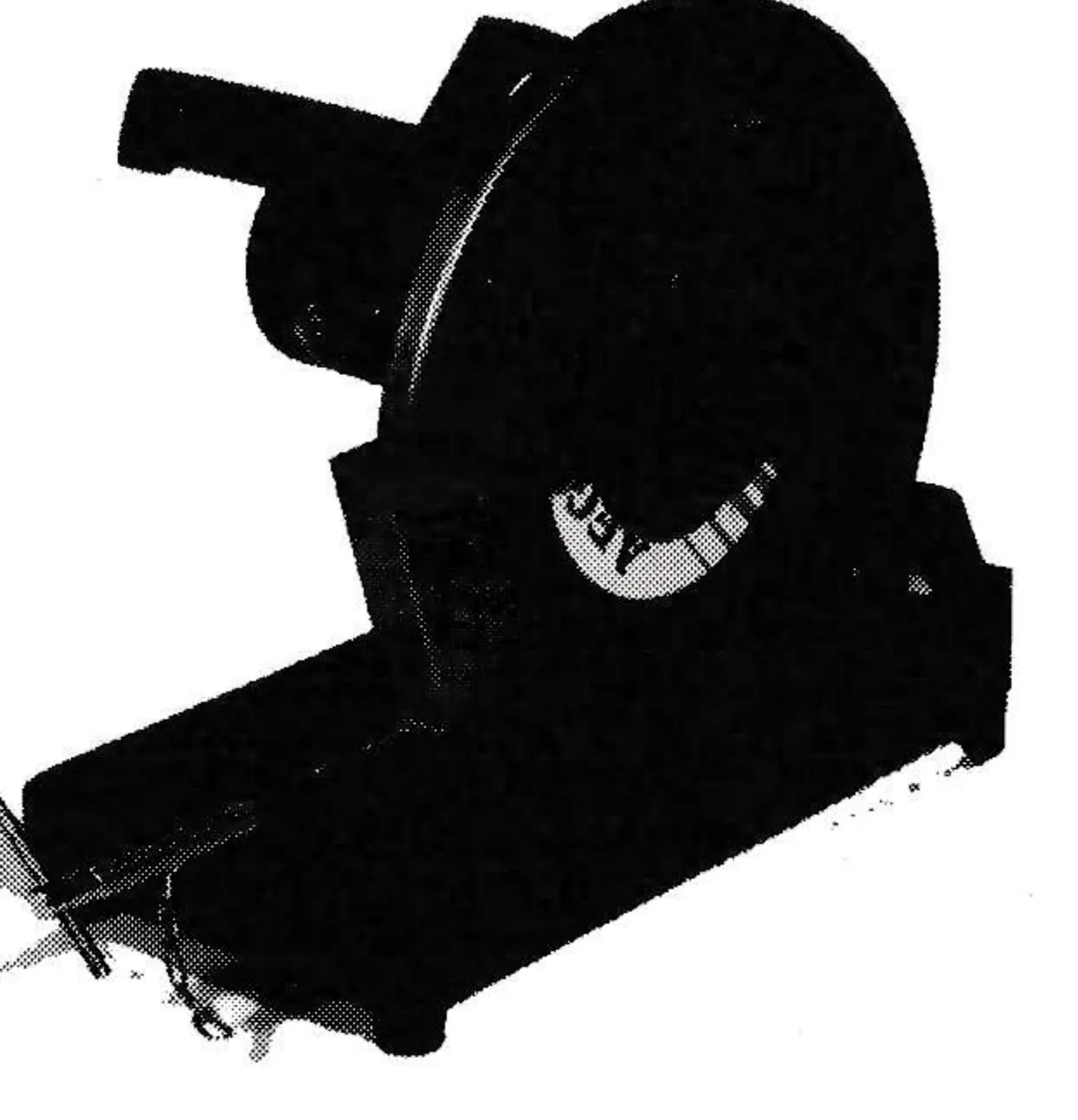
Though AEG is a German company, this tool is made in Japan. Still it seems enough to hold up to the AEG name.
Black & Decker — Model 2730
This unit’s handle design allows the user to chop either standing over the machine while it’s resting on the ground or make a cut with the saw at bench height. Both ways are equally manageable thanks to a grip that resembles a pilot’s control stick.
Another feature of this unit is its ratings at both A/C and D/C power, so it can be used in remote applications where a power inverter may not be available. Like other saws, this tool has an arbor lock, externally accessible brushes and a fully adjustable rear fence that variably slides. The manufacturer has chained the blade wrench directly to the base, eliminating the problem of loss.
Delta — Model 20-150
This tool apparently comes off the same assembly line as the Skil unit and shares the same features.
This unit has a safety device built into the trigger that prevents unauthorized use. (Protecting a cut-off saw by chaining it down is a futile effort because a chop box can slice a chain link in seconds.) It’s just a hole in the trigger mechanism that allows the operator to install a padlock to protect against unauthorized operation. This trigger lock-out also protects the machine from theft under certain situations.
The Delta unit comes with a quick-release vise, externally accessible brushes, an arbor lock and a fully adjustable rear fence. The base has a handy slot for blade wrench storage. The quality of this tool is high and the unit is well-made of beefy materials.
Hitachi — Model CC 16SA
This is the only 16-inch machine tested, but several manufacturers, including Makita, offer saws this big. This saw features a safety trigger that prevents misuse, but it comes in the form of a removable safety key. This button key must be pushed to start the saw, so accidental starts are prevented.
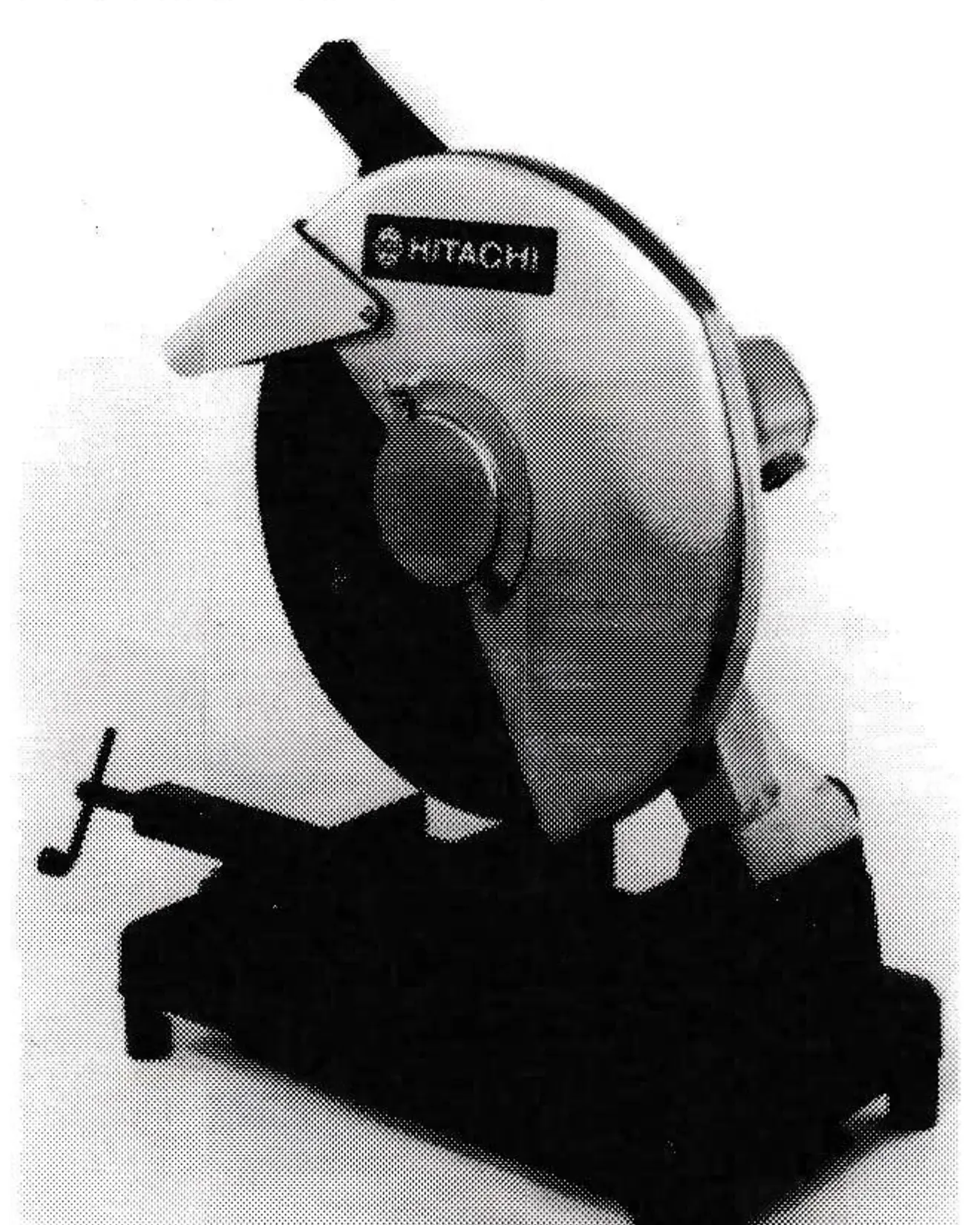
This saw has an arbor lock, externally serviceable brushes and a three-position back fence that is a compromise between the slotted and the fixed two-position types. The tool is the heaviest machine tested, weighing over 49 pounds, but that’s due to its larger cutting capacity. The vise is nicely made, though it isn’t a quick-release, so cutting time is slowed, but the motor makes up for this loss by being D/C rated.
Makita — Model 2414
This unit is the only one tested that is rated under 15 amps and, typical of lower-amp draws, the user can slow the machine down, especially if a long extension cord is used to the power source.

It is a fairly compact machine and reasonably light weight, which gives it a portability advantage. The trigger is protected by a removable safety key and the clamp is of the quick-release variety to speed loading and unloading. An arbor lock as well as user-serviceable brushes are built into the saw’s design, but the back fence offers only two stopping positions for adjustment.
The Makita unit is geared to permanent bench-top mounting by incorporating a fix plate that can bolt the saw directly to a work surface. Despite the lower power rating, this is a well-made machine that can handle medium-duty applications reasonably well.
Milwaukee — Model 6170
Typical of the red tool’s reputation, this is a beefy machine and it should last through several seasons. Unfortunately, there are a few things that don’t shine as favorably as the tool’s construction does.
The first problem is lack of safety controls and the second is lack of externally accessible brushes. The brushes are reached by removing a cover. Two other handicaps are the lack of an arbor lock and a vise without a quick-release mechanism. Of the two, the need for an arbor lock is the most critical because the combination of two wrenches eventually causes problems, especially if the spanner wrench gets lost.
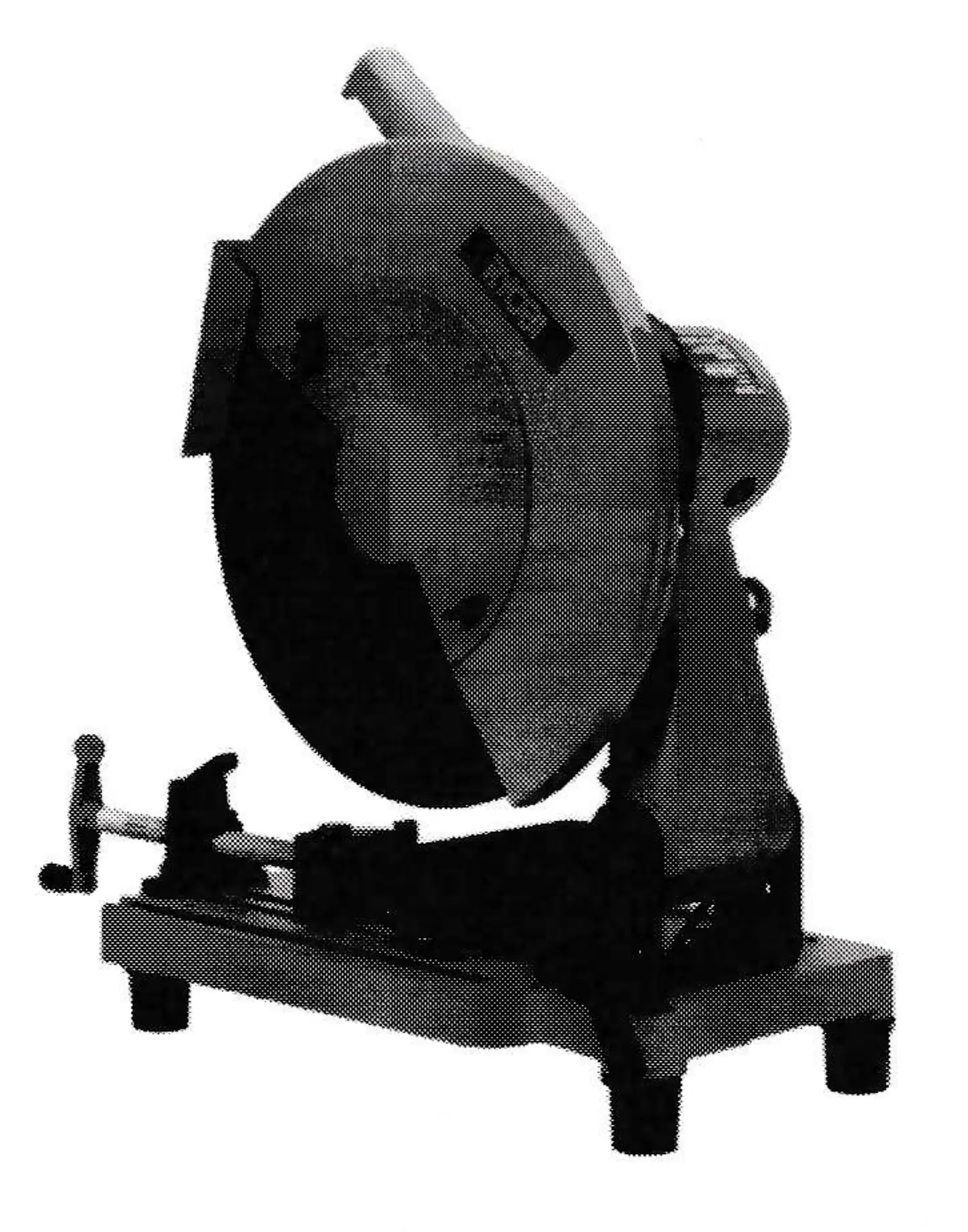
This is a heavy-duty machine that can run with the best of them, but it has limitations.
Ryobi — Model C-355C
This is a machine that offers no safety mechanism in the trigger. It does, however, incorporate other features found on most saws such as surface-mount brushes, an arbor lock, a quick-release vise as well as a two-position rear fence.
Like the Black & Decker and Hitachi machines, this tool is rated for D/C current so it can be used with field equipment like welding rigs. This saw also has a reasonably light weight with good power and high torque.
Skil — Model 3824
This unit is identical to the Delta saw with the exception of the handle design. Skil incorporates an open handle that can be more comfortable for larger hands particularly if the operator is bending over the machine when it’s on the ground.
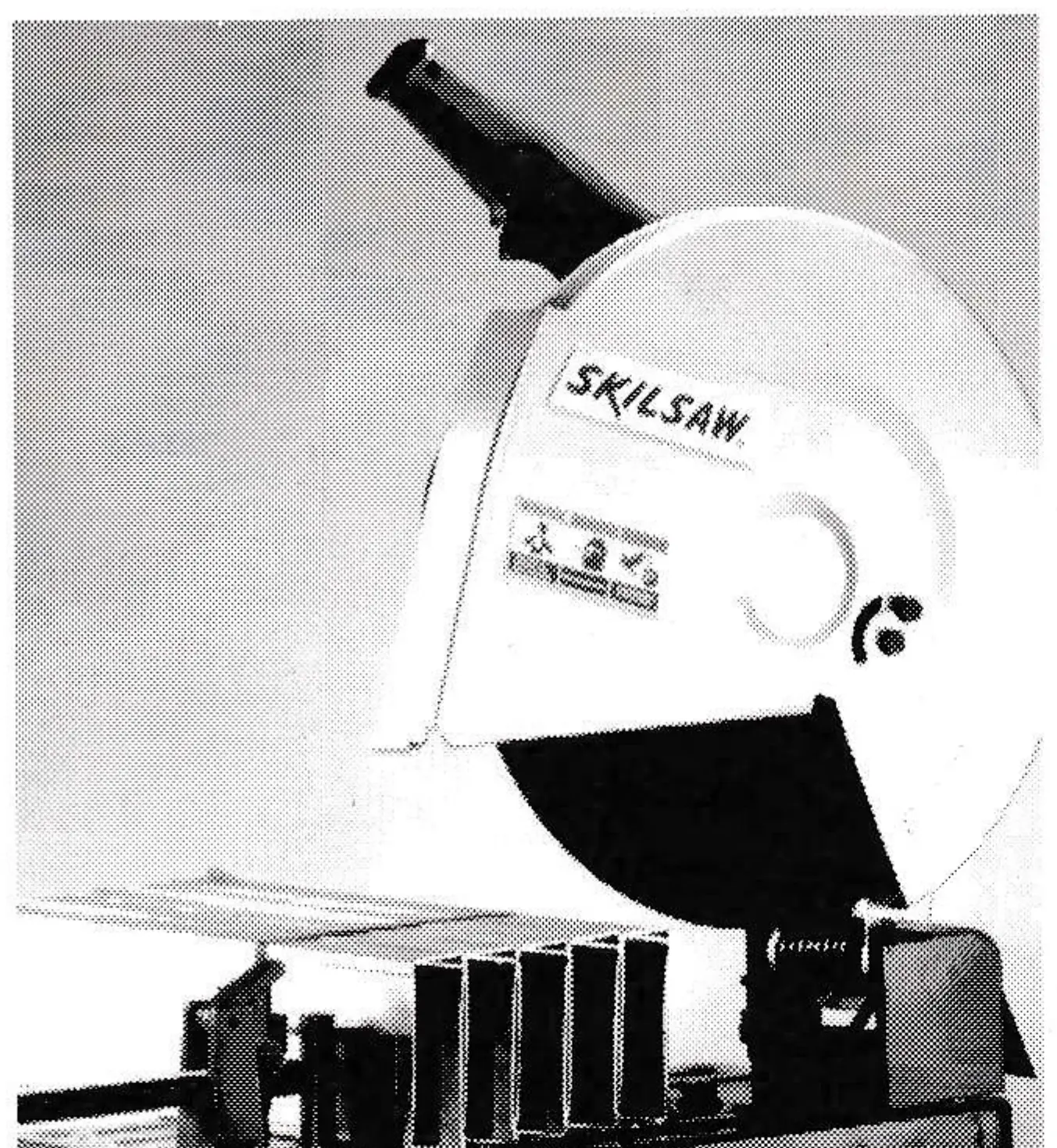
Skil has been importing this machine for many years, while Delta only recently introduced it. There is a big difference in suggested retail price between the two manufacturers, so it will be interesting to see which one gets market share.