


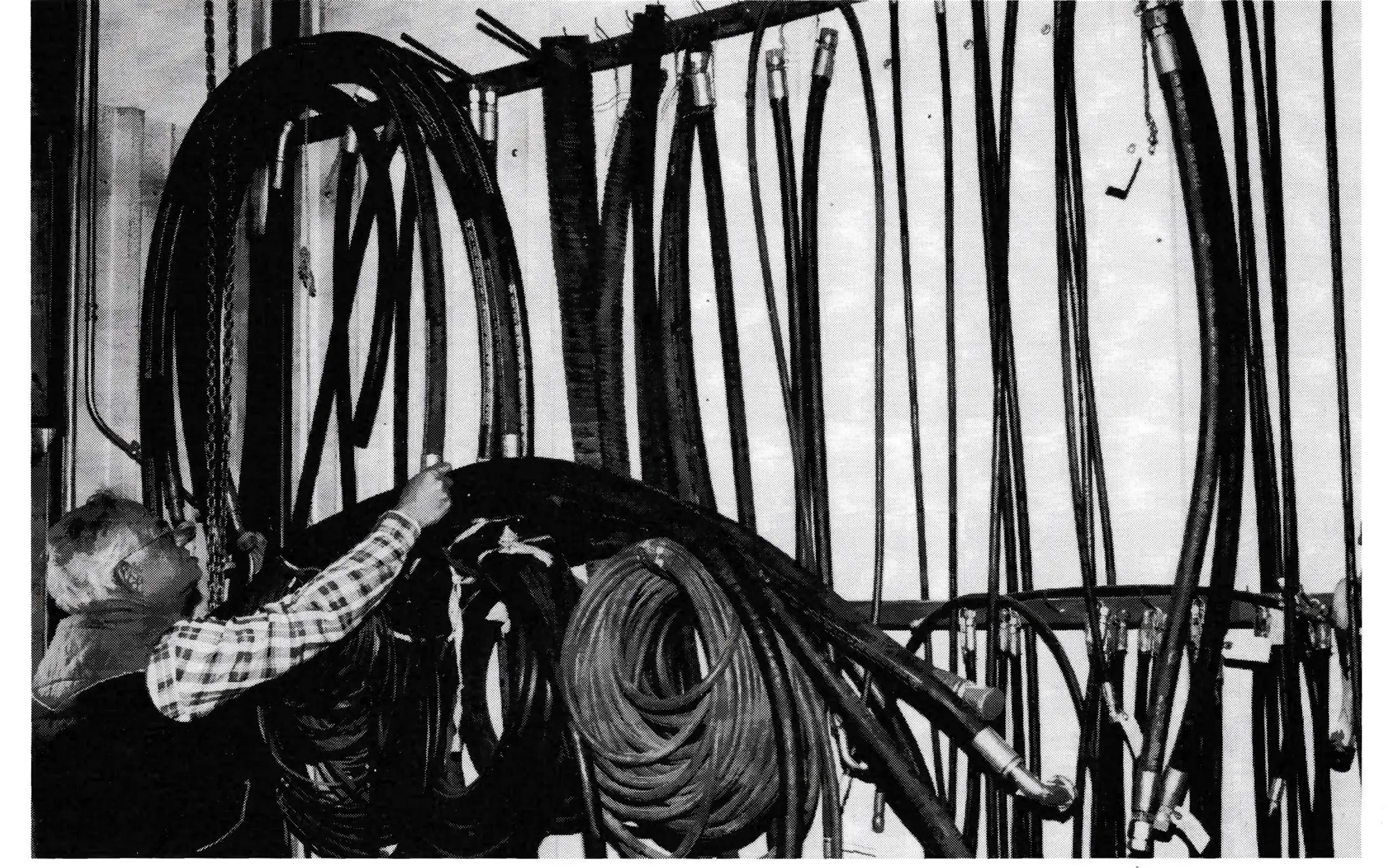
Ski area managers would be hard pressed to find a piece of equipment that runs harder than a grooming vehicle. Operating 16 hours or more a day, often up to 140 days in a row, these machines exact a toll on hydraulic hoses as well as all the other parts. With up to 5,000 psi of pressure plus pressure spikes, occasional breakage resulting in equipment downtime happens, but it can be avoided if proper maintenance procedures are followed.
From three to four hours can be lost whenever a groomer is brought into the shop to replace a hydraulic hose, according to Ron Armstrong, shop manager at the Breckenridge Ski Area, Colo. “If we have to clean up an oil leak,” he says, “who knows how much additional time will be added to the job.”
“Snagging hydraulic hoses during grooming operations is the primary cause of component failure,” says Armstrong. “Once in a while, you’ll hook a stump or ice will build up and jerk a hose apart from its couplings. Operators need to keep their equipment cleaned off and avoid ice buildup on the swing frame. Otherwise, it’s possible to put everything in a bind or shred your hoses.”
Replacing Hydraulic Assemblies
Both mechanics and equipment operators at Breckenridge are trained in replacing auxiliary hydraulic hoses (under 3,000 psi). The maintenance shop carries an inventory of hydraulic components and a Gates PC 707 crimper for making replacement assemblies.
“The only hoses we don’t fool with are the ones used on the hydrostat,” says Armstrong. He keeps a supply of spare 6,000 psi hose assemblies on hand for emergency hydrostat repairs.
Improvements in component designs have helped reduce the failure rate of extremely high pressure 6,000 psi lines. One-piece fittings with no braze or weld joints have become an increasingly popular way to solve nagging flange head blow-off problems due to weak welds and brazes that plague many hydrostatic drives. Both one-piece flange couplings and one-piece adapters with 6,000 psi rating are used on LMC groomers and are holding up well, according to Armstrong.
When replacing a hose assembly, Armstrong emphasizes cutting the hose the same length as the one being removed, as long as length hasn’t been a problem. Changes in hose length when pressurized, range between +2 to -4 percent while hydraulic mechanisms are in operation and may cause abrasion. If a replacement hose is too short, pressure may cause the hose to contract and put added stress on the couplings, leading to premature failure. Too long a hose can lead to the hose being severed or pinched in the moving components of the equipment.
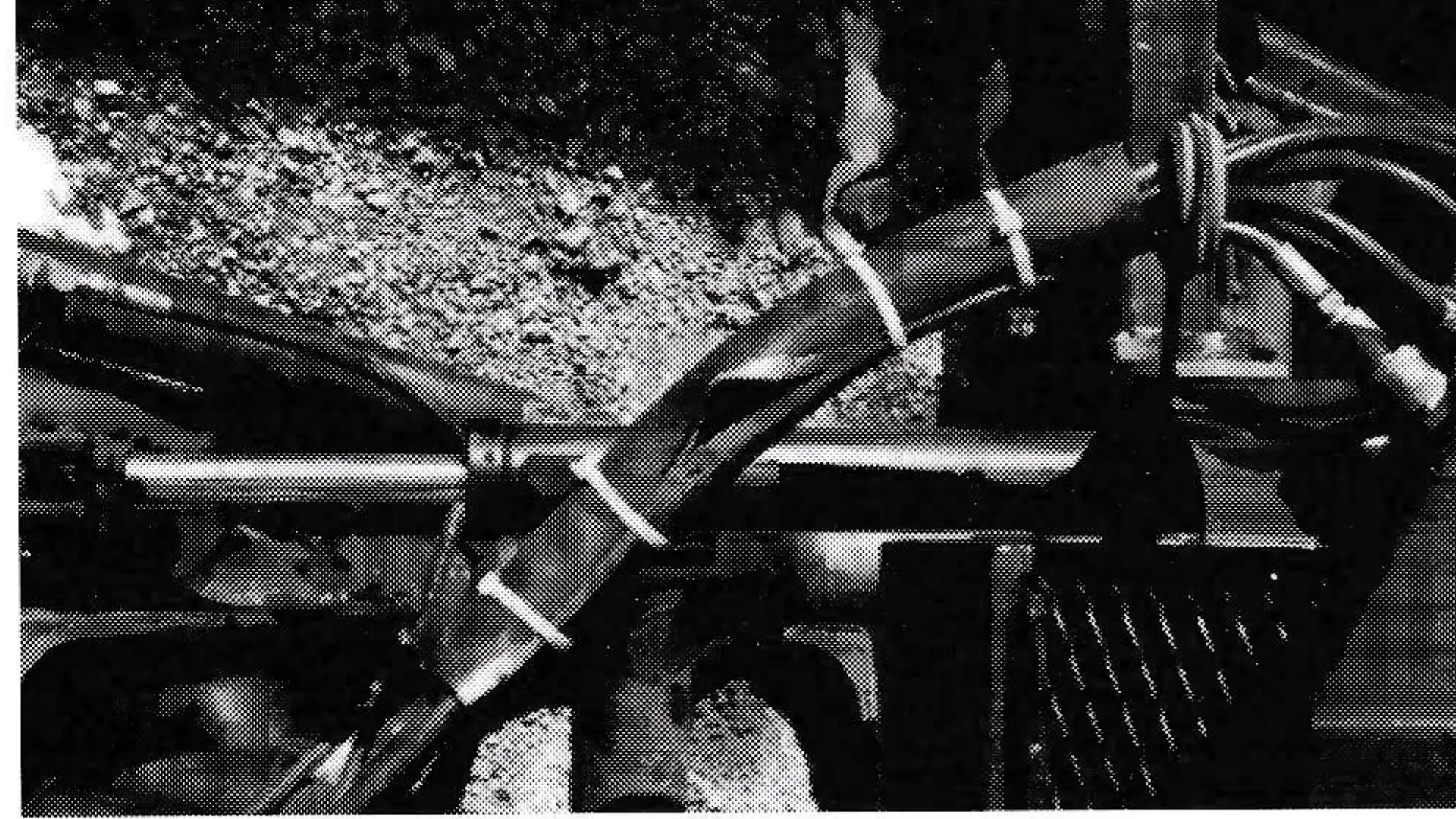
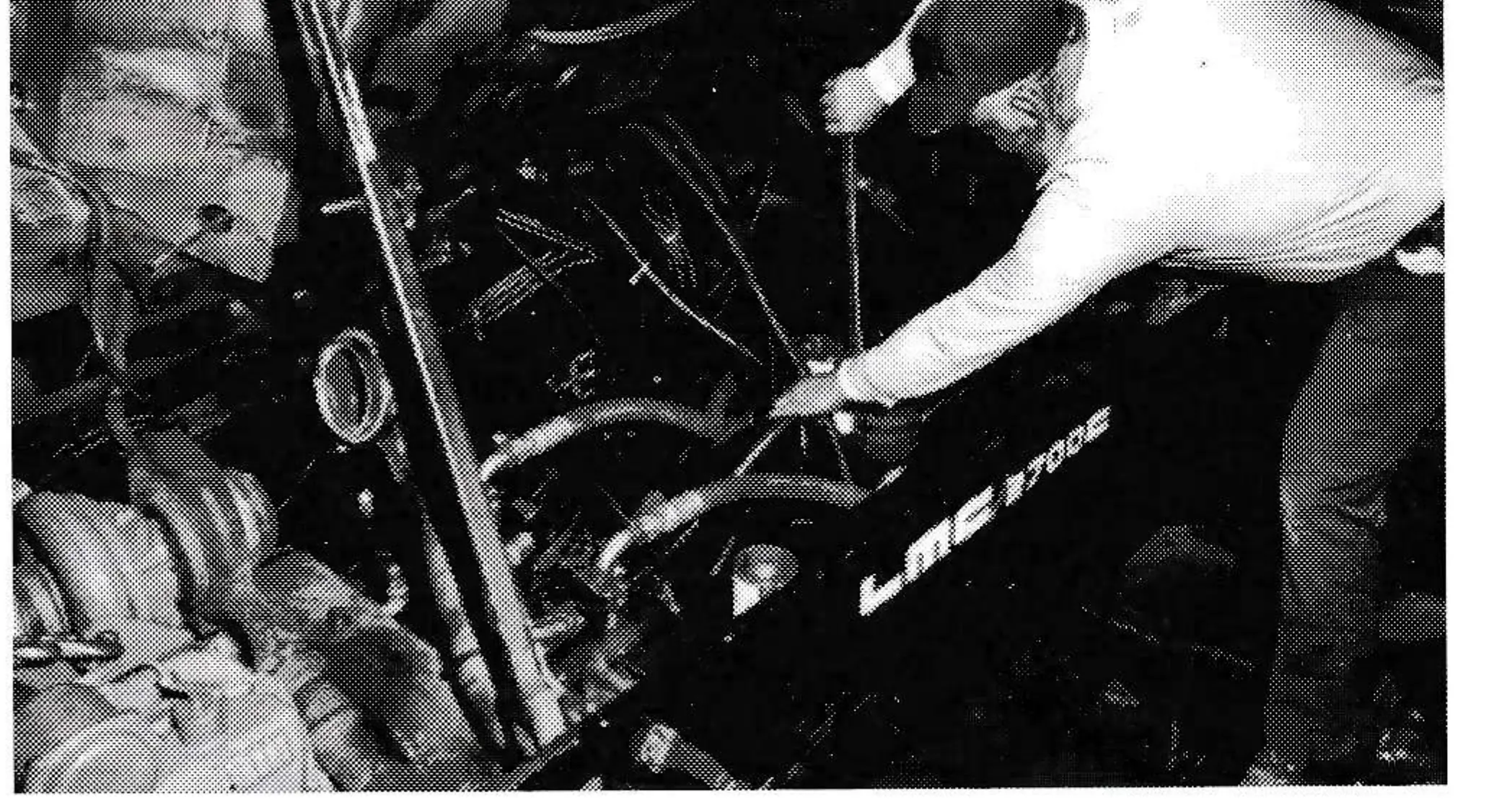
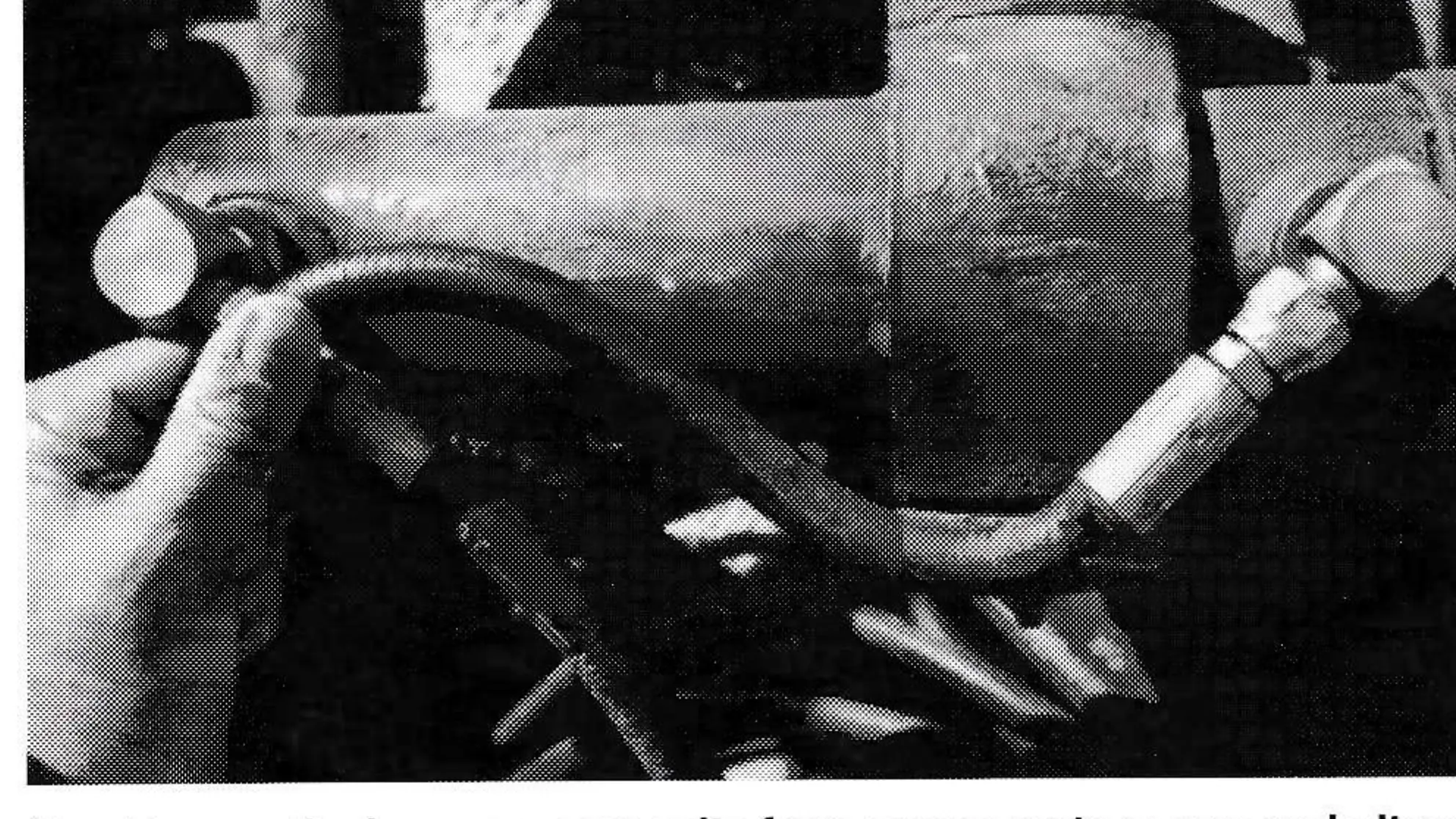
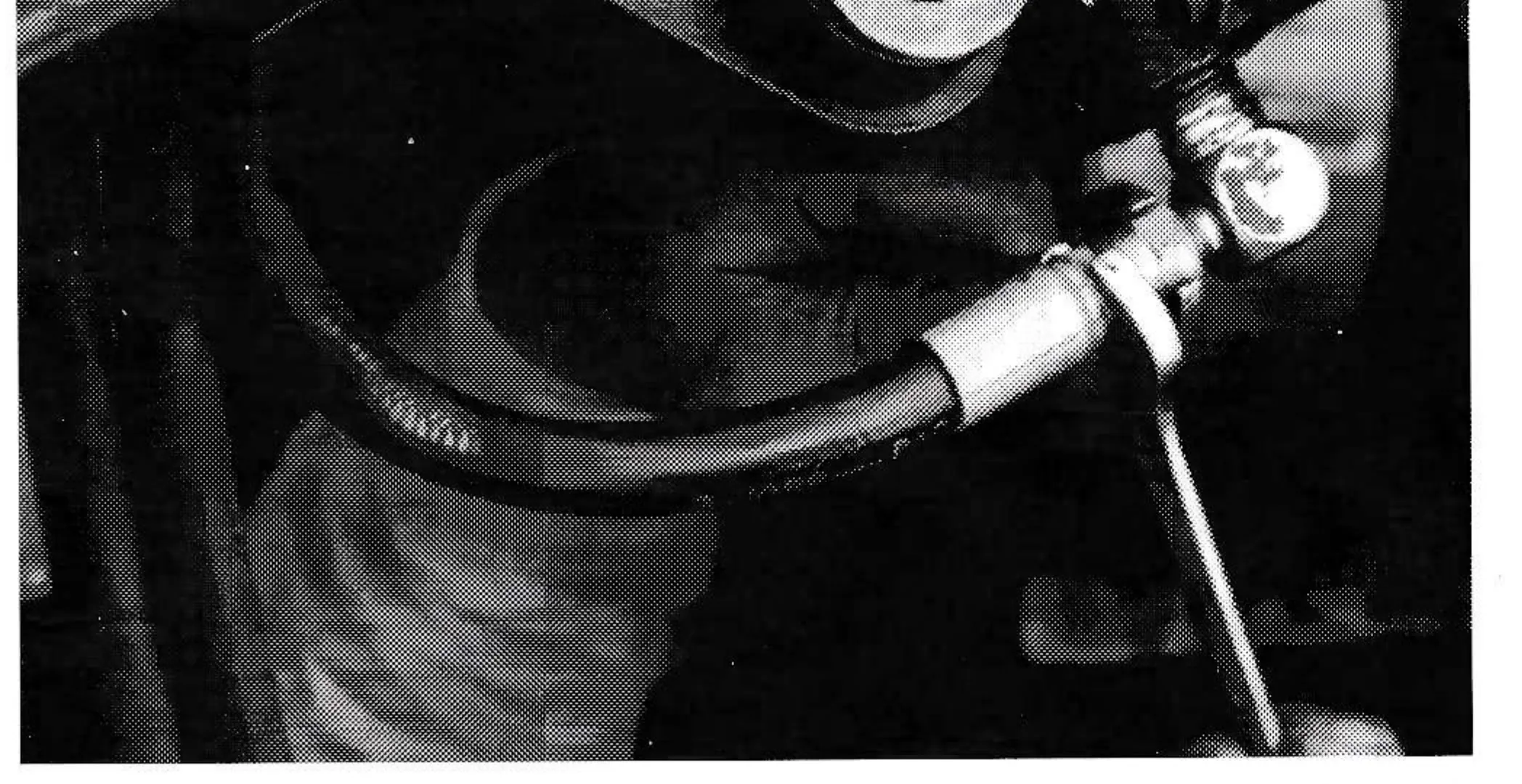
Correct crimping is especially critical on the high pressure hydrostatic hoses. “Some older groomers are capable of momentary spikes up to 10,000 psi, so it’s a tough application,” says Armstrong. “If we blow a hydrostat hose it can cost us a fortune to clean up, so every summer we replace those hoses.”
Avoid Mix and Match
Assembly problems usually can be avoided by following the assembly and crimp recommendations of the hose and coupling manufacturer. For example, the Gates Rubber Company recommends against using couplings and hoses from different manufacturers interchangeably.
Most American-made hydraulic hoses and many imported hoses are built to conform to SAE (Society of Automotive Engineers) specifications, which designates performance, dimensional and reinforcement requirements. It does not specify the rubber or plastic compounds used for tubes and covers. Because of this, couplings are individually designed and extensively tested to handle each hose manufacturer’s product to ensure safety and reliability. An improperly matched or coupled hose can fail causing down time and possible personal injury. Follow each manufacturer’s written hose and coupling installation recommendation only. The proliferation of thread ends from around the world in recent years has dramatically increased the possibility of mismatching threads and seats on various couplings. For example, many ski areas operate German-made grooming equipment that requires German DIN (Deutsche Industrial Norme) couplings, which are not interchangeable with couplings manufactured in North America.
In the past, reliance on foreign manufacturers for DIN replacement couplings resulted in repair delays or grooming equipment. These delays were eliminated with the introduction of a locally-manufactured line of international (both metric and British Standard Pipe threads) hydraulic couplings and adapters.
The ability to correctly identify different types of couplings can help prevent costly mistakes when making replacement hose assemblies. Thread I.D. kits available from suppliers can make this identification process easier.
Preventing Hydraulic Failure
Armstrong and his staff practice an aggressive preventive maintenance program involving grooming equipment inspections every 200 and 600 hours, along with a comprehensive summer maintenance schedule.
Each scheduled inspection involves a step-by-step check of the engine, hydrostat, auxiliary hydraulics, chassis, cab, tracks, dozer, compactor bar, tiller and other components. Armstrong and his shop mechanics pay special attention to hydraulic hoses and couplings for signs of wear or leakage, which are prime indicators of potential trouble.
Among the warning signs for hydraulic hose wear are cuts, friction caused by moving parts or damage from mechanical impact. Hose covers that are cut, torn or worn through expose reinforcement wire to deterioration and rust.

If hoses appear excessively wet around their fittings, or grimy, loose fittings may be the cause. Tightening the fitting may solve this problem. If the fittings are tight, this is an indication that the coupling/hose interface has reached its service life and should be replaced.
Avoiding Contamination
Changing oil and filters for both the hydrostat and auxiliary systems are part of Armstrong’s 600-hour inspection as well as the summer maintenance program. To avoid contamination of the hydraulic system during hose replacement, Armstrong and his crew keep their service area clean.
Contamination can result when metal shavings are left during component machining or from clogged filters or moisture and dirt entering the system. Water and snow can enter the hose if it is dropped or dragged on the ground during installation.
Preventive measures include blowing filtered air through the hose after the couplings are attached or passing clean stoddard solvent or kerosene back and forth through the hose and blowing it out afterwards to clean the assembly. When flushing is not practical, passing a clean rag, attached to a cable or rod, through the assembly can be effective. Cap plugs should be used and removed immediately prior to installation of the hose onto its designated port.
Follow Proper Installation
Rerouting high pressure hoses to prevent abrasion caused from hoses rubbing against each other has been helpful in improving the service life of these components, says Armstrong.
Where separating hoses is not possible, protective sleeves are used to guard replacement hoses from external mechanical damage. Flat metal and round wire spring guards or a sheath made of abrasion resistant material can help protect a hose from cuts, friction or mechanical impacts. Special insulating sleeves also are available to help protect hoses from hot equipment parts.
Routing of hydraulic hoses directly impacts their service life, so it is important to follow the manufacturer’s recommended minimum bend radius and avoid routes that twist the hose or cause it bend immediately behind the coupling. Armstrong says the biggest routing problem is on the corners. “Even when we use 45-degree bent tube couplings,” he says, “through constant flexing, a hose will swell up where it bends, then burst.”
Gates recommends routing hydraulic lines parallel to machine contours whenever possible. This practice can help save money by reducing line lengths and minimizing the number of hard-angle, flow-restricting bends. Such routing also can protect lines from external damage and promote easier servicing.
Other recommendations for proper installation are:
- Install the most difficult assemblies first. This usually means the largest diameter and shortest hoses due to maneuvering and bending forces in a tight space.
- Use clamps. Often, clamps are required to support long hose lengths or to keep hoses away from moving parts. Use clamps of the correct size. A clamp that’s too large allows the hose to move which rubs away the cover.
- Hose routing. External temperatures become a factor when hydraulic hoses are exposed to a heat source such as an exhaust manifold. It is recommended that hoses be routed away from these areas and away from moving parts, or use an insulated shield around the hose.
- Avoid twisting hoses. When tightening swivel fittings, use two wrenches.
- Flange O-rings. Special care needs to be taken when installing flange O-rings so they will not be damaged when they are being positioned. Oil should be applied to the O-ring prior to installation. Flange fittings and clamps with four bolts should be tightened in a crisscross sequence.
- Proper torquing. All fittings should be torqued according to the manufacturer’s catalog information. Over- or under-torquing can lead to leakage and/or fitting damage.
Superior Performance Hoses
Some manufacturers offer proprietary hydraulic hoses with tighter minimum bend radii that are ideal for high-pressure applications such as those found on grooming equipment. Because of their added flexibility, these proprietary hoses are a good substitute for conventional SAE hoses installed on applications where port connections cannot be moved.
In addition to superior flexing, proprietary hoses, can be bent twice as tightly as SAE-rated hoses, have smaller O.D. profile for routing through a bulkhead and weigh less.
The appearance of hydraulic hoses with tighter than the standard SAE bend radius in the marketplace resulted from a combination of user demand for specific applications requirements, as well as from improvements in the materials used in the manufacturing process. The market for these hoses continues to expand as more equipment manufacturers and other users demand greater flexibility and easier routing in their applications.