Sign in or enable JavaScript to keep reading.


The Voice of the Mountain Resort Industry | Est. 1962
From the Magazine
Six print issues a year, exclusive access to events and programs, and the archive of content operators have trusted for six decades.
Stay informed with news, ideas and insights for mountain resort professionals.
Enter your email and we’ll send a secure sign-in link — no password needed. If you have a SAM subscription, it’s connected automatically.
Check your inbox — we’ve sent a secure sign-in link. It expires in 15 minutes.

January 2012 Issue
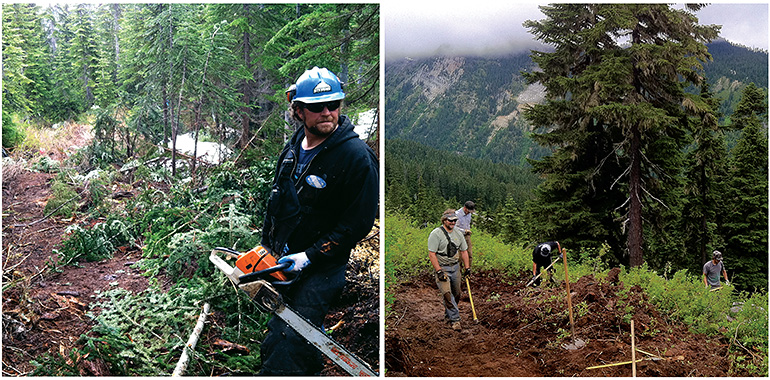
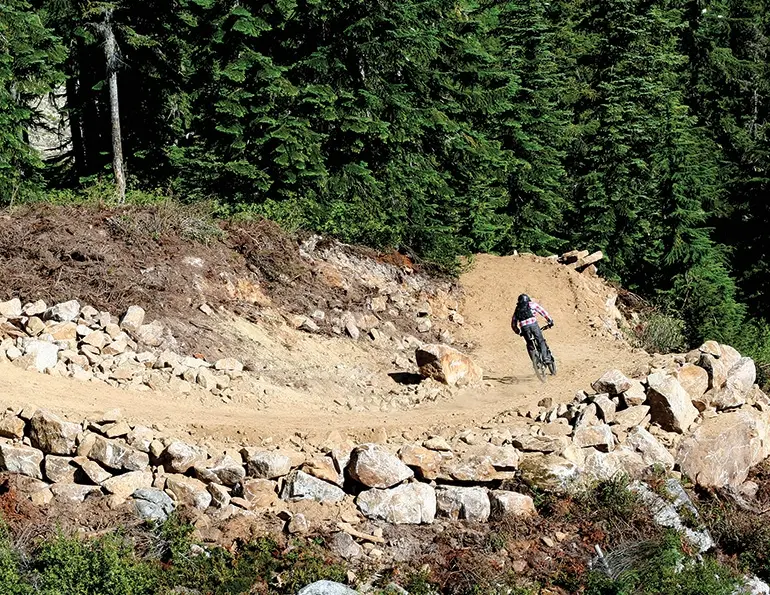
Stevens Pass is making its mark on the downhill bike park scene after years of brainstorming and research.
Sign in or enable JavaScript to keep reading.

Try us on for size! Please enjoy three complimentary articles per year. To access ALL of our content from recent issues and our extensive digital archives, subscribe today. Already a subscriber? Login below
Have questions? Email [email protected]
This is your second of three free articles. Remember, this is just a fraction of the content available to our subscribers. Subscribe today for upgraded access and exclusive membership benefits.
Already subscribed? Login below
Questions? Email [email protected].
You are now reading your last free SAM article of the year, but we hope this isn't the end of you and us. Don't get locked out, subscribe today for upgraded access and exclusive membership benefits.
Already subscribed? Login below.
Have questions? Email [email protected].
You've reached your limit of three free articles for this year. We're glad you see the value in our content!
Let's make this official and have you join the SAM community with unlimited access to our digital content, plus six issues of SAM Magazine delivered to your door every other month.
Want to save on SAM? Get $20 off when you sign up for a two-year subscription.
Questions? Email [email protected].
Try us on for size! Please enjoy three complimentary articles per year. To access ALL of our content from recent issues and our extensive digital archives, subscribe today. Already a subscriber? Login below.
Have questions? Email [email protected].
This is your second of three free articles. Remember, this is just a fraction of the content available to our subscribers. Subscribe today for upgraded access and exclusive membership benefits.
Already subscribed? Login here.
Questions? Email [email protected].
You are now reading your last free SAM article of the year, but we hope this isn't the end of you and us. Don't get locked out, subscribe today for upgraded access and exclusive membership benefits.
Already subscribed? Login below.
Have questions? Email [email protected].
You've reached your limit of three free articles for this year. We're glad you see the value in our content!
Let's make this official and have you join the SAM community with unlimited access to our digital content, plus six issues of SAM Magazine delivered to your door every other month.
Want to save on SAM? Get $38 off when you sign up for a two-year subscription.
Questions? Email [email protected].
Try us on for size! Please enjoy three complimentary articles per year. To access ALL of our content from recent issues and our extensive digital archives, subscribe today. Already a subscriber? Login below.
Have questions? Email [email protected].
This is your second of three free articles. Remember, this is just a fraction of the content available to our subscribers. Subscribe today for upgraded access and exclusive membership benefits.
Already subscribed? Login below.
Questions? Email [email protected].
You are now reading your last free SAM article of the year, but we hope this isn't the end of you and us. Don't get locked out, subscribe today for upgraded access and exclusive membership benefits.
Already subscribed? Login below.
Have questions? Email [email protected].
You've reached your limit of three free articles for this year. We're glad you see the value in our content!
Let's make this official and have you join the SAM community with unlimited access to our digital content, plus six issues of SAM Magazine delivered to your door every other month.
Want to save on SAM? Get $40 off when you sign up for a two-year subscription.
Questions? Email [email protected].