


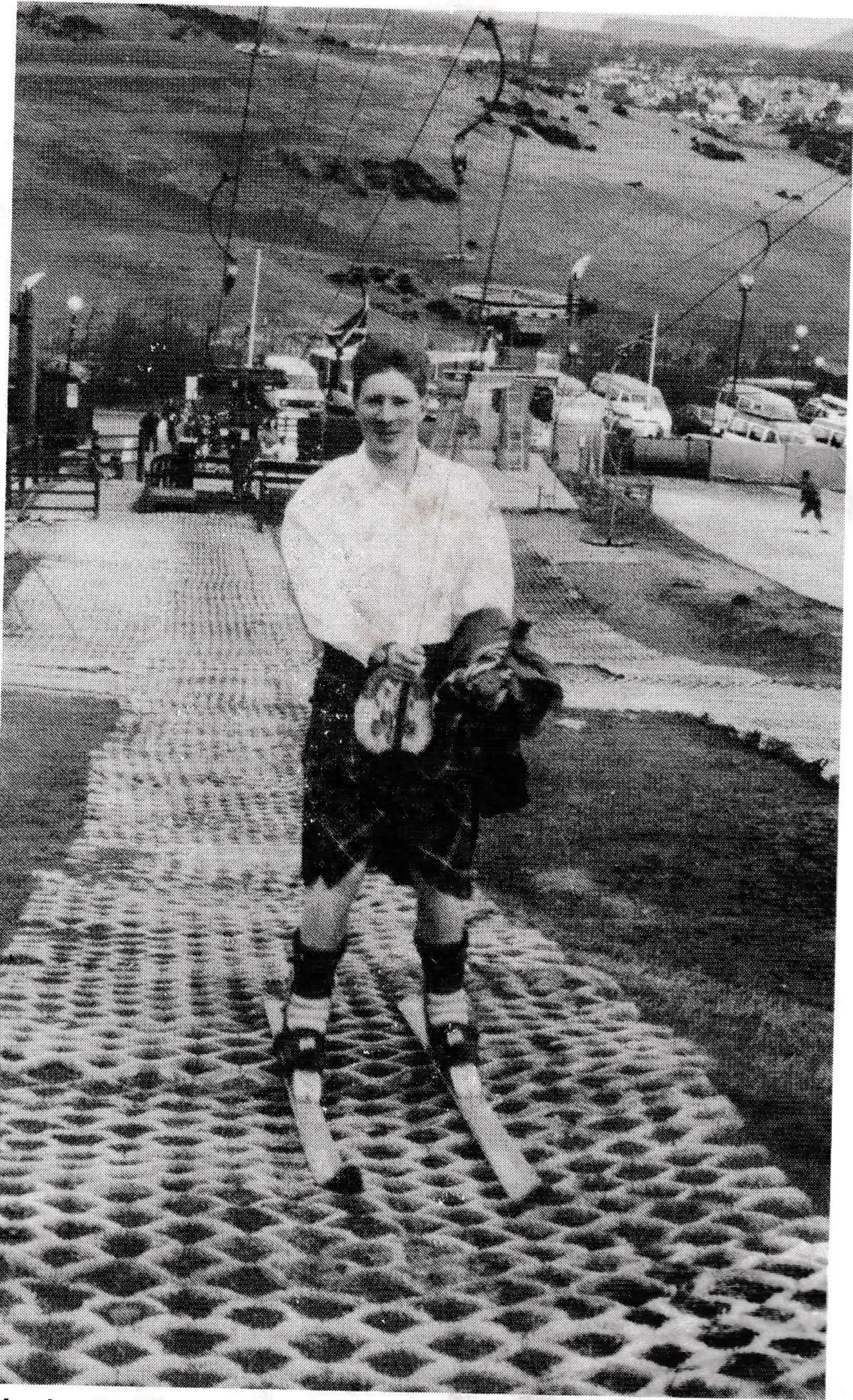
It does it without snowmaking … it does it without snow.
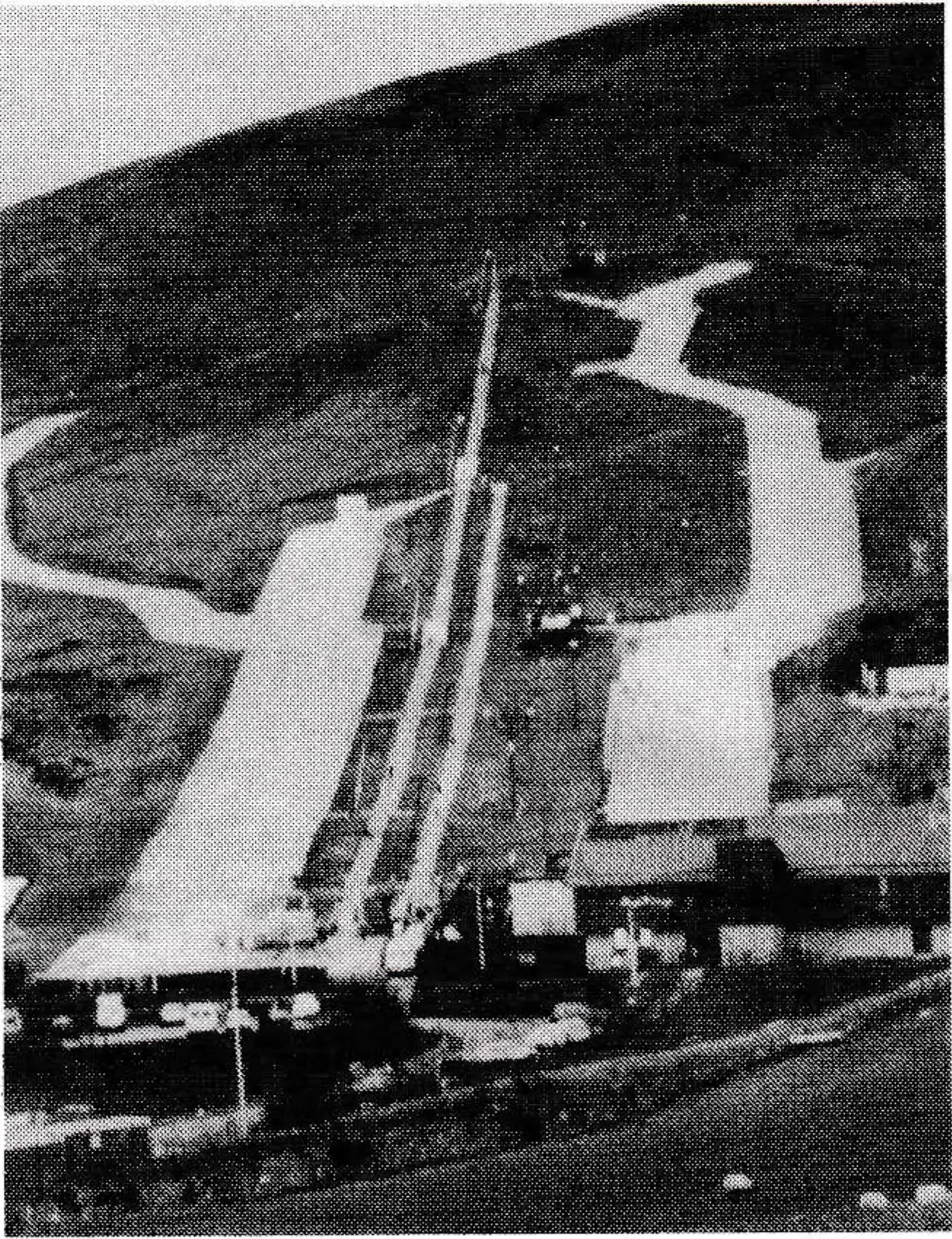
Hillend is one of 153 ski slopes in Great Britain operating on artificial turf and is the largest of this breed in Europe. The area opened with a 50 meter experimental slope in 1964. The next year, it was re-sited and extended to 200 meters, and in 1967, the main slope was lengthened to 400 meters, along with an installation of floodlighting for night skiing.
Today, Hillend is a major operation. The area’s estimated capital value is just short of a million pounds (about $1.8 million), 400,000 of which is in the plastic-covered slopes; the rest is invested in lifts, lighting and buildings. Hillend operates a Poma surface tow, a T-bar and a double chair with a combined uphill capacity of 1,880 skiers per hour. Its slopes follow the contours of the hillside and run from a gentle nursery pitch to a steeply-pitched main run. The vertical drop is 103 meters (about 340 feet), the chair runs 387 meters (1,270 feet) and the longest slope is 471 meters (1,545 feet).
Owned and operated by the Lothian Regional Council, the governing body of Edinburgh, the area has a base lodge, a small, rustic restaurant and bar, a ski school with certified instructors and a rental shop with 1,200 pairs of skis and 1,500 pairs of boots.
Hillend’s audience is beginners who want to try skiing in an unthreatening — unslippery — environment as well as advanced snow skiers tuning up for the season and racers working on technique (British Ski Team members train here) and children from 25,000 Edinburgh school classes each year.
Like other ski areas in Scotland (including five that feature natural snow), the demand for skiing at Hillend grows at about 10 percent a year. In 1983, the area had just over 120,000 skier visits; by 1988, that was up to 200,000 skier visits. Although the area is open from 9:30 a.m. to 10 p.m. 363 days a year, the busiest period is October through mid-December, when skiers are getting ready for vacations on the Continent, and January and February, the beginning of the Scottish snow-skiing season. Income reflects this seasonal usage. In 1988, the best month was January, when Hillend took in nearly $126,000; the worst was May when income fell to just over $30,000.
The ski school, which gave 116,000 lessons last year, has six full-time and 55 part-time instructors, some of whom are students at Edinburgh’s universities and polytechs. Instruction is available for downhill and telemark skiing (but not snowboarding), and instructors can get training and certification in the technique of teaching on artificial ski slopes.
An hour’s instruction costs about $15 in a group and just over $55 for a private lesson. Lift tickets are sold by the season for $145, the week for $55 in winter, $45 the rest of the year or by the hour for $6.30 including rental equipment. A round-trip sightseeing ride on the chair costs $2.
Children ski for roughly half price unless they are part of a school program. Because the Regional Council owns Hillend, educational rates are kept purposely low. The average juvenile rate per hour is $5; the average educational rate is $1.20. The discrepancy is a source of great annoyance to Hillend’s manager, Hans Kuwall, because the area loses money every time a class turns up for lessons. If the Council doesn’t care about the loss, the manager most definitely does.
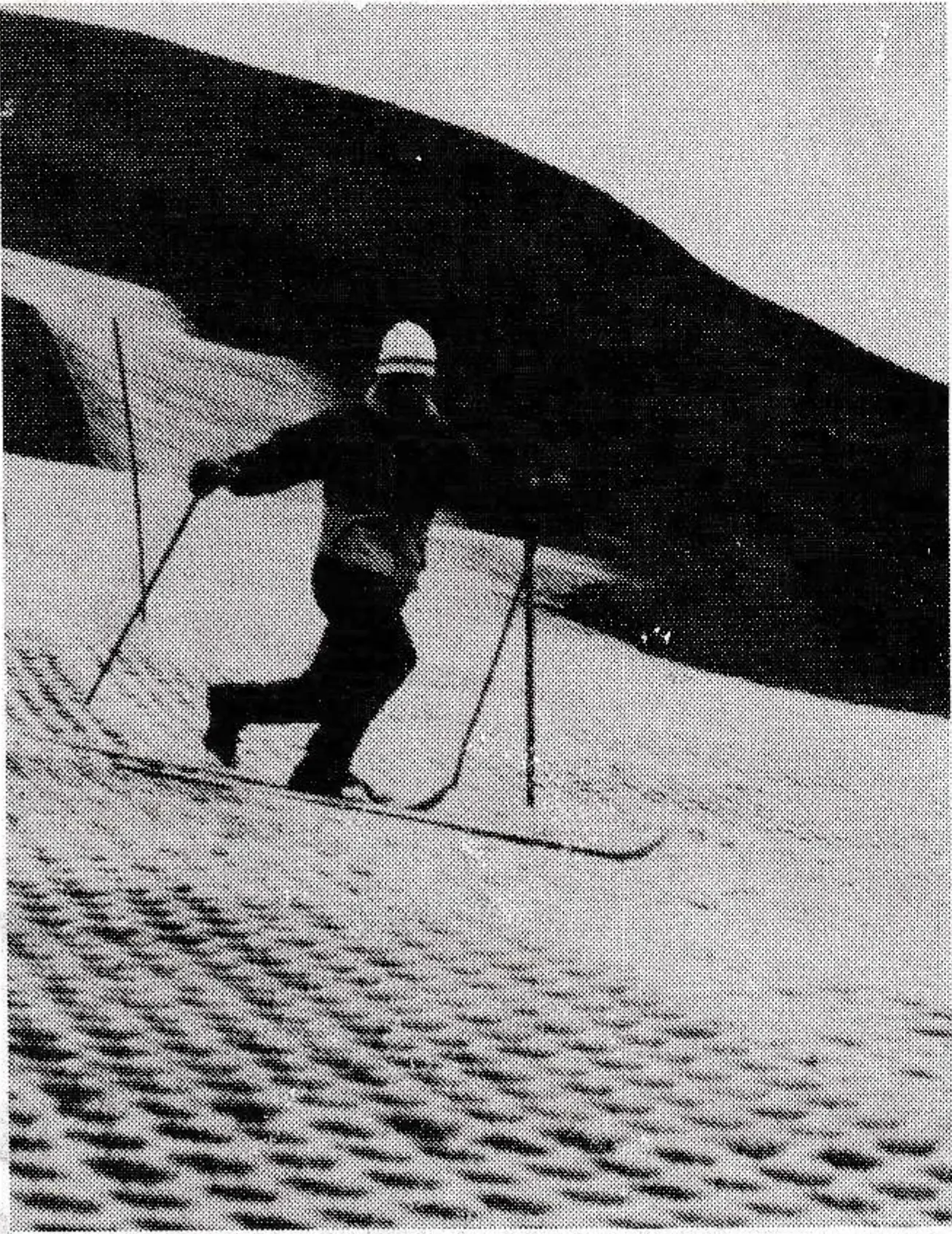
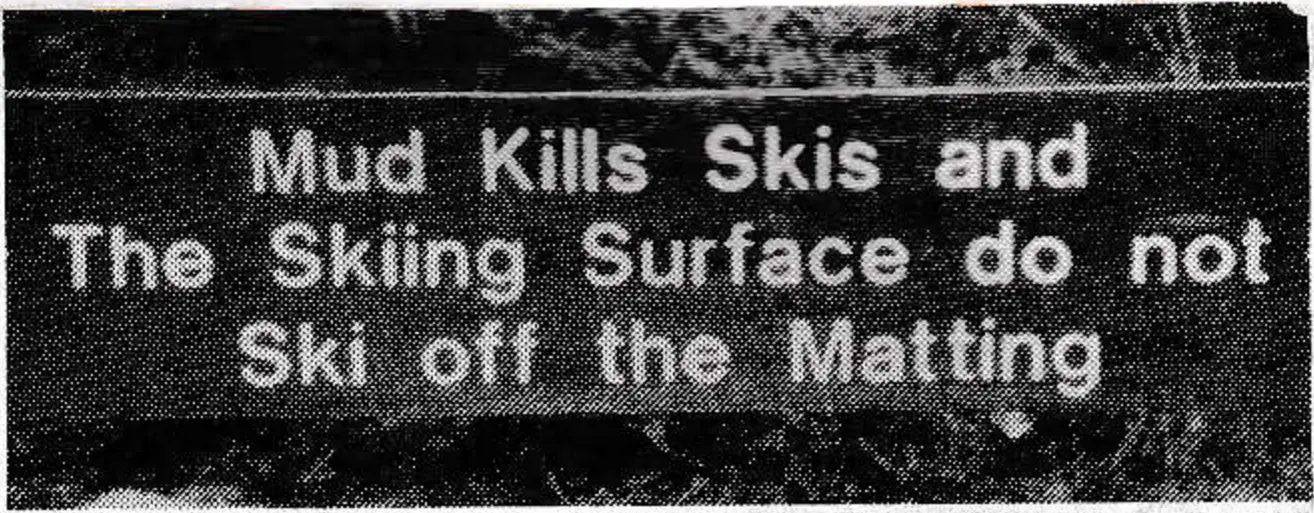
The essential part of Hillend’s operation is the slope, itself. Two Welsh companies, Dendix and Skitech System, dominate the British plastic ski slope market with products that look like elongated toothbrush bristles set in diamond-shaped patterns and feel like a boar’s backside. Both are used at Hillend and Kuwall finds them equally skiable and equally long-lasting.
Though sometimes called dry skiing, plastic performs best when wet, according to Kuwall. In 1987, Hillend installed a farm irrigation system to sprinkle the slopes and currently a mist system is in the development stage. By reducing friction, the sprinkler system makes mats last longer and helps skiers slide better. Says Kuwall: “Water is still the best lubricant.”
Even without the expense of bringing water to ski slopes, upkeep is expensive. The bristles last about four years, so the area’s 5,800 mats are in a constant replacement cycle. Upkeep costs some $108,000 a year.
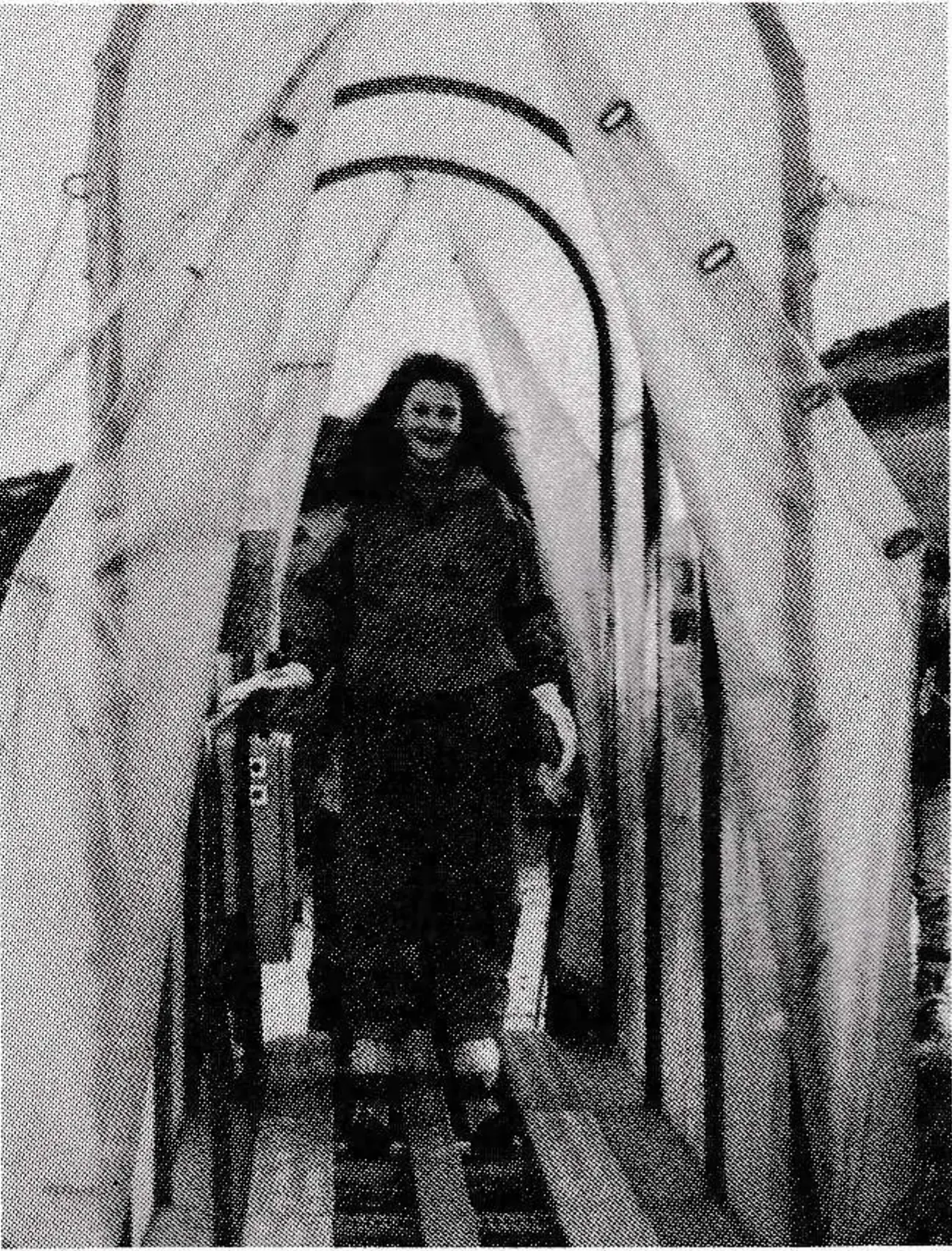
Last season, Hillend rented (for $110 a month) a waxing machine that operates much like an automatic carwash. Skiers step up to the entrance, ski onto the rollers and ride slowly through a translucent tunnel. When they reach the exit, their skis are freshly hot-waxed with a mixture of ordinary paraffin and silver wax. The silver is added because paraffin alone is too brittle. Kuwall says that for better lubrication the waxer should be at the top of the lift, not the bottom, but “it’s too expensive to run three-phase power to the top.”
The water and wax also lengthen the life of skis, something appreciated by an area that is as heavily committed to rentals as Hillend. Even with the lubricants, rental skis last no more than 150 hours and, typically, they’re re-soled three times during that time period. The area uses mid-range skis for which it pays $110 to $125 a pair.
For bottoms, Kuwall prefers P-Tex 2000. “The 3000 heats up too fast and the 1000 wears out too fast,” he says. Although several manufacturers now make skis designed for plastic slopes, Kuwall is distinctly unimpressed by them. “I can’t see any difference in the special skis,” he says. “They often don’t last as long as ordinary ones. I think it’s a lot of bullshit — just a very cheap ski with a cosmetic top.”
Alan MacKenzie, manager of Atomic’s British rep, Badger Sports, takes a different view. “Artificial slope skis are made with a thick layer of fiberglass, top and bottom,” he says. “They have a wood core, a metal plate to dissipate heat and a hard base — either P-Tex 2000 or Graphite 4000. They should go 75 hours before you need to re-sole them.”
Poles at Hillend are indisputably different from those used on snow — they have no straps, baskets or tips. The area makes its own poles out of aluminum tubing and plastic handles, and bans ordinary poles for safety reasons.
Boots and bindings at Hillend are standard rental issue with Look and Salomon bindings predominating because they’re the easiest to adjust, according to Kuwall. Boots are Salomon, Nordica and Koflach.

Unlike ski areas in North America, Hillend has reduced surveillance and liability to a minimimum. Instead of lift attendants, the area uses video cameras to oversee danger points. Cameras focus on the loading and unloading platforms and two more scan the slopes and the parking lot.
Kuwall is enthusiastic about the set-up. “When you put a man in a box at the top of a lift,” he says, “pretty soon he’ll be reading the paper instead of watching skiers. Our observers are in a control room at the bottom of the chairlift. They’re on duty for only 29 minutes at a time. It’s more efficient and much safer.”
“We also have a dual intercom at each exit. The operators can talk to skiers and skiers can talk back. Our operators are faster by a minute on the stop and start buttons than a man on the platform.”
A bonus of the video surveillance is that the roving cameras can focus and zoom in on the parking lot. This has prevented thefts from cars and, by using the video tapes in court, the area has successfully prosecuted thieves.
While the relatively slow and predictable plastic surface seems safer than snow, it does produce problems for people and their clothing. Enough falling skiers have caught thumbs in the unforgiving mats to have spawned a local medical condition — the Hillend Thumb. The bristles, themselves, can cause serious abrasions to skin and quick damage to clothing.
But lawsuits are infrequent and successful ones, rare. Scottish laws are much harder on litigants than those in the U.S., requiring proof and witnesses before a suit will even be entertained. Hillend’s position as enunciated by its manager amounts to this: “We didn’t ask you to put your thumb down,” and, “It’s up to you to prove that you have not tampered with the bindings.”
Like his North American counterparts, staff is Kuwall’s biggest headache, but of a different sort. Because the ski area is an arm of the Council, its workers are government employees; because they are government employees, they are difficult to sack. Kuwall sighs, “We have no trouble keeping staff — we have trouble getting rid of them!”
The regulation that bothers him most is that employees can certify themselves sick for up to seven days without a letter from a doctor. He says some workers take sick leave during the week, then come in on Saturday at time-and-a-half pay rates and on Sunday at double-time.
Some of this may change in the near future. The Council is planning to sell off the Hillend concession by competing tender. Hans Kuwall was among the first to put in a bid.
Dryslope Skiing
Skiing on plastic has become big business in Europe, especially in the United Kingdom, where over a hundred such operations exist. Holland has four and perhaps another forty exist in such places as Greece, Cyprus, Italy and Yugoslavia.
British dryslope skiers use their facilities principally in the September-to-Easter period and many, including racers, use them for practice sessions before skiing abroad.
The granddaddy of the suppliers is Dendix, which installed its first slope in London in 1960. Dendix is located in Wales, also home to a nearby competitor, Skitech Systems, which not only supplies the surface but also a broad line of skis, slalom poles and other equipment specifically designed for dryslope operations.
In the U.S., only one operation exists: Boston Hills Ski Area, operated by the Dendix agent for North America. However, the Dendix plastic mats are used at some 54 areas in the U.S. and Canada for lift loading and unloading, especially with detachables.
— D.R