

There were plenty of skeptics when Grand Targhee Resort in Wyoming began its base area environmental awareness efforts in 1990. Some questioned the motive, some questioned the practicality, some the cost effectiveness of various programs that were proposed. Many people were simply apathetic. Only a few believed in the benefits of environmental responsibility.
Since then, most of the efforts have proved cost effective and excellent for customer and public relations. The original goal of becoming an environmentally responsible operation has been met in several areas, although more time is needed to evaluate some of the programs. The programs Grand Targhee implemented vary from mundane, like recycling aluminum and glass, to the experimental — participating in a program testing vegetable-based motor and hydraulic oils.
Resort-wide recycling was the first and most obvious choice for a highly visible and environmentally responsible program. To make participation easy, resort owner Mory Bergmeyer, who is an architect, designed bins that fit the rustic architecture of the resort, were easy to use and easy for maintenance personnel to service. Although designed for exterior use, the bins are also placed in public areas of the day lodge.
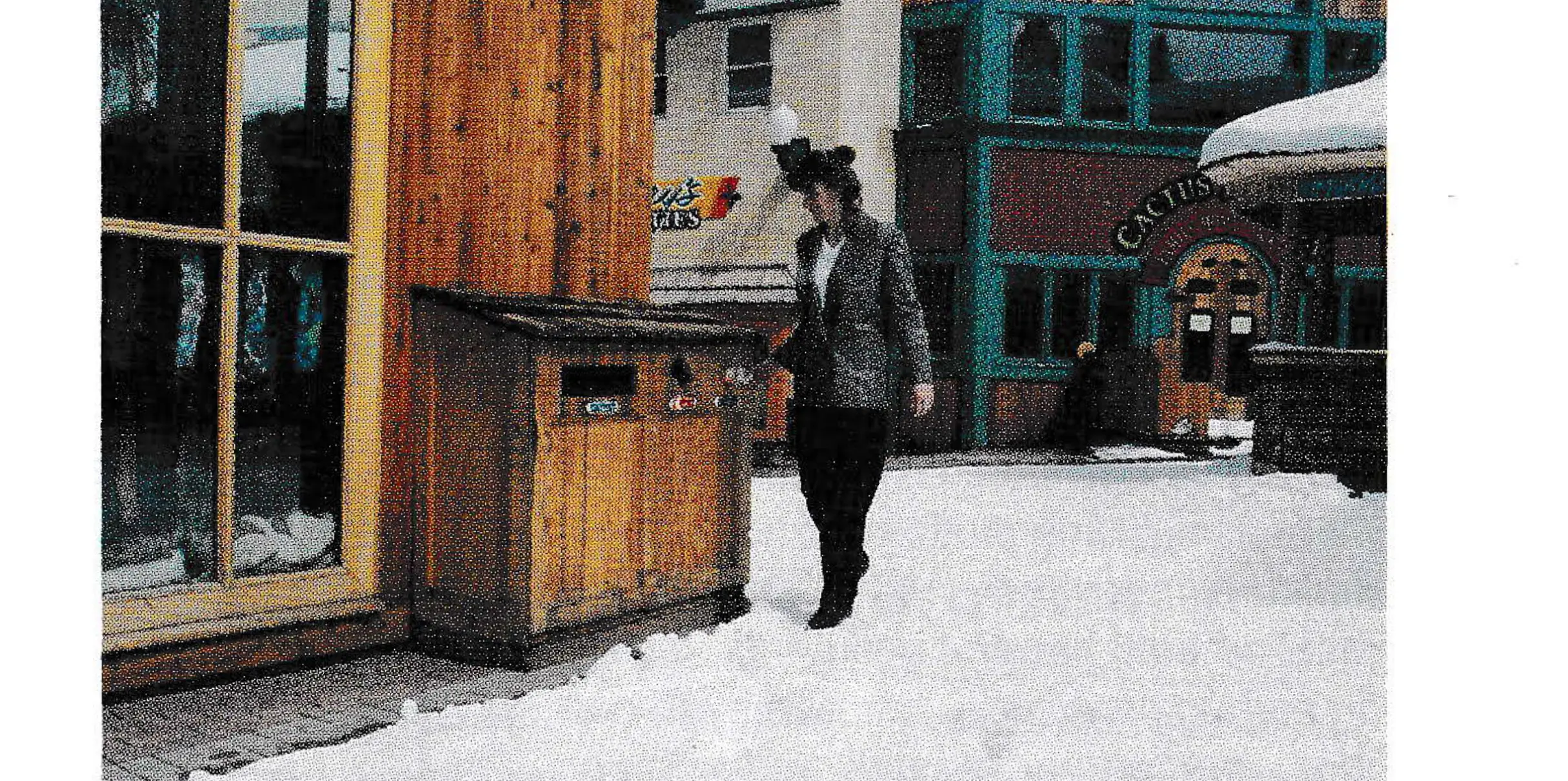
The front of each bin is hinged at the bottom, and the front swings out to provide access to the three rectangular plastic containers inside. The plastic containers are lined with heavy-duty trash bags; and when the containers are full, the bags are removed and brought to the resort’s recycle sorting and trash area. Large plastic trash cans in the sorting area are labeled for aluminum and various colors of glass. Trash goes directly into the trash truck, which is kept nearby in an indoor bay, connected to a quick-connect hydraulic system that operates the truck’s lifter/compactor mechanism when the truck’s engine is not running.
Food and beverage operations, especially the bar, contribute significant amounts of glass and aluminum that previously went to the local landfill. Bartenders sort aluminum cans and glass bottles in the bar, then bring bags of those materials to the sorting area.
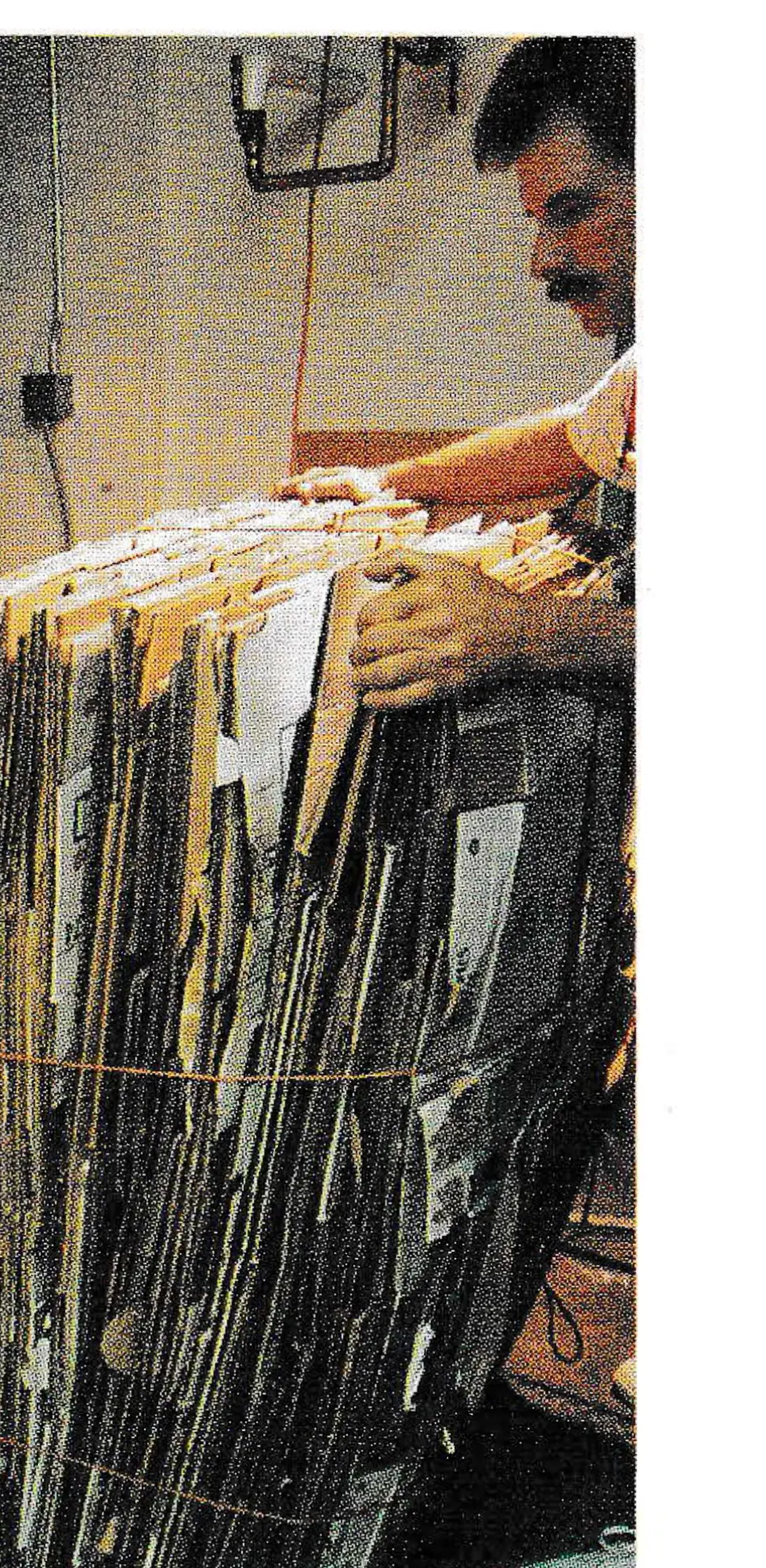
Cardboard was a high-volume material that added significantly to trash volume before recycling was implemented. Almost all resort operations, but especially food and beverage, receive supplies in cardboard boxes that can be recycled. To make handling cardboard manageable, the maintenance crew built a plywood bin three and one-half feet high, four feet long and three feet wide with a removable end. Plastic twine is draped across the bottom and all four sides of the bin before cardboard is placed in it. All boxes are flattened, then put in the bin. When the bin is full, the flattened cardboard is tied into a bundle using the twine and the bundle is removed from the bin.
All offices at the resort recycle copier and computer paper. And, as a way to encourage paper companies to buy recycled paper, the resort has switched to recycled toilet tissue and paper towels in the public restrooms. The resort’s cat skiing operation switched from using disposable paper cups for coffee and hot chocolate, to souvenir plastic mugs with non-spill lids. Before switching, cat skiing used 20 to 50 paper cups a day.
Next to come under scrutiny were cleaning products used in housekeeping and janitorial services. In November 1991, Grand Targhee was approached by the then-new consulting firm S.A.F.E., which advises the hotel business on switching to all-natural cleaning products. The area’s management decided to retain the services of S.A.F.E. and to switch to the all-natural laundry and cleaning products they recommended. Active ingredients in most of the products are citric acid, citrus solvents made form orange rinds and citrate blends.
“We have found the natural products to be 18 to 20 percent more cost efficient compared to standard products in the hotel industry,” says Byron Phillips, Grand Targhee lodging, food and beverage manager. “Plus they work and have been extremely well received by our guests.”
Adds Bergmeyer, “The unknown that could really be a plus is that we’re not putting phosphates, benzine and other chemicals into our sewer pond. The long-range benefits for improved sewer pond performance could be tremendous. But it’s just too soon to tell.” Grand Targhee’s sewage disposal system consists of a simple settlement pond.

The one drawback is the natural products don’t handle some jobs quite as easily as conventional products do. Greasy rags from the kitchen, for example, did not come out as white as they had with other products. Pre-soaking in a natural pre-soak solution helped, although greasy rags still don’t come completely white.
“Using these products is a continuation of our goal of protecting the environment,” says Phillips. “Some companies say their products are ‘non-toxic’ or ‘biodegradable.’ The keyword here is ‘all natural.’ You can pick up a sheet or pillowcase that’s been washed in this product and you can smell the light citrus odor. You get a cleaner, fresher product and the guests love it.”
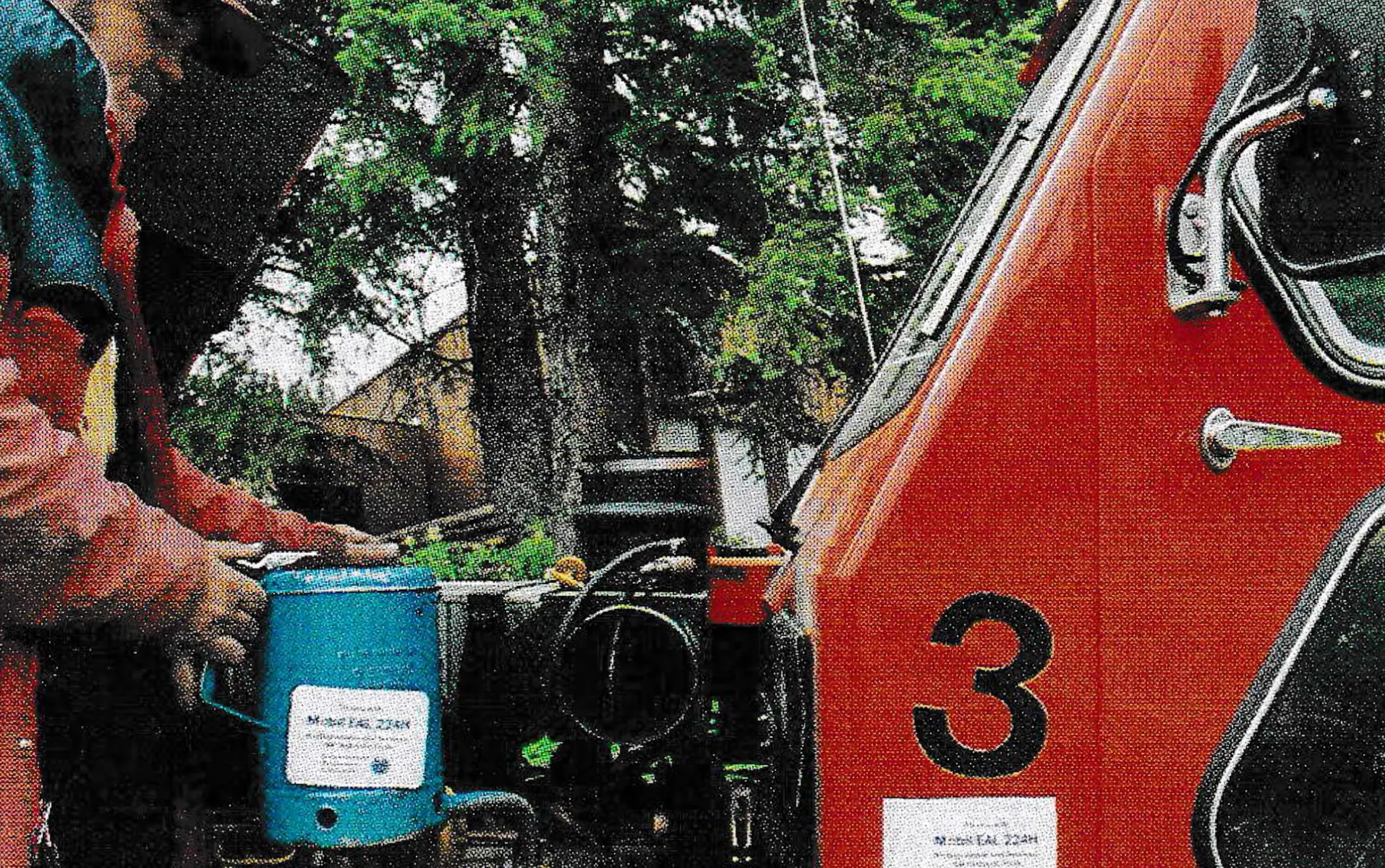
One novel effort at Grand Targhee that guests never see is an experiment with vegetable oils in grooming cat engines and hydraulic systems. At the start of the 1992-93 season, Grand Targhee was approached by the Mobil Oil Co. and asked to participate in field tests of its new vegetable-based engine and hydraulic oils. Dubbed EAL for Environmental Awareness Lubricants, the oils are derived from canola and rapeseed. Compared to petroleum-based oils, these oils biodegrade rapidly when exposed to soil organisms and air. Unlike petroleum-based oils, vegetable oils are non-toxic to animals even in large doses.
So far, hydraulic systems and hydrostats in Grand Targhee’s LMC 3700’s are operating the same as with conventional oils. Engines are running about 10 degrees fahrenheit cooler and wear characteristics, determined by frequent oil analysis, are about the same as with conventional oils. Cost of the biodegradable oils, however, is about 2 1/2 to 3 times that of conventional oils.
According to Mobil, the primary use for the product is in “hydraulic and circulating systems where leakage of conventional mineral oil could create environmental problems. It can be used in construction and mining equipment, dockside cargo handling equipment and at hydroelectric dams. Other important applications are in the environmentally sensitive agricultural and forestry industries.”
While ski areas don’t fall into any of the above categories any area that operates in sensitive watershed terrain may have a use for these products. Accidental leaks in small amounts will not adversely affect ground water or the environment, although Mobil still recommends cleanup of larger spills using the same methods as for spills of conventional oils.
From the obvious to the obscure, Grand Targhee has found it worthwhile to look at all resort operations with an eye toward environmental responsibility. “I think the mood of the country is one of being environmentally conscious,” says Bergmeyer, “so we are participating.” The cost savings of some of the programs have been offset by higher than expected costs in others, but all these programs offer high public relations value, high environmental value, or both.
Skeptics will always be skeptics, but people who were at first apathetic are paying attention and participating. Those who knew all along that environmental responsibility was worthwhile have had their expectations exceeded.