


Ski resorts in Colorado are leading the charge in changing the way America fuels up. By converting natural gas vehicles (NGVs) and installing on-site natural gas fueling appliances (Fuelmakers), Aspen, Winter Park and Vail have made a commitment to this clean, safe and economically-proven alternative fuel.
But, natural gas is not new. Since the 1930’s, compressed natural gas (CNG) has been used in place of gasoline and diesel and currently over 700,000 NGVs are in use worldwide.
Used in the same combustion engines as gasoline-powered cars, trucks and buses, natural gas burns substantially cleaner than gasoline. With the huge number of fleet vehicles in resort communities, including public buses, shuttles, maintenance vehicles, school buses, trucks and delivery vans, natural gas conversions could significantly reduce air pollution in many mountain towns.
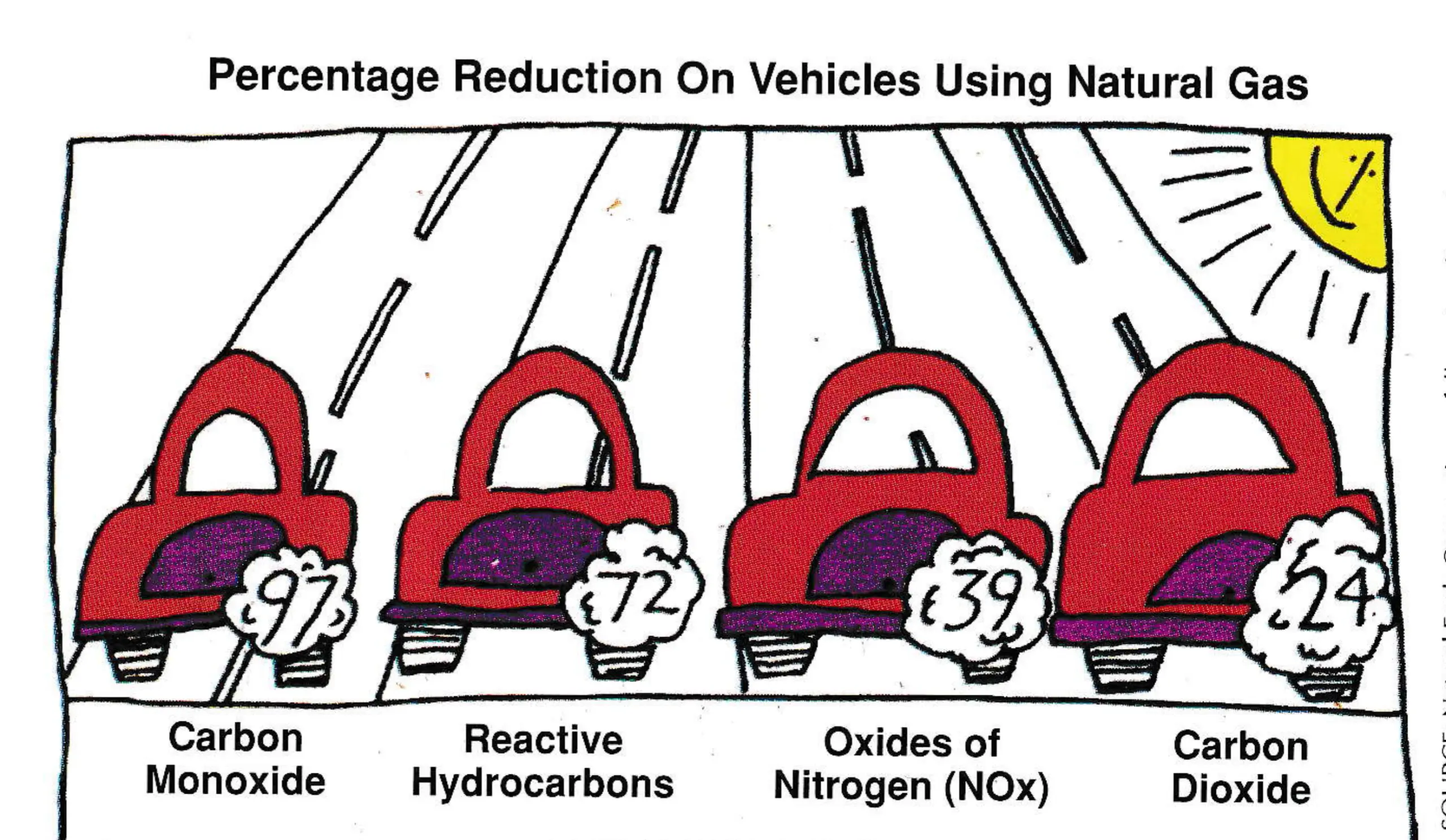
CNG offers the lowest carbon monoxide emissions and is the cleanest burning fossil fuel available. Vehicles running solely on CNG produce the lowest levels of reactive compounds of any alternative fuel, including methanol and gasoline blended methanol. Vehicles burning gasoline emit harmful pollutants, including carbon monoxide, reactive hydrocarbons, various particulates and nitrogen oxides. Tests show that when running on natural gas, vehicles emit virtually no particulates, 97 percent less carbon monoxide, 39 percent lower oxides of nitrogen, 24 percent less carbon dioxide and 72 percent fewer reactive hydrocarbons than when powered by gasoline.
The safety record of natural gas in the U.S. is impressive. Natural gas is lighter than air and, when spilled, quickly rises and dissipates into the atmosphere. Gasoline and propane, however, are liquids and when spilled can collect and form hazardous combustible pools. Natural gas is neither corrosive nor toxic; therefore, health risks are substantially decreased when it is handled. Additionally, it won’t ignite until it reaches a temperature of 1200 degrees Fahrenheit, much higher than gasoline, which ignites at 800 degrees. Natural gas storage tanks are built to more rigorous standards than gasoline tanks, adding to the overall structural strength and safety of vehicles.
An American Fuel
In its natural state, natural gas moves from point of production to point of use through a 1.2-million-mile nationwide underground pipeline. Nearly every ski resort in Colorado and in many other states, has nearby a natural gas pipeline running along valley floors and over mountains.
Using CNG at the current consumption rate, the U.S. appears to have at least a 50-year supply of conventional natural gas resources in the lower 48 states. Recent discoveries of natural gas in coal formations may double that supply base. This usage could help lessen U.S. dependence on foreign oil, reducing the trade deficit and revitalizing domestic energy production.
Price/Performance Advantage
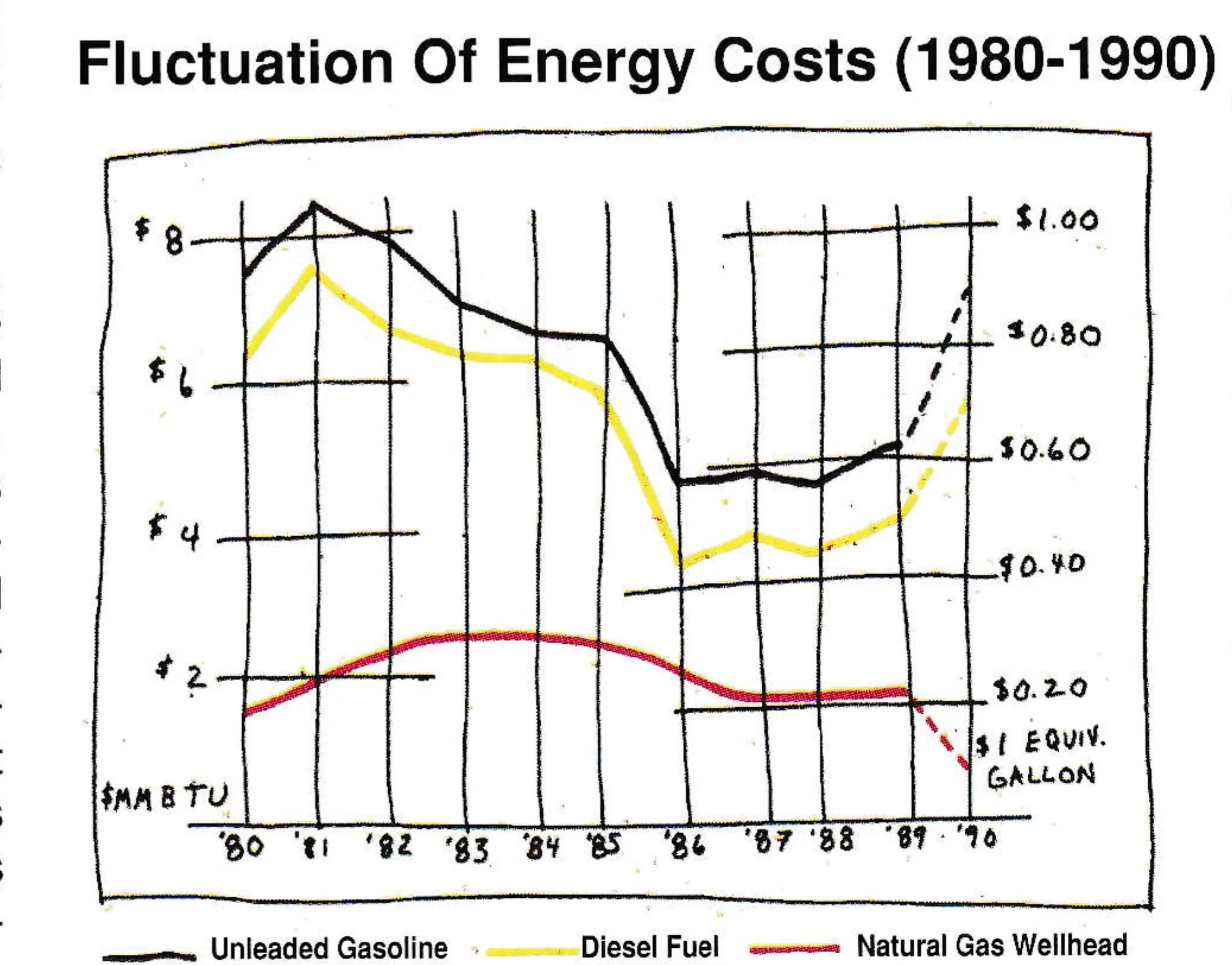
Natural gas costs at least one-third less per gallon than an equivalent gallon of gasoline. With an abundant domestic supply and the existing delivery system, consumers can probably rely on a stable pricing structure. Price alone makes natural gas an ideal fuel for business and resort fleet vehicles.
In addition, NGV maintenance and tune-up costs are generally less because CNG burns cleaner and more completely than gasoline, thereby reducing contaminant buildup and engine wear. Fleet owners report maintenance cost-savings, including reducing the number of oil changes and tune-ups by one-third and engine life that is up to two times longer than when operating on gasoline. Due to reduced maintenance costs, longer engine life and higher resale value, many fleet owners realize a payback in as little as two or three years.
With natural gas, engines start easier in cold weather and run smoother during hot weather, eliminating vapor lock and improving acceleration and idling. In addition, natural gas contains an octane rating of 120 to 130 as opposed to 87 to 95 for gasoline, making engines more fuel efficient.
Performance at Altitude
On the down side, NGV drivers have reported a slight power loss when driving at altitude, equivalent to the change in power when a vehicle’s air conditioning is turned on.
Steve Hyland, Vail’s lift manager who drives an NGV pickup, reports, “The vehicle bucks a little at high speed when pulling a heavy load. I took it to the stalling point the other day driving over Vail Pass and it didn’t stall — no pinging at all!”

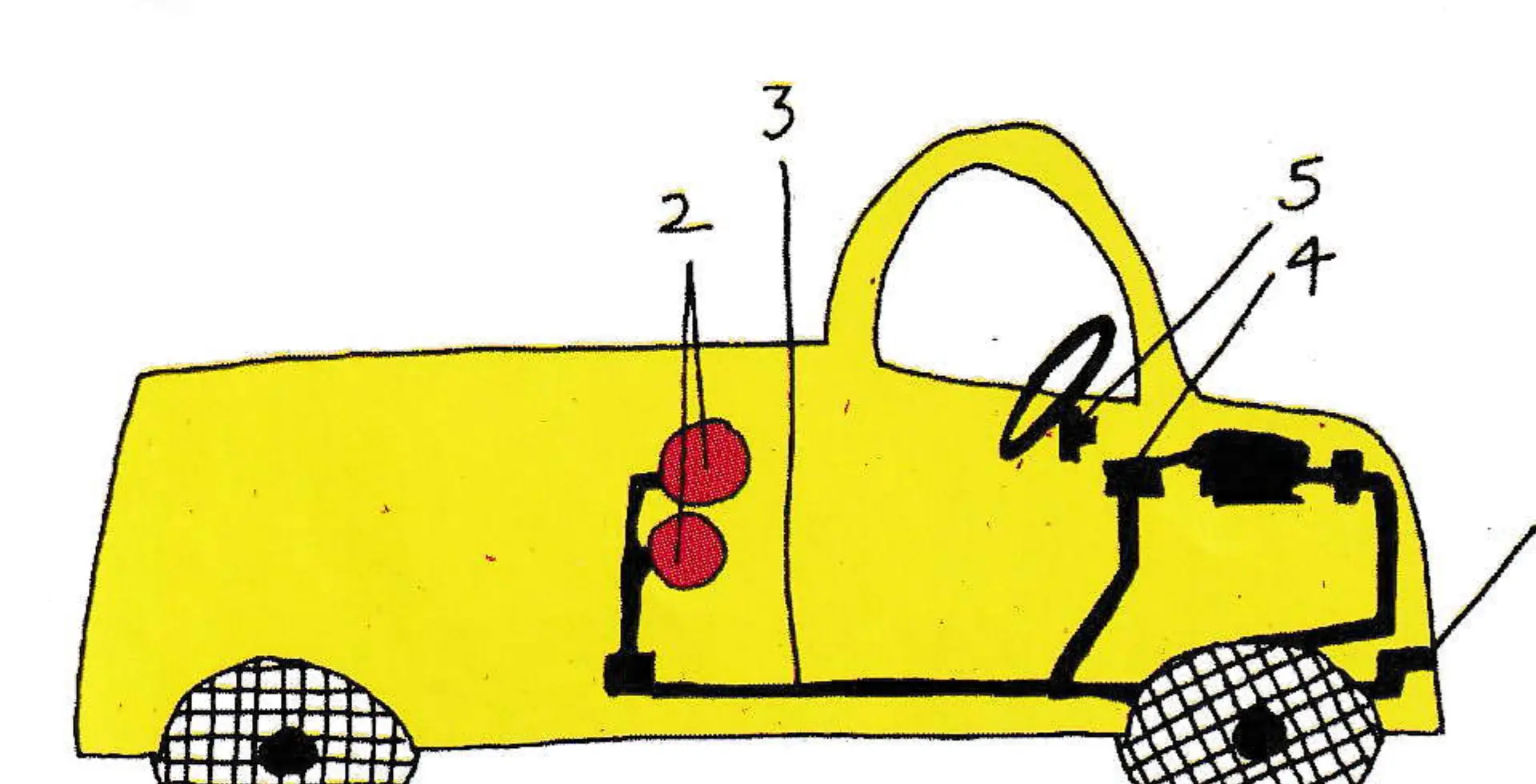
How A Natural Gas Vehicle System Works
- Fill Point: Natural gas from a fueling station enters a vehicle’s natural gas fuel system through a fill valve.
- Compressed Natural Gas Cylinders: The natural gas flows into compressed natural gas cylinders. Cylinder location varies depending on the vehicle.
- Stainless Steel Tubing: When natural gas is demanded by the engine, it travels from the cylinders through stainless steel tubing and enters the engine.
- Pressure Regulator: Natural gas enters the pressure regulator where it is reduced to atmospheric pressure.
- Dashboard Fuel Gauge/Switch: While in motion, drivers can select either natural gas or gasoline with a switch mounted on the dash.
Conversions
Conversion of gasoline vehicles to natural gas does not require removal of any original equipment. Natural gas cylinders are mounted in the vehicle and a natural gas fuel line is connected to the engine’s existing combustion system through mixer equipment that has a regulator. A fuel gauge switch installed on the dash permits selection of either natural gas or gasoline operation.
Most gasoline-powered vehicles can be converted to run only on natural gas or both gasoline and CNG (bi-fuel) for about $3,500 to $4,500, depending on vehicle size and storage requirements. Original equipment manufacturers, such as Chrysler and General Motors, are now offering dedicated natural gas vehicles, typically with a $5,000 addition to the sticker price. Payback on conversion costs depend on the NGV daily range, annual fuel consumption and local price differential between natural gas and gasoline.
On-Site Fueling
Two fueling methods are available for NGVs: time-fill or quick-fill. Using the time-fill method, a NGV fills up overnight at a personal on-site station. The quick-fill method lets a NGV fuel up in as little as five minutes.
For fleet vehicles, time-fill fueling can be the most practical and economical method. Both Vail Associates and Aspen Ski Company have installed time-fill fueling appliances, called Fuelmakers, which connect directly to natural gas lines. Natural gas is delivered to the Fuelmakers 24 hours a day, seven days a week, with no tanker trucks or underground storage tanks to worry about. The Fuelmaker compresses the equivalent of one gallon of gasoline per hour into the NGV’s tank. For filling, the vehicle operators plug the Fuelmaker hose into the vehicle at the end of the day, the vehicle refuels overnight, and then the operator unplugs it with a full tank in the morning.
Additional public quick-fill fueling is planned at gasoline stations in the mountains, adding to a growing infrastructure of over 35 natural gas public fueling stations in Colorado.
Ski Areas Using Natural Gas
The Aspen Ski Company management was driven by environmental factors to convert some shuttle buses to NGVs. They realized that Owl Creek Road was fast becoming a mass transit corridor between Snowmass and Aspen. Conversion of shuttles using this road to NGV is expected to improve mass transportation for employees and guest while preserving the air quality of the region.
At Vail Associates, converting to a natural gas not only had environmental benefits, but also made economic sense. Vail buys natural gas at about 60 cents per equivalent gallon compared to an average of $1.10 per gallon of gasoline. Savings for two Vail NGV pickups, averaging 8,000 miles per year at six miles per gallon, is expected to be significant next season.
Both Aspen and Vail plan to convert more vehicles to natural gas over time.
Getting Converted
Commercial natural gas vehicle conversion centers are found in almost every major city in the U.S. or ski area operators can contact local gas utilities for information about the nearest NGV conversion center.