Diamond Peak, Nevada
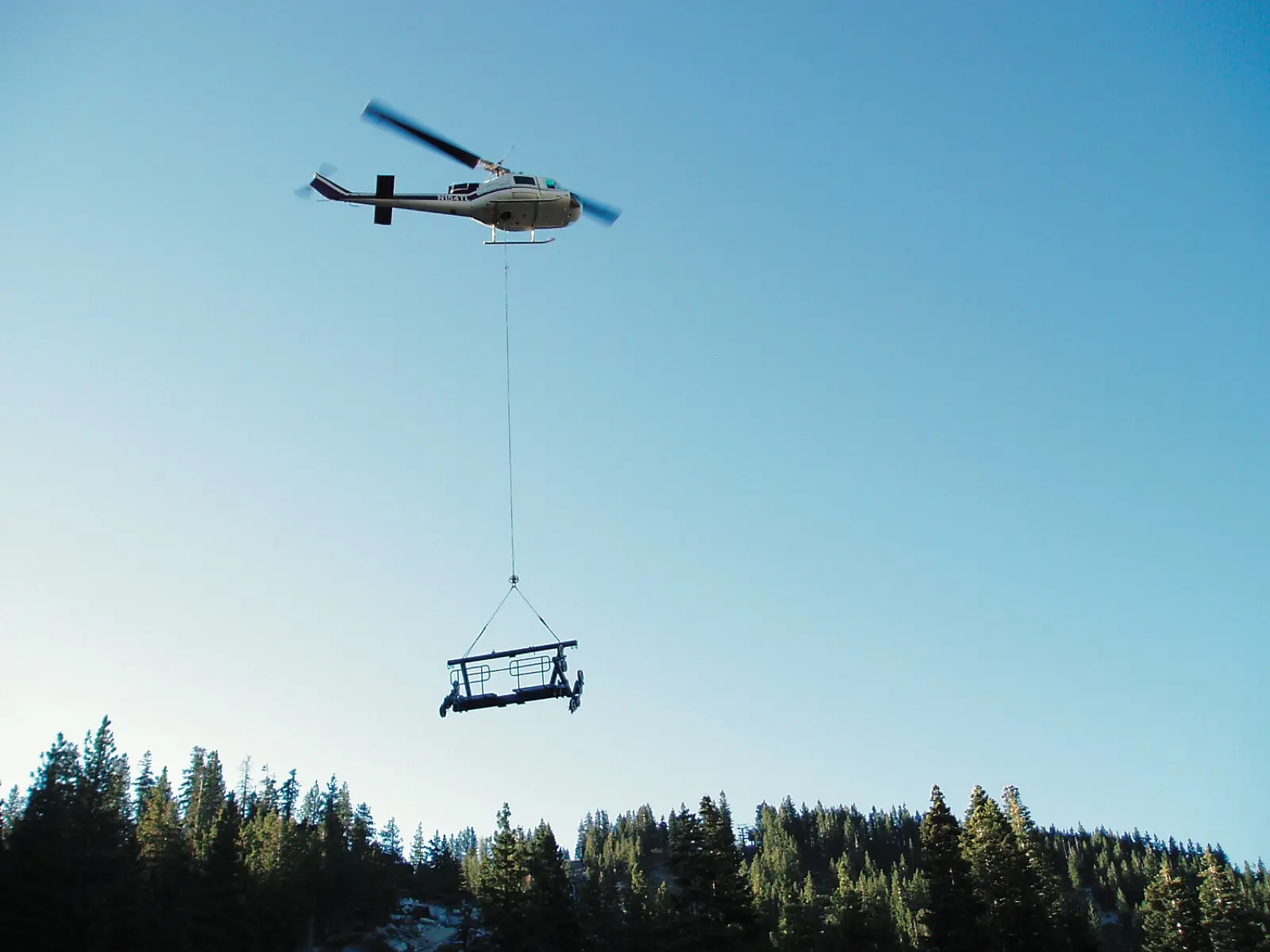
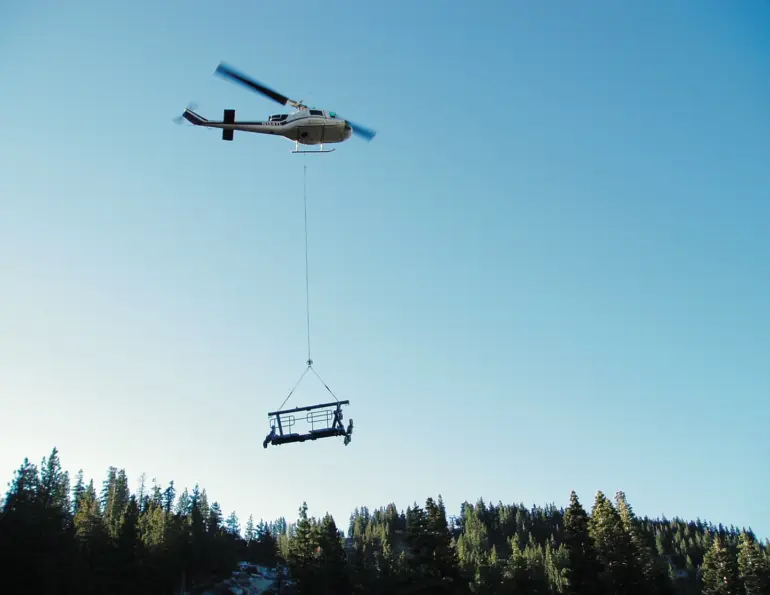
Removal of the old lift (much of it purchased by Mont Saint Sauveur in Quebec) began last July. Only the towers and chairs of the old lift are being reused at Diamond Peak; two of the towers were modified on-site. The area also added a new tower, to provide the proper angle of entry to the new top terminal. The Express also has new crossarms, to handle the larger-diameter cable of the express lift. The top and bottom terminals were replaced as well.
In August, a helicopter was used to remove some of the large components of the old Crystal Quad, including the cross arms. “Like a lot of mountains here, there’s not much in the way of vehicle access to the top of the mountain, so we did a lot of work by helicopter,” says general manager Ed Youmans. The construction crew also hauled a 60-ton crane to the summit to install the top terminal. Once the crane had excavated the footing, the crew spent a full day of heli runs to fill it with 27 yards of concrete. “We kept six or seven cement mixers very busy,” Youmans says. “We were glad to have that crane off the hill before the season began,” he adds—just a few days before the season’s first big snow.
Mountain operations manager Mike Bandelin had developed the upper mountain and worked on installation of the original Crystal quad in 1987. “It’s cool to be here for the removal of the lift,” says Bandelin. “To see its whole life cycle is pretty exciting.” Bandelin has been with the resort for 20 years.
Magic Mountain, Vermont
One million dollars in financing allowed Magic Mountain to pursue a series of improvements last summer. “We are bringing this mountain back to life, back to the way it was before,” says general manager Gary Aichholz. The area, which was closed in 1989 and reopened in 1997, has had its ups and downs since then, including three ownership changes.
Much of the work last summer went into refurbishing the mountain’s stormwater system. A major rainstorm last summer filled the silt pond “to the hilt,” says Aichholz. So the area dredged it, along with the snowmaking pond, and hauled the dredged muck back up onto the hill, where the area seeded and mulched it to restore the terrain. The dredging also restored the snowmaking pond, increasing its storage capacity by four million gallons. The area added new snow guns and can now make snow on 90 percent of its trails.
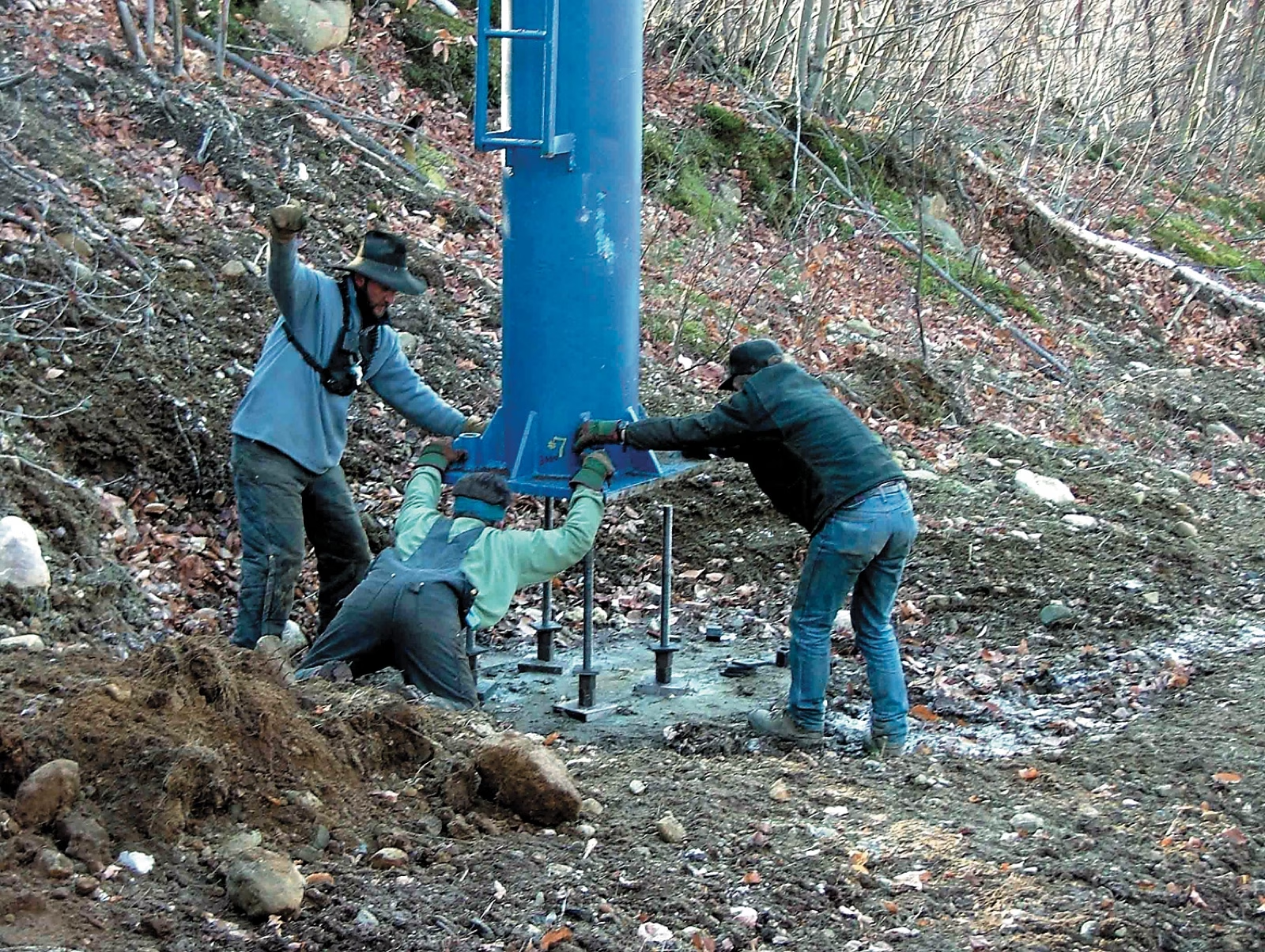
The area also began renovation work on two chairs. It overhauled the Black chair, a 1961 Yan triple, replacing the sheaves and cable and the DC motor. It will get a new DC drive this summer. The area completed most of the installation work on another chairlift that is rising on the foundations of a defunct chair. This aptly-called Phoenix lift, a Poma double, began its life at nearby Stratton Mountain. A few years ago Stratton sold the lift to Spicy Run in Ohio. When that area went out of business, Magic’s current owners brought it back to Vermont. Magic has reused the towers and foundations from the old lift, but has raised all the towers for the new installation. The crew also installed new anchor bolts for the towers and poured a new top terminal. “It was an interesting process to put in the new bolts,” says Aichholz. “We had to drill holes into the old cement, which was tough with the old rebar in there.” The lift will also have a new cable. It’s a bottom drive, bottom tension setup. The Phoenix will serve beginner and intermediate terrain that has been dormant.
Aside from completing the Phoenix, the area plans to construct a new beginner’s chair during the summer of 2004.
Boyne Mountain, Michigan
Last August, Boyne USA Resorts resumed construction of the Mountain Grand Lodge at Boyne Mountain. The four-star, $50 million condominium-hotel will anchor the renaissance of Boyne’s Austrian/Swiss architecturally-themed base area.
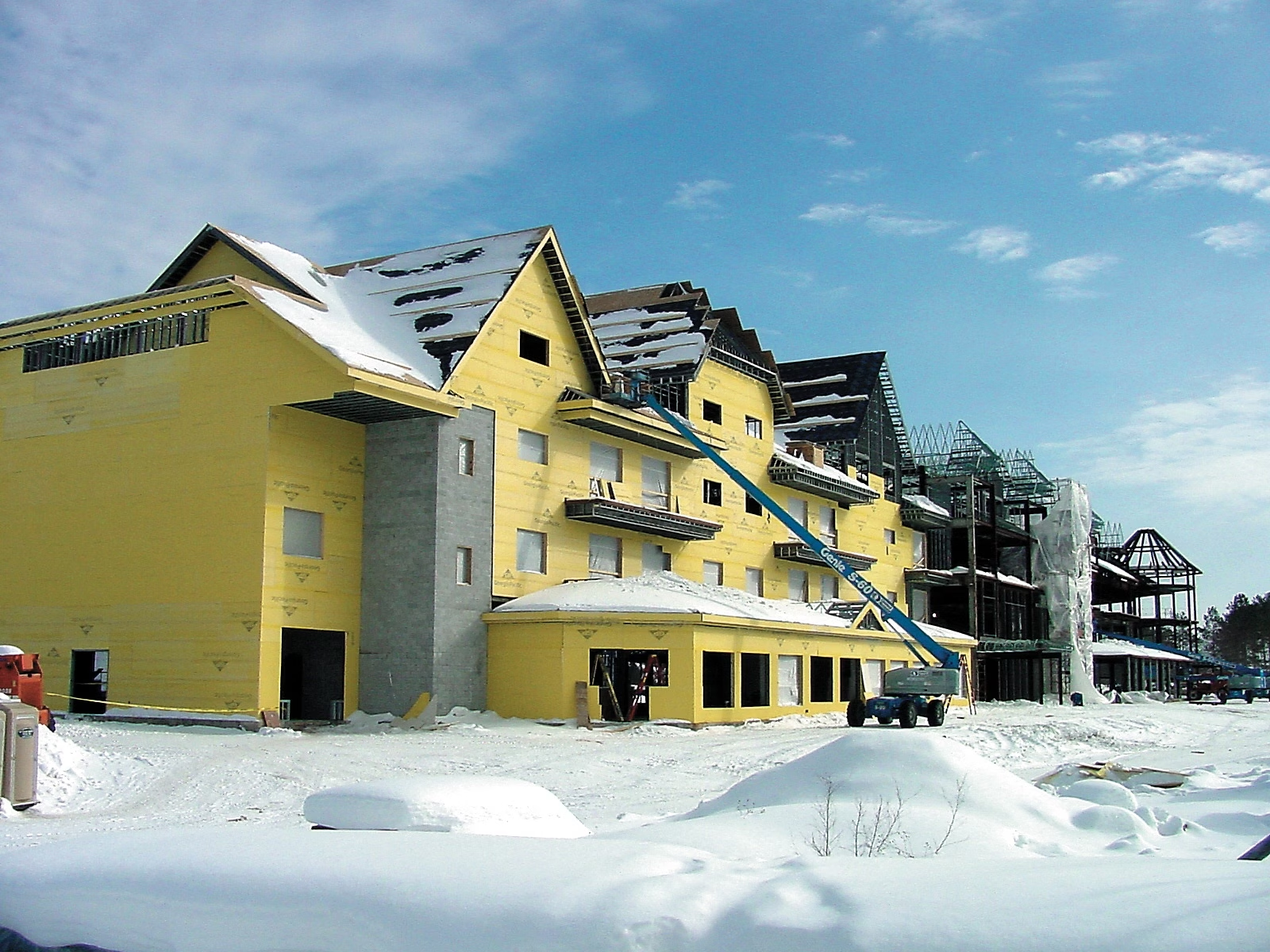
The condo-hotel will have 160 suites of one, two and three bedrooms, most including fireplaces, kitchenettes and whirlpools and offers ski-in/ski-out convenience. It will include an 18,000-square-foot spa and state-of-the-art fitness facilities, plus an indoor/outdoor pool and hot tub. Guests will also have convenient access to an innovative indoor waterpark, which will be structurally connected to the property’s north end. Various dining venues and lounges are planned for the property as well, along with a sizable and flexible meeting space. The Grand will have appropriately castle-like cladding of stone, stucco and wood. Completion is scheduled for winter 2004/2005.
More than 82 percent of Mountain Grand suites are pre-sold, with greater than $33 million in purchase agreements. The few remaining units were introduced for sale to the public in January 2004. Both whole and quarter ownership opportunities were available to interested buyers, starting at $199,000 and $129,900 respectively.

Beyond the Grand, two other adjacent condominium projects are underway, totaling an additional $54 million in development at the base of Boyne.
“My father began development of a themed village in the late 1960s here at Boyne Mountain, and this is the completion of that vision,” says Stephen Kircher, president of Boyne’s Eastern operations.
Ski Bromont, Quebec
Ski Bromont has invested $16 million over the past five years. This past summer and fall season, $5 million went into its slopes. Much of the money and effort were invested in Versant du Lac, a new section of the resort. With the addition of 13 trails in the past two years, Bromont now has 202 skiable acres—an increase of more than 25 percent. A new Doppelmayr CTEC high-speed quad, 3,735 feet long and with a vertical of 988 feet, serves the newest terrain. The top drive, bottom tension setup has a 500hp DC motor and drive and the Uni-G terminal construction. Capacity is 2,400 pph. In addition to the new trails, Bromont has added 65 new snow guns to its system, bringing its total to 400. This provides the most powerful snowmaking capability in Quebec, according to the resort.
Panorama, British Columbia
Two new, state-of-the-art Doppelmayr CTEC quad chairlifts replaced a double chair and two t-bars in a C$7 million investment last year. The new detachable Champagne Express replaces the Horizon double chair and the Champagne t-bar, while the fixed-grip Summit Quad replaced the Summit t-bar. The Champagne Express moves 1,800 skiers and snowboarders per hour over 6,435 feet and 2,100 vertical with an express ride time of just over six minutes, nearly three times as fast as the old lifts. It’s a top drive, bottom tension setup with 900hp DC motor and drive.
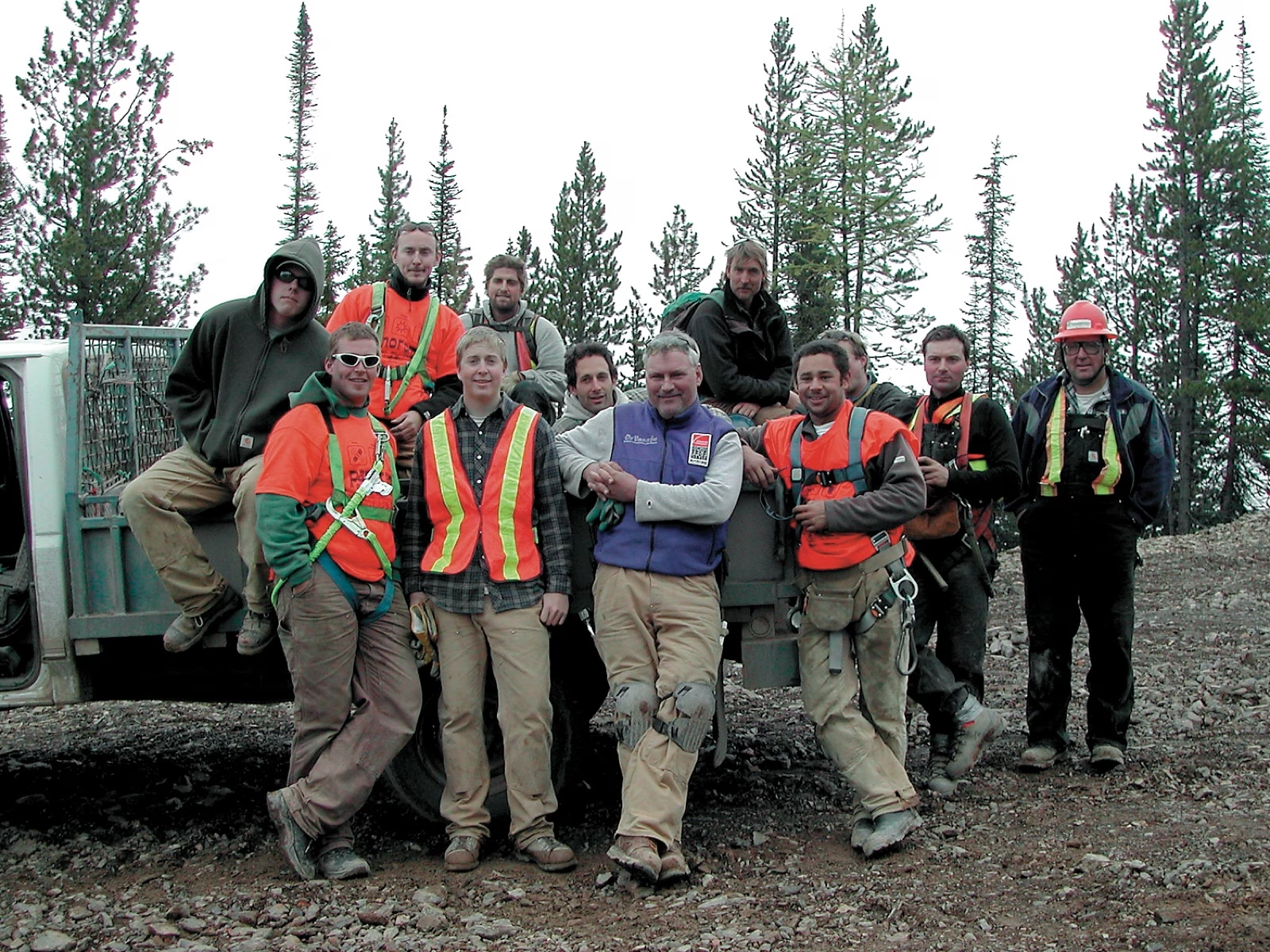
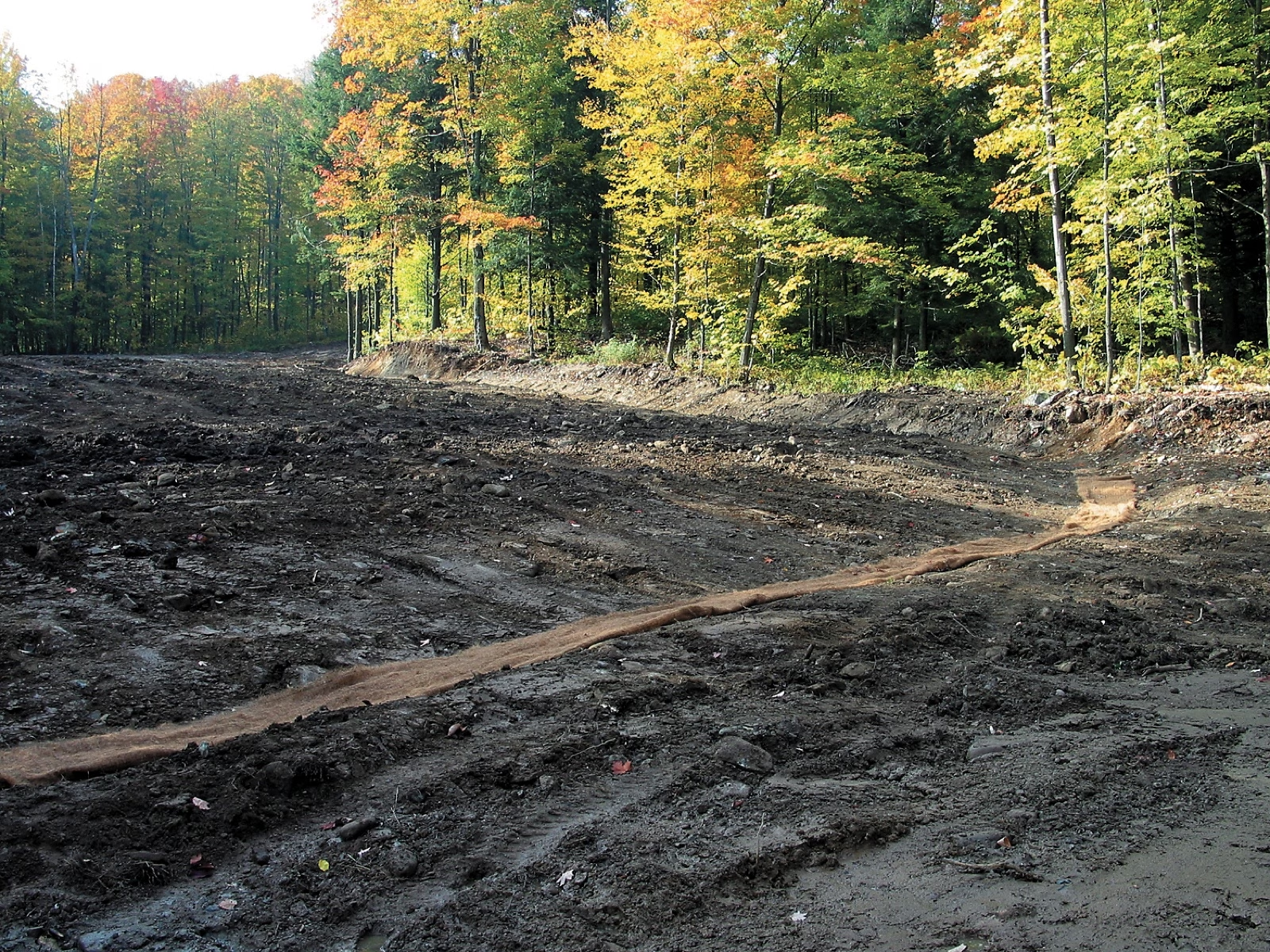
The area began removing the old lifts as soon as conditions permitted last May. The installation reused many of the tower foundations from the old double, with all-new towers themselves. The area was able to use cement trucks instead of a helicopter to pour the top and bottom terminals and some of the new tower foundations, with savings in money and anxiety. Some of each were expended in installing high-voltage cable to the new lifts.
The Summit Quad, nearly 3,000 feet long and with more than a 900 vertical foot rise, moves 1,200 riders to the summit in just over six minutes. It’s a bottom-drive, bottom tension DC installation with 150hp. The lift provides faster access to some of Panorama’s newest terrain for expert skiers and riders. To get concrete to the summit, the area constructed a work road that now doubles as an easier way for skiers and riders to get down the black-diamond terrain.
The area also installed a booster pump house and new pipe to the snowmaking system to add coverage on the runs adjacent to the new quads, providing 3,500 vertical feet of covered terrain.