

Load testing of aerial lifts has been performed for many years and the procedures are fairly well established. Still accidents or “near misses” occur frequently when load-testing tramways and lifts. Such occurrences dramatize the potential danger of this most-essential operation, and the necessity for rigid adherence to basic requirements and proper procedures for testing. The accidents occur when established prerequisites and procedures are disregarded, when testing is done prematurely to accommodate scheduling, and when inexperienced or careless personnel either direct or participate in testing.
In the near future, lift designers, who are most familiar with the equipment and the facilities, may be required to submit for approval lift test procedures along with design drawings and specifications. Administrative authorities will establish prerequisites to testing as well as minimum test requirements. Typical of such requirements is the U.S. Forest Service Technical Report ETR-7300-2, “Guide to Post Construction Inspection and Load Testing of Aerial Passenger Tramways and Ski Lifts.” Some codes and safety orders establish minimum requirements as is the case of the current ANSI B77.1 Standard, Section 2.1.14.1.
Getting Ready for Load Tests
For the ski area operator, the increase in load-test requirements by both state and federal authorities, makes it imperative that test requirements and procedures be agreed upon prior to actual load testing. A coordinated test program should involve the lift design engineer, the engineer or others responsible for construction, insurance interests, and others, associated with the lift facility or its operation. The area owner or operator, who is responsible for initiating and coordinating the load test, should notify all interested parties, verify readiness, for the test, fulfill all prerequisites, and make available testing materials and personnel.
Administrative people from state and federal bodies should have requirements and procedures well established and available to area owners and manufacturers of aerial tramway equipment. Their procedures for coordination with outside interests and with their internal subdivisions should be clearly established, and they should designate one individual responsible for observing and reporting the test procedure.
Some administrative authorities, particularly the Forest Service, have been criticized for having an excessive number of representatives present during load tests. The opportunity for gaining knowledge of a facility and to indoctrinate new personnel is recognized, but it should be used advisedly and the presence of the public and others not directly involved in testing should be discouraged.
The preparation and circulation of inspection and load test reports is essential basic data for the future inspection and administration of aerial tramway facilities. Use of previously-prepared forms to record test results and equipment data assures thorough accumulation of information.
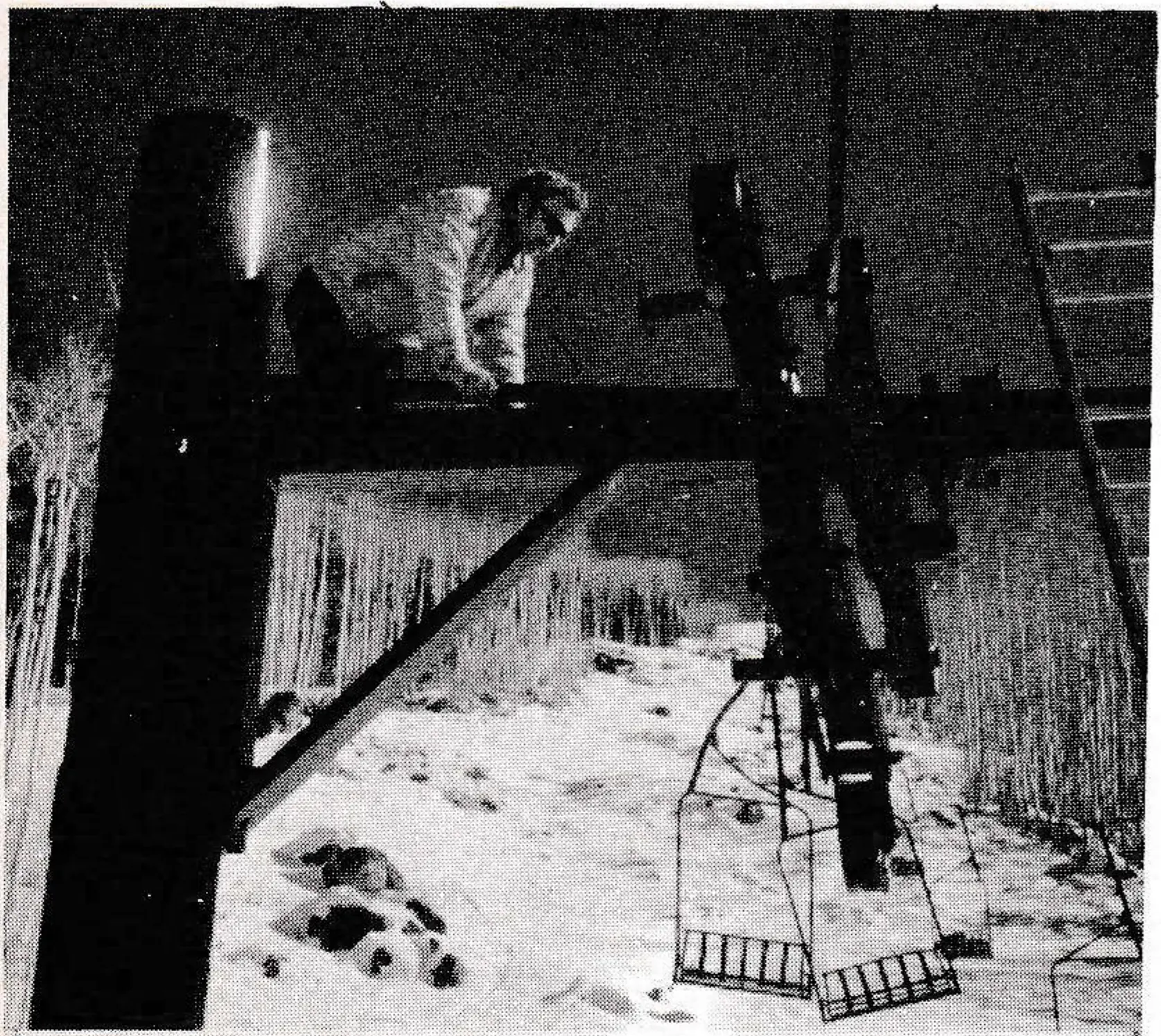
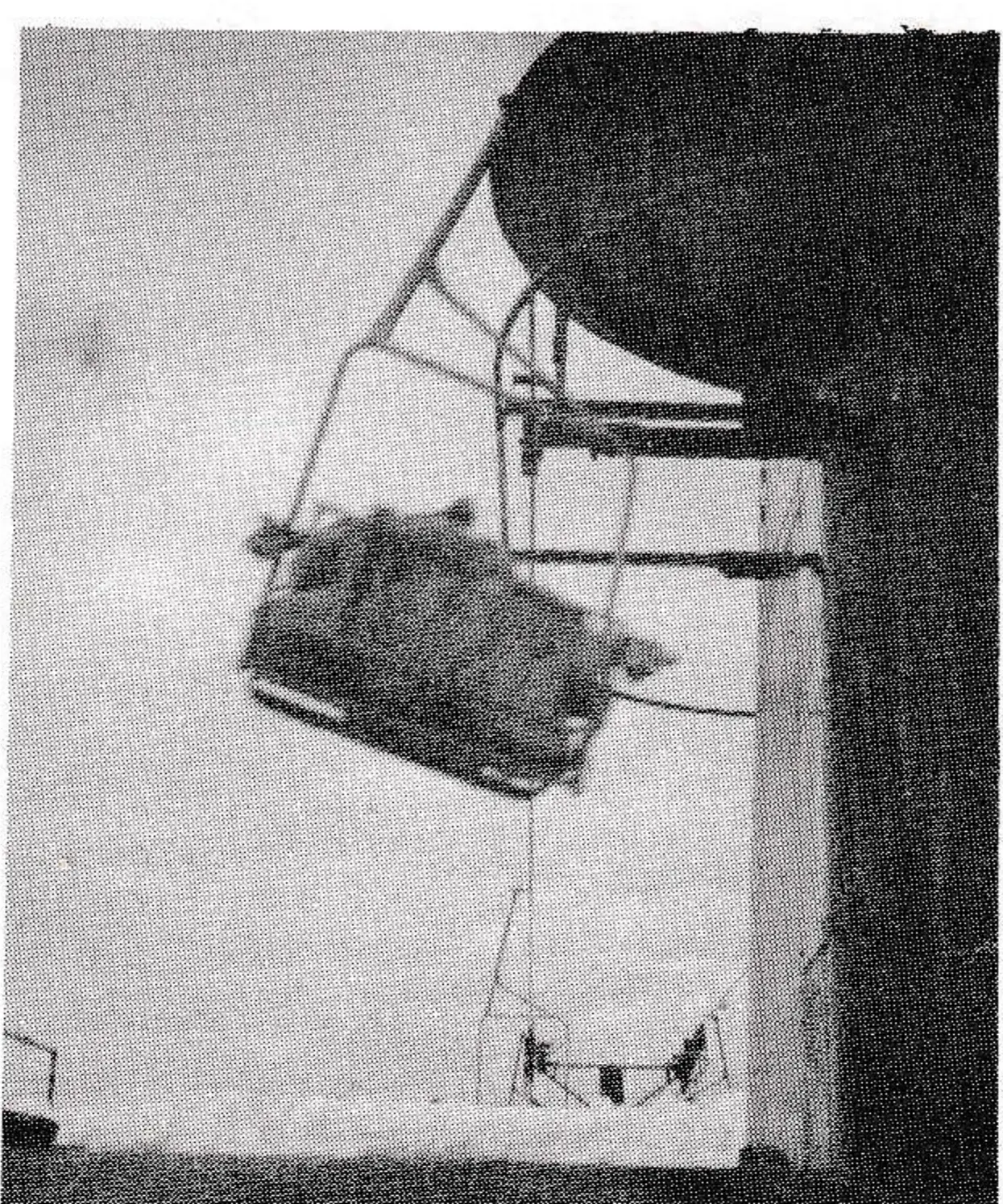
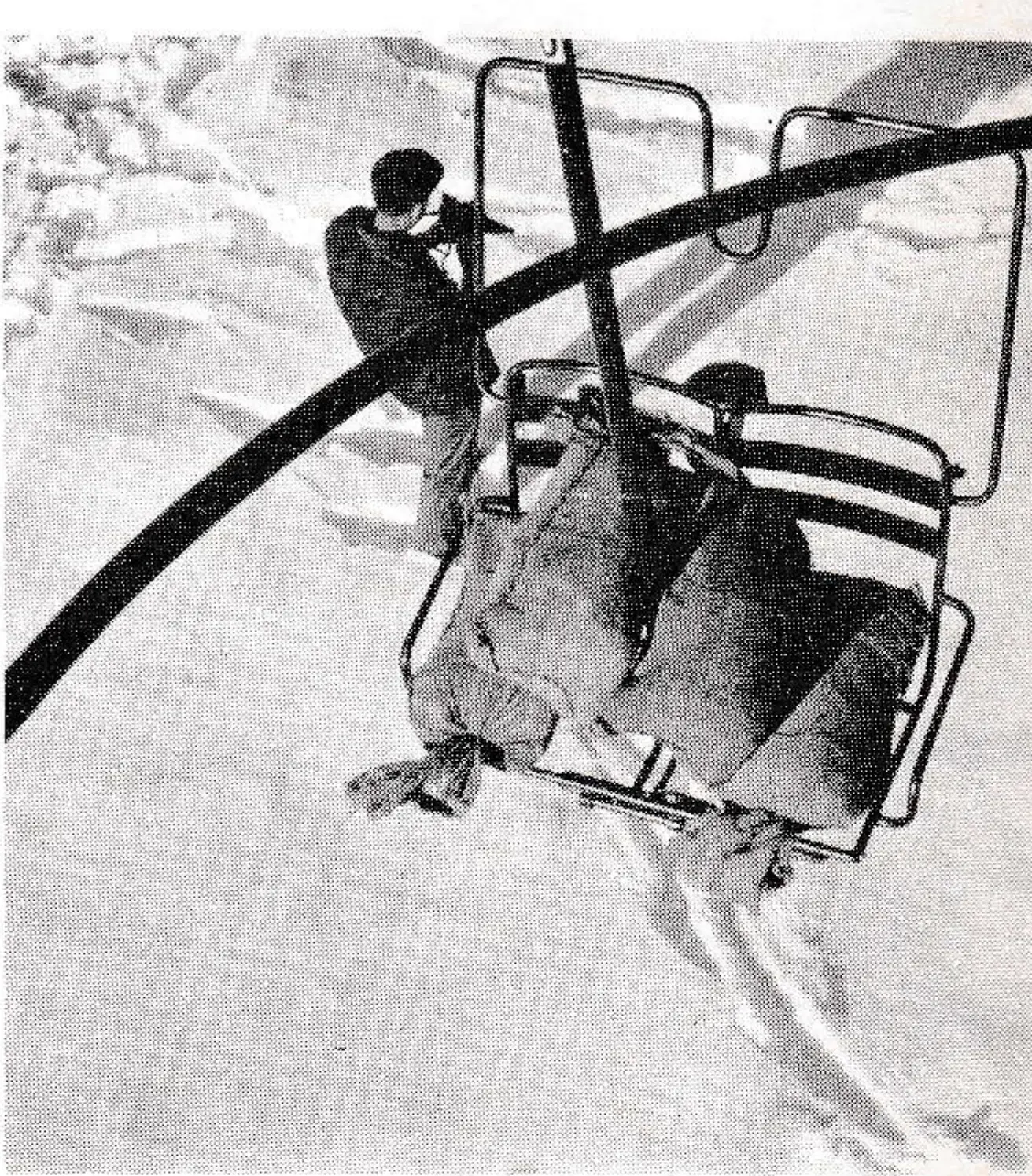
Load tests may be combined with a post-construction inspection, and this may constitute an acceptance test, an initial operational test, and other tests. The ANSI B77.1 Standard, Sections 2.1.14 and 2.1.14.1 gives minimum requirements for both the inspections and load test.
The problem of coordinating representation from the many interests in a load test on a particular date is considerable: an owner must meet opening date commitments, a contractor or supplier must meet construction payrolls, and administrative authorities are dealing with other deadline commitments. Because advanced planning is necessary, the coordination of load test arrangements should begin when it is apparent that the lift’s readiness is absolutely assured.
Prerequisites of Load Testing
Often load tests on aerial tramway and lift facilities are performed before the unit is ready for testing. Depending upon the lack of preparedness, a continuation of this practice could lead to structural and mechanical damage to aerial tramway equipment and, more important, to the injury or death of personnel involved in testing.

The following are the basic prerequisites to load testing:
- A statement from the design engineer that the facility is ready for load test, that he has furnished or agreed upon a load test procedure, and that he will be present or have a designated representative at the load test.
- A statement from the engineer responsible for construction that all work has been completed in accord with previously submitted and approved design drawings and specifications, and that the unit is ready for load testing and eventual public operation. Allowance may be made for final machinery and control adjustments dependent upon the application of loads to the line.
- A statement from the area owner that he has notified all parties concerned of the test; that he has readied all materials, tools, and equipment required for the test; and that the operating personnel on duty are thoroughly familiar with normal and emergency operation of the facility involved.
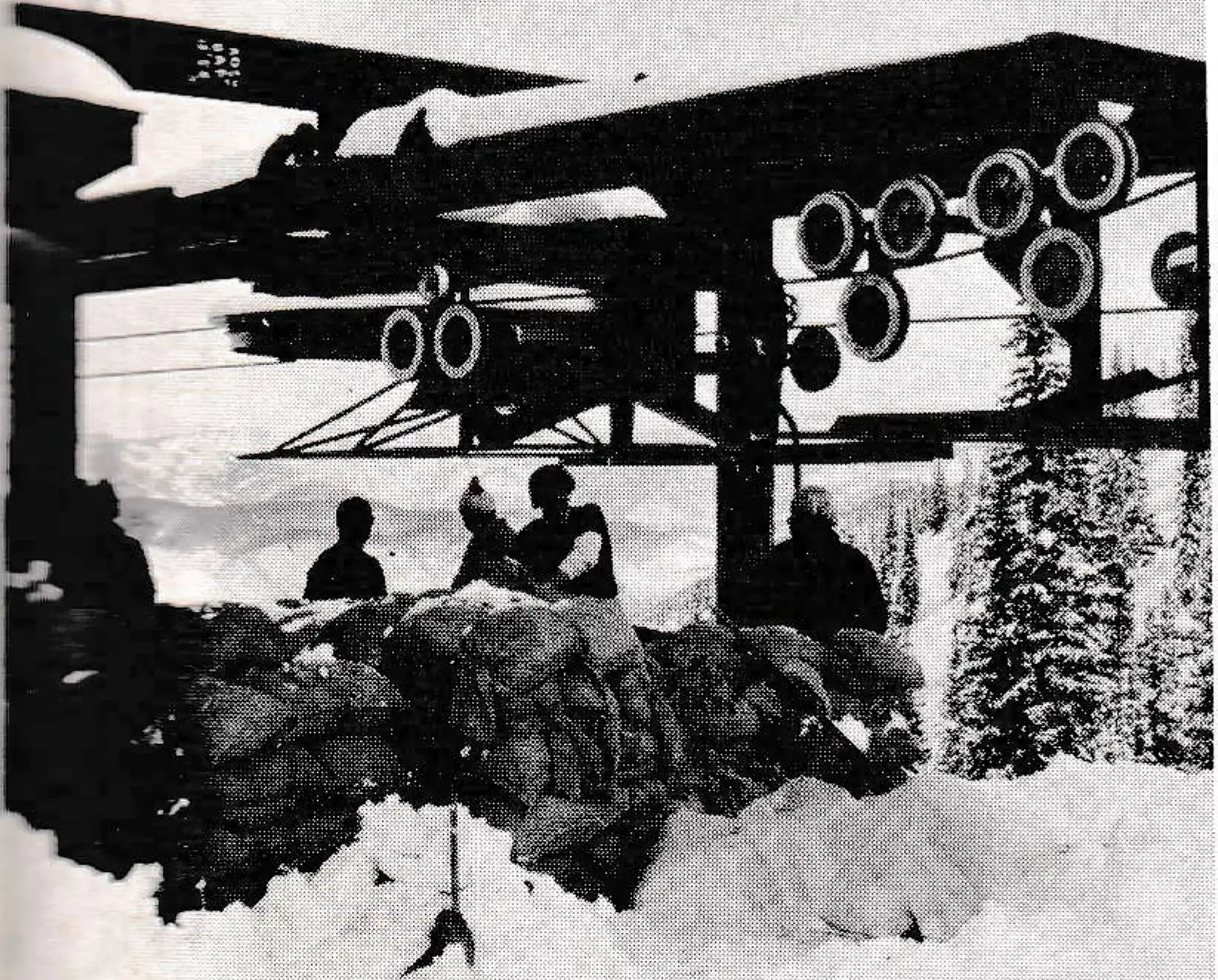
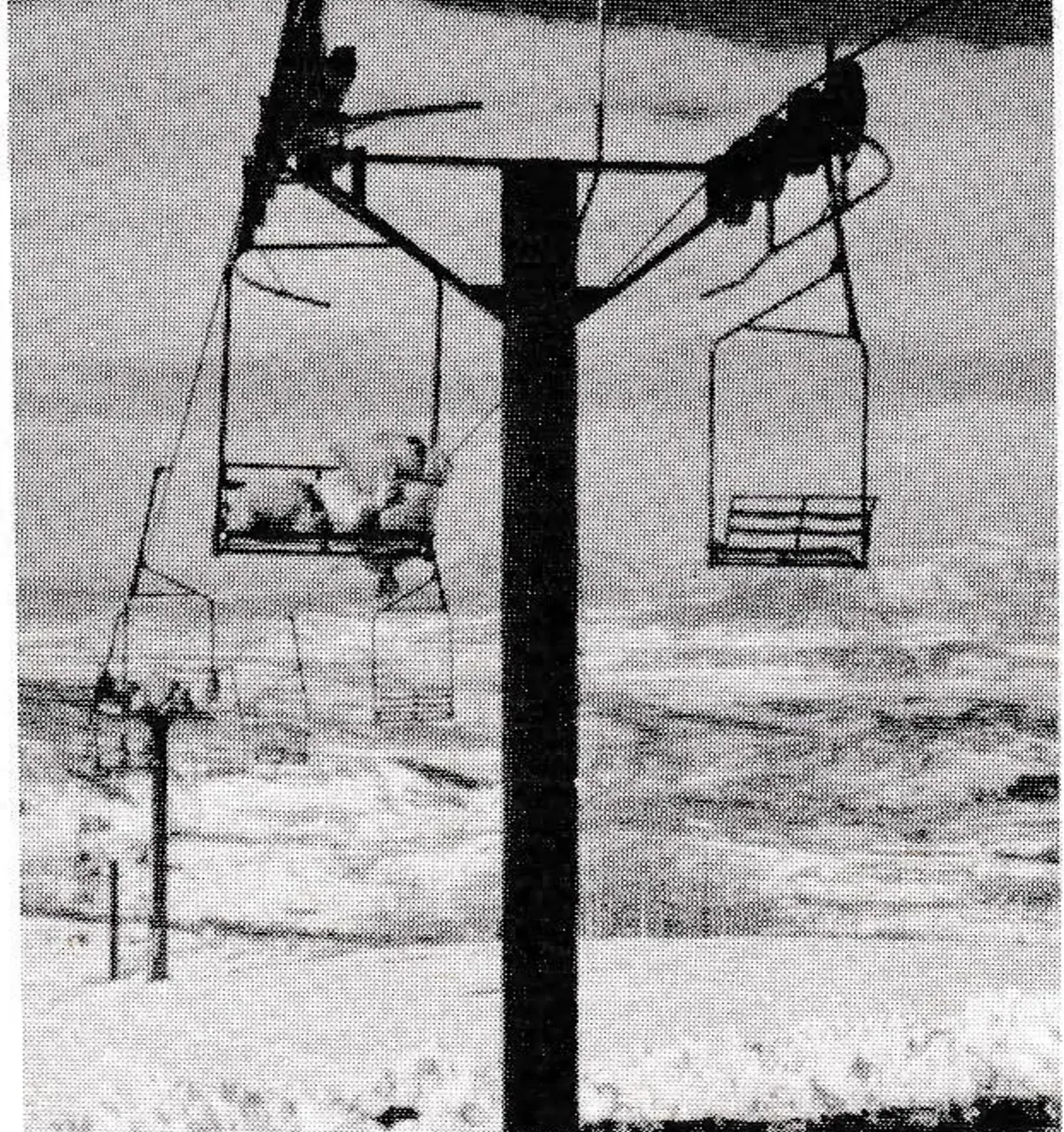
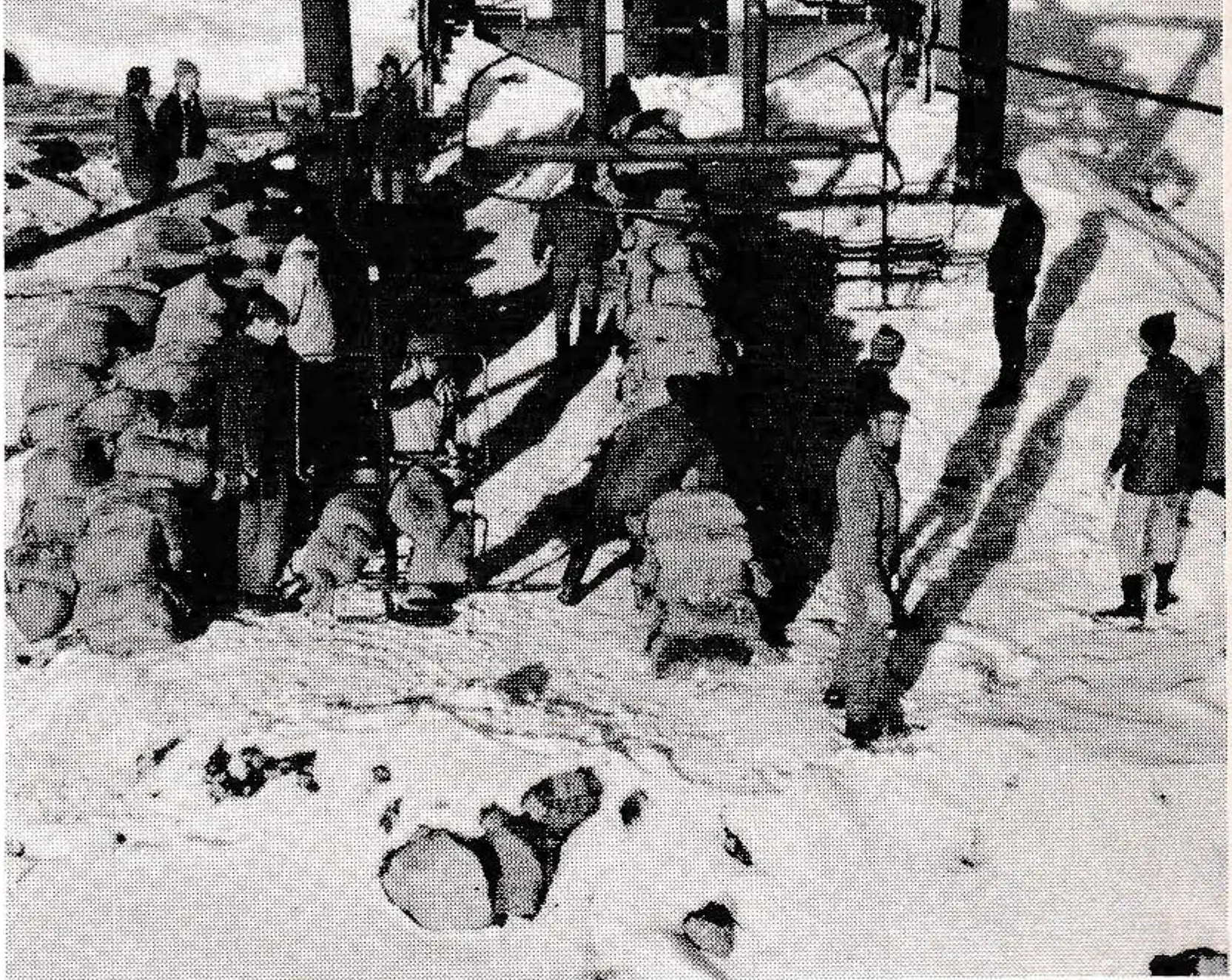
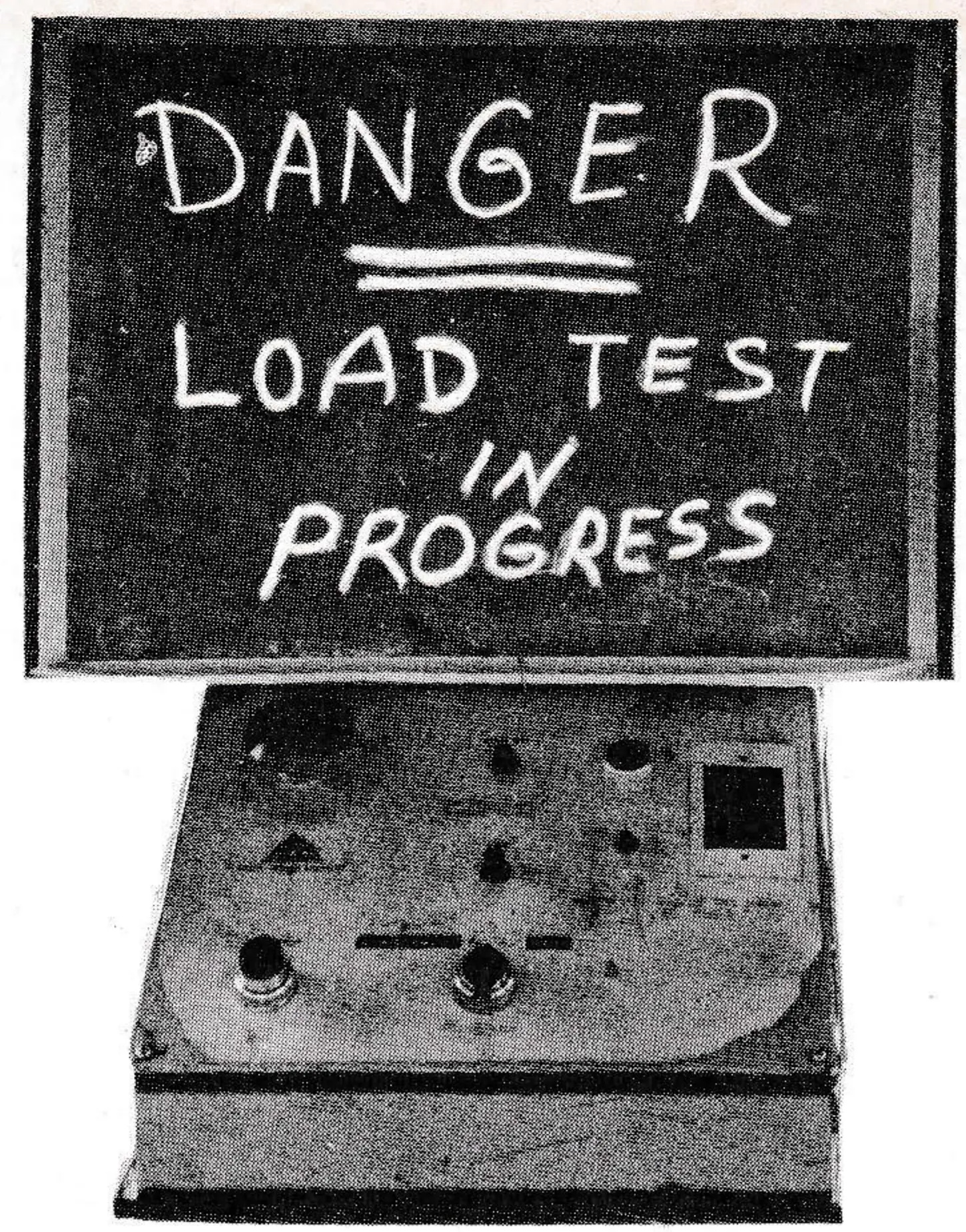
Fulfilling these basic prerequisites to load testing involves a myriad of detail for an area owner. He needs to assure the proper preparation and placement of load test weights, personnel, and vehicles; as well as follow up on details such as signing, posting of instructions, housing, machinery guards, and safety devices. Because preliminary operational requirements and machinery adjustment periods must precede the load test, arrangements between designers and authorities may permit the loads used in this adjustment period to remain in place for the formal load test.
Dangers in Load Testing
An element of danger is introduced in load test procedures by the deliberate disengagement of brakes, backstops, and other devices to isolate a single unit for testing. The procedure should be directed by a single party responsible for performing the test, and he should be a representative of the designer or owner. Partial loading or other checking should precede full load test of brakes and backstops. The inadvertent or deliberate activation of backstop systems when a lift has developed appreciable momentum in a reverse direction is extremely dangerous.
Speed is a critical consideration in load testing, and since speed in a reverse direction is foreign to the design of the lift, it must be used with extreme care in testing brake systems. An accurate method or device must be used for measuring or determining speed. Procedures involving speeds above the normal design in order to check overspeed devices must be used with caution and must be accurately monitored.
Communications and safety devices are essential to the load test procedure and must be fully operational at all times during the test. Under some conditions, visual communication must supplement audible communications to assure the functioning of emergency equipment or measures.
Improperly aligned line sheave assemblies, terminal guide sheaves, and other wire rope guidance systems can be a source of trouble and potential hazard in load testing. The surging of cables under acceleration and braking tests, the reverse direction of rotation for test purposes, and the application of test loads in excess of normal design all contribute to the likelihood of cable deropement. The consequences of deropement, particularly when undetected by inoperative or improperly placed deropement detection devices, can be disasterous to structural and mechanical lift components.
Load testing is a critical period and demands acceptable working conditions. Surveillance of the entire line as well as the terminal areas is essential and load testing should not be conducted when visibility is impared by severe weather conditions or darkness.