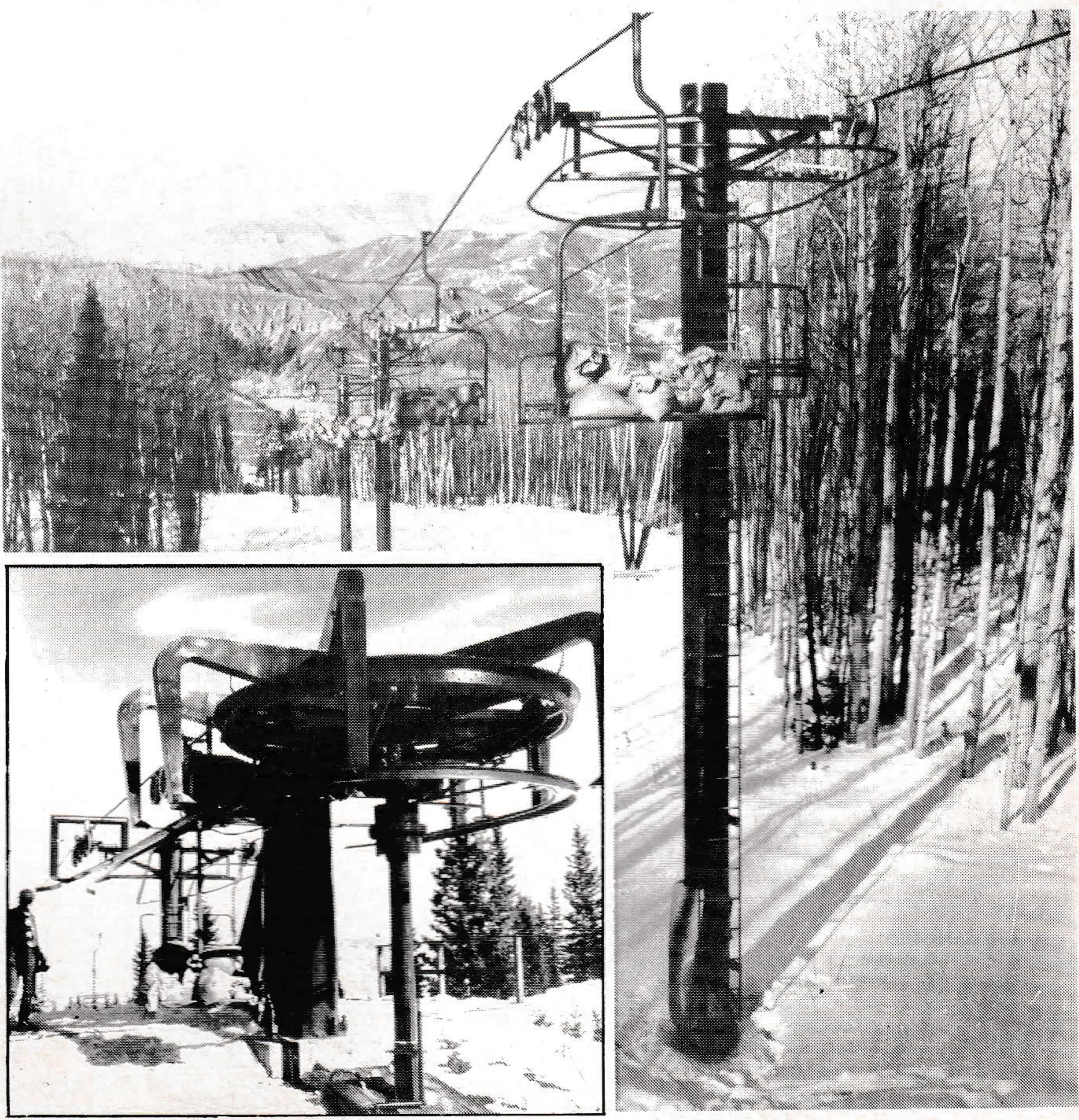


The Ski Area Management Winter 1975 issue contained a frequently-referenced article on post-construction load testing of aerial lift facilities. It enumerated prerequisites of load testing, preparations for testing, test procedures, and dangers associated with improper test conditions and practices. Generally, these steps for load testing of aerial tramway and lift facilities have gone well and the test results have been properly documented and used.
Occasionally, however, a second look is in order, because complacency can develop with the routine procedures involved. Interest has waned as apprehensiveness associated with the unique experience of early tests has passed. The importance of the test and its relevance to all parties concerned are overlooked. Sadly, on occasion, the tests are regarded as merely a nuisance requirement of authorities having jurisdiction and insurance interests that must be met.
A second look should reaffirm the importance of a well-conducted and well-documented post-construction inspection and load test of new, relocated, or remodeled facilities. The owner of the new facility has his money on the line. He must be satisfied that the designer, manufacturer, component supplier, and constructor have provided that for which he contracted; and he must be assured that sufficient documentation exists to serve his interests throughout the life of the facility.
Furthermore, each test is important to a conscientious and responsible designer, manufacturer, and component supplier. Regardless of the numbers of facilities previously furnished, each unit is unique and deserves undivided attention. Tests are essential for insurance interests and knowledgeable insurers recognize their importance and insist they be conducted responsibly.
Post-construction inspection and load testing are also imperative for state and federal authorities having jurisdiction. They are basic to recognizing adequacy of the facility for initial operation, and the basic lift data and test results established at this time are fundamental to the re-inspections that will continue throughout the life of the facility.
There will be a concerted effort by most states, by federal authorities, and by other interests to be certain load test programs are continued unabated. Established prerequisites for load testing, test procedures, and practices, and test record keeping will be more rigidly adhered to and, if necessary, enforced. The requirement of the current national safety standard that the designer or manufacturer propose and submit a load test procedure is welcome. Most states and federal agencies have established prerequisites and procedures to supplement those of the national standard. They should be reviewed well in advance of load testing in anticipation of rigid adherence by all interests at the time of testing.
The commendable cooperative spirit and effort which has existed between owners, manufacturers, authorities having jurisdiction, and allied interests should continue. The rare instance where this cooperative effort involves short-cutting well-founded prerequisites and practices should be viewed with alarm. We must preclude the testing of facilities not fully completed. We must be certain testing is conducted at times and under conditions conducive to performing that task — never at night or under conditions more severe than those associated with normal public operation. Premature testing to facilitate a single individual or interest and, thus, incurring the added likelihood of damage to a facility and injury or death to testing personnel is unwarranted and unconscionable.