


How serious is the solid waste crisis? Dr. Allen Hershkowitz, senior staff scientist at the Natural Defense Council, said: “In light of the fact that 22 percent of the superfund hazardous waste sites (those designated by the Environmental Protection Agency for cleaning up) are municipal solid waste landfills, in light of the fact that 80 percent of all landfill space has been depleted in the last 10 years, in light of the fact that one-half of all remaining landfills will close in the next five years and, in light of the fact that there is great concern about municipal incineration of waste, [this is] a dire situation.”
Hershkowitz, who is compiling information about solid waste for the American Ski Federation, said, “It is impossible to make a blanket statement about whether the ski industry is addressing the solid waste issue. It’s a haphazard activity. Some areas are doing better than others.”
According to Hershkowitz, ski areas that are effectively addressing the solid waste issue have adopted policies such as recycling and not using throwaway tableware. In addition, he strongly advocates practices such as composting, buying non-bleached paper and not using polystyrene and polystyrene foam.
“Polystyrene should be banned, both the foamed and non-foamed type,” said Hershkowitz. “First of all, (H)CFC-22, which is often used to manufacture polystyrene foam, destroys the ozone layer. Secondly, the tremendous amount of hazardous waste generated by the manufacture of plastics is having a disastrous effect on the environment. In a 1986 Environmental Protection Agency ranking of the 20 chemicals whose production generated the most total hazardous waste, polystyrene was fifth.
“All food, newspaper, clothing — anything made of cellulose — can be composted,” he said. “This is one of the advantages of paper products over plastics. Plastics cannot be composted. Furthermore, bleached paper, as well as plastics, contain chlorine, which is a precursor to dioxin and a contributor to acid rain.”
Hershkowitz dismissed the notion that implementing waste management policies costs more. “By reducing the amount of waste and toxins that are disposed, by decreasing the amount of pollutants that are used to produce tableware, you are lowering your long-term costs,” he said.
A number of ski areas have taken measures to control trash problems and reduce pollutants. Here is a sampling of what is being done:
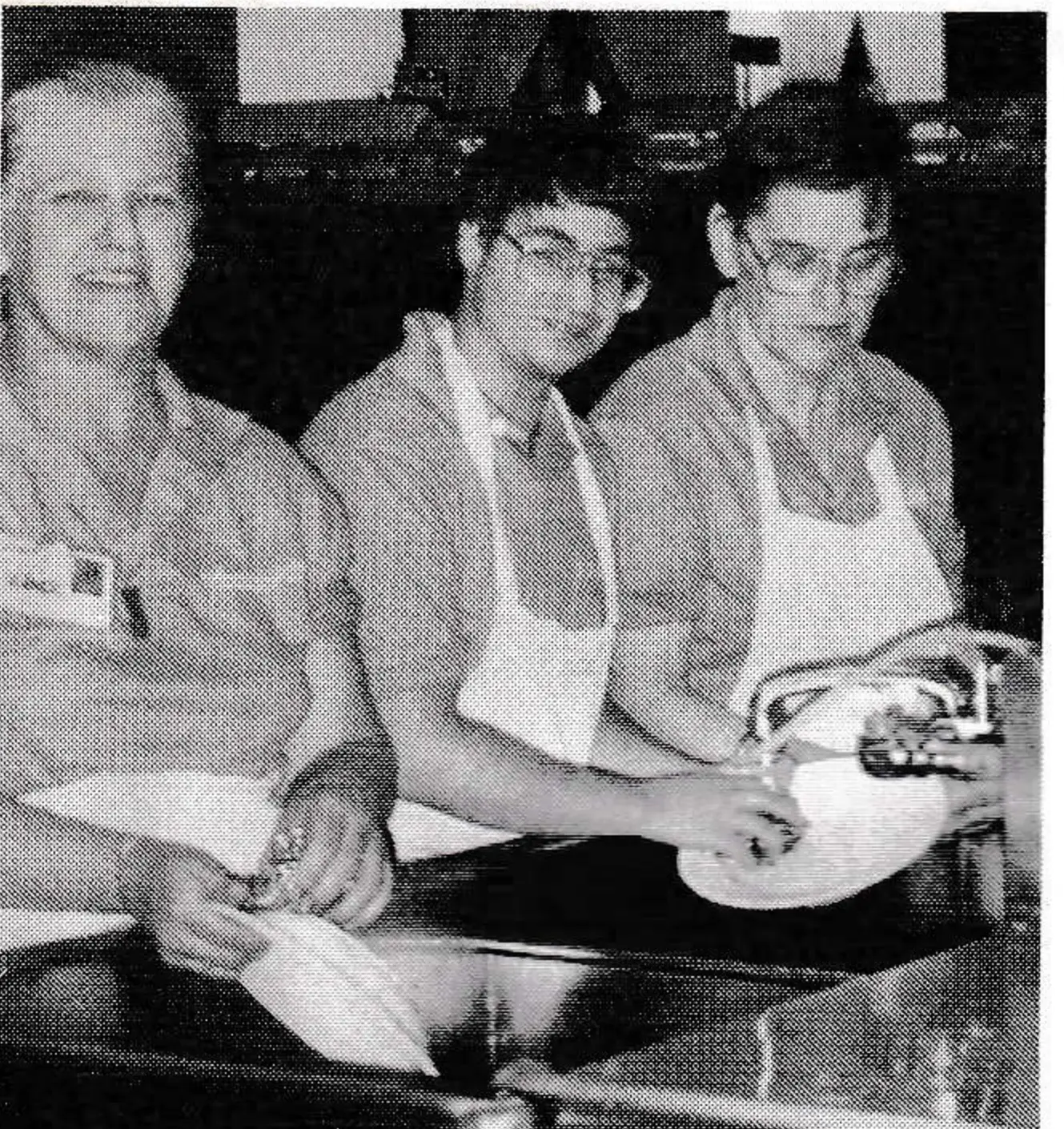
At Hunter Mountain in New York, the waste stream is being reduced by serving most of the cafeteria food on glass plates and using metal silverware. Area personnel also separate newspaper, cardboard, glass, soda cans and other items for recycling. The area returns milk and bread crates to vendors, reuses oil and has installed water-saving units on the toilets that have decreased water usage from 20 to 2 quarts per flush.
Orville Slutzky, general manager of Hunter, instituted these procedures. “If we generate too much solid waste,” he said, “the cost of handling it will far exceed returns and if the cost is out of line, it will be prohibitive to operate at a profit — and that is when we will have to turn the key.”
Another area that has a progressive environmental program is Mt. Snow, Vt. Polystyrene products have been banned for two years, with paper products being used for food service. In addition, the area has installed low-flow toilets to conserve water.
John Muhall, Mt. Snow’s recycling coordinator, said crates and cardboard boxes are returned to vendors and scrap iron is picked up for recycling. To help customers participate in recycling, Muhall has garbage cans for paper, bottles and tin cans, and next season he plans to have skiers separate paper products and plastics. But he admits problems exist with this system. “Plastics are the most troublesome to separate,” he said, “because they must be separated according to colors: green, brown and clear.” In addition, space must be provided for recyclables and storage facilities must be secured.
Another facet of Mt. Snow’s environmental program involves the prevention of fuel spills. In addition to replacing all fuel tanks in the last four years, the area has installed liners and pads under the snowmaking compressors to protect against spills. Spilled oil is funneled out and then burned in a waste oil burner, while used motor oil is burned in a small boiler that heats the maintenance building. Furthermore, instead of lubricating lifts with petroleum-based oil, crews use vegetable-based castor oil.
“We are making these changes because we realize the effects on the environment of not making them,” said Laurie Croot, communication coordinator for Mt. Snow. “It’s a choice you have to make. There is a cost to protecting and preserving the environment and businesses have to make that choice. Most ski area personnel consider themselves to be environmentalists. We are just as concerned about preserving nature as most people, so anything we can do along those lines such as recycling, we try to do.”
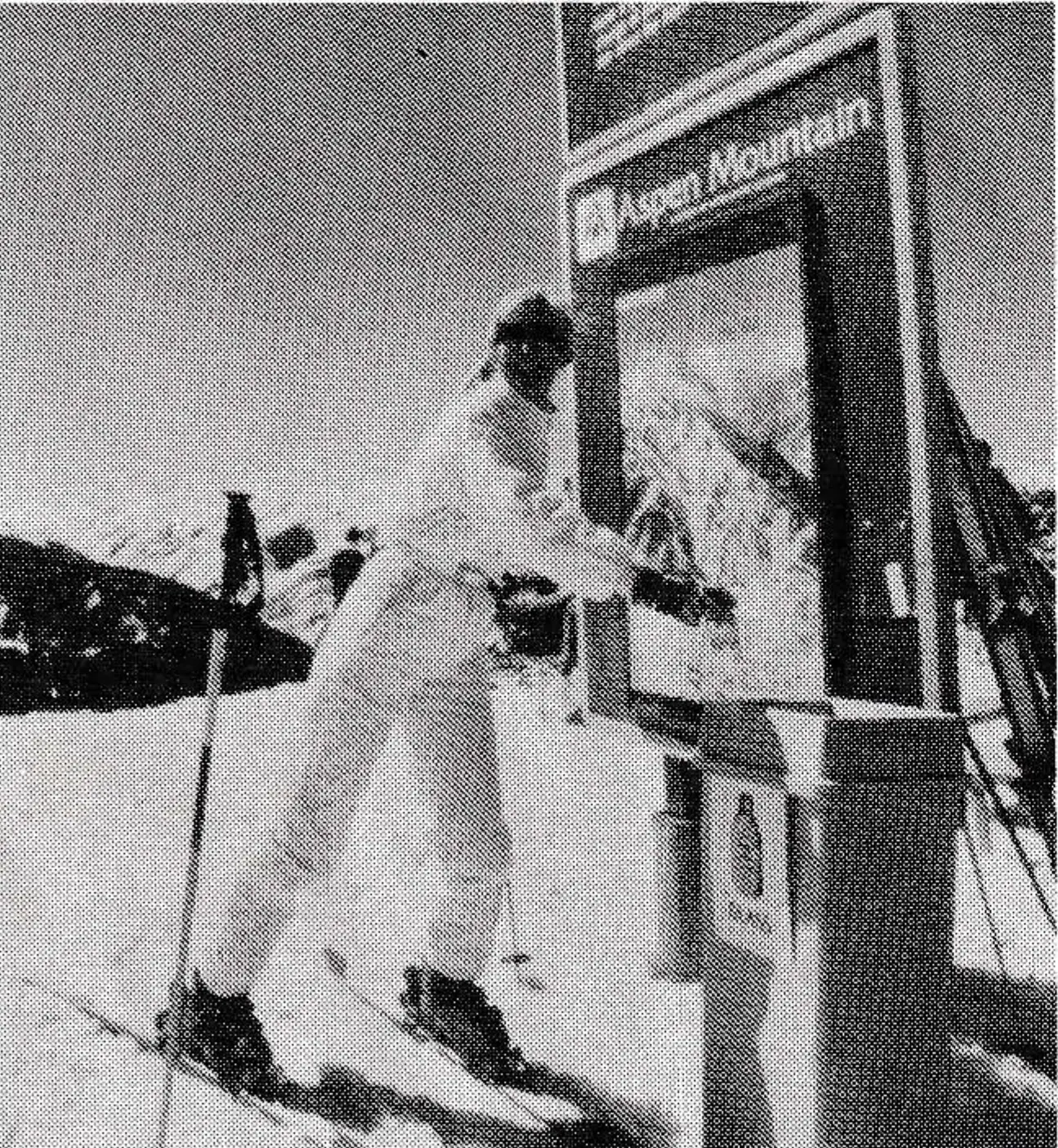
In the Rockies, the Aspen Skiing Company in Colorado has made some novel and sweeping changes that have permeated every facet of the area’s business. The Aspen Skiing Company owns and operates Aspen Mountain, Buttermilk Mountain and Snowmass Ski Area. Ten out of 11 of the on-mountain restaurants are leased, but the company owns and operates two hotels, The Little Nell and The Snowmass Club.

Recycling began two years ago when the Aspen Skiing Company banned polystyrene foam at the hotels and office buildings and asked the operators of the leased on-mountain restaurants to avoid purchasing tin and plastics, including polystyrene foam. Currently, all 11 restaurants have separate garbage cans with signs so customers can sort aluminum, glass and general waste, and next season the company is considering adding paper to the on-mountain recycling program. Glass, aluminum and paper are now separated and recycled in the hotels and office buildings.
“At first there was some skepticism about how many people would participate in the recycling,” said Terri Hart Roberts, director of public affairs for the Aspen Skiing Company. “Some of the staff thought that the customers were here to ski and have fun and not to worry about the environment, but they were wrong. We have experienced a high degree of participation. There definitely is a growing awareness of environmental concerns and this will continue to grow. Eventually everyone will come around, perhaps in five years. Each individual will have to decide on what level he or she will participate.”
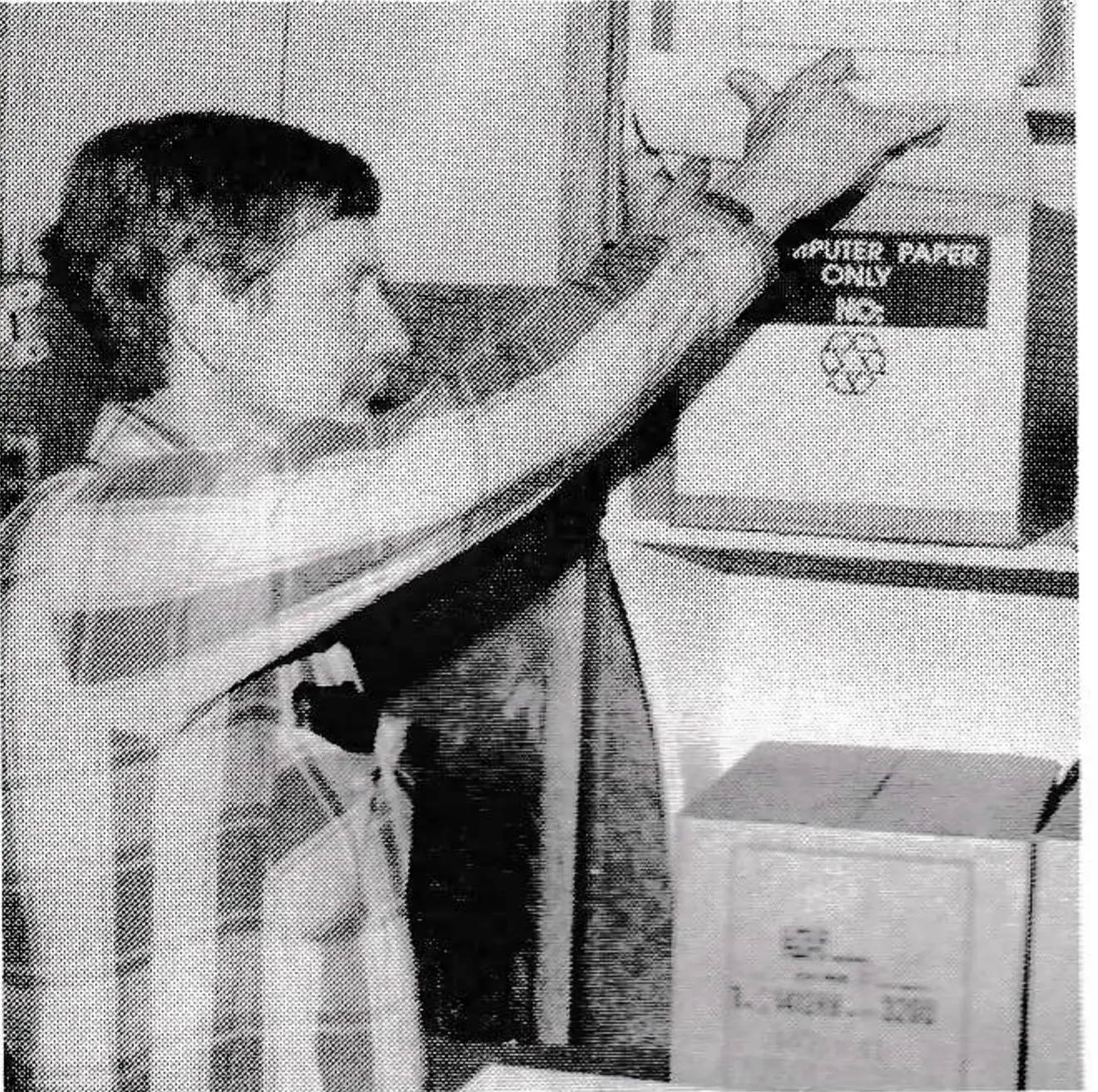
Roberts stresses the importance of buying recycled paper products. She believes that buying recycled paper products will increase the demand for it, thus lowering the cost and encouraging further recycling. Although some of these products cost about five to ten percent more, the Aspen Skiing Company purchases business cards, paper towels and computer paper made of recycled paper, and plans to use the highest level of biodegradable paper in next season’s trail map.
“All our purchasing agents have been instructed to buy environmentally-sensitive products,” said Roberts. “They pay attention to the packaging and the ingredients. We try to avoid most plastics.”
Over the next year, the company is having light bulbs in all buildings changed from standard 75 watt size to screw-in 9-watt florescent bulbs that provide the same amount of illumination, but with a softer glow. The original bulb socket is retained, and the new bulbs, which last 10 to 13 times longer, reduce energy consumption up to 80 percent according to a spokesman for Rising Sun Enterprises, the company doing the work.
The Aspen Skiing Company also conserves fuel by reusing oil from company vehicles to fuel specially designed space heaters in the maintenance facility. In addition, the company provides free bus transportation to and from work for employees and has installed water-efficient toilets and shower heads in the Little Nell hotel.
The Aspen Skiing Company donates approximately $200,000 annually to local environmental organizations and programs and is active in the Pitkin County Wildlife Committee Task Force. In addition to educating employees about waste reduction, the company contributes to support environmental programs in local schools. In a recent decision, Aspen has stopped accepting tobacco-sponsored events at the mountains or in hotels.
Why has Aspen Skiing Company taken the time, effort and money to promote good environmental practices? Bob Maynard, president of Aspen Skiing Company and an ardent environmentalist for more than 30 years, is a prime-mover behind the changes. Maynard said: “Individually and collectively, we should do what we can to reduce the negative impact on our resources.”
Costs and Sources
The Aspen Skiing Company paid $17.08 for 1,000 polystyrene foam cups and $34.88 for 1,000 paper cups. At Mt. Snow, reflecting the buying volume of both Mt. Snow and Killington, 1,000 polystyrene cups cost $13.00 and 1,000 paper cups cost $34.64.
Earth Care Paper, Inc. of Madison, Wisc., a distributor of recycled paper products, sells 500 sheets of 8-1/2 by 11, 100 percent recycled, non-bleached and non-deinked paper for $5.95. The same quantity and size of copier paper with 50 to 70 percent recycled content is $6. Their Eco PlusTM paper, which is described as “the most ecological computer paper manufactured today,” costs $44.60 for 2,600 sheets of 100 percent recycled 14-7/8 by 11 copier paper.