


Now, after a lull in installations, renewed interest in summer attractions and new technologies, from rollercoaster-like versions to a high-tech zipline, are reviving the slide concept.
Slides can generate good business. Ticket revenues typically run $500,000 to $1.6 million, not counting revenue from food and beverage and retail sales. Margins typically hit 50 to 60 percent.
And slides are a good fit for ski areas.
Business has been “steady” for Stowe’s slide over its nine years, said spokesman Kirt Zimmer. “Stowe sees a lot of families seeking activities they can do together, and the Alpine Slide is perfect for that,” he said.
New technology is making old-style slides easier to install and maintain. For example, Erbschloe of Germany has developed a molded fiberglass composite track that replaces the original concrete and asbestos tracks. Unlike older tracks, fiberglass doesn’t crack under the weight of snow during the winter, and it is easier to work with when repair is necessary. Several resorts have installed new fiberglass track to repair sections of the old—the two different types can be used interchangeably—or to replace older track entirely. The new track is much lighter and installs quickly.
To date, the only brand-new Erbschloe slide was installed at Mt. Rushmore last year. But U.S. distributor Sam Geise of Geise Engineering expects to see more new slides at ski areas, too. The new tracks provide greater variety, with sharper and higher curves and more dips and drops than the older systems—while decreasing the risk of running off the track. And, with installation costs of about $350,000 for a two-track slide, a new installation can often generate cash by the second year of operation.
The newer, rollercoaster-like rides from Erbschloe (the Alpine Coaster) and Vertical Reality (the Bobcoaster) are different from older slides in several ways. They run on twin steel or aluminum rails, not a broad trough-like track. They are weatherproof—wet tracks render the brakes on older alpine slides useless—can run year-round, and have more capacity. In addition, the tracks are built 2 to 20 feet off the ground, which reduces environmental impacts.
In both systems, the sleds are pulled uphill on a track, powered by an electric motor. Riders can load at the base of the ride, where they are belted in for safety. At the top, the sleds engage the downhill track, and gravity takes over. Automatic braking systems keep the top speeds to 35 mph. Both coasters can accommodate two people per sled.
Bobcoaster kicks it up a notch with a “second axis” feature. This permits a bobsled-style ride, as it allows the coaster to bank from side to side in the turns as centrifugal forces dictate. The Bobcoaster with its high-sided cockpit even looks a bit like a bobsled.
Installation cost is typically about $500,000 for the Alpine Coaster, Geise said, while costs for the Bobcoaster typically run about $1 million, said Anthony Kay, CEO of Bobcoaster distributor Vertical Reality.

To date, coasters are a rarity. The only Alpine Coaster is in Russia. The first two Bobcoasters will be built in Austria this summer.
The ZipRider
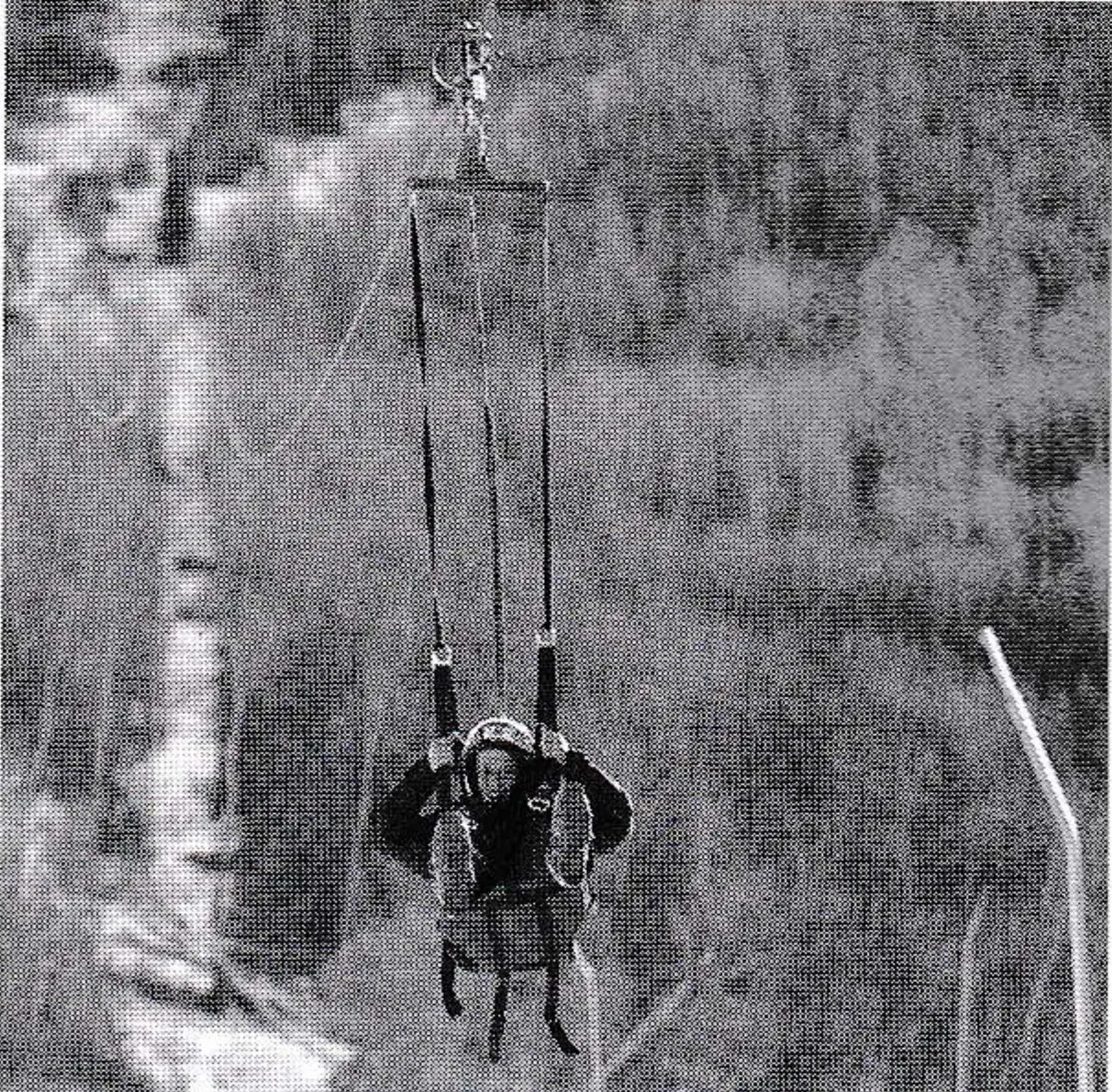
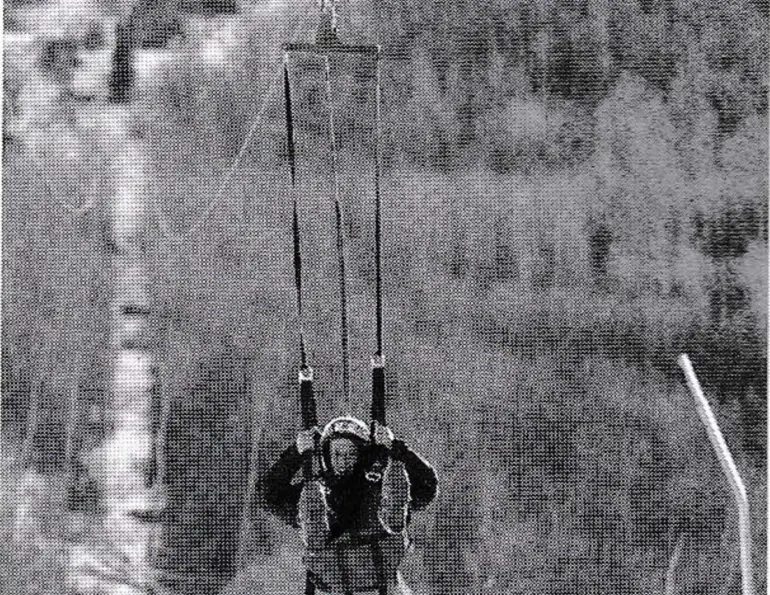
The ZipRider, designed by Park City ski patroller Eric Cylvick, is even more unusual. The rider dons a harness-like seat, clips into a roller that runs downhill on a cable strung between two towers, and descends at speeds up to 50 mph. It, too, allows year-round operation.
At Park City, the first-ever ZipRider covers 2,300 feet, dropping 300 vertical feet in less than a minute. Riders are suspended up to 110 feet above the slope. The ride has been a hit since it opened on Labor Day weekend. “We put 1,000 people through it in three days,” said Michelle Palmer, spokeswoman for Park City. For the fall season, 12,000 riders paid $12 a pop. Park City has a popular alpine slide, but ridership on the ZipRider outpaced the slide. “The 14 to 24 crowd loves it,” said Palmer.
The ZipRider has a pre-set brake that regulates speed, and an auto stopping mechanism in case the roller disengages from the cable. Three independent systems attach the sling to the cable, to provide a high degree of safety. The ride can be fitted to existing lift towers, and functions on slopes from 5 to 40 degrees. Installation costs are $250,000 to $360,000, depending on how many cables are installed (up to eight are possible).
And it can be profitable: Park City operated at 70 percent EBITDA earnings ratio for the fall, with a limited season and almost no promotion.
All of which makes summer speed venues look like a growth area. With economics and technology on its side once again, the alpine slide and its kin will have increasing numbers of summer visitors flying downhill—and perhaps plant the seed for a winter visit.
For more information, contact: Geise Engineering, (570) 473-8545, www.alpineslides.com; Vertical Reality, 1-877-632-6444, www.vertical-reality.com; or ZipRider, (801) 277-6795, www.ziprider.com.

