


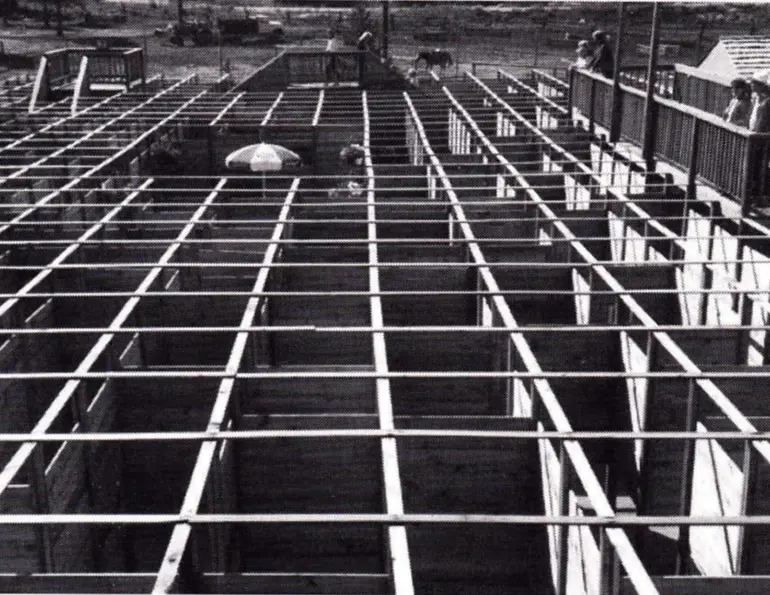
In the quest to find ways to enhance off-season revenue, some resorts have turned to a centuries-old form of entertainment. Many guests are responding with great interest to mazes and are making them successful as a source of summer income at a handful of ski areas around the country. Either as a stand-alone operation or as part and parcel of other existing activities, mazes are intriguing summer guests who spend from 20 minutes to two hours walking the twisting paths.
According to Sherry Shelton, vice president of administration for Colorado’s Winter Park Resort, “Our maze has been an integral part of Winter Park’s summer program since 1994. This activity enhanced the experience of those visitors who were already enjoying the alpine slide, miniature golf and who were on the mountain for hiking, sightseeing and biking.”
In the United States, there are only a few companies that specialize in maze construction. The American Maze Company, based in New York, focuses on cutting mazes in cornfields and cut a four-acre portrait of Albert Einstein at Mountain Creek, N.J., last summer. The company designs their mazes using aerial photography and then assigns ground crews who cut the corn stalks by hand. Minotaur Mazes of Seattle builds walk-through mazes of aluminum pipe and colorful vinyl walls. And then there’s Amaze’n Mazes out of Winter Park Resort, Colorado. All three companies offer design, operation, sales, marketing and consulting services for their projects.
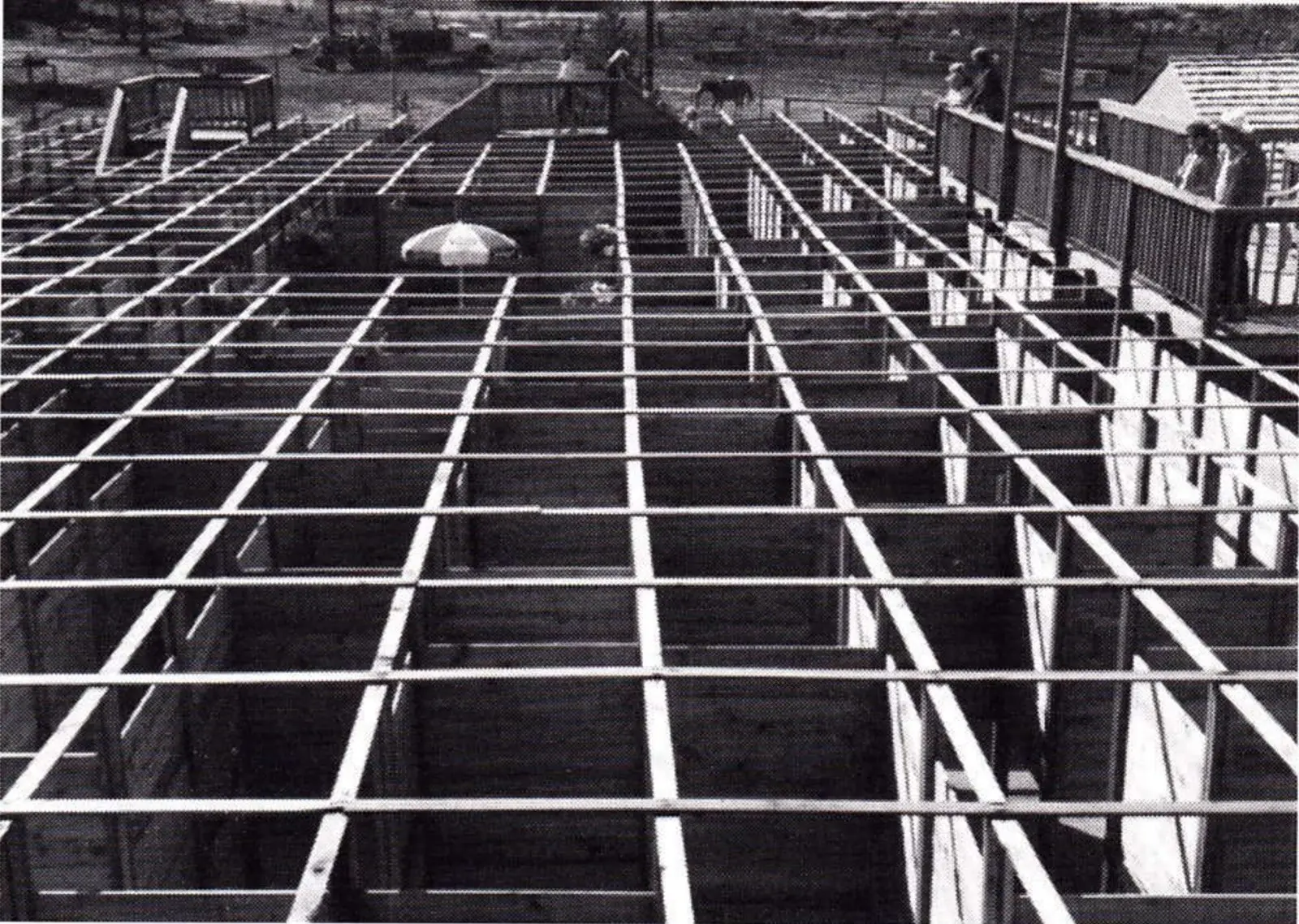
Amaze’n Mazes has more than 13 years of experience building seasonal mazes in ski-area parking lots throughout the western U.S. They have summer installations at Winter Park, Steamboat and Breckenridge Ski Resort in Colorado and Angel Fire Ski Resort, N.M., which purchased an Amaze’n Maze in 1997. Durango Mountain Resort, Colo., will begin operation of their own Amaze’n Maze this summer.
“The maze is very popular with the guests,” says Richard Sramek, director of mountain operations for Breckenridge, “they just love exploring it.”
An Amaze’n Maze costs between $50,000 and $60,000 for the purchase and installation of the maze and two observation decks. They range in size from 4,000 to 6,000 square feet and average about 20,000 visitors per summer. Estimated summer revenue falls between $50,000 and $100,000 per. One person can operate the average-sized maze on most weekdays, while weekend crowds will typically require two or three people to sell tickets and monitor activity.
Typically, it takes five people five days to set up the maze and one day with eight people to break it down. The façade can be designed to fit any theme.
According to Greg Gallavan, owner of Amaze’n Mazes, “The mazes are low maintenance, with very few inspectors to deal with.” He explained that most maze locations don’t require involved permit procedures.

The lower-tech option is the corn maze. According to Mountain Creek GM Charles Blier, their maze attracted a lot of interest. “It’s one of the most fabulous activities that groups can do,” he said.
According to Don Frantz, who runs the American Maze Co., 18,000 people visited the Mountain Creek maze last summer. He says it is a perfect activity for families and corporate groups. And seniors like it because of the sense of returning to the farm.
The cornfield mazes his company creates are scripted and a host directs people through. Game boards are handed to participants, who can either just walk the maze (finding the correct path usually takes 45 minutes) or complete problems presented on the board (an average time of two hours). Each person carries a flag and there are “talking tubes” strung throughout the maze to communicate with the day’s host.
Frantz says his large mazes take between six and 14 people to run on a busy day. The company also builds maze pathways without walls and others with low walls for smaller installations.
Whether considering a maze on a grand or modest scale, the ancient activity can help add to a resort’s summer offerings and even help bridge the gap between high seasons.

