

New products from Valley Engineering
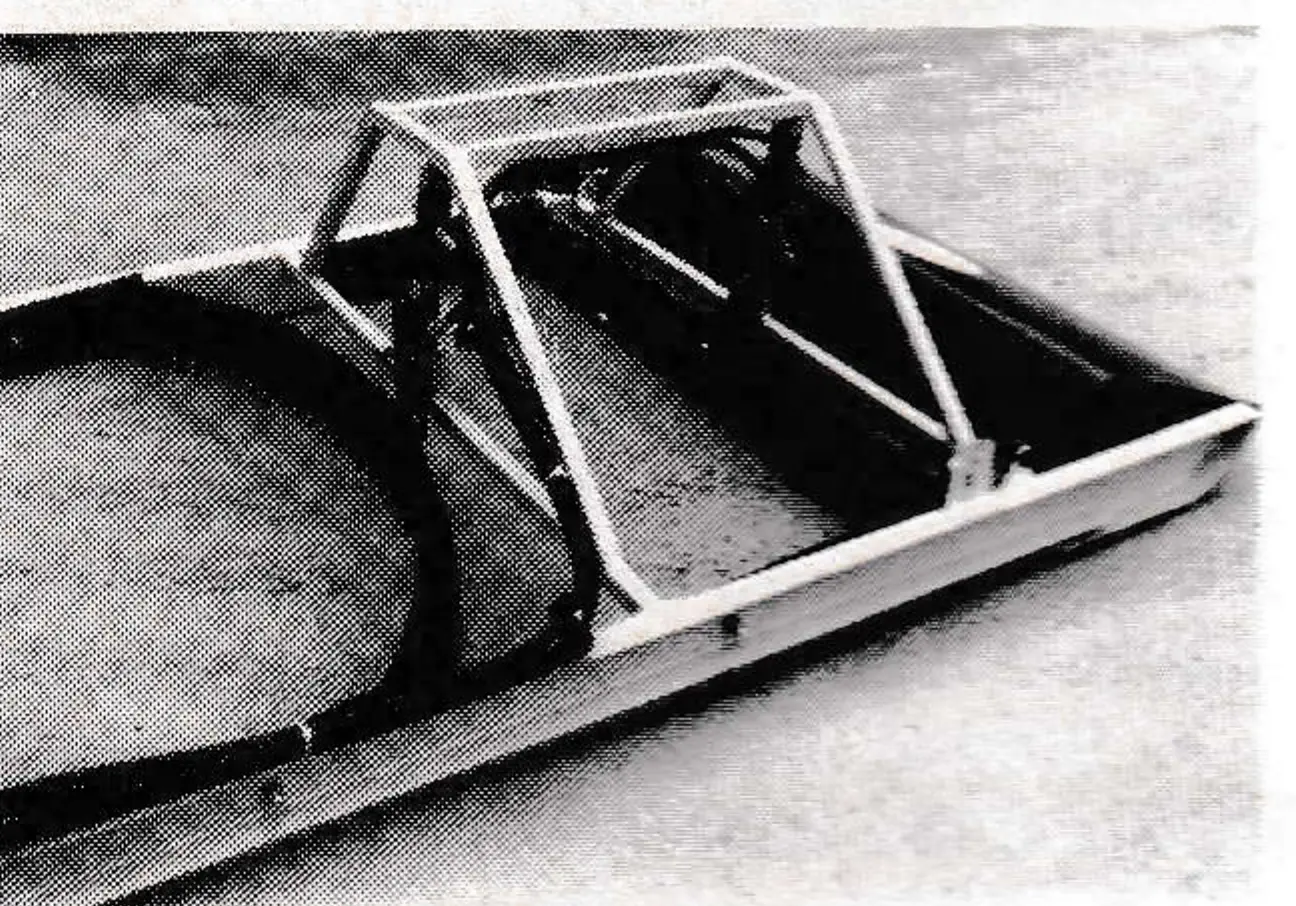
2) This past winter Valley Engineering designed and tested a new lift frame named the Hydra Saddle. Built for the large snow vehicles, it incorporated a 160° 5th wheel trailer action as well as a capability of lifting snow grooming implements heavier than Valley’s Standard Rear Grooming Frame. To complement the Hydra Saddle, Valley Engineering is developing new items, one being a larger (22” x 72”) Mounted Powder Maker.®
3) All 12-foot and 16-foot 5-Gang Powder Makers® will incorporate the “Wide Stride” hydraulic package as standard equipment this season. According to Valley Engineering, the “Wide Stride” enables vehicle operators to widen and retract the rear rolls hydraulically.
4) Valley Engineering will offer three different size Snow Buckets this season. Interchangeable with all front-mounted snow grooming implements on Valley’s Quik Mount they will come in 2/3 yard, 1 yard and 1⅓ yard sizes. The Snow Bucket is designed for moving snow to loading and unloading areas, and covering bare spots created by heavy skier traffic.
SL-1000 Hydrant
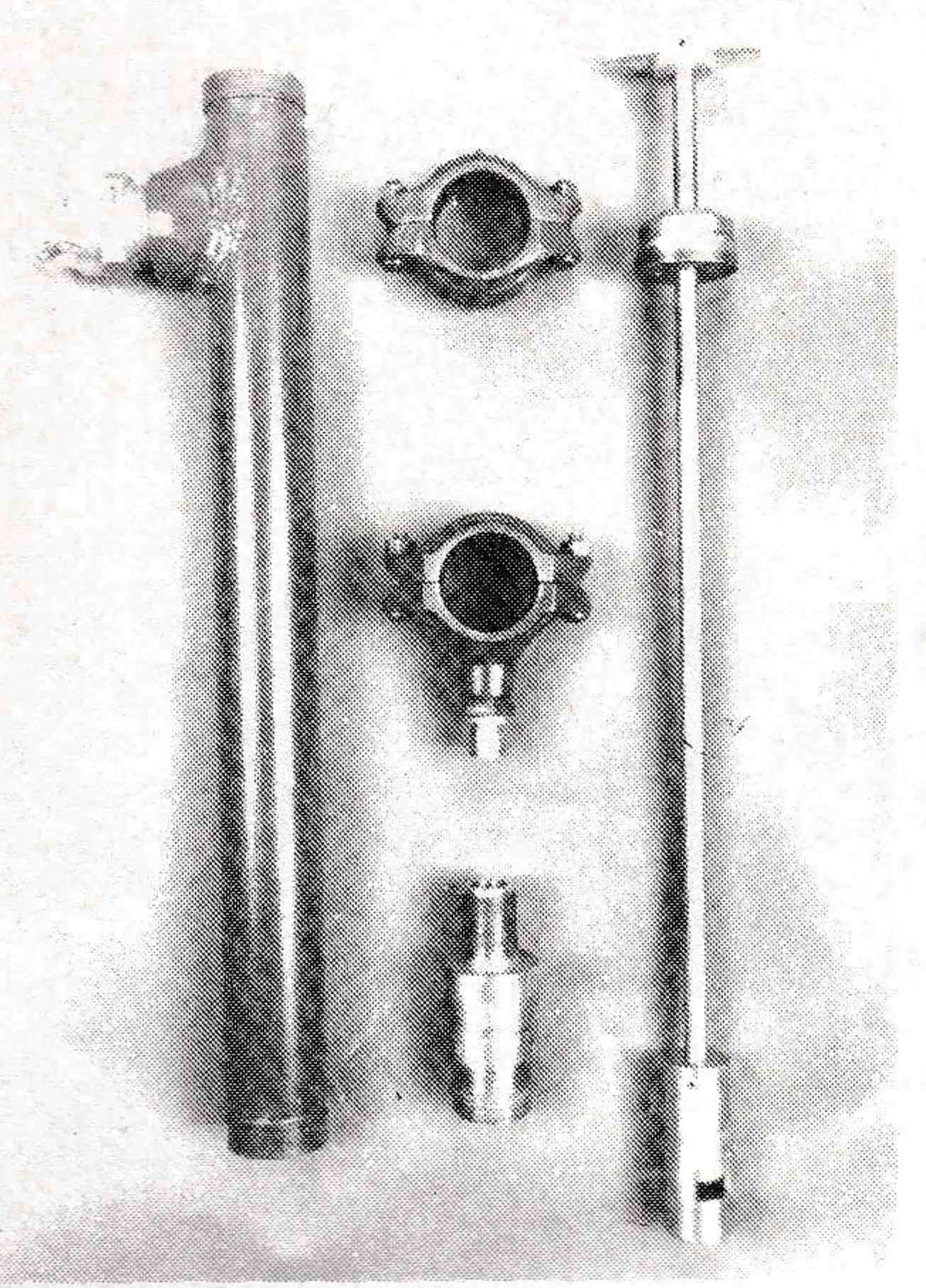
Larchmont Engineering and Irrigation, Inc., 11 Larchmont Lane, Lexington, MA 02173, has introduced a new 1½” self-draining water hydrant, the SL-1000.
The high-pressure hydrant is rated at 1000 psi; working pressure 3:1 safety factor, according to Larchmont.
Among the features is the ability to service all the internal parts above ground using an ordinary wrench — no large Stillson required.
The flow loss (cold water) ranges from 5 psi at a flow of 33 gpm to 50 psi at a 130 gpm flow.
Airless/Air-water snowmaker
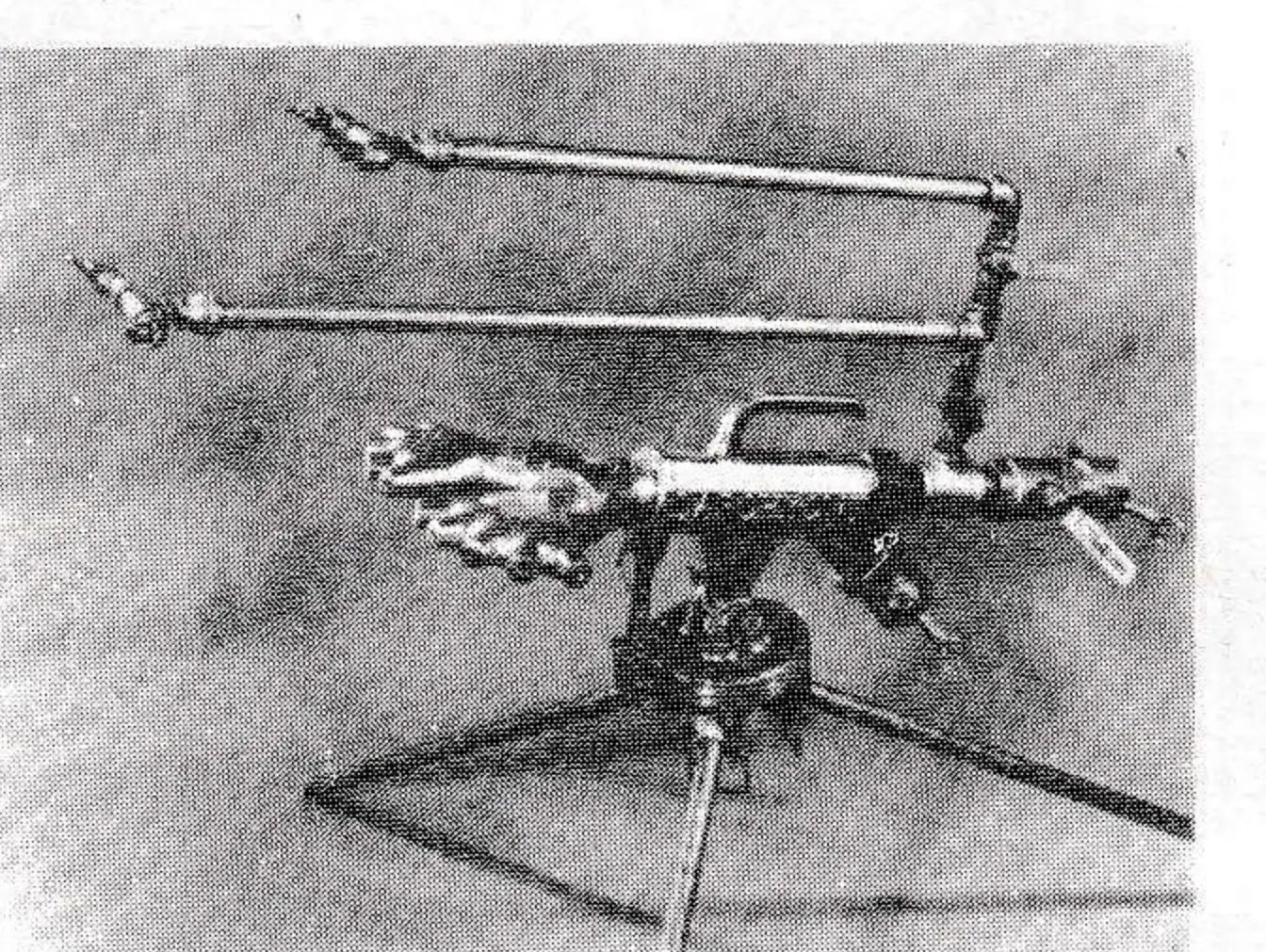
Pioneer snowmaker Joe Tropeano, of Larchmont Engineering, 24 Auburn Street, Brookline, MA 02146, (distinct from Lexington-based Larchmont Engineering and Irrigation, Inc.) introduced a new snowmaker called Sno-Fan Jet at the NSAA trade show.
It combines an “airless” attachment mounted atop an air/water snowmaking head, which has five nozzles arranged in a fan. It can also be configured with two such 5-nozzle fans, thus giving an even wider arc of snow delivery.
The airless attachment may be turned on when temperatures drop, and, according to Tropeano, will increase the output by 35 gpm. It is claimed that at 15-degrees F. and below, each Sno-Fan Jet will discharge 80 gpm.

An area’s twins and quads can be converted to the Sno-Fan Jet at a relatively low cost, “for increased efficiency,” according to Tropeano.
Kik Sled
A traditional Norwegian sled dating back to the 1600’s promises to be the newest rage in snow country from Alaska to New York. Available in the U.S. for the first time, the Kik Sled is the equivalent of a winter bicycle in Scandinavia.
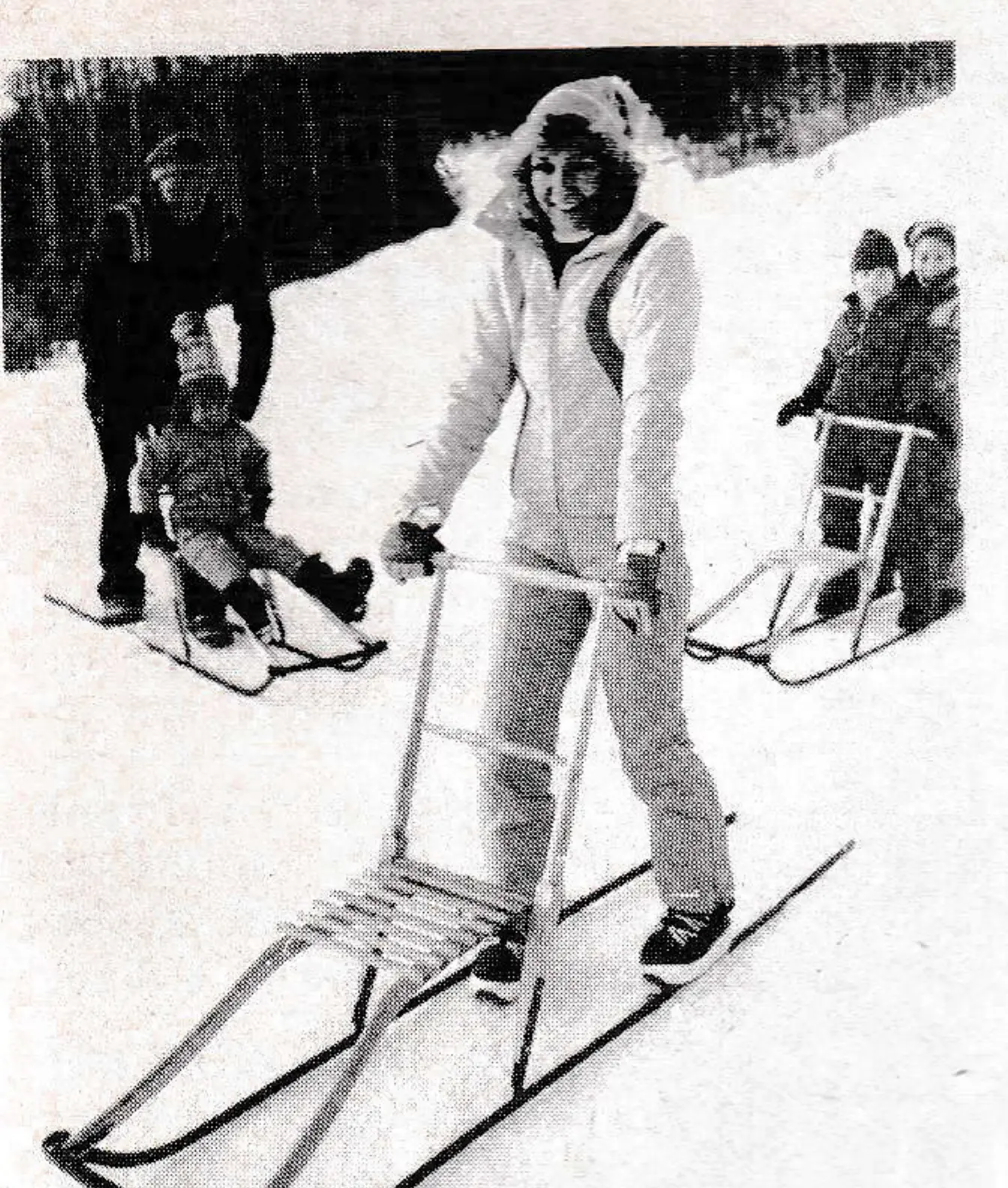
Imported by Cardon Enterprises, Inc. of Fairbanks, Alaska, the unique Kik Sled is made of laminated wood and spring steel coated with epoxy lacquer. It is large enough for several persons to ride, standing on the runners. Because of its very light weight, the sled travels swiftly on both flat and sloping surfaces. It comes in four sizes for children and adults and collapses flat for easy storage and display. The sled reassembles with one wing nut.
The Kik Sled is now being displayed at trade shows and is being marketed in selected areas of the United States. For more information write to Cardon Enterprises, Inc., SR 31054, Fairbanks, Alaska 99701.
Coin-operated racing
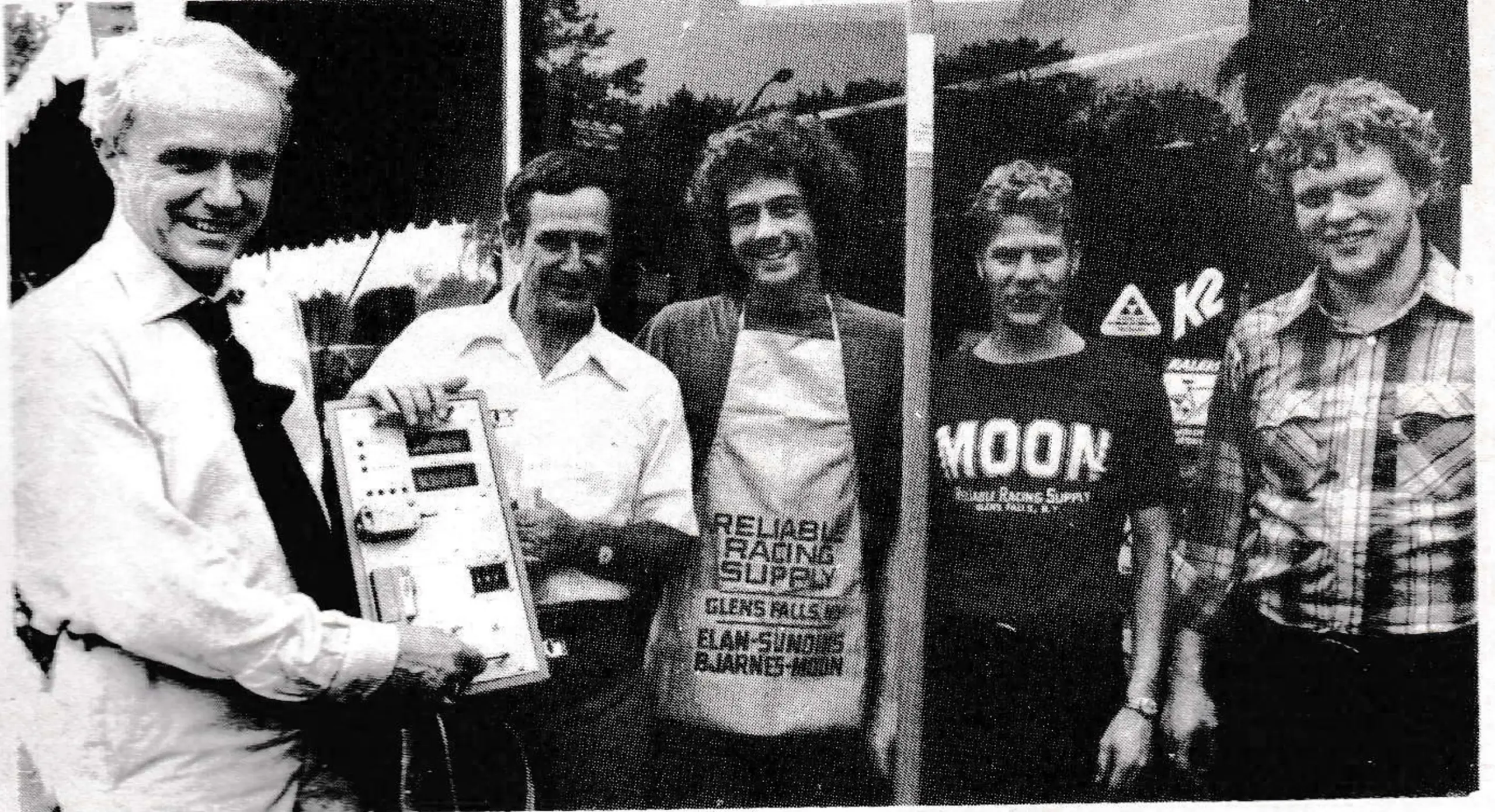
Reliable Racing Supply, of 624 Glen Street, Glens Falls, N.Y. 12801, has introduced and will market a coin-operated racing system (CORS) — a “personnel-free” slalom racing capability for ski areas.
At the heart of the system is a complete timer developed by Pearson Machines, with uphill/start computer and built-in “thumb-wheel” mechanism for programming the coin accumulator, downhill/finish photo-cell and connecting 5-inch digital display scoreboard.
Reliable has packaged this timing unit with other items to make a complete system, among them: 50 “Break-A-Way” slalom poles, gas-powered drill and carbide bit, start/finish banners and 25 course panels, all with area name and logo imprinted on both sides, 1,200 feet of Easy Fencin’ with posts and clips.
The whole package sells for $9,000, available on extended payment terms. The timer alone costs $6,500. Revenue for the area depends on the amount charged, the number of days operated and the average runs per hour. An area charging $.50, and having a 115-day season with 15 skiers/hour running the course, would generate $6,037.50 the first year, according to Reliable.