

Tyrol Basin ski area is carved out of a small and beautiful wooded valley in the unglaciated country just west of Madison, Wis. Popular for many years with southern Wisconsin skiers, it’s the kind of place where, on a Saturday or Sunday afternoon, you’ll find the old converted barn, which serves as a lodge, crowded with families toting coolers and grocery bags full of peanut butter and jelly sandwiches.
If you go by the numbers, Tyrol is tiny; the area recorded 46,000 skier visits this year, well below the 200,000 skier visits used in the industry to define “small.”
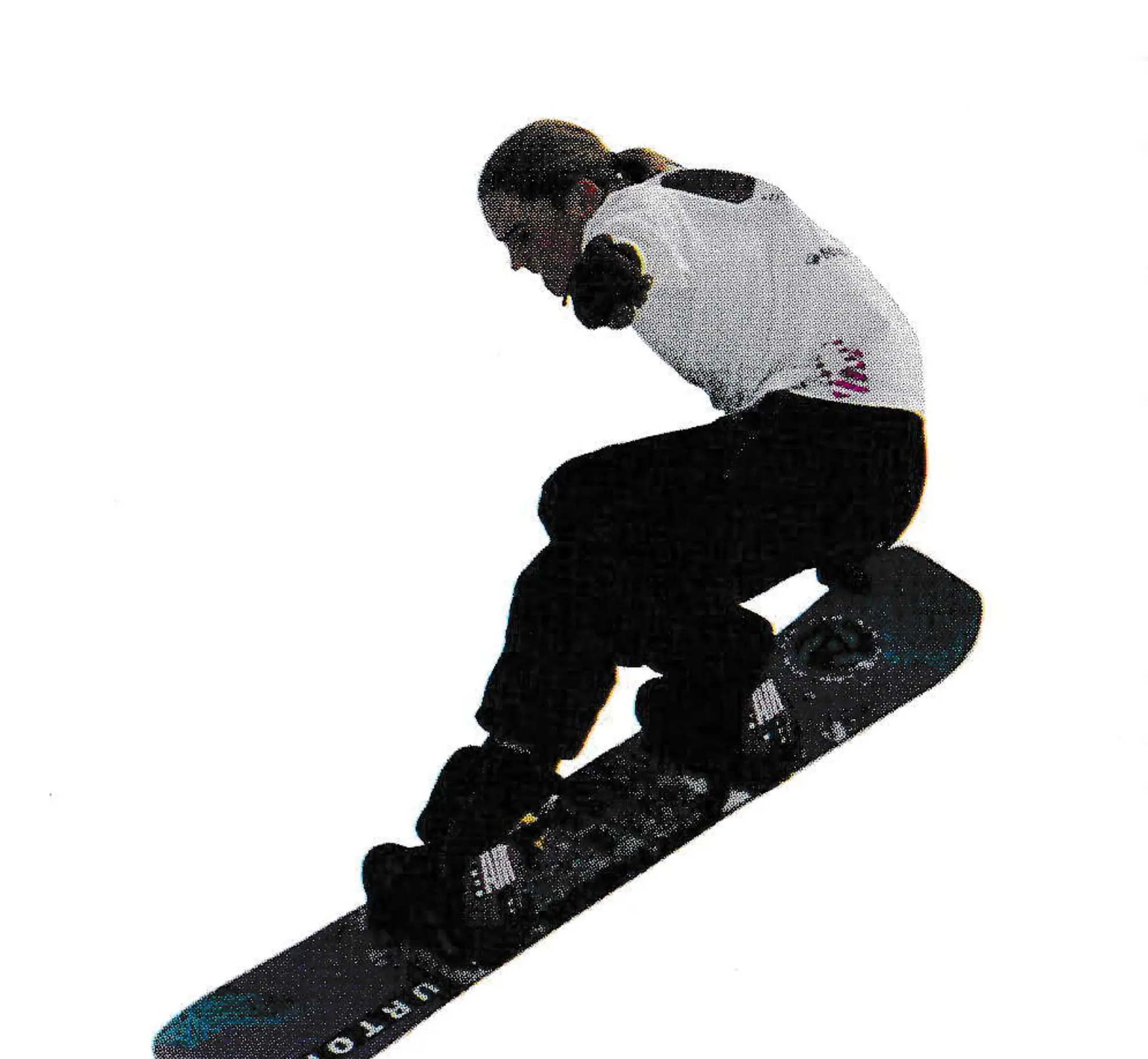
Still, if you’re in the business, it’s likely you’ll be hearing more about Tyrol. That’s because something different is happening here. This year — over the last four years, in fact — the slap and slide of snowboards has signaled a new and unique direction for the ski area. Now, while snowboarding is not exactly new in the business, Tyrol’s successful efforts to blend that sport with traditional downhill skiing, especially at a traditional family-oriented area, is a feat worth noting.
Four years ago, Tyrol reopened its slopes after sitting silent and unopened for four years. The new owners, thinking about ways to attract people to the area, turned their gaze on snowboarding. In nearby Madison, a city of 200,000 with a thriving university and upscale population, there was a ready clientele for new and thrilling ways of going fast on everything from skis to bikes to … snowboards.
Tyrol’s general manager, Don McKay, recalls the decision. “The choice was whether to be partially open or all-the-way open to snowboarding,” he said. “We just said ‘We’re gonna do it. Let’s go for it.’”
The first order of business, McKay said, was to talk with snowboarders in the region. They recommended a half-pipe. “We said ‘What the heck is a half-pipe?’” McKay remembers.
McKay proceeded to bury himself in snowboarding research. Other areas were contacted. Plans for a half-pipe, the rectangular and high-sided chute favored by snowboarders, were solicited from a snowboarding association. The snowboarders or “riders” gave the half-pipe with its 20-foot-deep walls a try and, working from their recommendations, McKay perfected the chute. He discovered that the key to keeping and attracting snowboarders was weekly maintenance of the half-pipe, a task that became easier with slight modifications to the area’s grooming equipment.
The response that first year was encouraging with five percent of the area’s business from snowboarders. Word spread and snowboarders from Illinois, Iowa and Minnesota started showing up in lift-ticket lines.
The second year, McKay put 10 snowboards in the rental shop and started stocking other snowboarding gear. Business improved even more that year; the snowboarders made up 15 percent of the trade.
Today, snowboarding makes up a quarter of Tyrol’s business. There are 26 snowboards available for rent and snowboarding lessons are offered by the ski school. The area boasts the largest all-snow half-pipe in the world, according to McKay, and snowboarders can be found bopping down the run through April.

Problems associated with incorporating snowboarding into the area’s offerings have either proven not to be problems or have been hashed over and solved. There was some concern at the outset, McKay said, about insurance. When the area’s carrier was informed about the introduction of snowboarding, it was decided simply to let the first season serve as a test. Injuries among snowboarders were no more frequent than among the downhill skiers. McKay said that today insurance rates are no higher and that the area’s rates, because of a strong commitment to safety, have actually decreased.
Then there were conflicts that were expected between snowboarders and alpine skiers. They did develop to a degree, but not for the reasons McKay expected. There were no problems, for example, with snowboarder-skier collisions; they just didn’t happen. But some skiers found the presence of the snowboarders disconcerting, McKay said. He speculated that part of it might have been the noise made by the snowboards on the slopes or perhaps the snowboarders themselves; they are, he said, mostly teenage boys who are, to say the least, somewhat free-spirited.
As a result of this new mix, McKay believes the area lost some skiing customers. But the loss was made up by the increase in the number of snowboarders.
Even more encouraging was the response of many skiers who watched the snowboarders barreling down half-pipe and asked McKay if they could use the run. Because the half-pipe is not really conducive to downhill skiing, McKay decided to provide something equally exciting for his downhill customers. After studying a few of the western ski areas that have pioneered snow parks with highly-sculpted runs, McKay designed “Sutter’s Ridge,” a thrill-a-second downhill run with headwalls, snow spines, slide rails, bowls and other fun terrain features. Skiers loved the run as did the snowboarders; they share it fifty-fifty, McKay said.
Today, McKay is more than pleased with the mix of snowboarding, downhill skiing and even telemark skiing that the area boasts. His goal is to smoothly integrate these different approaches to downhilling, offering snow, good service and skiing to everyone.
As for snowboarding, he believes it will be around for a while.
“I think it’s an alpine sport that is here to stay,” McKay said. “And I think we need to adapt our operating techniques and our equipment and our slopes to accommodate it.”