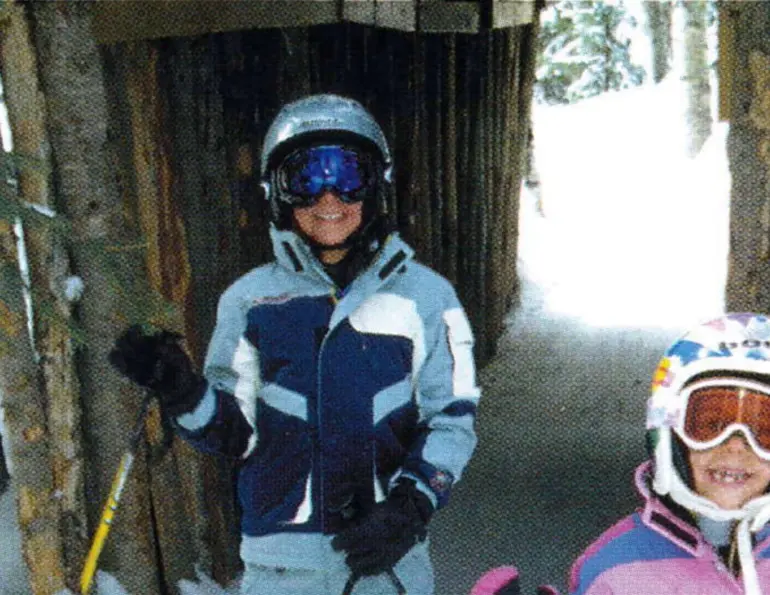
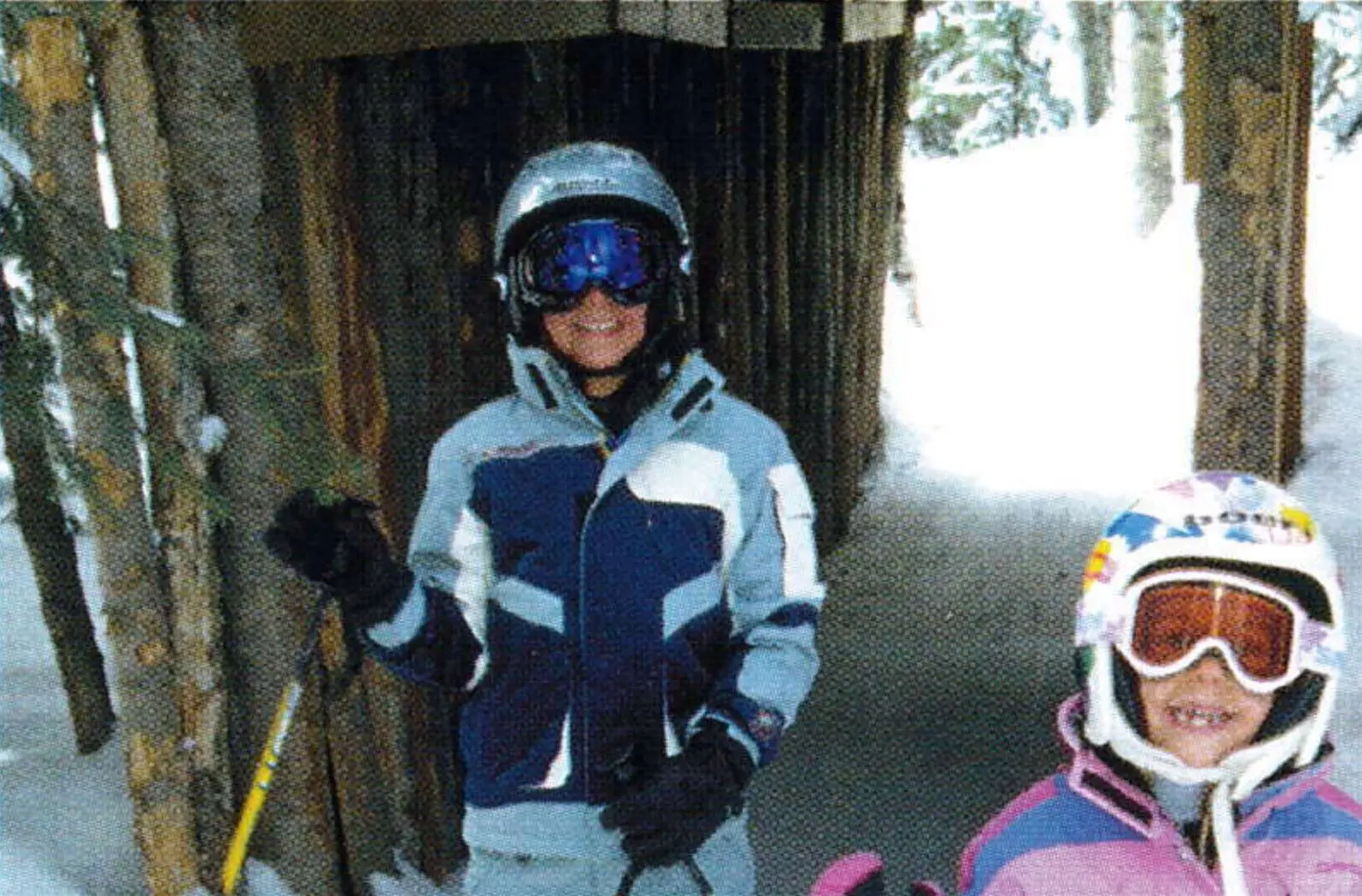
When Aspen mandated use of helmets by kids ages 12 and younger in its ski school programs last spring, it initiated a dramatic change in the winter resort business. Areas that had only been offering helmets for demo or had not been renting helmets at all suddenly began to consider whether they, too, should encourage wider helmet use—or require them outright. And this has forced the resort industry to consider how it should handle helmet rental operations for those skiers and riders who want the security of wearing a helmet without the commitment of buying.
But what about logistics? Many area managers are wondering how to handle helmet rentals. Fear not. Most helmet suppliers have developed detailed shop practices procedures, and indemnification programs were said to be in the final stages of approval as of mid-October.
Resort policies on helmet rental this winter depend to a large extent on where resorts stand on the issue of helmets in general. Policies range from requiring helmets to doing nothing. Many resorts are either recommending or strongly recommending helmets while encouraging skiers and riders to educate themselves and make their own decisions regarding helmet use. Four—Aspen, Crested Butte, and Powderhorn in Colorado, and Shawnee Mountain in Maine—require helmets for all kids ages 12 and younger in ski school. The upshot is that half, perhaps more, of North American resorts will be renting helmets this winter.
“The biggest thing is to encourage resorts to take their time, not rush into it,” says Ovo sales coordinator Pete Fickeisen. Out of 50 resorts that showed interest in the Ovo program this summer, he says, about 30 have gone ahead with their rental plans. The other 20 have decided to pass for this season because of the difficulty of making changes in their rental operations.
As resorts have taken the time to explore their helmet options, the level of anxiety has subsided some. “Initially, the hypersensitivity was great,” says Ovo president Howard Stempler. “As the summer has gone on, a maturation of the thinking has occurred. The mass hysteria has largely subsided. Shops are coming around to realizing that the situation is manageable.
“I think we’ll all develop a comfort level with the rental process. Will we all be comfortable by December 1? Not all, but most, yes.”
Supplier Support
Which is not to say that major helmet suppliers are acting slowly. To the contrary. Boeri, Leedom and Ovo have all developed detailed shop practices manuals.
“We’ve known this day of making helmets available to guests was going to come for the past five or six years,” says Boeri’s Jeff Raverby. “We really want customers to buy helmets, as do resorts. It’s obviously best if users buy rather than rent. But for occasional sliders, they are going to rent everything, and you have to make helmets available to them.”
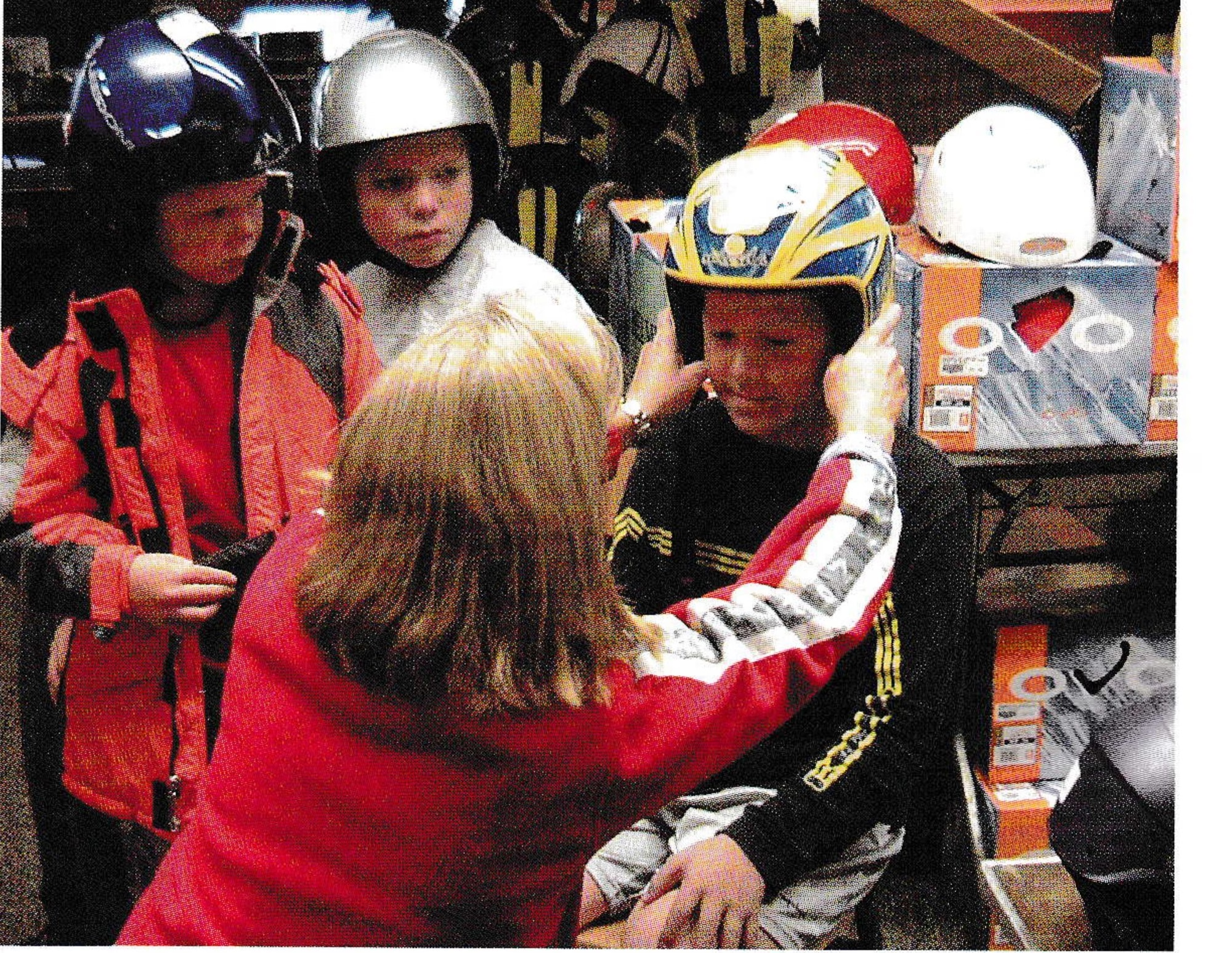
To make that possible, Boeri, Leedom and Ovo have each developed (or are developing) their own set of procedures and guidelines, but the basic training program works in a similar manner. Supplier reps train the area’s rental manager and staff; the area is responsible for training staff who are hired after the initial training. Shops fit, instruct, receive the helmet back, ask about use, inspect (for structural damage, function of strap systems, structural integrity) and sanitize. Damaged helmets must be removed from service, and frequently, returned to the manufacturer.
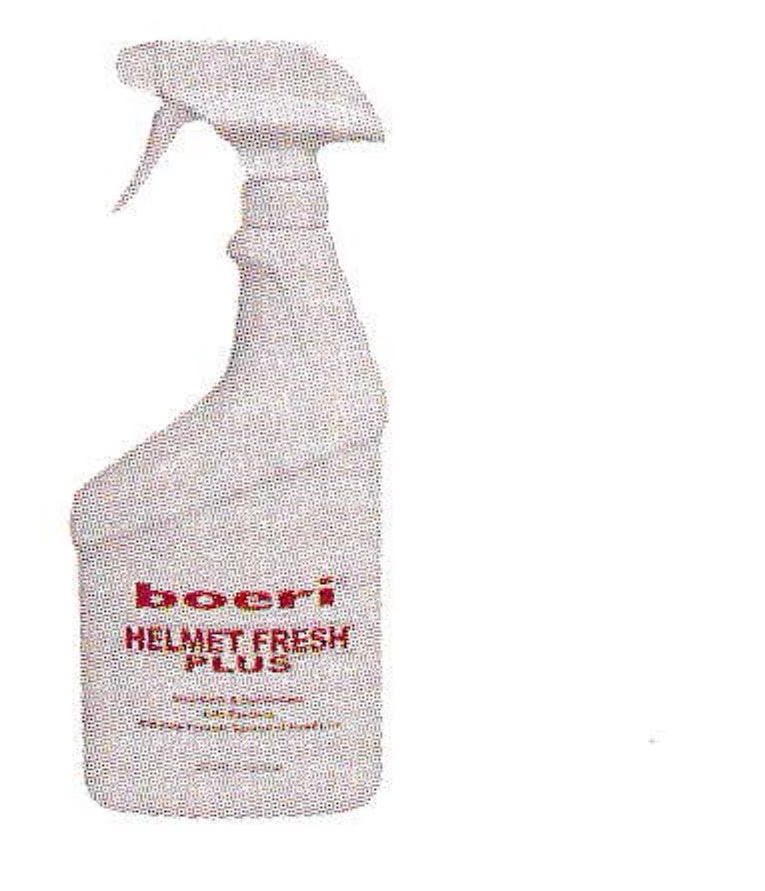
“We’ve focused on the operational issues, too,” says Raverby, “such as sanitation and fitting. We have specific fixtures designed to aid the fitting process, including a fit station with all sizes,” he says. Boeri also offers Helmet Fresh Plus, a spray disinfectant and deodorizer that also helps prevent the spread of head lice.
Smaller suppliers have been less proactive, in large part because their volume of business can’t support larger programs. “We encourage shops to sell, not rent,” says John Jacobs of Reliable Racing Supply, which distributes Acerbis helmets. Several customers plan to do just that, he adds, offering a discounted price to consumers so that the shop can avoid the difficulties of renting helmets in large volumes.
Acerbis lacks the sales volume to hire a rep force and provide in-store training, says Jacobs. The company provides its customers with measuring tapes and informational posters, but leaves training, storage and other operational questions up to the resorts. “We are willing to help rental shops educate their staffs, but we can’t provide clinicing,” he says.
The emphasis on retail sales over rentals is not limited to smaller suppliers. The larger helmet suppliers are also making this a priority. For example, Leedom has partnered with the St. Anthony Foundation, which helps subsidize purchases for school kids who are involved in ski/ride programs. “We’ve been getting good orders” as a result, says Leedom’s Wendy Sweet.
The $64,000 Question
The sudden demand for indemnification programs caught helmet suppliers by surprise. They have been renting helmets for years without being asked for this protection. When will it be available? That’s the big question. And the answer is… soon. Boeri, Leedom, and Ovo promise the programs will be available this season, but the precise timing is uncertain.
“They [resorts] understand indemnification is coming and we’re working on it. We’ve only had one or two customers who say, ‘we’ve got to have something now.’ Most customers know we and the other companies are working on it, and hope to have something in place soon,” says Stempler.
“The biggest thing that’s come up is the liability issue,” says Boeri’s Raverby. “So we’re offering partial indemnification. We’re following the example of the binding manufacturers. We’ve created a 25-page shop practices manual, covering fitting, inspecting for damage, and other issues. If the shops follow the steps, we stand behind them from product liability and negligence standpoint. It’s a huge step.” At press time, Boeri’s program was all set except for a few minor points, according to Raverby.
As for insurance, Jacobs says that Acerbis names customers who buy more than 100 helmets to its product-liability policy. Customers who order fewer units can pay a small fee to be added to the policy. But the company has no plans to indemnify customers against negligence this season.
“Even without indemnification, we’re giving shops a practices protocol,” says Ovo’s Stempler. “The current state of the art is better than in the past, and it’s going to get better.” Additional risk management measures are sure to be developed, Stempler says. In the meantime, he adds, “I’m aware of very, very few claims, if any, against the industry arising out of bad product. Let’s relax, put it in perspective, and do the reasonable thing.”
Ovo and other suppliers add customers to the suppliers’ product liability coverage (though in the case of suppliers such as Acerbis, shops must ask for this specifically). Ovo will provide signage to communicate the benefits, limitations, proper use of helmets, and the need for personal responsibility on the customer’s part. “Education about personal responsibility is a huge issue; it’s the resort’s job to remind skiers to respect the Responsibility Code,” says Stempler. “As the National Ski Areas Association (NSAA) President Michael Berry said, ‘Even if you have a helmet, ski like you don’t.’” That’s an issue with teens and 20-somethings especially.
Bindings, an Imperfect Model
While helmet suppliers are modeling their programs on those for bindings, and plan to model their indemnification programs on the same, there are some key differences between the two products. For one, training staff on practices for handling helmets isn’t as technical, at least compared to bindings. “Shops have to mount the binding on the ski, then adjust for each user,” says Stempler. “It’s more complicated than helmets.”
“The cornerstone of rental programs from an indemnity standpoint is the quality of helmet, that it is fit properly, and that it receives a good inspection upon return. If you do those things reasonably well—which is not as easy as it sounds, because you have to train people in the shops to follow procedures—you should have a workable indemnification plan,” says Stempler.
“The risk-management part of it will continue to evolve,” he adds. “You have to rely on sound risk management practices. There’s a tremendous amount of common sense when you come down to it. You have to have a certification or training program so you can trust staff on floor to recognize problems in product.
“You have to take precautions to properly warn customers as to what the helmet can and can’t do. There are limitations to what customers can expect from a helmet,” Stempler says.
The Inspection Process
Perhaps the biggest issue for many rental shops is, once the helmet comes back from a rental, how can you tell if it’s fit to stay in the rental pool? Like a wayward teenager, you don’t know where it has been. “When a helmet comes back to the shop, the employee asks a series of questions to find out whether the helmet has experienced any potentially damaging impacts,” says Ovo’s Fickeisen. Then, Ovo’s inspection requires that the employee:
- check the shell for gouges, stickers, anything that might affect the integrity of the outer shell,
- make sure the protective EPS inner lining material is bonded to the shell,
- remove the comfort liner and inspect the EPS foam for cracks,
- look for loose pieces of foam, and
- verify that the straps are still firmly attached and comfort pads are intact.
“There is no way to short-circuit the process,” says Fickeisen.

If the helmet is undamaged, it gets cleaned, then stored to dry overnight and returned to the rental pool. If there has been damage to the helmet, it should be removed from the rental program and replaced. If there’s a question about the condition of the helmet, it should be set aside for inspection by a supplier representative, or returned to the company for inspection, Fickeisen says.
As a practical matter, identifying damaged helmets is not difficult, and not very common, says Boeri’s Raverby. If there’s a dent larger than 2 and 1/2 inches in the EPS foam, the helmet should be removed from service. If the user was involved in an accident that required a ride in the patrol toboggan, or if a skier or rider had his or her bell rung—the type of impact a beginning snowboarder might experience, say—the helmet should be inspected with great care.
Rental experience over the past seven or eight years, Raverby says, shows that “it’s not very common to get damaged helmets.” With a fleet of 100 helmets, a rental operation might have five to eight that become damaged by impacts to the point where they need to be replaced over the course of the season, he says. Simply dropping a helmet, or hitting it with a ski pole, is not likely to cause more than cosmetic damage.
Still, many rental helmets are replaced after a year or two, simply because they begin to show the wear and tear of regular use. “Shops replace helmets as much for sanitation reasons as anything else,” says Raverby. Since rental helmets frequently pay for themselves after just a few rentals, most areas can afford to replace their fleets as often as they see fit. “Just as you still have some resorts renting straight skis, you have others that replace rental skis every year. It just depends on the resort’s M.O.,” he says.
The Rental Process
The other issue, for many shops, is how to incorporate helmet rental into the overall rental process. Depending on available space and the existing rental process flow, areas are inserting helmets wherever they can: at the beginning, end, or middle of the flow.
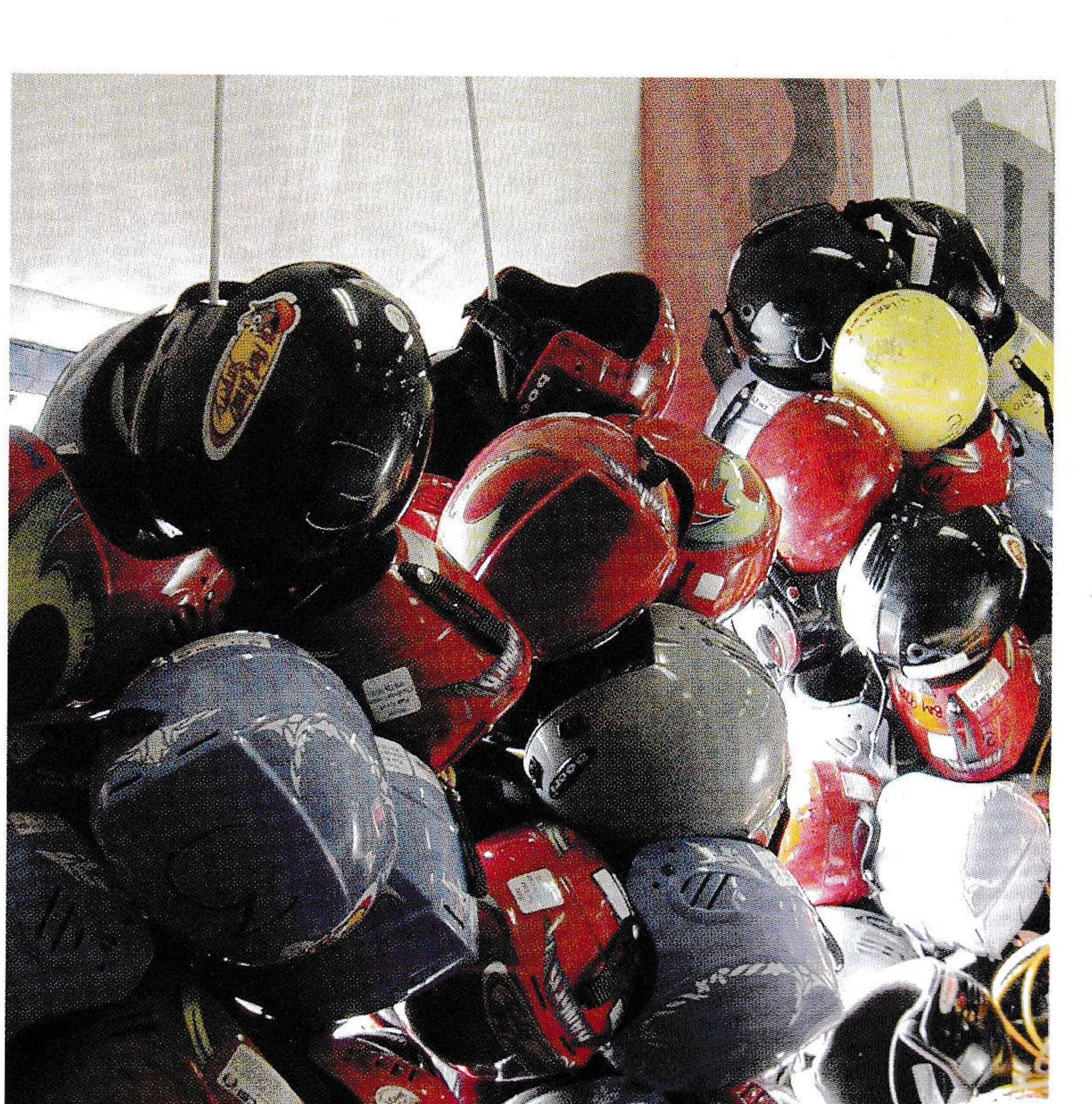
And space is always an issue. Most rental shops are already set up for best possible use of floor space; this means the only place for helmets to go is up. The typical response, where feasible, is to hang helmets from the ceiling.
Wachusett, Mass., has been renting helmets for a couple of years, and offering demos for five. And it has offered the option of buying or seasonal rental for the 10,000 kids in its school program. Last year, 30 percent of the 10,000 kids opted to buy or rent helmets through the program; Carolyn Stimpson, vice president of operations, expects the percentage will grow this year, especially if she includes helmets purchased at the annual swap sale in October.
“The concern over this is being overblown,” says Stimpson. “In terms of the process, renting helmets is just one more thing. We’ve been doing it for a few years, now it’s just a part of the process.”
“I had a lot of concerns initially about logistics, about lice, about hearing the instructor during lesson, about peripheral vision,” she says. “I was reserved on the idea, initially. But we decided that if our customers wanted them, we’d make them available. I wear a helmet, my kids do, too.”
For Wachusett, dealing with the 10,000 kids in its school program was the biggest challenge. The resort engaged in a solid effort to educate kids and their parents on the pros and cons of helmets, then made it easy for them to buy or rent a helmet for the season. “If you mandate helmets, you put more pressure on yourself. What about the kid that didn’t take a lesson, and wears no helmet?” So Wachusett educates and recommends—but does not require.
“We try to educate the kids and the parents now, in the fall, and set them up with equipment in advance,” says Stimpson. “We refer them to NSAA’s lidsonkids.com website.”
Wachusett has learned to incorporate helmets into what Stimpson calls its “drive-thru” rental process, where speed is key. Here’s the drill, including the latest modifications for the coming season:
“The fit station will be at the boot station,” she says. For the school program—”and that’s a big part of our rental business,” she says—”once someone’s fit the first time, we’ll put a color sticker on their badge, so they know their size/color.” Single-use customers will also be fit at the bootfitting station.
“We’re going to have color-coded helmets and sizing,” she says. “The helmets will be set up on hooks from the ceiling. They will be arranged like the soft drink and soda racks in a convenience store, or like laundry in a dry cleaning shop. You go and pick up the helmet off the hook. The helmet is hung by the triangle part of the strap, by the ear.”
What happens if the area runs out of a particular size? “We rifle through our retail stocks,” Stimpson says.
Instruction on the use of the helmet and warnings about the limitations of the protection provided by a helmet will be accomplished via a looped videotape, just as the area does with other rental equipment. Wachusett plans to shoot its own video for this purpose, so that it dovetails with the resort’s existing video instruction.
As for sanitation, says Stimpson, “We spray the helmets after each use and we haven’t had any problems. But we’re thinking about offering head socks this year for thoseo want them.”
Dealing with helmet rentals, she says, “is a lot like dealing with bindings. You have to train on binding mechanics, on customer service, and so on. So you just have to do the same thing with helmets. They are here to stay.”
NSAA Takes a Role
NSAA has been helping resorts develop their response to the growing interest in helmets, educating its members about the evolution of skiing and snowboarding toward becoming a helmet sport. It has stepped up its efforts to inform the public about the need for skiers to consider wearing helmets as part of their personal responsibility for their safety on the slopes, and it has been offering information about helmets to the public—most notably through the lidsonkids program and website. It has encouraged the adoption of helmet purchase programs for K-12 school ski and ride programs. It is developing a Helmet Rental Resource Guide, to be available this fall, which will cover practical issues of fit, sanitation, inspection, storage, training of rental employees, rental agreement terms and documentation, and other legal considerations.