
I came to this conclusion at the International Association of Amusement Parks and Attractions trade show, which I attended last year in Orlando. This and other new directions in the amusement park and attraction business relate to downhill skiing where skills of the individual partially determine success.
Besides new ideas, the size and magnitude of the Amusement Parks and Attractions trade show with some 800 companies represented and 20,000 attendees, was impressive. While I am not advocating that ski resorts turn into amusement parks, I did see several ideas and concepts which could be appropriate at some ski resorts during off-season.
The first two ideas fall into the participatory category. The last ideas are traditional to the amusement industry, but could add to the resort experience at the right ski areas, especially in combination with other summer attractions. In all cases, to capitalize on consumer impulse, these ideas are dependent upon a strong local market with good exposure to highways and intersections. These location requirements are similar to requirements for water parks and Alpine slides. (See May 1991 SAM.)
The Maze Craze
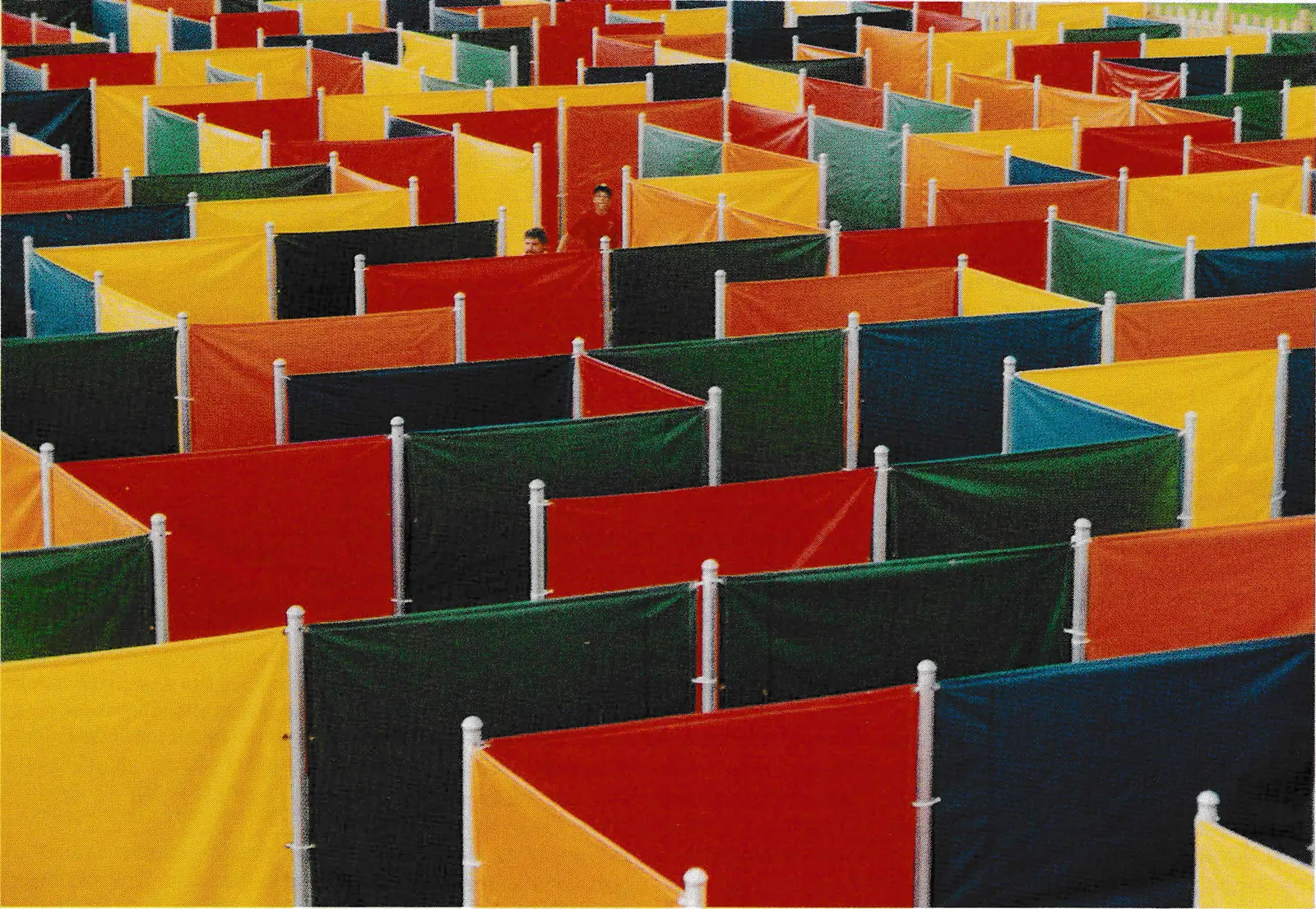
A new adaptation of a centuries-old idea is a commercial, three-dimensional maze. This attraction started a craze in Japan, in 1985, where there are now 250 mazes, and is presently spreading to Europe and North America. According to several sources, it is popular with all ages.
A maze or labyrinth is not unlike a giant science fair project where people, not rats, compete against the clock, their friends or themselves to solve a complex, three-dimensional puzzle. The maze idea dates from the island of Crete and is found in Egyptian and most other cultures. The British spent centuries refining the concept until every large estate had a garden maze in the Victorian era and they are still found on estates today in England.
The commercial, human-scale maze is constructed of metal or wood poles with fabric or wood panels that can be changed periodically creating unilimited puzzle possibilities throughout the season. Negotiating the maze requires puzzle-solving skill and patience. It also requires a good sense of direction and large bladder, since solving the puzzle can take a few minutes by expert maze runners up to an hour or more by novices.
Megamaze USA, Inc. of Santa Claus, Ind. built a maze around a miniature golf course near the junction of U.S. 231 and I-64 in southern Indiana in 1990. They are now promoting a design/build service to assist and encourage other commercial maze ventures.
The Megamaze attraction costs between $140,000 and $150,000 installed, exclusive of costs for land, parking lots and support facilities. To construct a maze facility with close to a mile of pathways, a flat site of 2/3 to 3/4 of an acre is required and would take an average person about 45 minutes to negotiate.
Admissions to maze attractions are comparable to miniature golf, ranging from $4 to $5 for adults and $3 to $4 for children. Group rates, senior and special events may be discounted. Depending on location, the season can run from April to October with operations limited to weekends in shoulder seasons.
This attraction is not labor intensive with only two to four employees needed to operate the facility, depending upon other activities and food service available. On a busy weekend, several thousand people can be accommodated, especially when combined with a special event such as teen dances or timed competitions.
Megamaze personnel suggested that ski resorts might build a maze complex in a parking lot, utilizing flush sleeves and removable poles so the facility could be taken down in the winter. This would also work well on flat ski trail outruns near base lodges with rest rooms and other attractions such as Alpine slides, miniature golf and water attractions.
Macho Mania
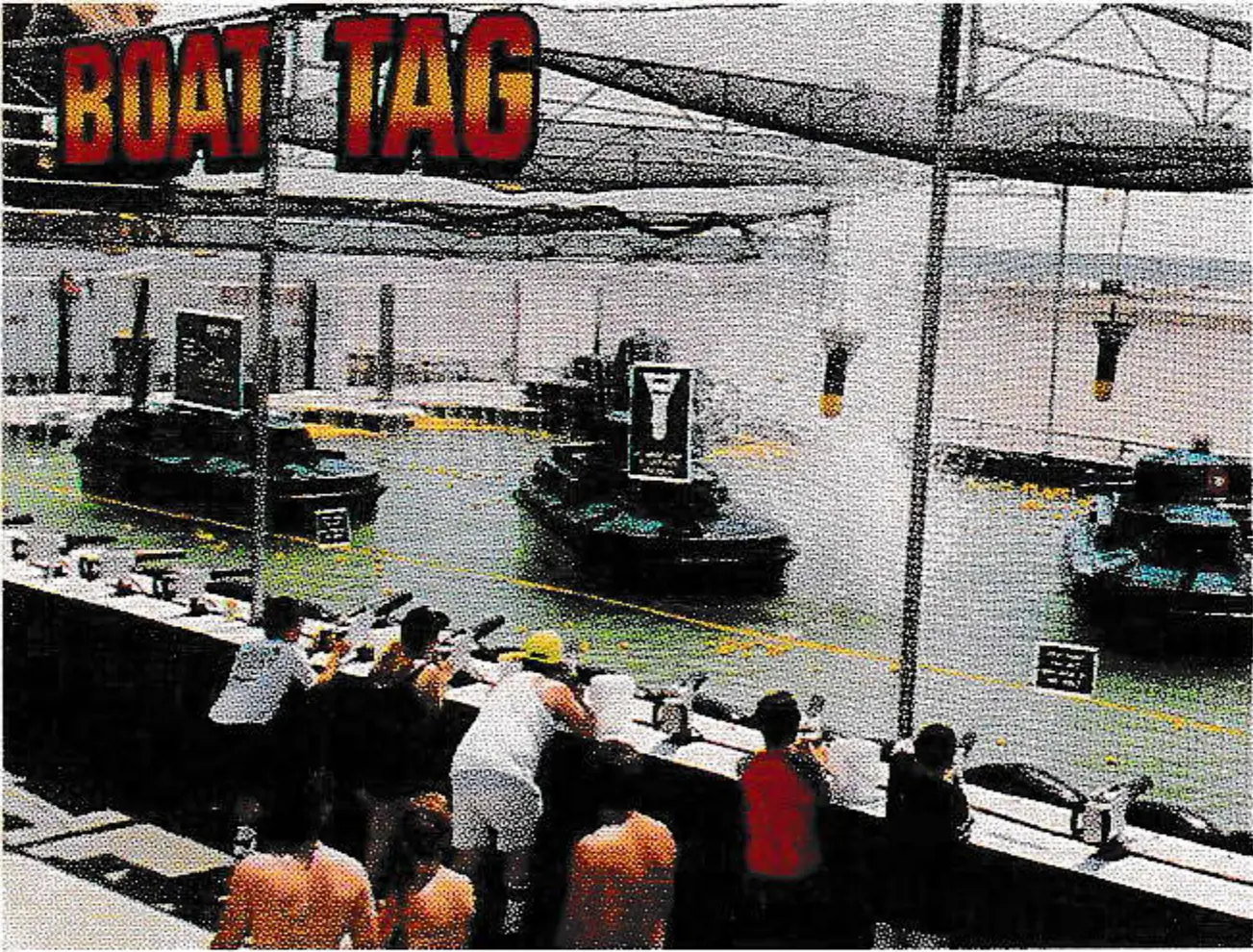
Tank Tag and Boat Tag are the ultimate participatory attractions for drivers, passengers and spectators. It undoubtedly appeals to macho egos, but no doubt less aggressive egos would find these attractions enjoyable, too.
Tank or Boat Tag consists of one- or two-person, fiber glass vehicles that are independently controlled by the driver and operate in a net-enclosed battle zone of either land or water. The vehicles are shaped like battle tanks or gun boats complete with operable pneumatic cannons in forward and turret locations that fire racquetballs at other vehicles, targets or spectator gun-galleries. The spectator gun-galleries also have pneumatic guns allowing anyone to shoot at the roving vehicles. Each vehicle is painted with an orange target on either side of the turret or tank body which immobilizes the gun or vehicle for 10 seconds when struck by a racquetball fired from another vehicle or spectator gun.
Sounds confusing and noisy? It is, but it is fun, too. In Orlando, I spent 40 minutes firing the spectator guns before climbing on board a gun boat as a turret gunner. For about 10 minutes we were peppered by racquetballs until my ears were ringing from all of the incoming rounds and we were wet from special-effect water eruptions. To my satisfaction, I was able to score several hits on the other gun boats and splash my share of spectators.
Tank Tag and Boat Tag were developed several years ago at Dorney Park & Wildwater Kingdom near Allentown, Penn. The principals invested over $3,000,000 and four years in research and development to perfect the concept. According to Robert W. Plarr of Amusement Service Corporation, Dorney Park plans to build seven or eight installations for the 1992 summer season, bringing the total to 23 installations worldwide.
Tank Tag costs between $250,000 and $300,000 to build, exclusive of land and support facilities. Boat Tag is slightly more expensive, up to $400,000, with the necessary water pool. Either attraction is available on a five-year revenue sharing basis with the manufacturer taking up to 50 percent of the gross. The Amusement Services Corporation turn-keys construction, trains the operator and provides maintenance and upgrades over the life of the attraction.
On the revenue side, boat or tank rides cost $4 per person for four minutes. Racquetball ammunition for spectator guns costs $1 for five balls or $5 for a bucket of 50 balls. Because of the turnover rate, the spectator gun-galleries produce more than two times the revenue of the vehicles. Detailed financial information was not available, but at the above rates, every pop of the gun creates 10 to 12 cents of revenue. The noise at the demonstration was non-stop.
While this attraction is best suited for large fairs and amusement parks, mobile versions may be appropriate at large resorts with strong visitor numbers and/or special events.
Classic Rides
There are a few amusement park attractions that hold public appeal no matter where they are located. Chance Rides, Inc. of Wichita, Kans., builds turning, spinning and dipping rides at amusement parks and county fairs as well as classic carousels and nostalgic western-style locomotives. These two attractions offer year-round possibilities at ski resorts and could establish a period theme for a resort village or focal point for a real estate development project.
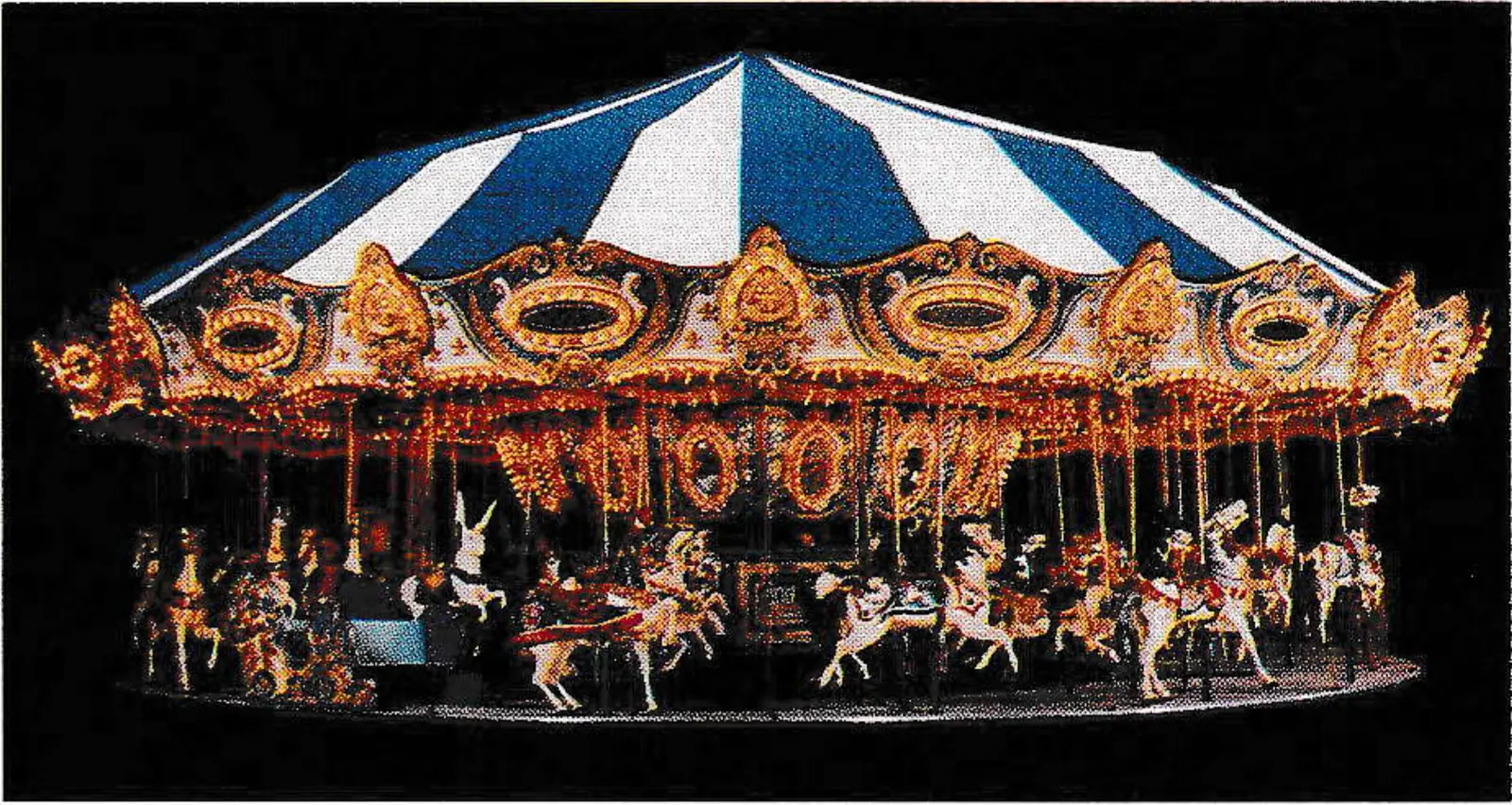
The Turn-of-the-Century Carousel comes in three sizes: 28-, 36- and 50-foot diameters. All are complete with faithfully reproduced horses and menagerie figures molded from historic hand-carved wooden originals of the great carousel era in the early 1900’s. There are over 70 figures to choose from, which are also available for purchase individually.
The 28-foot Americana Carousel is two abreast, 16 jumping animals with two Columbia chariots accommodating 24 adults or 28 children. The 36-foot Classic Carousel is three abreast, 30 jumping figures with two goddess and cherub chariots and a capacity of 38 adults or 42 children. The largest 50-foot Grand Carousel is similar in style to the Classic version, but with 60 four-abreast figures and two goddess and cherub chariots and a capacity of 68 adults or 72 children. Decorative and theme options are available to customize the carousels.
Historically, the carousel was an outdoor summer attraction at city parks, fairs and amusement parks, but the trend today is to install them indoors for year-round use. The 28-foot Americana version costs between $130,000 and $225,000; the Classic Carousel ranges from $175,000 to $275,000 and the Grand Carousel costs from $330,000 to $500,000. The variation in price depends upon options, animal selection and custom features.
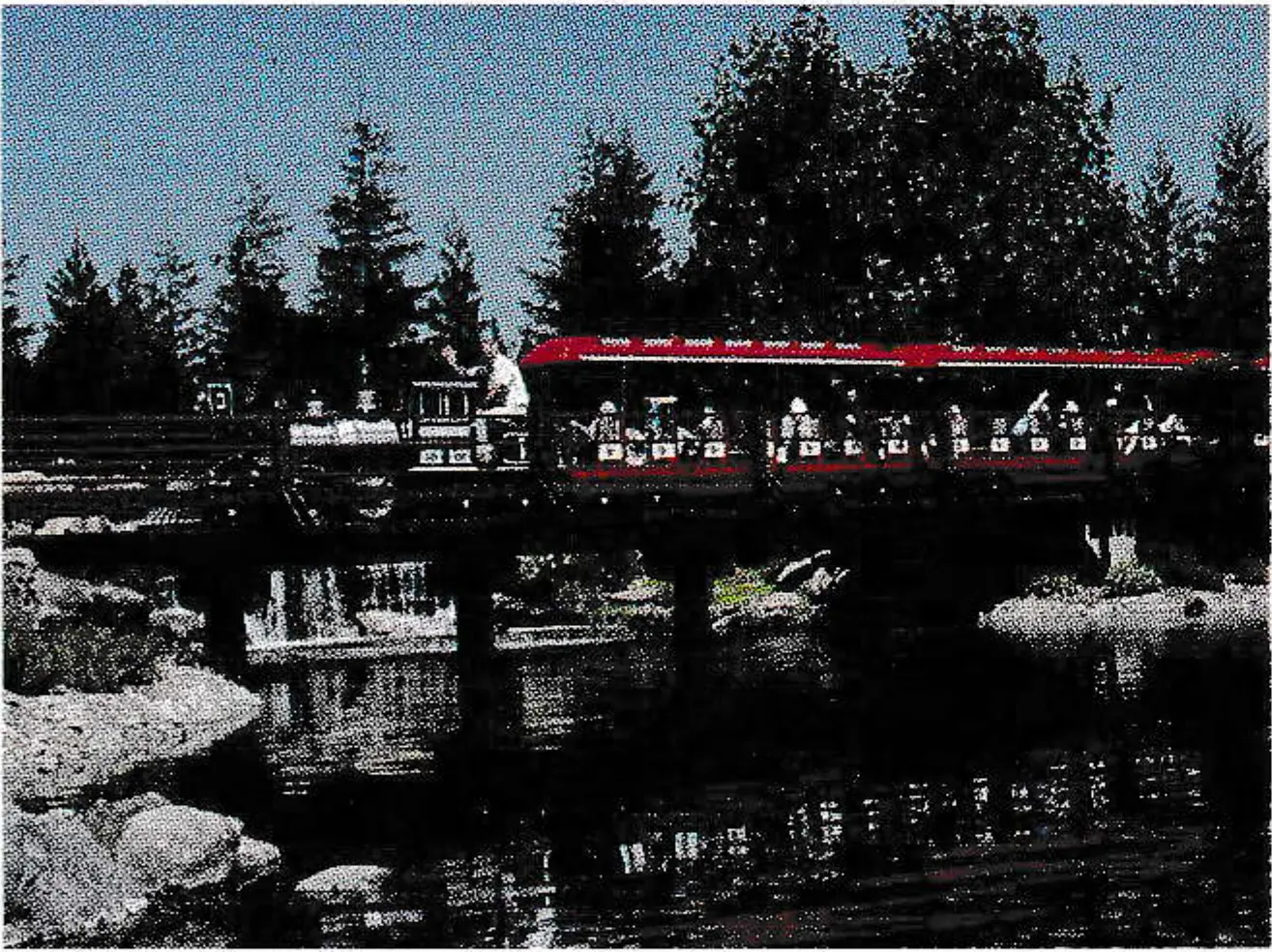
Another Chance Rides, Inc. product that could be suitable for resorts is the C. P. Huntington miniature train, a one-third size, almost exact replica of a famous Civil War era steam locomotive used on the Southern Pacific railroad. Equipped with either four-cylinder gasoline or diesel engines for easy maintenance and operation, the open-car train can carry up to 98 adult passengers around a 24-inch-wide track complete with bridges, trestles and tunnels.
Depending upon length of ride and track layout design, the miniature train installation can cost in excess of $200,000. The engine is approximately $75,000 with coach cars about $17,000 each. Unlike traditional rail vehicles, the miniature train incorporates design standards that allow it to negotiate a tighter turning radius and grades of three to five percent, making it suitable for various types of terrain. One mile of track installed coasts $25 to $30 per lineal foot, exclusing trestles or bridges.
According to Rob Swinson, national sales manager for Chance Rides, the C. P. Huntington will pay for itself in two to five years, depending on the type of installation and attendance. Experience at park and zoo installations indicates that on a national average, most guests will pay a dollar to ride the miniature train.
Trains are not unique to ski areas, however. Loon Mountain, N.H., uses a real steam engine to connect its linear mountain with two base areas. Winter Park, Colo., has direct, round-trip train service from Denver as a nostalgic transportation alternative. There is also a study being conducted to determine the feasibility of train service between the Aspen ski areas. While the C. P. Huntington is not a full sized train, it could offer other resorts the possibility of a train amenity for winter or summer use.