

No wonder, because snow removal outwardly appears uncomplicated. But, experience too often reveals some major problems and hazards to the precious master plan caused by this supposedly simple operation. Unplanned snow removal can result in major changes in the visual character of the development as well as significant and irrevocable damage to the natural ecology of the region.
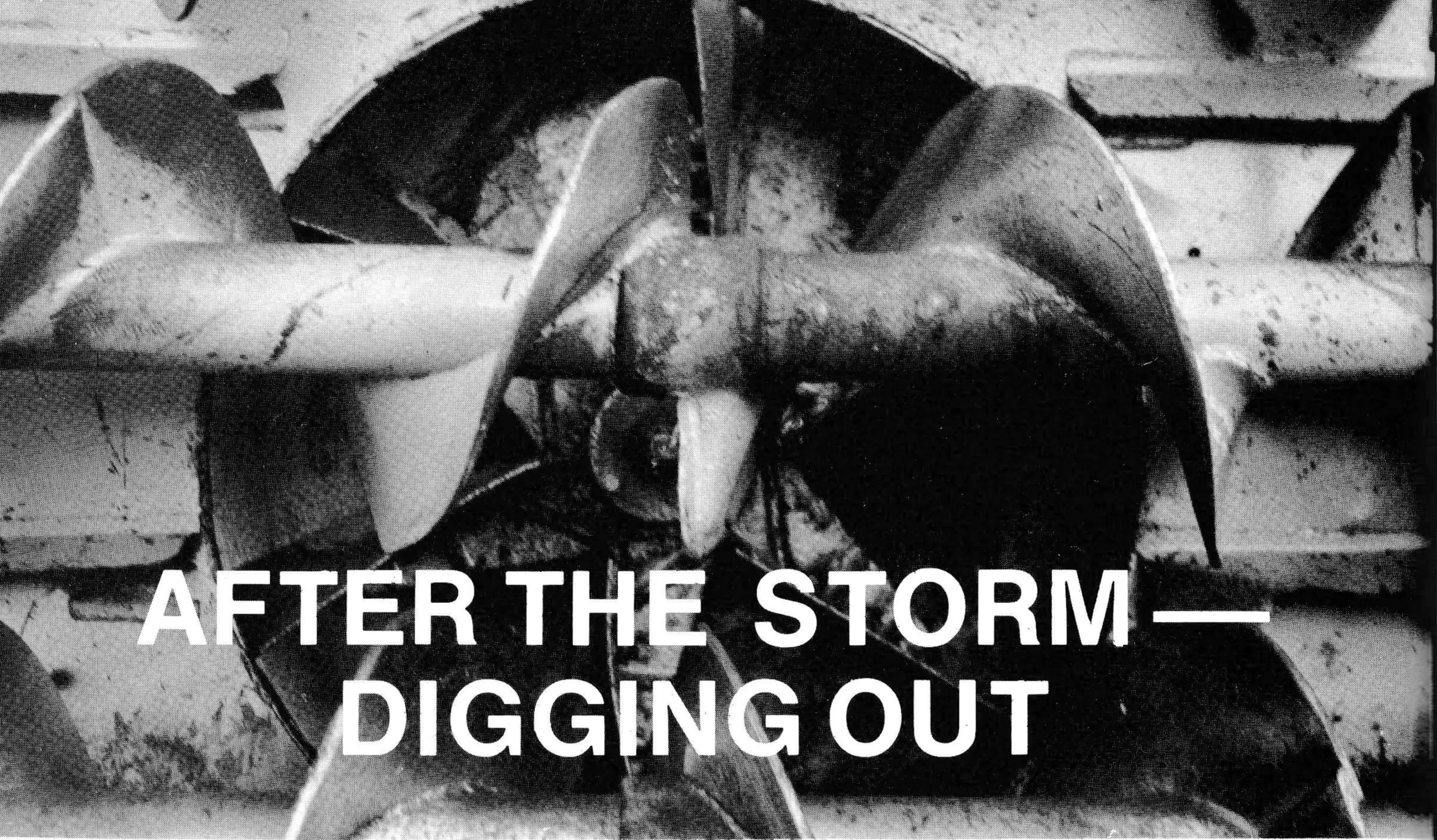
Consider the modern techniques of removing snow and you’ll understand how these problems and hazards develop. In regions where there is large volume of snow fall, high speed rotary blowers with huge twisting screws consume immense amounts of snow pack and regurgitate it through large tubes in high arching flumes. Of course, this snow pack is not simply snow, but ice, gravel, salt, debris and sand as well. The intense force of these materials falling on the vegetation bordering the roads and parking areas month after month, season after season eventually has an impact. The most serious damage is to the bark on trees which is blasted away and over the short growing period before the next season, this bark does not have a chance to rejuvenate itself. With this protective covering gone, the tree is vulnerable to further damage. Finally the cadmium layer is exposed and eventually the tree dies.
For roads and highways, the damage caused by snow blowers is difficult to prevent. Efficient and fast snow removal is essential for the safety and functioning of the roads. Large dump areas for snow might be provided, but in regions where the volume of snow is great this is impractical. Trees along the sides of the roads could be aligned differently with some set back farther and some set forward. But, the final solution for some situations is simply not using the most damaging types of snow removal equipment.
Ski area parking lots, on the other hand, can easily be planned or modified to accommodate snow removal. First, snow accumulation areas can be provided so the blowers can operate freely without damaging vegetation. This may necessitate using bladed plows to push the snow to the accumulation area where blowers can then heap it at will. Another solution is to selectively remove trees to allow the blowers to operate around the parking lot. This requires careful observation and direction of crews during the construction of the lots. Finally, parking lots can be large enough so the snow can be removed with push plows rather than using blowers at all.
Snow blowers are necessary because they do a fast and efficient job. But trees are necessary, too, for visual screening and amenity. With planning, both trees and blowers can exist side by side.