


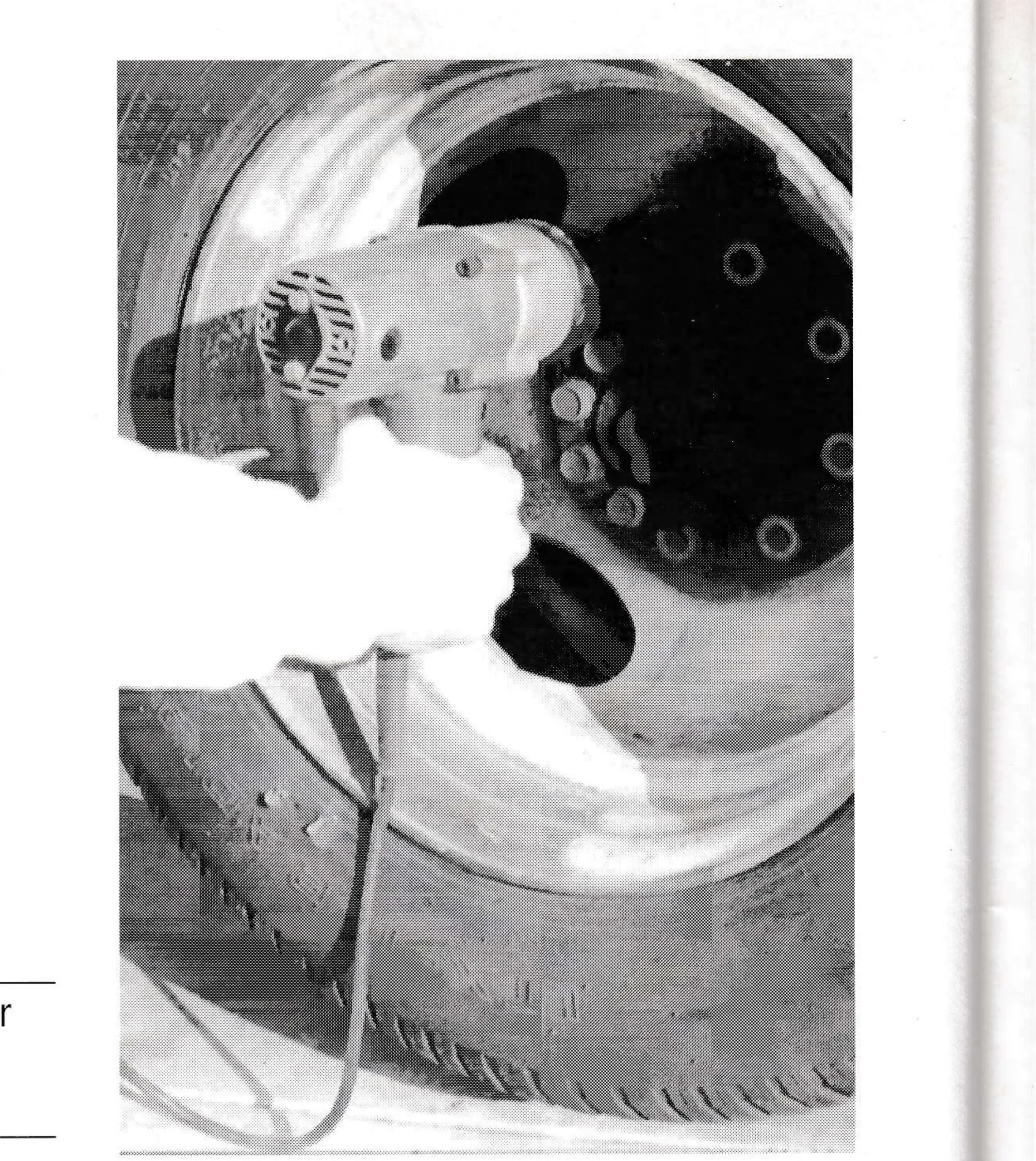
Removal and replacement of nuts and bolts is an everyday occurrence for shop mechanics. Impact wrenches make the job easier and safer because of the self-limiting nature of the tool’s transmission. A rapidly rotating drive quickly places nuts into home position while a clutch assures that the unit won’t overtorque the fastener.
Impact wrenches are categorized by the size of the drives and, although a wide range of sizes can be found on the market, generally speaking, the half-inch size handles most applications and is very versatile. Nine units were tested and judged on the basis of power-to-weight ratio, torque, materials and construction as well as speed features.
Impact wrenches require special sockets that are tempered for impact, but using traditional hand-tool sockets on electrical impacts can be dangerous. These sockets can blow-up and cause injuries. In fact, OSHA prohibits the use of traditional sockets for impact wrench operations.
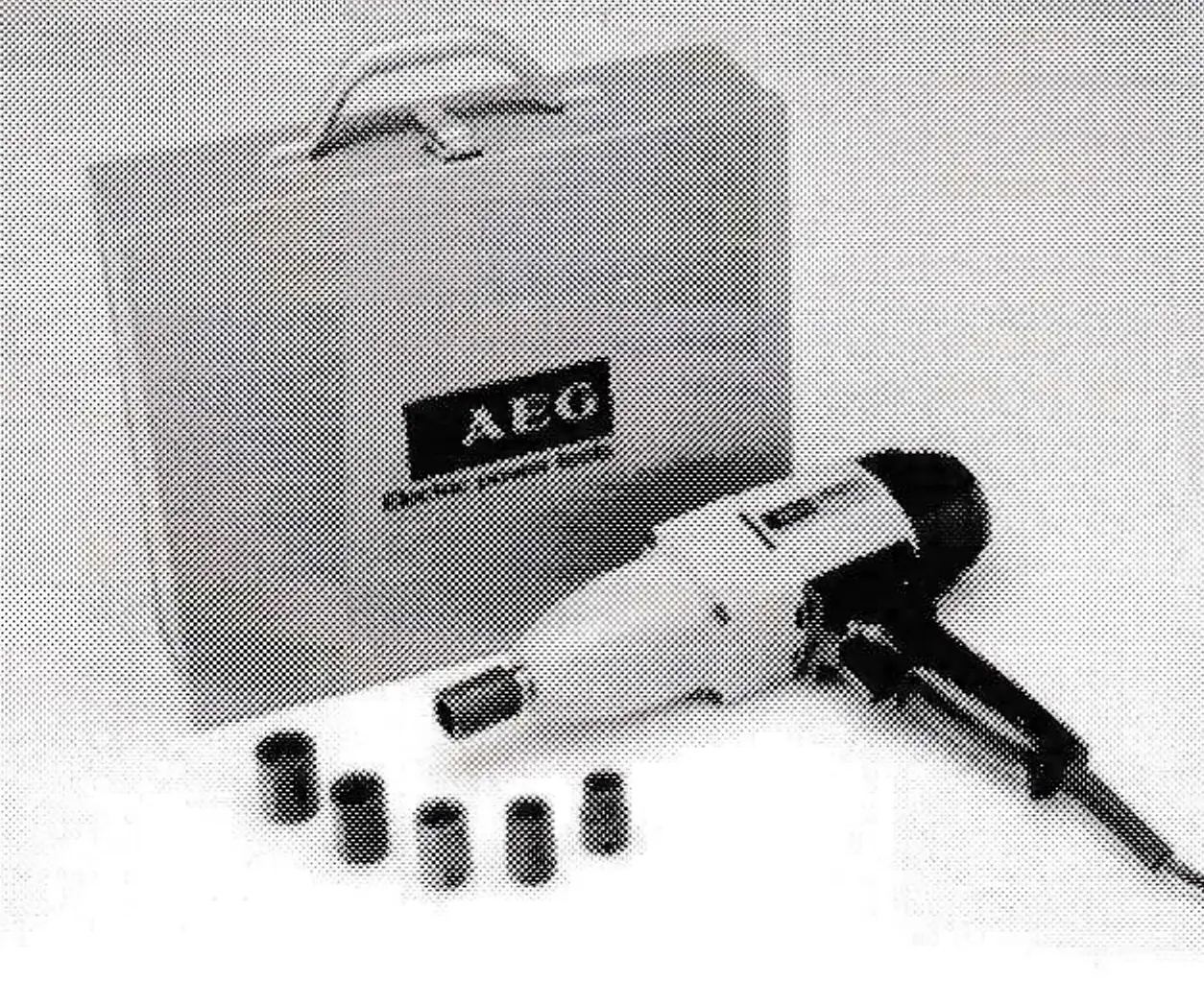
AEG – Model IW-12/1
Ryobi – Model IW-1400
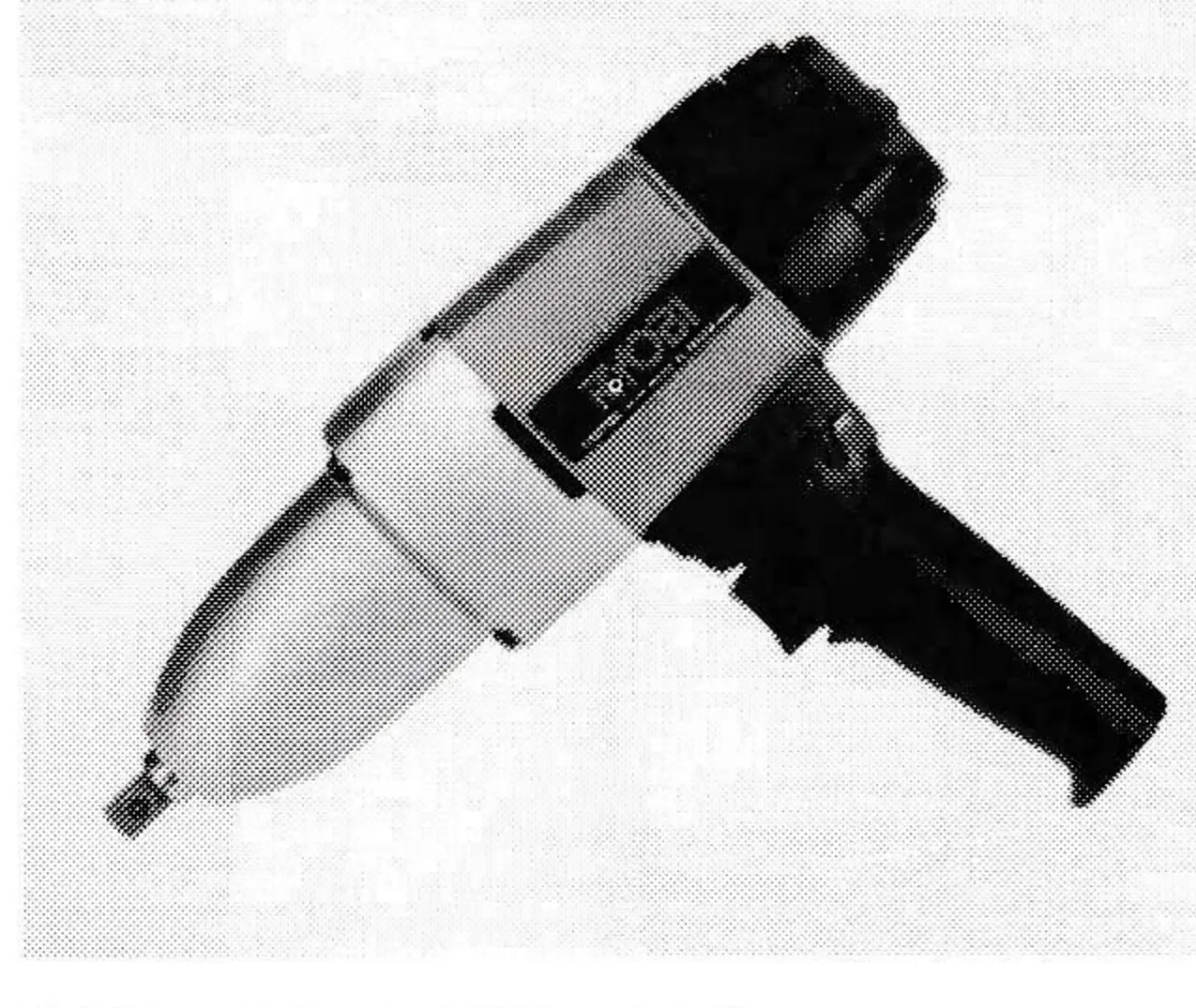
The AEG and the Ryobi are duplicates, except that the AEG is grey in color and the Ryobi is blue. The net weight of these units is about average when compared to competitive tools, but the power is a little below the mean. This could be an issue on larger applications or when removing a bolt that is frozen in place.
Like most wrenches on the market, these units incorporate both composite plastic and die-cast aluminum parts in the housing. The use of plastic in this tool type is questionable, but the machines are lighter due to the mix of materials.
Among their features, the AEG and the Ryobi have a rotating-hub type switches on the rear handle mounts for direction reversal. While this type of switch has a downside because it is slower in making a directional change than rocker switches, it offers an additional margin of safety. This choice is one of personal preference between speed and accuracy.
Another feature is a socket that can easily be snapped into place by pulling on the old socket grip and replacing it with the new one. Other units require the use of a releasing tool to depress the holding mechanism that retains the socket.
One shortcoming is the lack of surface accessible brushes for maintenance. Judging these two units overall, they are middle-of-the-road, so a major consideration is whether or not the power is sufficient.
| 1-10 Rating | Manufacturer | Model | No Load RPM | Torque (Ft.-Lbs.) | Impacts Per Minute (Full Load) | Socket Release | Amps | Weight | Suggested List Price |
|---|---|---|---|---|---|---|---|---|---|
| 8 | AEG | IW-12/1 | 1900 | 30-180 | 2000 | Quick | 5 | 6.8# | $329 |
| 9 | Black & Decker | 2674 | 2100 | 240 | 2700 | Quick | 7.5 | 7# | $259 |
| 9 | Bosch | 1436VSRK | 800-1900 | 50-185 | 1600-3800 | Positive | 5.5 | 6.75# | $465 |
| 9 | DeWalt | DW290 | 2100 | 240 | 2700 | Positive | 7.5 | 7# | $262 |
| 8.5 | Hitachi | WH16 | 1700 | 220 | 2000 | Quick | 5 | 7.25# | $350 |
| 7.5 | Makita | 6905B | 1700 | 217 | 2000 | Quick | 4 | 6# | $330 |
| 8.5 | Porter-Cable | 625 | 2000 | 110-140 | 2000 | Positive | 4.8 | 7# | $345 |
| 8 | Ryobi | IN-1400 | 1900 | 30-180 | 2000 | Quick | 5 | 6.8# | $319 |
| 9 | Sears | 275131 | 1900 | 240 | 2700 | Quick | 7.5 | 7# | $137① |
Black & Decker – Model 2674
DeWalt – Model DW290
Sears – Model 275131
These three machines are identical with the exception of labeling, housing-color, and socket-retention features. DeWalt utilizes a positive lock that requires depression via a small tool, while the Black & Decker and the Sears models use a quick-change system.
As to power-to-weight ratios, all three units are excellent with the highest amperage and torque ratings of all the machines tested. The number of impacts per minute was also extremely high compared to the average, which accounts for faster response as well as being able to unlock frozen bolts.
For housing materials, the manufacturer choose to utilize a plastic/metal mix that’s the industry standard. Metal to the front nose and plastic toward the rear grip isn’t a bad combination, but it won’t take the same amount of abuse that all-metal units can handle.
The switch is the rocker type that’s pinned to center pivot and is moved forward and down for reverse. Though this gives a gain in removal and tightening speed, there is a risk running the wrong way if an operator is in a real hurry. Maintenance is easy for these three tools because the brushes are located on the surface.
Bosch – Model 1436
When it comes to power-to-weight ratio, the Bosch is a different ball game. It is also the only variable speed unit tested, allowing the operator a blows-per-minute range choice as well as the ability to adjust the rpm’s. The overall power and torque is lower than others tested, but the weight is too. This variable adjustment translates into a wider working application range and less operator fatigue.

The unit’s housing is the typical metal/plastic mix common to the industry. The socket release mechanism requires the depression of a pin with a tool. The switch is the type of control found on most triggered-electrical tools: a reversible trigger operated by a fore-fingered flip switch. This safer than a rocker and almost as fast, but constant abuse can cause this type of switch to fail or break off.
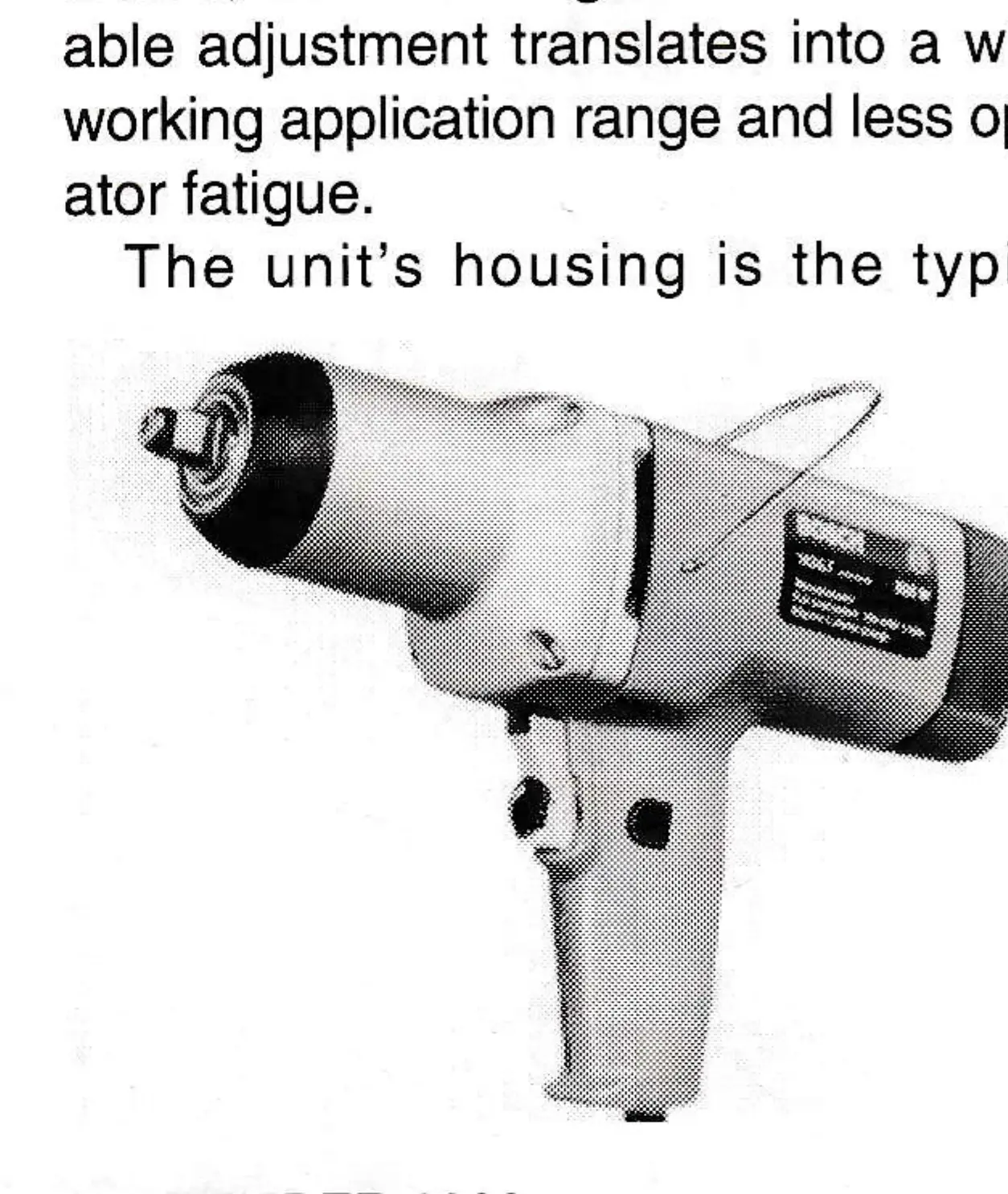
A neat addition is a wire loop attached to the unit’s top housing that allows it to be hung on a peg or nail. The unit also has a metal case and a six-piece socket set that run from 1/2″ to 13/16″. The carbon brushes are not surface-accessible. For smaller bolts that have a tendency to shatter easily due to their inability to take heavy impacts, the Bosch worked well.
Hitachi – Model WH16
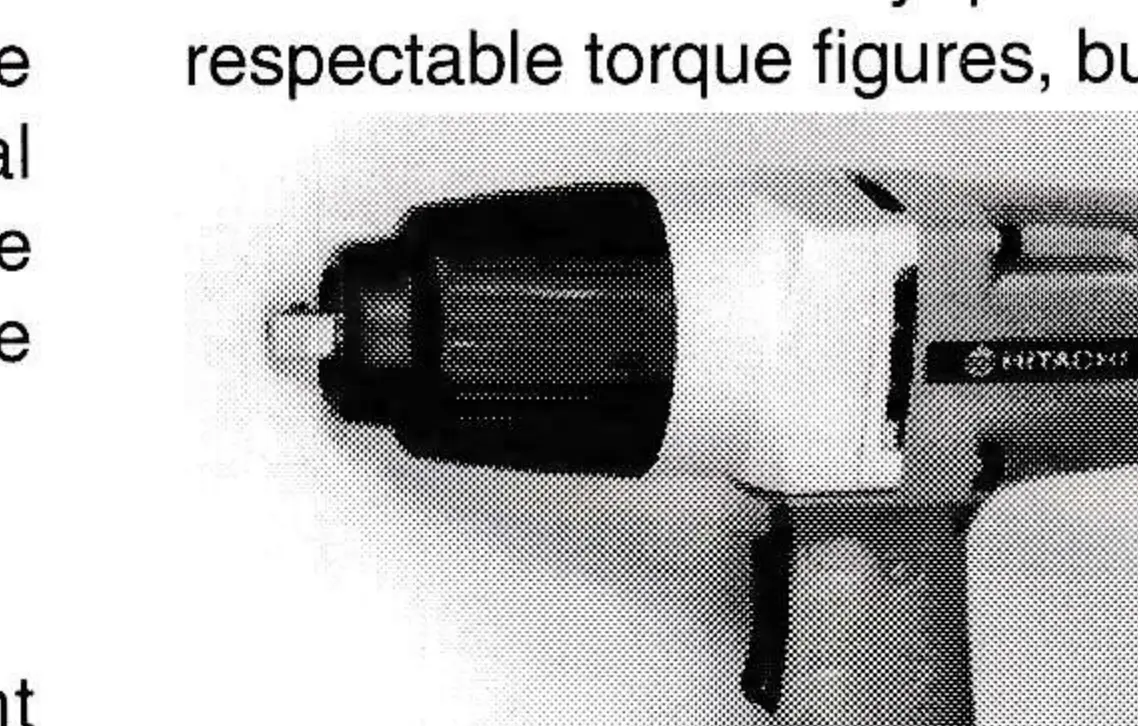
This unit is fairly powerful with respectable torque figures, but it weighs more than any of the units tested. The housing construction is a combination of aluminum and plastic composite mix with a rubber boot on the front nose to absorb impact and lengthen tool life.
The rocker switch accommodates two fingers for better control and less accidental reversals. The socket retention mechanism is of the quick-release variety and the brushes are externally accessible. Though this unit is no-frills, it’s a tough contender.
Makita – Model 6905B
The Makita lacks in amperage power, but through the magic of gearing, it can reach a reasonable torque. It is difficult to accept the manufacturer’s torque ratings, although in field performance, power-to-weight, this unit is the lightest in its class. Qualitatively, the unit does not perform as well as the others tested.
The machine’s construction mirrors the composition of the Hitachi, down to the rubber boot, but it’s not an exact duplicate. The brushes are surface-accessible and the socket retention system is the quick-release variety. Despite drawbacks, the unit is fairly compact and, when coupled with light-weight, the user benefits from added maneuverability.
Porter-Cable – Model 625
This is a reduced-torque tool that, in spite of its low torque ratings, did extremely well in field trials. The amperage is also low, but the tool chugged away at frozen nuts almost as well as some of the higher-powered machines.
What is really appealing about the Porter-Cable is the all-metal housing, right down to the trigger. The only plastic is a rotating-hub switch that’s located on the rear of the housing. This tool stood up to hard work and abuse and, although this may not be the least expensive way to make a housing, it is the best way.
One problem with the metal housing is that this isn’t a double-insulated tool, which could spell trouble in wet snow. The cord set is grounded, however, providing some limited protection.
For socket retention, this model incorporates a positive lock that requires depression for removal, but the lack of surface-accessible brushes hurts the unit in the maintenance category. One big plus is the compactness of the unit, allowing great maneuverability.