Two former ski area marketing types are riding a chairlift together. One says to the other, “Ya know, webcams at ski areas are completely useless.” The other one says, “You’re right.” Being one of those two riders, I’ve come to the conclusion that as far as marketing benefits are concerned, ski area webcams are worse than having no webcam at all.
Think about the images you saw the last time you logged into a ski area webcam. Let’s imagine it’s a bluebird day, bright and sunny. A perfect day for skiing —and outdoor photography, right?
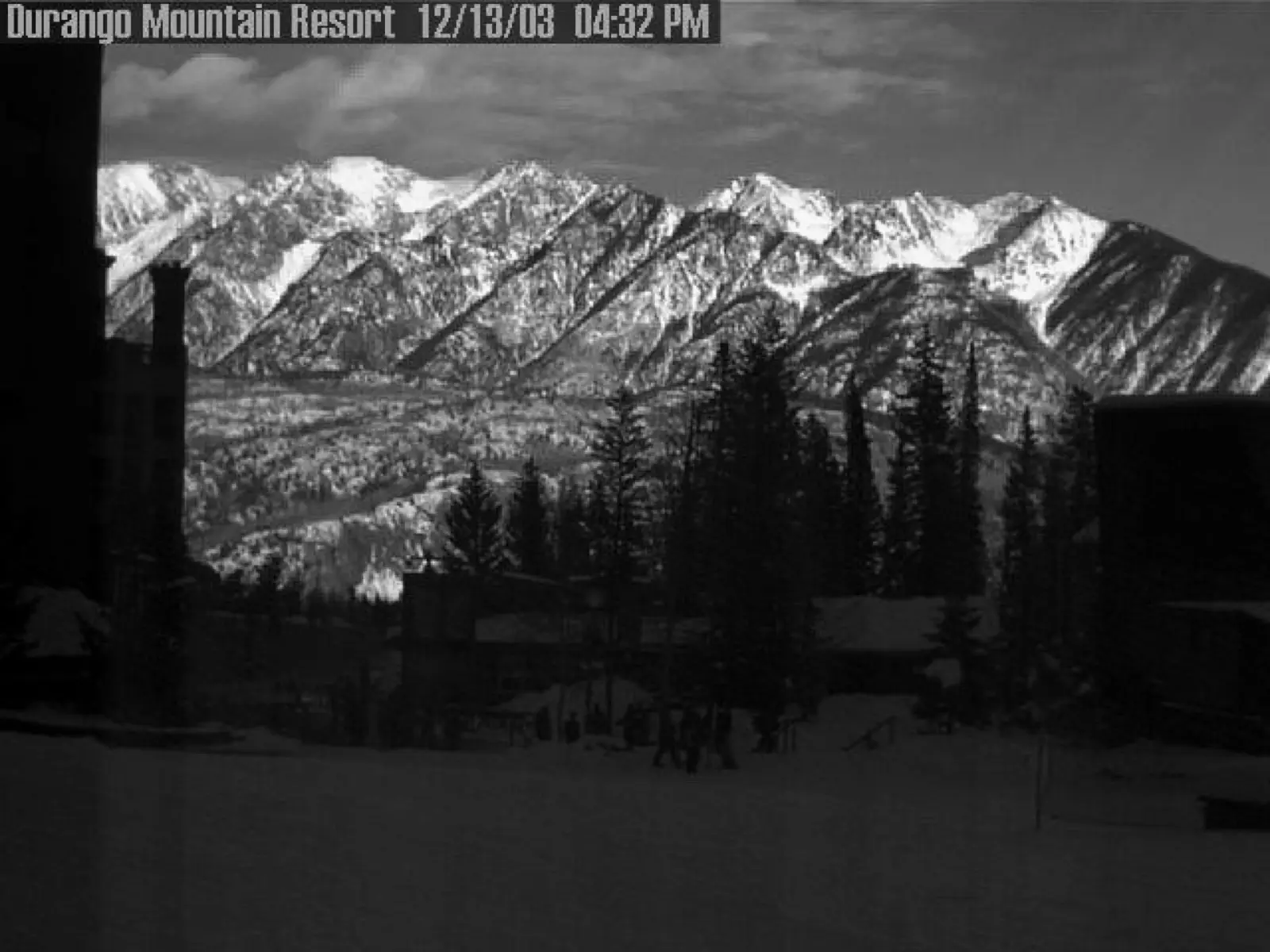
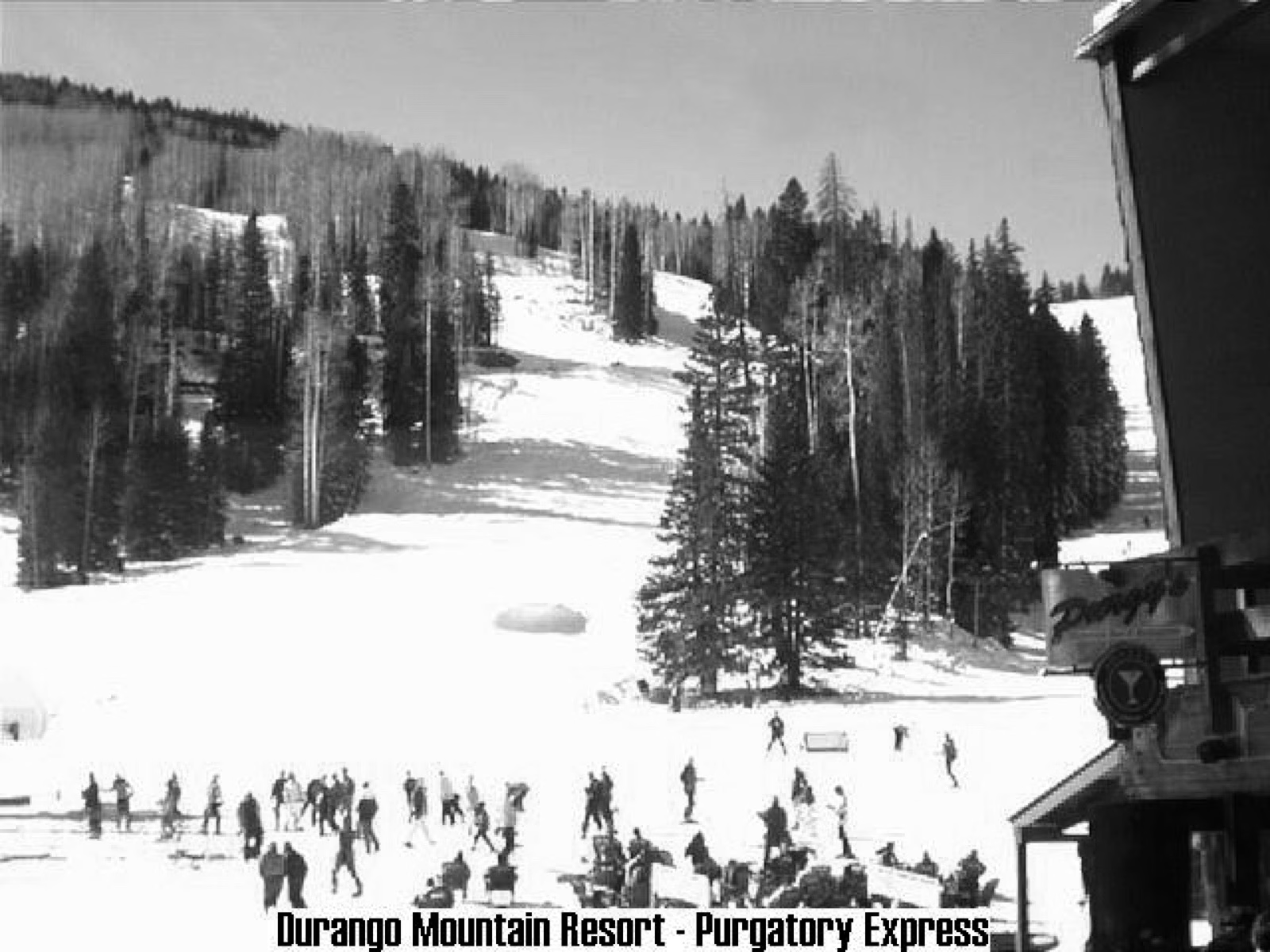
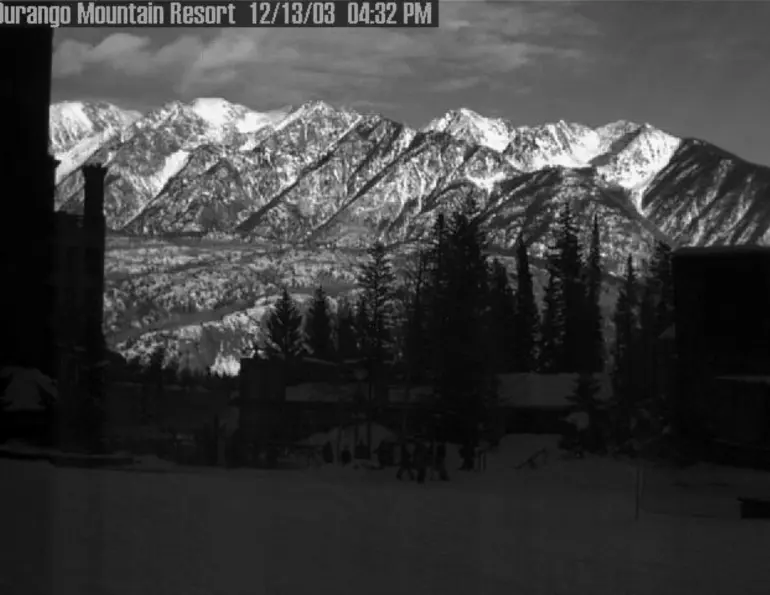
But what kind of image did you actually see on your browser? Chances are it was either brilliant sunlight reflecting off the snow, completely washing out everything else in the image, or else a bright blue sky, with everything else in the image too dark to make out any detail. Most webcams don’t offer sufficient contrast. Or else they don’t have an auto-contrast feature that works properly under the lighting conditions you get on a ski hill.
Now let’s consider the days when it’s snowing, overcast, foggy, or all three. Perfect. These are days for powderhounds. But, what can you see through the webcam? Gray. Big piles of gray. Nothing you can make out, at least. You can’t actually tell how much it’s snowing. For all intents and purposes, it’s just a bad, fuzzy, out-of-focus photo. Is that going to help marketing any?
The only thing I’ve ever really wanted to do with a webcam is to stand in front of it, and wave my arms while calling my buddy in San Diego on my cellphone. I want to make him jealous because I’m out skiing and he’s working his butt off paying for a BMW, house, wife, and kids. So I figure out exactly the right place to stand, a time when I know he’ll be logged onto the Internet, whip out my cellphone, and dial. “Can you see me now?” I ask. His answer is always the same:
“Well, I can see something. Kinda looks like a giant chicken. Is that you?”

And, most webcams don’t work most of the time, since anything digital left out in freezing weather doesn’t seem to work well or last too long. You’d need a professional-grade digital camera, with quality lenses, inside a heated weather (and vandal) proof Lexan box with a windshield wiper system if you really wanted webcams to work, along with remote pan and zoom controls, and auto-exposure that worked properly. And probably an anti-theft alarm system, as well. So far, not many ski areas seem ready to go to this level of expenditure. Either that or not too many webcam manufacturers have figured out how to build one.
The one place I’d really like to see resorts point their webcams is at snowsticks placed at various places on the mountain, so at least I could see, visually, how much snow, if any, has fallen in the last hour, day, or week, just by looking back in their archives of webcam photos. But they don’t.
So here’s what we concluded on the chairlift. Ski areas should forget about webcams completely. Save the expense and bother. Send out a marketing person, once a day, once an hour, whatever, armed with a good digital camera that they know how to use. Tell them to take a couple of ski runs, make a few laps on the lift and snap a couple of good photos of smiley, happy people. Women skiers in Bogner pants. Snowboarders hucking hits. Blue skies. Time and date stamp the photos. And post them up on the resort website within the hour, using a website content management program (like WebGUI) that makes posting photos a 30-second job anyone can do, instead of requiring an HTML rewrite by a webmaster.
Good photos can help market a ski area. Pictures of people having fun, face shots, powder flying everywhere, blue skies, sunny days. As far as what I’ve seen, 99 percent of what we get from webcams are lousy photographs that any competent photographer would immediately throw out. Maybe it’s time to give up on webcams. It sure seemed like a good idea, but. . .