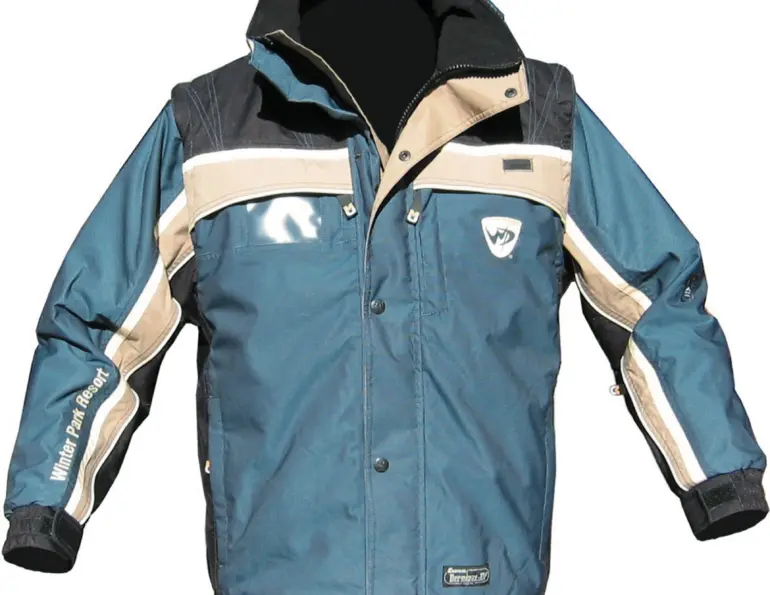
When you walk into an unfamiliar store—Victoria’s Secret, say—and you need advice on a purchase, wouldn’t it be handy to be able to easily spot the help among the other shoppers? Well, visitors to your mountain react with the same sense of relief and gratitude when you make it easy to pick out your staff.
Resort uniforms can perform that function. And that’s just for starters. A good uniform also helps establish your resort’s image. It’s as much a part of an area’s branding as advertising and developing a recognizable logo.
A good uniform also makes your employees more productive. Uniforms that are stylin’, keep employees comfortable and dry, and allow them to perform their jobs help boost both morale and the quality of their work.
So it’s important for your uniforms to both function well and look great. Not to mention the garments must be built more ruggedly than the skiwear found in ski shops—area employees use their gear more frequently, and less gently, than the average skier.
That’s a lot to ask from some swank threads. Meeting both style and function needs almost always requires custom garments. Which is why the custom uniform business is thriving. Suppliers include marquee brand names such as Spyder, Descente, Sport Obermeyer and (new this year) Burton; uniform specialists such as Avalanche, Mountain Uniforms and Beyond-X; and heavy-duty work clothes specialists such as Ski Area Supplies.
Establish your identity
“A good uniform is like landscaping,” said Kim Stearns of Mountain Uniforms. “It should be identifiable, yet blend in.”
To suit the images of different areas, suppliers offer both classic and new styles. Both types incorporate the details that resort employees find useful: radio pockets, nametag holders, technical hoods, secure closure systems.
Then comes the issue of color. Many resorts have their own signature colors, which can often be applied to uniforms.
Uniform suppliers tend to offer as much (or as little) fashion advice as customers want. Since fashion is their business, it makes sense to hear what they have to say. (For example, several note that ski and snowboard styles are merging, which makes it possible to create similar styles for both groups of instructors.) Suppliers often can provide advice on regional and national trends and help you choose a style that will remain current and distinctive for several years.
But suppliers also encourage resorts to explore options on their own. Several provide interactive online catalogs, so areas can mix and match pieces—jackets, fleece, pants, t-necks. These can be a good starting point.
Regardless of which company you choose, consider several criteria for the finished product: durability, the functional needs of your staff, and the flexibility of the supplier to provide reorders in future years.
Durable Fashion
Durability has several faces. Uniform fabrics are usually beefier than for consumer skiwear. This does not mean that they have to be boardy, though. “Lighter, softer fabrics can be made tough—you don’t have to use Cordura all over,” said Stearns. Although Cordura is still an option.
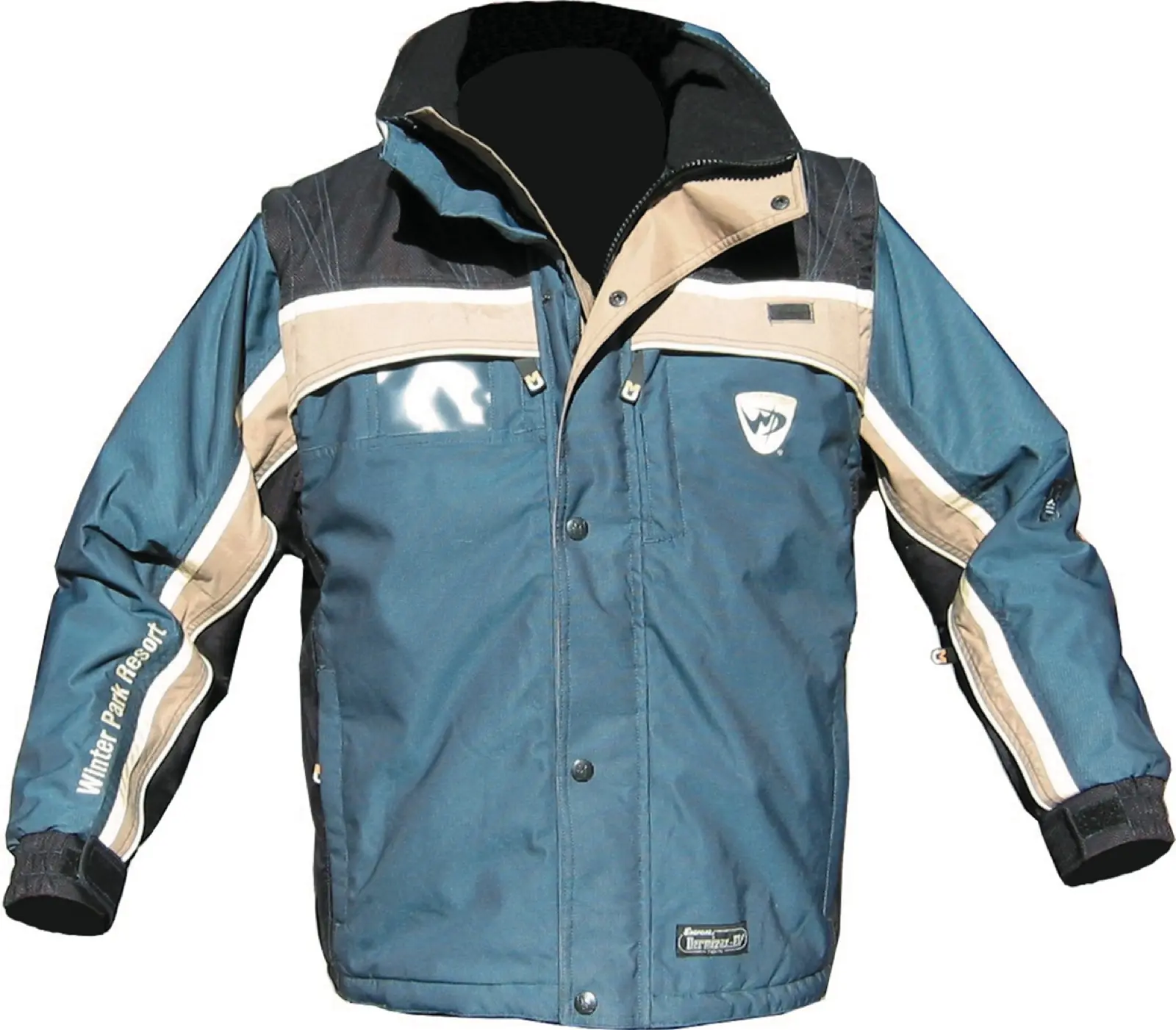
In addition, uniform fabrics often have heavy-duty weatherproofing treatments. For example, both Descente and Mountain Uniforms use Entrant Dermizax, a highly water-repellent, highly breathable fabric. Most companies also make sure the seams are durable. How? By using sturdier thread, double-stitching seams, and bar-tacking high-stress areas. Several suppliers do 100 percent seam-sealing, and that further reinforces the seams.
Waterproofness and breathability are even more important characteristics in a uniform than in regular skiwear, and providing both often requires special care. For example, the more waterproof the fabric, the less breathable. Therefore, a highly water-repellent garment should have other means of breathing or venting, such as pit zips or vents.
Another key area is colorfastness: if your corporate colors fade, the uniform loses its branding value. Colorfastness is measured on a 1 to 6 scale. Most consumer skiwear rates 3 or 4, while uniforms should rate 5 or 6. At altitude especially, UV blocking is essential to protect color.
Performance Fashion
For staff to love their uniforms, the gear has to perform. And that means something different to each group of employees. Ski school needs differ from the patrol, which places different demands on clothing than the lifties, whose needs are not the same as the groomers or lift maintenance or the snowmakers. The solution? Custom features. For snowmakers, said Brian Brooks of Avalanche, the company might add heavy-duty Cordura on the shoulders, with extra waterproofing on the flat surfaces. For ski patrol, there might be a zippered pocket on the sleeve to hold latex gloves, and a radio pocket built to size.
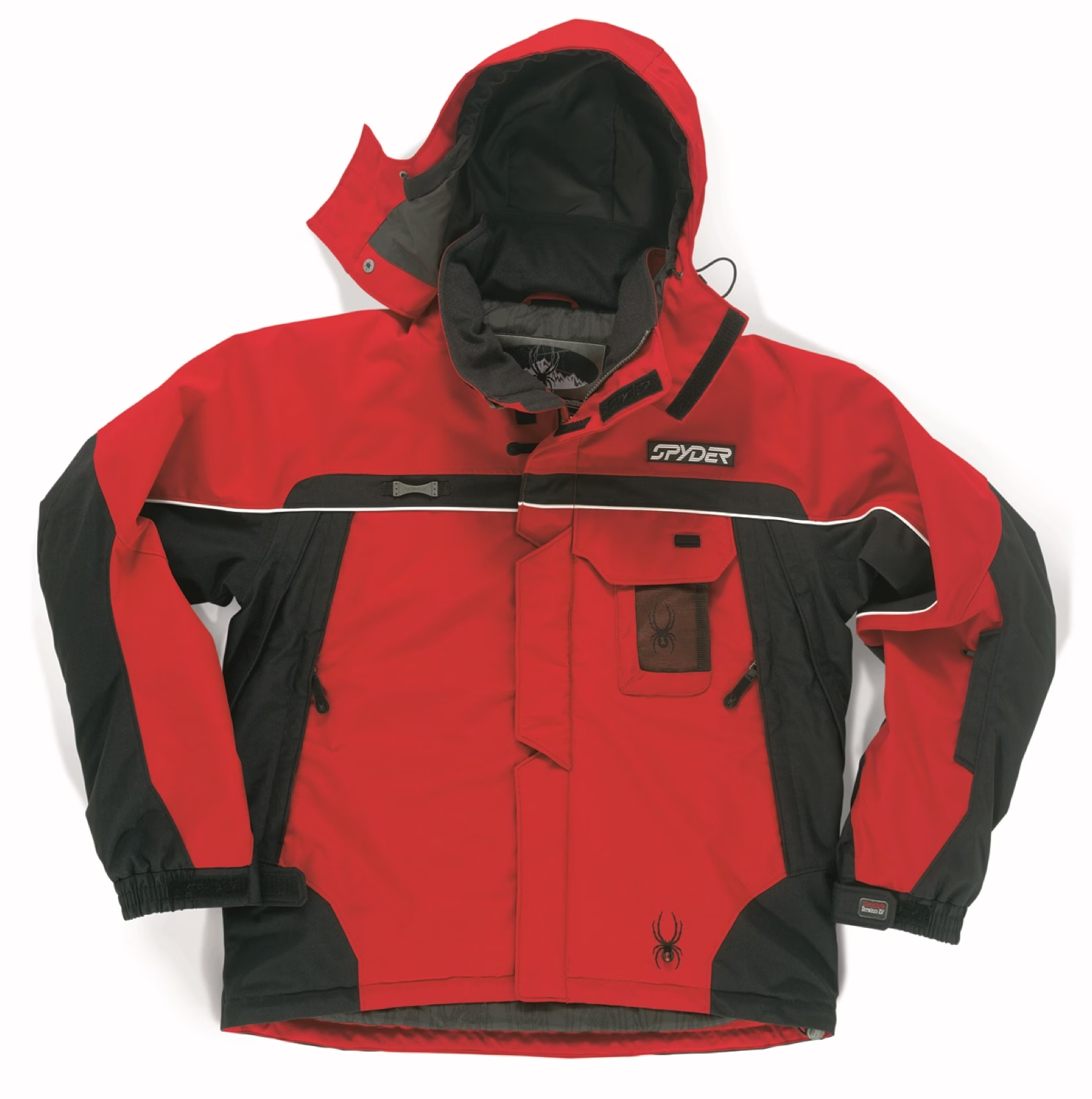
“It’s important that the employees are well taken care of—uncomfortable employees are unhappy employees,” Brooks said.
And Avalanche is not alone. “We try to do different things for different departments,” says Kip Zupancic of Descente. “The design is similar, but we use beefier fabrics for those in heavy-duty work.”
And there are regional considerations, too. Some areas need heavy insulation while others need more waterproof-breathable capability. So manufacturers can design a mix of features to suit just about any situation.
“We look at the climactic conditions we’re building for, and recommend accordingly,” said Brooks. For example, the company uses a thicker Hydroflex membrane for garments headed to the Northwest, to provide greater waterproofing. A parka for Colorado gets lighter or less insulation, less aggressive weatherproofing, and more UV protection to guard against fading.
The most extreme example of this is the customized gear for maintenance crews and snowmakers. While Mountain Uniforms and Avalanche make substantial modifications for these employees, they are the main customers of Ski Area Supplies (SAS). This company specializes in making work clothes for the down and dirty resort jobs. SAS manufactures garments in 1000-denier Cordura, about the toughest material short of the Kevlar fabrics used in bulletproof vests. Jackets are often mated with bibs made of ballistics cloth. And both jackets and pants have the sort of pockets, hoods, etc., that employees ask for.
Continuity is a key element of the business deal. Suppliers often guarantee reorders for a given style for a period of years. You should be able to reorder and fill in with the same colors and style for two to four years, depending on how long you expect to amortize the garments. Three years is fairly standard, although some suppliers, especially the uniform specialists, will maintain a style longer. Mountain Uniforms kept one uniform running for seven years, “at which point there were probably no original pieces left,” Stearns said. And Beyond-X has provided the same style to one area going on six years—about as long as Beyond-X has existed.
Costing it Out
Price should be among your final considerations, not the first. “The first question is usually, ‘how much is your jacket?’” said Karbon’s Peter Schure. “But that’s not the issue. It’s ‘how much do you like it?’ The goal is to produce something that promotes the resort. The business deal is the last part of the equation.”
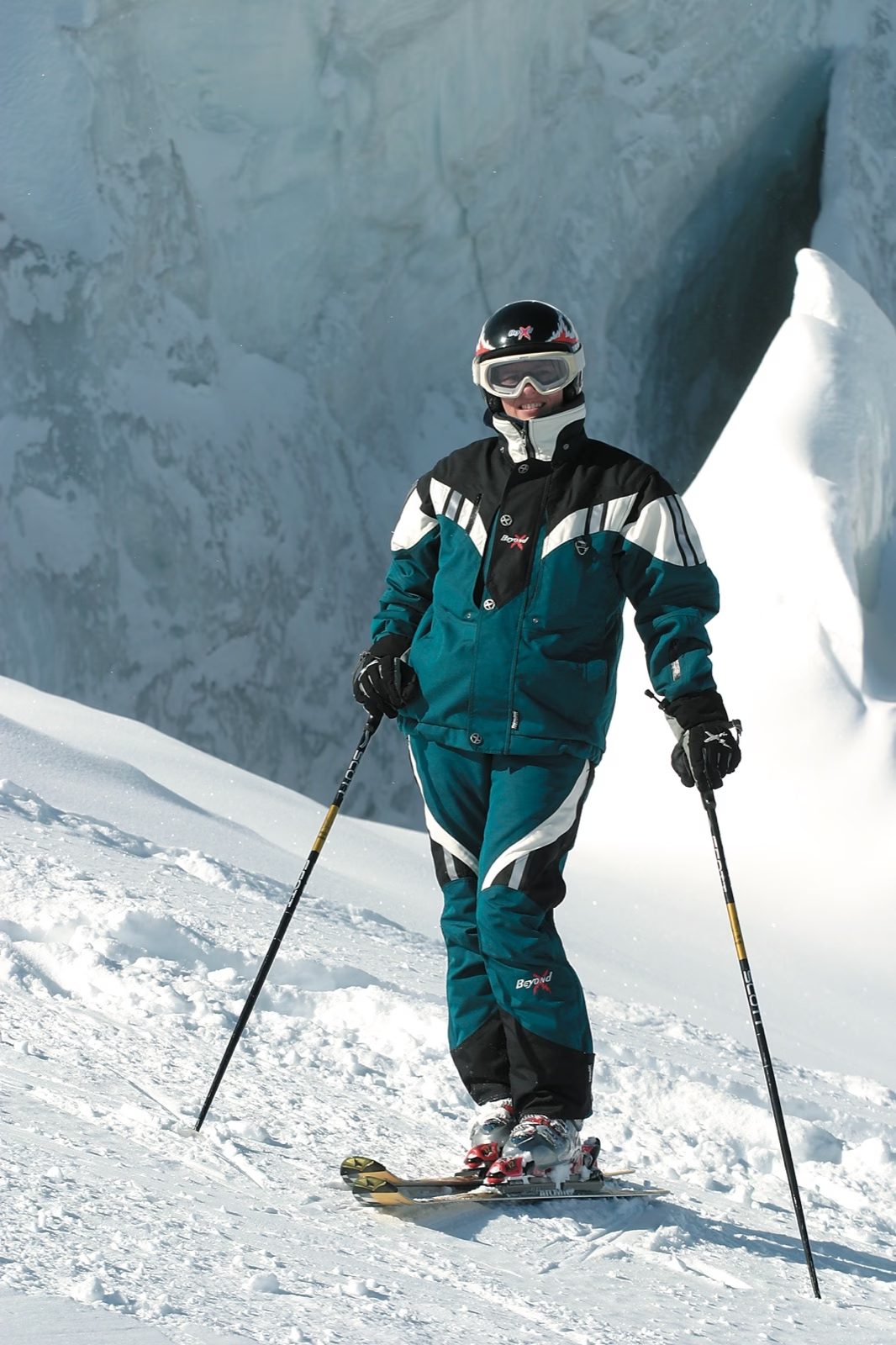
Price is less of an issue in part because the range is not great. Prices generally run $125 to $200 for jackets, $100- to $160 for pants; the most fashionable garments, as well as the most specialized gear for the patrol or snowmakers, can run a bit higher. The more complex the garment and the better the fabric, the more the cost. On the other hand, the larger the order, the greater the discount.
When determining cost, “don’t just look at the upfront cost,” Brooks advised. “Consider the cost amortized over its life. If you buy a good-quality uniform, it should last four years. If you buy a less-expensive program, you might have to amortize it over two years.”
Plus, uniform suppliers can always find ways to accommodate the various needs of different departments and still achieve some economies of scale and keep prices down. “I want [resort employees] to look amazing, but keep [the price] practical,” Schure.
“There are lots of efficiencies in doing a coordinated program,” said Stearns. For example, it’s often possible for several departments to share a pant style, while the parkas can be customized to suit specific functional requirements. Less expensive fleece tops give a uniform flexibility and can save dough in the long run. “Whatever level of warmth you need, the look is the same,” she added. “And a fleece program can help the entire program last longer. People wear them more often, so the more expensive stuff lasts longer.”
And don’t forget reorder pricing. Some uniform suppliers will hold the initial price for the life of the program—whether that’s two or five years. In some cases, reorder prices may be higher.
The Final Details
Ask about warranties and repair procedures. Given the technical nature of uniforms, problems are virtually certain to crop up—broken zippers, split seams, tears, you name it. Suppliers all acknowledge that warranty and repair services are an essential part of the relationship, so find out how they will handle any problems that might arise.

Finally, get a firm delivery date. Compared to retail skiwear, lead times can be surprisingly short. While most consumer skiwear orders are completed in the spring, uniform suppliers can often operate on shorter notice when necessary. For example, Spyder provides four different order dates over the course of the year; the company can take reorders as late as September and still provide December delivery. Beyond-X, which owns its own factory in Europe, offers up to six order dates, and can deliver two months from the order deadline. Toronto-based Avalanche, which manufactures domestically, can deliver in four weeks if necessary. SAS, which tends to build garments for smaller orders, also offers fast turnaround. “Areas sometimes open the checkbook after a strong Christmas,” said Mardee Kayser, president of Ski Area Supplies, and order gear for in-season delivery.
With a relatively small investment, a well-designed uniform enhances and strengthens your resort image and makes your employees more visible. If it also makes employees happier and more productive, a uniform can be one of the best investments you can make. And that’s almost as sexy as anything at Victoria’s Secret.
Uniform Suppliers
Want more information on uniforms? The best way to check out the latest styles, fabrics, and features is to visit the Uniform Center sponsored by SAM at the SIA Trade Show in Las Vegas, Jan. 26-29. In case you can’t make it to the show, we’ve listed uniform suppliers and their contact info:
Avalanche Skiwear, (418) 877-5584, www.avalancheskiwear.com
Beyond-X, 1-800-639-3166, www.beyond-xusa.com
Black Diamond, 1-800-639-8034
Burton, 1-800-367-2951, www.burton.com
Descente North America, 1-800-999-0475, www.descente.net
Elan Blanc, 1-800-745-1667
Fera Intl Corp, 1-800-828-3372, www.ifera.com
Helly Hansen, 1-800-435-5901, www.hellyhansen.com
Jytte Mau Designs, (208) 788-1226, www.jytte.com
Leba Designs, (510) 527-1694, www.lebadesign.com
Mountain Hardware, 1-800-330-6800, www.mountainhardware.com
Mountain Uniforms, (775) 831-7670, www.mountainuniforms.com
Predatorwear, (530) 581-5905, www.predatorwear.com
Schure Sports (Karbon), 1-800-656-8359, www.schure.com
Ski Area Supplies, (303) 443-1980, www.skiareasupplies.com
Skea, 1-800-338-6303, www.skealimited.com
SportHill, 1-888-622-8444, www.sporthill.com
Sport Obermeyer, 1-800-525-4203, www.obermeyer.com
Spyder Active Sports, 1-800-333-0302, www.spyder.com