


Photo by Peak Photo/Dobber Price
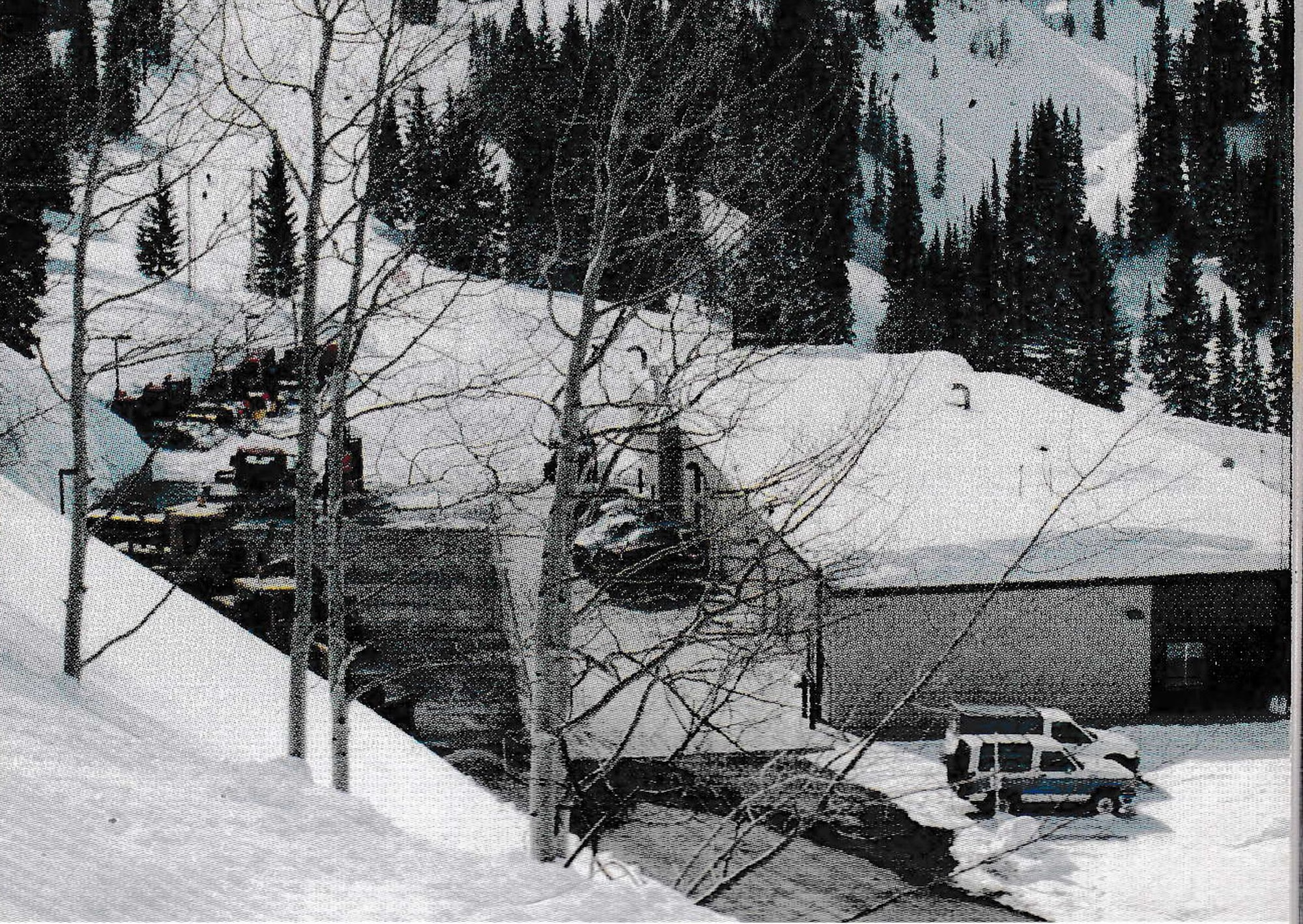
Photo by Peak Photo/Dobber Price
Last year at Alta, Utah, when we had to replace the fuel island at the vehicle maintenance shop to meet new federal requirements, we decided to make several other needed improvements at the same time. By looking ahead as we planned the expansion, we not only solved current problems, but also allowed room for growth so that Alta will be ready to take advantage of future developments in power distribution.
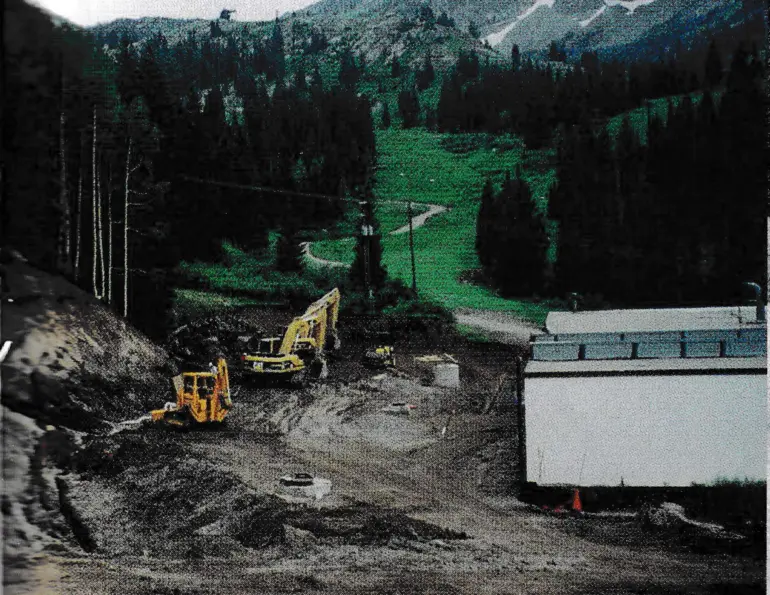
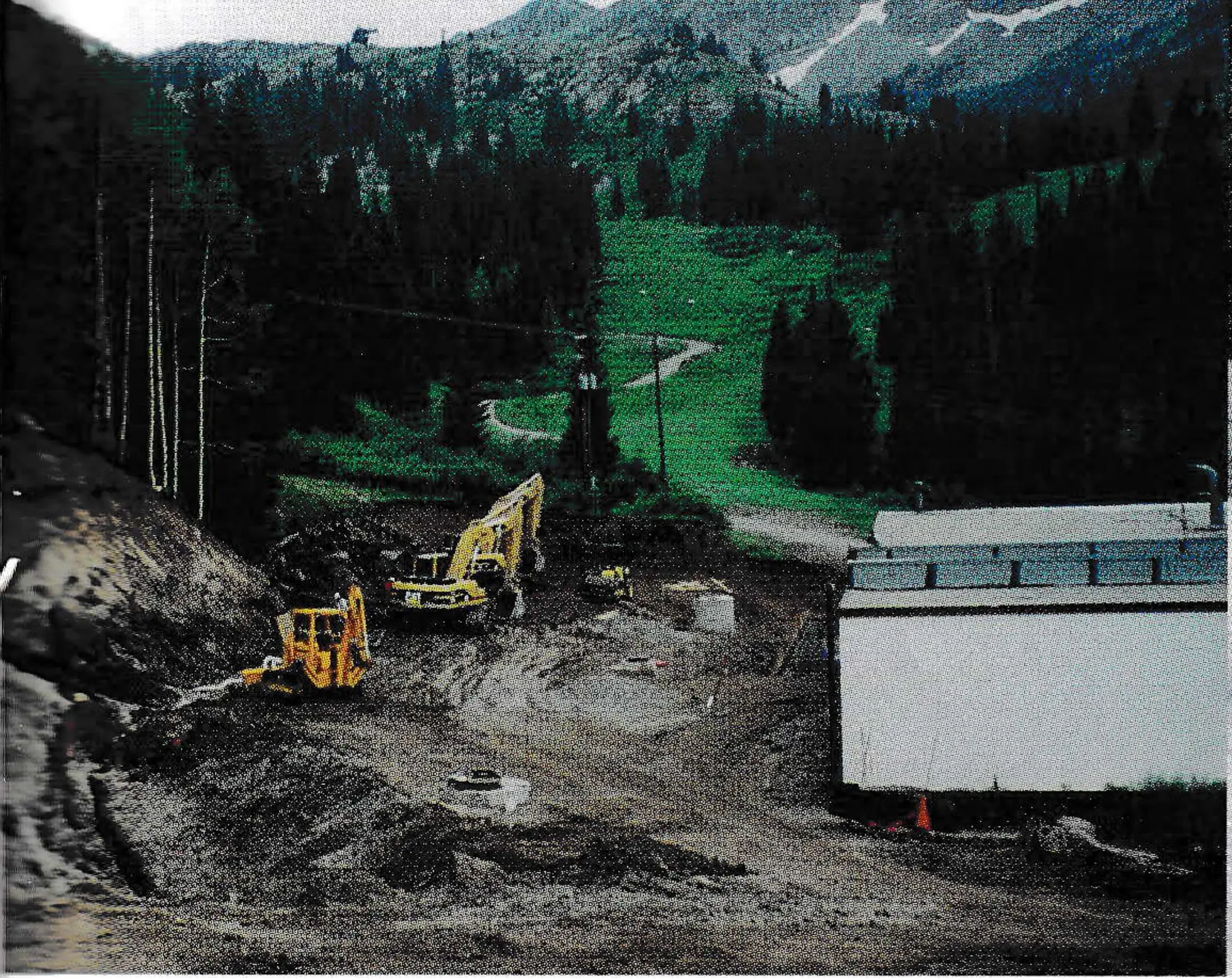
Besides the new fuel island system, we also added a 2,000-square-foot bay to the shop and built a new, 14,000-square-foot parking lot in the back of the shop for the heavy snow-removal equipment, along with a new access road. The expansion freed public parking facilities in front of the shop, increased the shop’s work area and created a safer environment by keeping heavy equipment away from skiers.
There were three major components to the expansion, the first of which included the new fuel island and a parking area for the heavy snow-removal equipment and snowcats. The existing vehicle maintenance shop was built into the hillside, with the fuel island and snow-removal equipment parking located in the public parking lot in front of the shop. We excavated a large chunk of the hillside behind the building to create a 75-foot-wide lot for heavy equipment parking and fueling away from the public areas in order to improve fueling safety.
To meet strict new federal regulations taking effect in 1998 for underground fuel storage tanks, we decided to replace the entire fuel island system. The new system is state-of-the-art, with a keypad entry system that regulates access to the pumps as well as a tank monitoring and dispensing system that is tied into the area computer.
The second component of the expansion involved building a new entry road to the back of the shop parking area and installing an effective drainage system. The new entry road crosses the Grizzly Gulch stream on a fairly steep slope, near a section lined with willows. Because Alta is in the Salt Lake City watershed, Salt Lake City Water required us to mitigate this section of the stream before we could build the road. We worked with the Utah Stream Alteration Department to transplant the trees farther downstream and were then able to install 106 feet of five-foot concrete culvert in the stream for the road crossing. Once the road into the shop was built, we installed a drainage system in both the parking lot and the new entry road, then asphalted them.

The new parking area behind the shop presented a new problem: increased surface for snow buildup. We decided to heat a large portion of the parking area with a 1.2-million-gallon boiler and heat tubes installed in 6,500 square feet of concrete poured in the parking area and around the fuel island.
To handle fuel or oil spills, we sloped the entire island area to a drain box that feeds melted snow to an oil and water separator with a coalescing filter system. Any spilled oil or fuel from the island flows through the filter system before entering the storm drain system. Water melting from the rest of the snowmelt area flows through an acco precast storm drain system, then into manholes. All the water ends up in a deeper culvert system that also picks up snowmelt from the roof drains, the back wall of the shop and the floor drains in the shop, then sends it to a settlement pond before finally discharging it into the stream.
The final component of the expansion was the addition of a new bay to the south end of the shop, which increased maintenance work space by 2,000 square feet. A new 75 kv.a. generator was installed in the new bay to run the maintenance shop, ticket office, Albion and Sunnyside lifts and the Albion Grill in case of a power outage. An electrical switching room was installed to house switching gear that allows all these locations to change over to generator power in a matter of minutes.
The way we planned the shop expansion will also allow us to accommodate other modifications in the future. For example, the switching room was built to eventually house electrical filtering gear and generators with which we will be able to lower peak electrical demands and utility costs. When it comes to expansion, besides solving existing problems of space and safety, a little planning can go a long way to meeting future needs.

