

An eight-stop tour around the country, as a seminar leader for the Institute of Ski Areas Studies, opened a window to the policies and attitudes of American ski areas. “Delivering Quality Skier Services,” a two-day program, covering all aspects of the subject, was presented, discussed and play-acted. It was a great trip and I met delightful people. I learned as much as anyone who attended, but it left me with some perplexing questions.
One of the first things attendees heard was that customer service begins at the top. Management sets the tone, and bears the responsibility of implementing positive attitudes, training programs, and perhaps more importantly, seeing to the actual welfare of their staff. But I am not sure that top management is getting the message, because only a handful attended, and several middle managers told me their GM’s would probably not agree to some of the policies being recommended, even if they had come to the seminar.
The seminars were designed to help ski areas meet the expectations of skiers, especially those who might be introduced to the sport by USIA’s “Ski It To Believe It” marketing campaign. The success of the campaign is not in question, but rather, when these new skiers come, is the industry ready? A fundamental of sales is that the first order is not the measure of success, it’s the reorder that counts. Getting new skiers in is not the yardstick; keeping them is.
Among the fundamentals we presented at the seminars were:
- Attracting capable employees, and keeping them, requires an outlay of money. In the face of the traditionally low salaries, perks are essential. Meal plans, free skiing, even housing, are all necessary, and training and uniforms are an immediate benefit to the ski area, as well as the employee.
- Praise and recognition are essential to good morale, and together with adequate training, result in competent, loyal people, willing to go the extra mile for their employer and customers.
- Complaints are a barometer, and should be examined and addressed. If large numbers of skiers continue to find fault with the same thing, it is a message that something is wrong. And those who are dissatisfied and don’t complain, don’t come back. Instead, they tell nine or ten of their friends — a rather dismal counterpoint to an area’s advertising.
While reaction was, generally, one of acceptance, a volatile subject was refunds and snow checks. Southern ski areas, with a short season at best, must contend with rain, and the suggestion that poor conditions warranted some compensation to skiers was met with stiff opposition. L. L. Bean’s success in light of their refund policy in no way swayed them. Indeed, that attitude prevailed through most of the country.
At the Killington seminar, however, Richard Tapply, general manager of Gunstock, in New Hampshire, told the audience of more than eighty ski area representatives, after spending ten million dollars in improvements, he witnessed an irate skier, who, when denied a refund, came out of the customer service area and loudly announced to a packed lodge “This place sucks!” That incident resulted in an 180-degree turn in Gunstock’s policy. Nor, Tapply reported, did it trigger a river of refunds, which was the recurring argument offered throughout the country by those who opposed this measure.
The midwest, with the exception of one area in attendance, has yet to find the need for uniforms for their staff. Again, about thirty were present, and perhaps this was not a large enough representation to give an accurate picture.
Colorado ski areas, for the most part destination resorts, appear to have the most advanced thinking in customer relations. Customer service staff are trained to deal with complaints in a positive way, most of the suggestions made were already in place, and refund is not a dirty word. That the Rockies provide a longer, less weather-complicated ski season may very well be a factor.
The northwest is very similar to its counterpart in the east, in both conditions and attitudes, but each sector of the country feels itself to be unique, with its own problems, and its own solutions. Their similarities, though, outweigh their differences. Even the number of attendees, with the exception of the Killington meeting, was similar, and in each location, the attendance of top management was minimal.

Should we conclude, then, that delivering quality service to skiers is not a high priority? I don’t think so. People were listening: they were paying attention even when they couldn’t quite go along with everything.
The broad message that must get through to everyone, top management particularly, is that quality and service are more than just buzz words; they are the future. And the more businesses that adopt these tenets, the less tolerant the consumer will be of those that don’t, and that includes ski areas, regardless of how great the hill is.
For many years, the business community bathed in the complacency of the American myth: if it’s made in Detroit, it must be a car; if it’s made in America, it must be good. Competition has shaken that icon. Foreign investors, enjoying the devaluation of the dollar, are taking large bites of the American corporate scene, and the ski industry is no exception.
In today’s tightening economic structure, competition for customers grows keener, and the survivors will be those who understand and commit to service and quality. The best programs are hollow without commitment; with it, both programs and their implementation fall neatly into place.
How soon this will happen is one question. Will it be in time is the other.
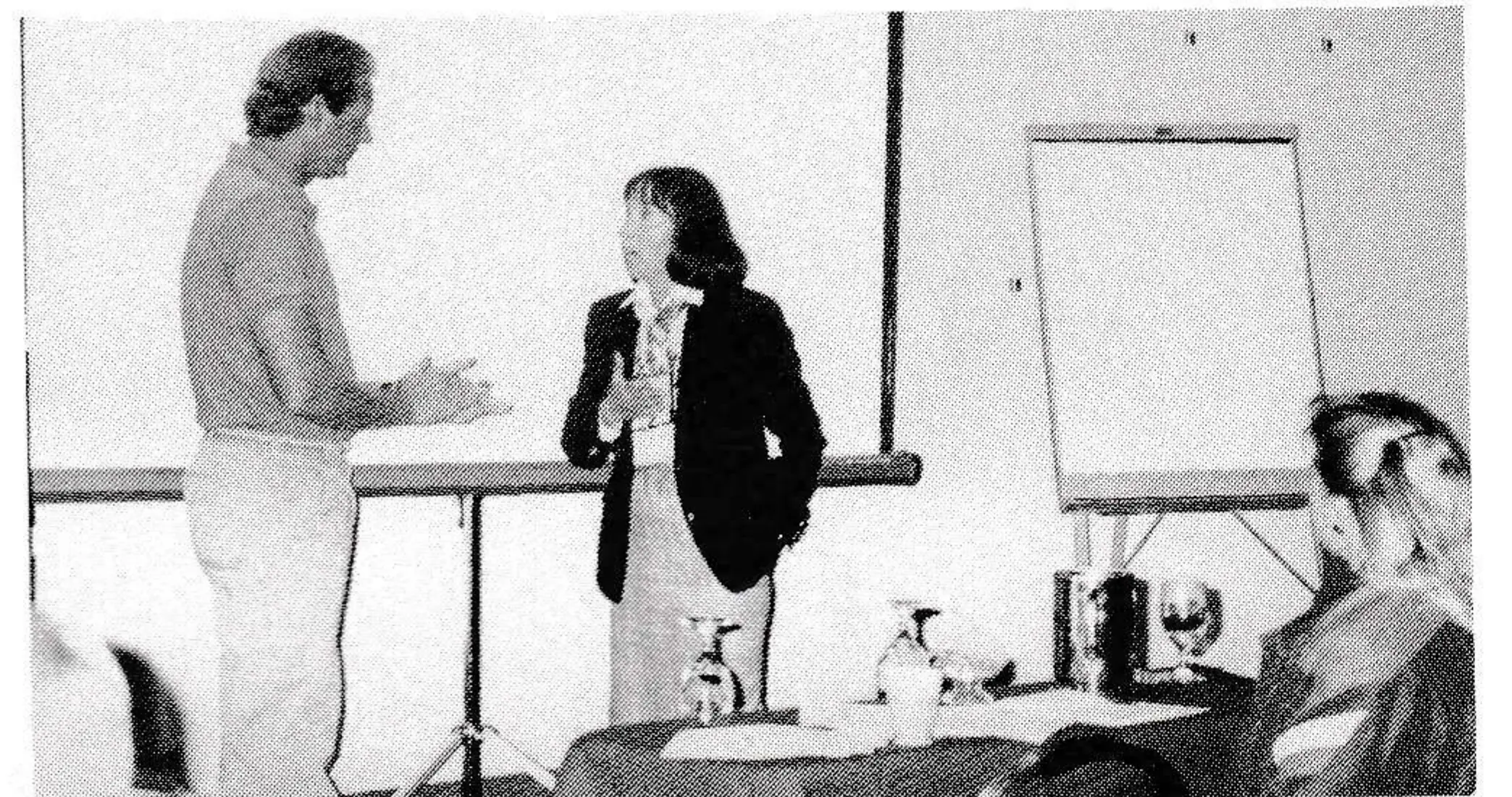
Elaine Carroll, who was star presenter in the industry’s training seminars this past fall, is marketing director of Artemesia, Inc., an advertising and public relations agency in Windham, N.Y. Her career includes extensive ski area involvement as a marketing director.