


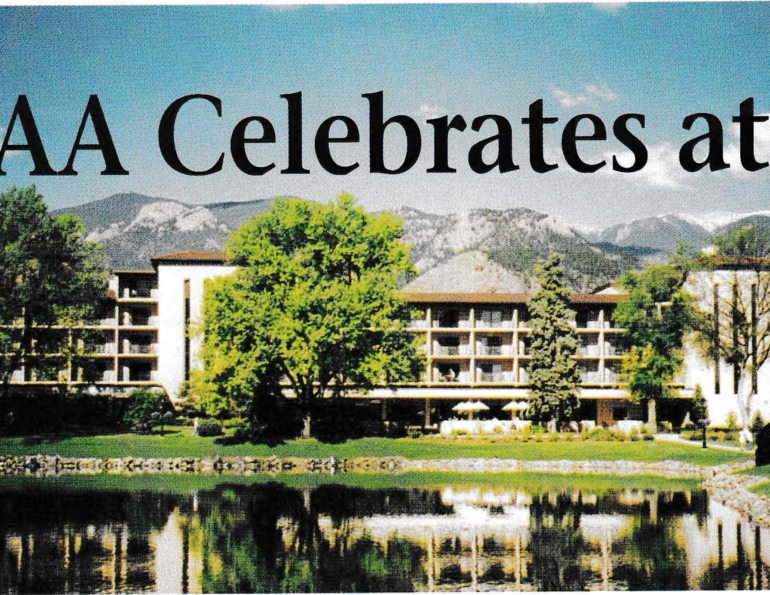
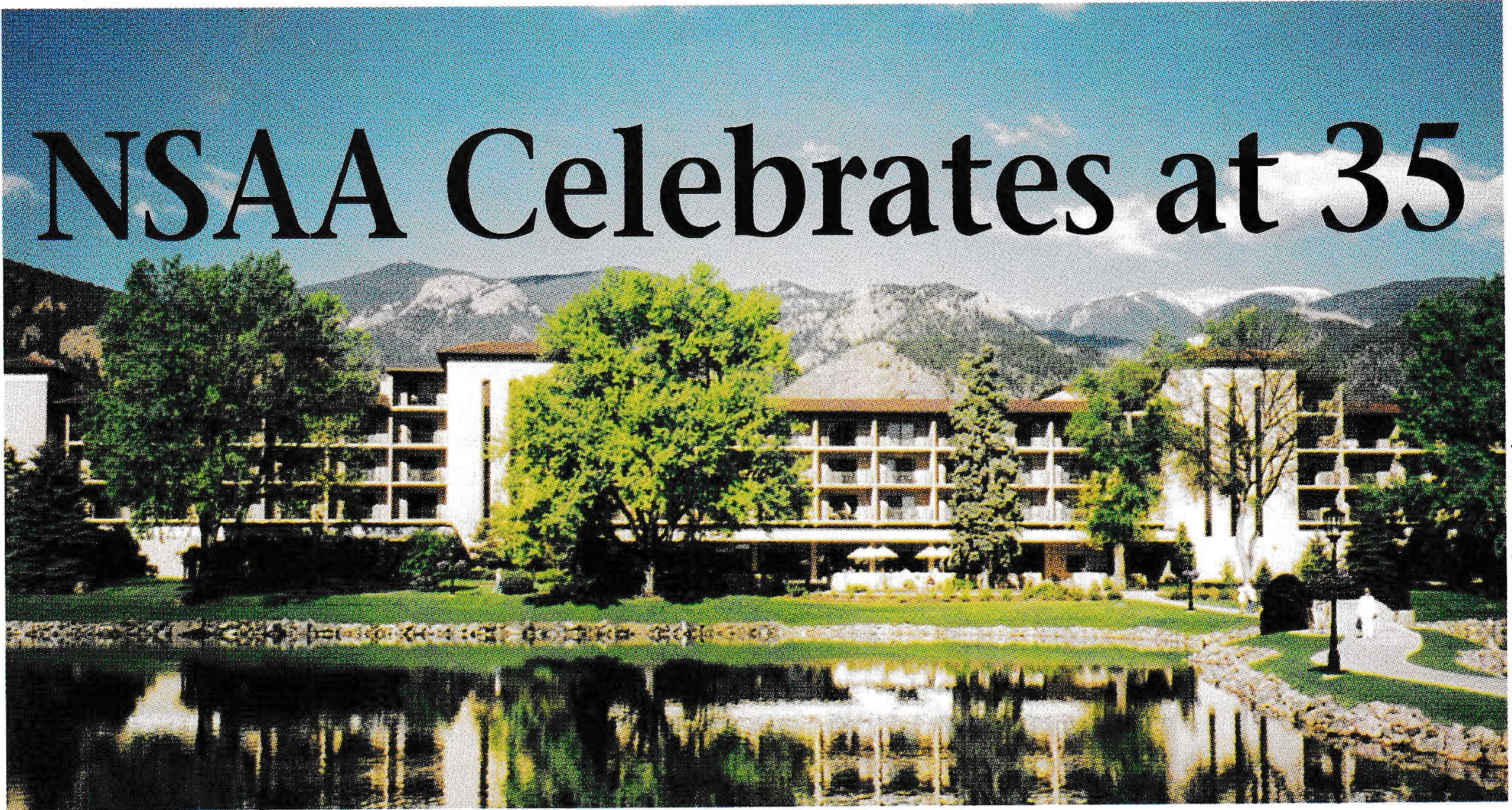
Convention photos by Janet Nelson
The mix of events, ceremonies, work sessions and social occasions appeared fulfilling—albeit exhausting—to everyone, and NSAA’s staff was universally praised for a near-flawless execution of a complex, often overlapping program.
The most important focus was Operation SnowNet, the new marketing initiative directed at the Echo Boom (a.k.a. “Speed”) generation. Envisioned at the 1996 “Future of the Industry Summit” in Charleston, S.C., the program was further shaped conceptually in the summer and fall of 1996 by an ad hoc “think tank” called the Chicago Group. It was then turned over to the NSAA staff to research and bring together as a plan for member input at the 1997 convention.
In the meantime, NSAA president, Michael Berry, had enlisted not only the encouragement, but half-a-million dollars in seed money, from the major multi-resort entities of Vail Resorts, Intrawest, American Skiing Co., Booth Creek Enterprises and Powdr. Additional funding will come later from areas and regional area associations wanting to participate, and from corporate partners. The mechanics and funding levels of all this are to be rolled out later.
For the Broadmoor convention, however, it was more a matter of hearing from marketers with expertise in appealing to the industry’s 10 to 23-year-old target range. Principal background presenters for this were Jon Harris of Pepsi-Cola and Peter Zollo, whose firm, Teenage Research Unlimited, had provided much of NSAA’s research.
The actual presentation on NSAA’s proposed program was handled by Berry himself and by Tim Garrett, an executive with McElroy Communications, a California-based firm under contract to NSAA to design and integrate the various components of Operation SnowNet. (The cover of this issue of SAM was designed by McElroy to project the spirit of SnowNet—and more specifically of SnowNet’s action plan, Snoblast.)
There will be many promotional components under the Snoblast umbrella, all designed to trigger desire on the part of teenagers to get involved with snow sports. Music will be a component, as will a high-energy road show to showcase the coolness of skiing and riding and to provide an easy, low-cost vehicle for entry.
NSAA is at pains to insist the whole project—or more accurately, the network of projects—will avoid the perceived mistakes of earlier industry programs. There will be no top-heavy media buys, no emphasis on grandiose national programs. Rather, the strategy is to produce marketing components that individual ski areas and regional associations can participate in and execute at the local and regional levels. Snoblast is to be ongoing, with an October 1997 launch.
Each of the three convention mornings featured a keynote address, followed on the first two days by the registrant’s choice of either presentations on industry topics (the “Executive Outlook” track) or the “Facilitated Visioning Sessions.”
A highlight for those who followed the “Executive Outlook” track was a session on “Housing Demand at Mountain Resorts.” Les Otten and Gary Raymond, respectively of American Skiing Company and Intrawest, seemed to hold back no proprietary insights in describing how they work their strategies for the right mix of skier housing—why quarter-share, why timeshare, cost of financing and so forth. It was an extraordinarily informative presentation.
Many at the convention participated in two days of facilitated visioning sessions. This program, successfully initiated at the Charleston summit, continued as a moderately successful reprise built around rethinking how the ski/boarding businesses might change to meet tomorrow’s consumer needs. The ebullient Gerry Faust was the major-domo and soother of frustrations when some of the groups had difficulty, especially the first day, in maintaining focus. But participants generally felt good about the exercise, though probably less so than at the summit when visioning was central.
One session with great promise left people gently perplexed. It was organized by SSAW (Snow Sports Association for Women) and featured a focus group that was pressed and prodded to come up with items they felt were important to the enjoyment of snow sports by women. A fascinating area of investigation, everyone thought, but the good folks on the panel came up with pretty much the same laundry list that any mixed group would cite—or even a group of men.
As with all NSAA conventions, much of the hard work is done in small committee meetings. None are more active than the technical subcommittees of ANSI B-77 that improbably and nobly forgo the delights of golf, tennis and pools to debate the likes of proposed changes in standards for bullwheel welds.
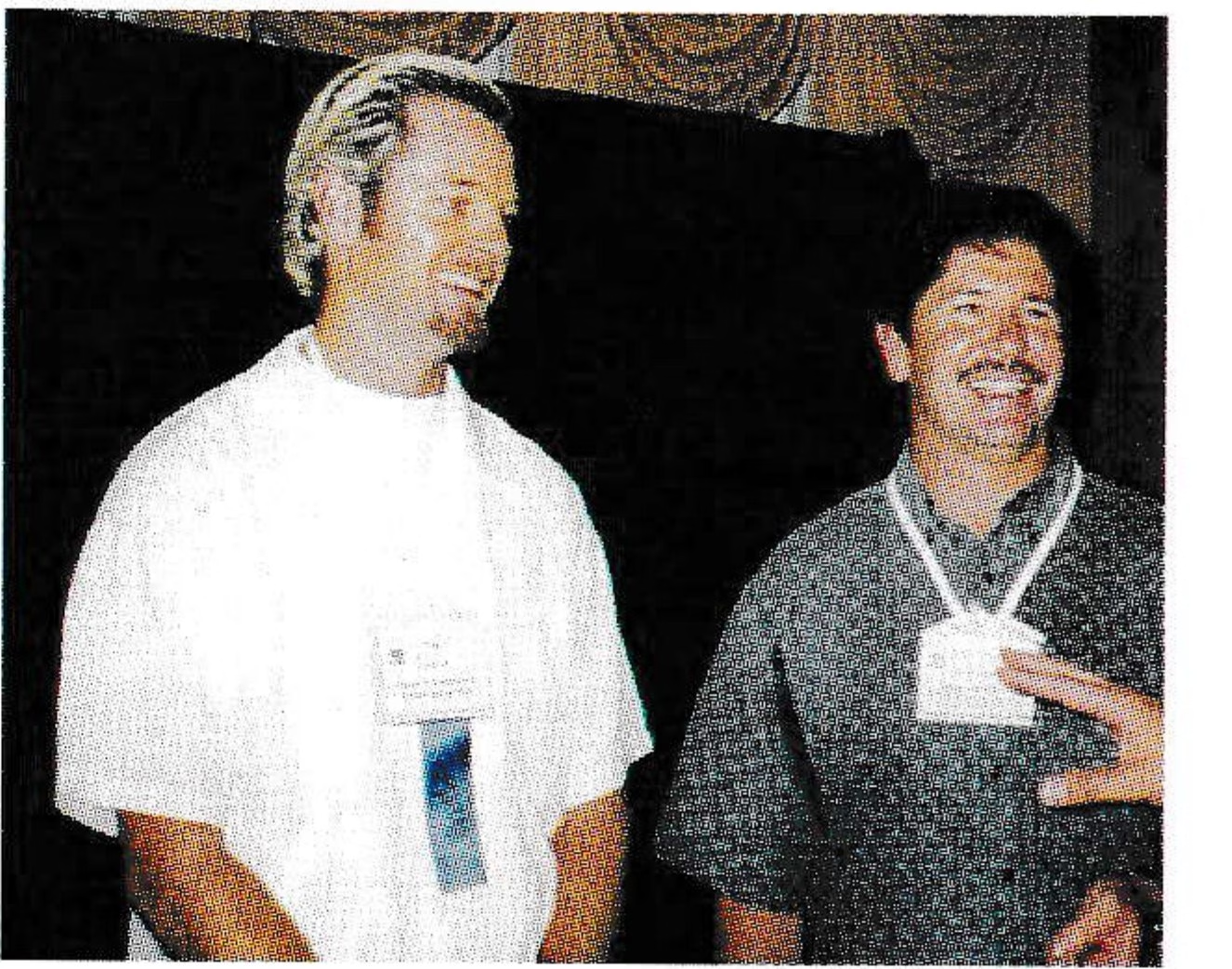
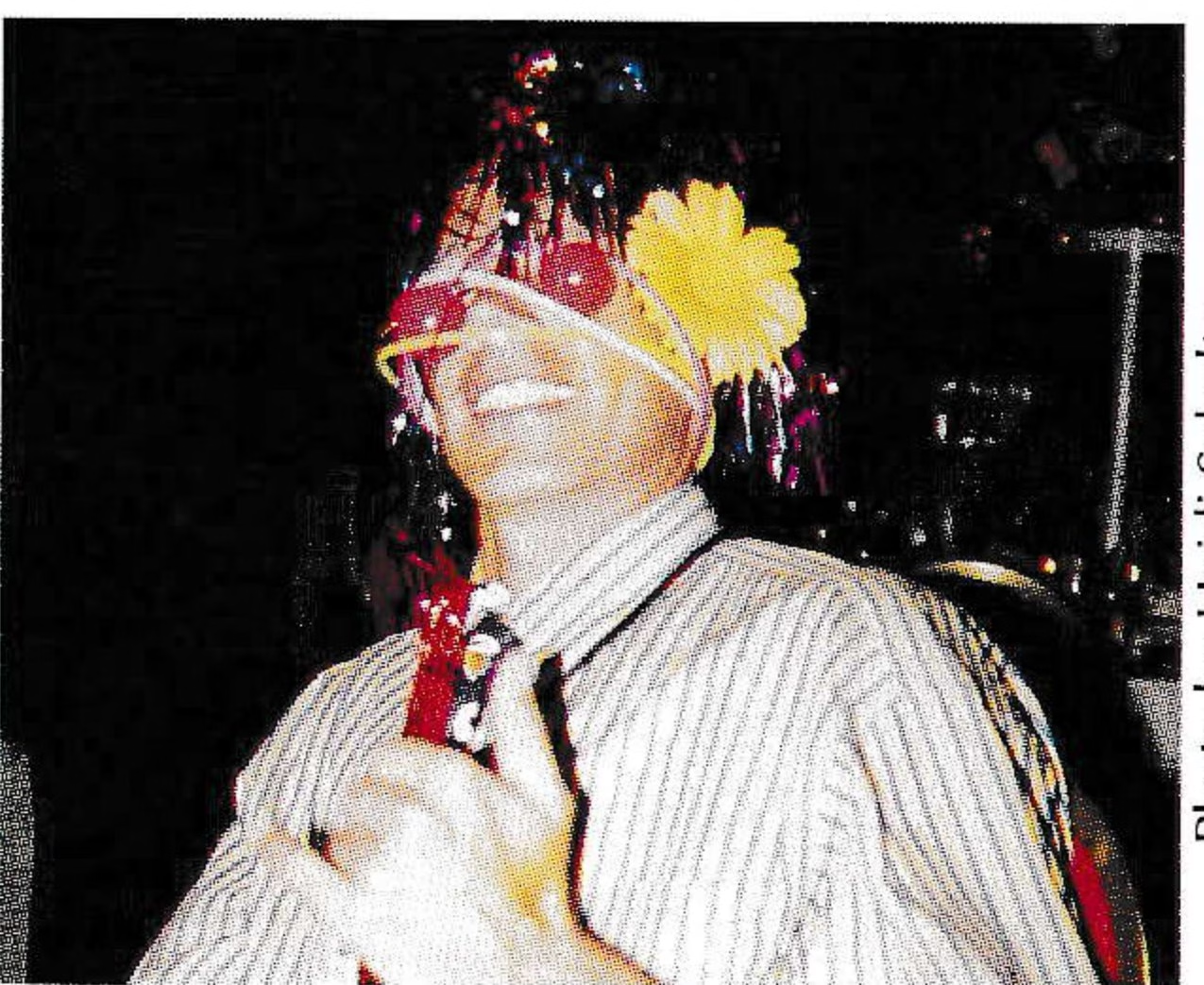
Photo by Heidi Schultz
There were other intense, non-official get-togethers where urgent industry business was conducted. One, facilitated by Nils Ericksen, SAM’s technical editor, cleared the air on the serious problems faced by many owners of Hall skilifts. A metallurgical problem had been identified and anxious owners were facing devastating costs for heat-treating thousands of hangers. (See details in Ski Reports.)

Still another meeting involved negotiations that will result in new ownership of Acordia, a major area insurer.
The trade show turned out to be one of NSAA’s more successful ones, with exhibitors happy over the large turnout and happier still at the quality of the attendees. “I don’t really come to make sales,” said one major exhibitor, “but for the high cost of these things I sure want to get a chance to talk to a lot of the right people. This time I really did!”
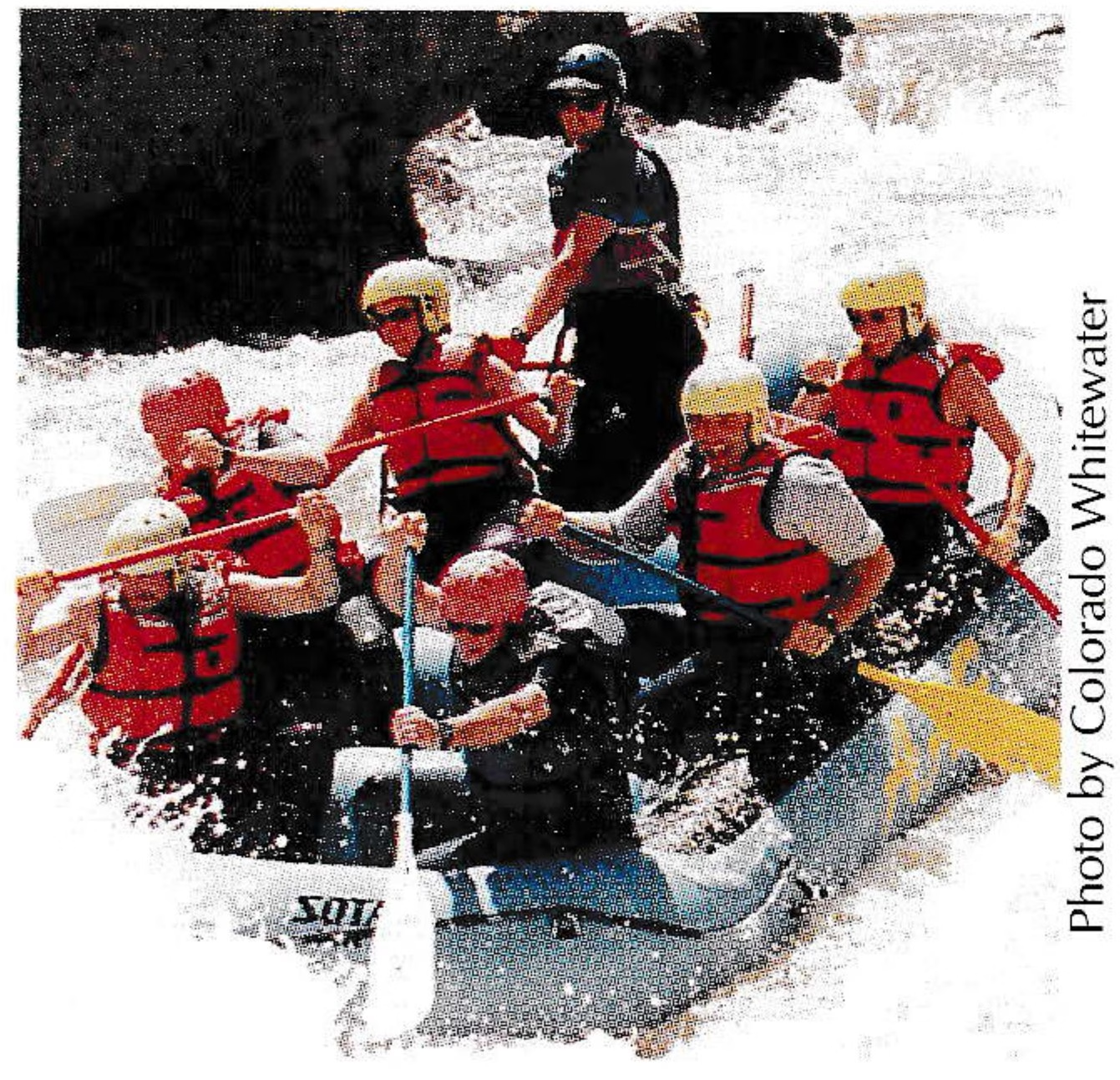
Photo by Colorado Whitewater
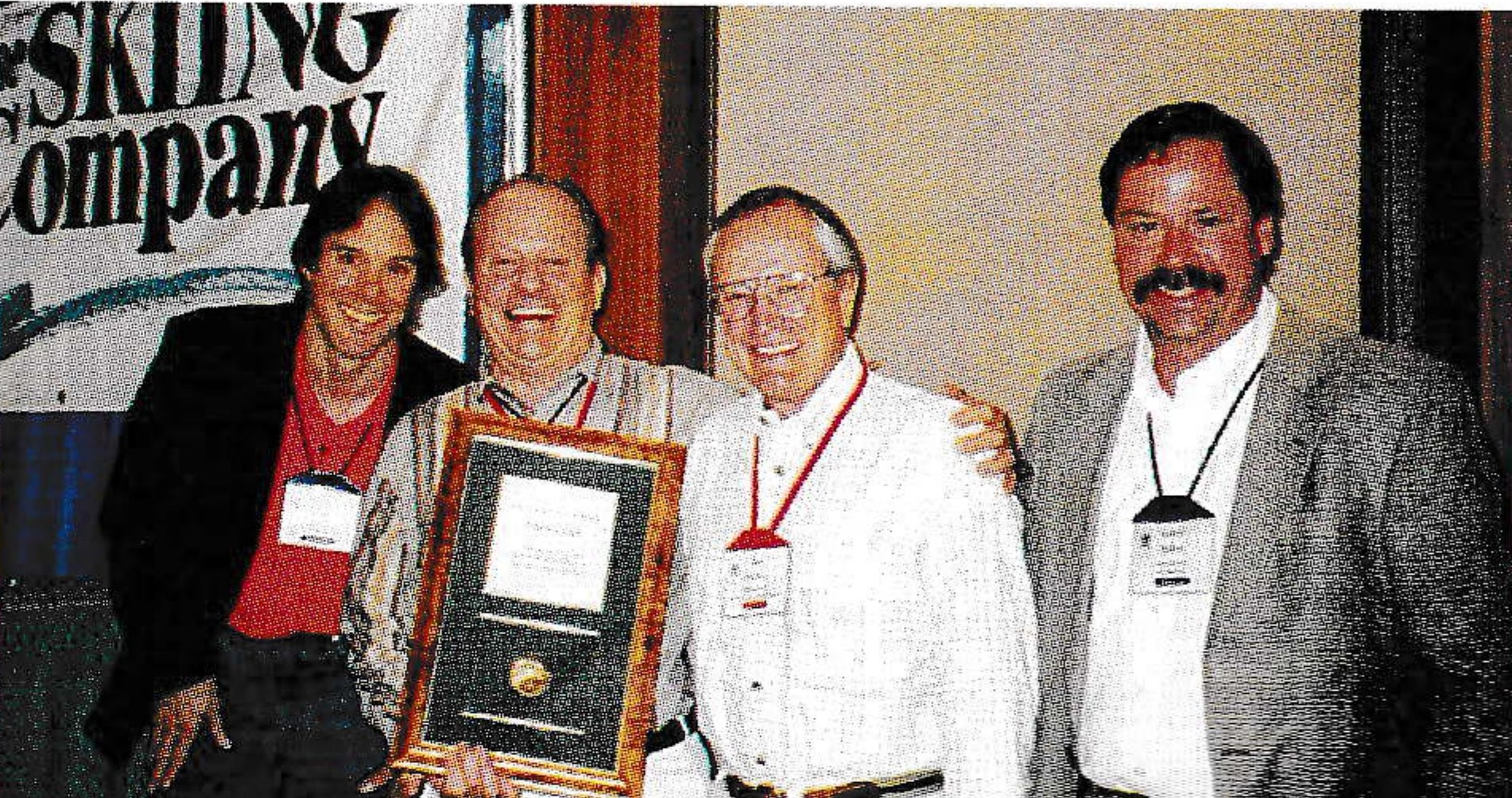
The NSAA convention is also a time for awards. In addition to the ones covered in the Publisher’s Memo (page 6), Michael Berry presented the Sherman Adams Award to Phil Camp, the founder and steward of NESAC (New England Ski Areas Council). One of the industry’s first true marketing directors, Camp created innovative promotions in the early Killington years, and then for Sugarbush, that were ski area marketing benchmarks.
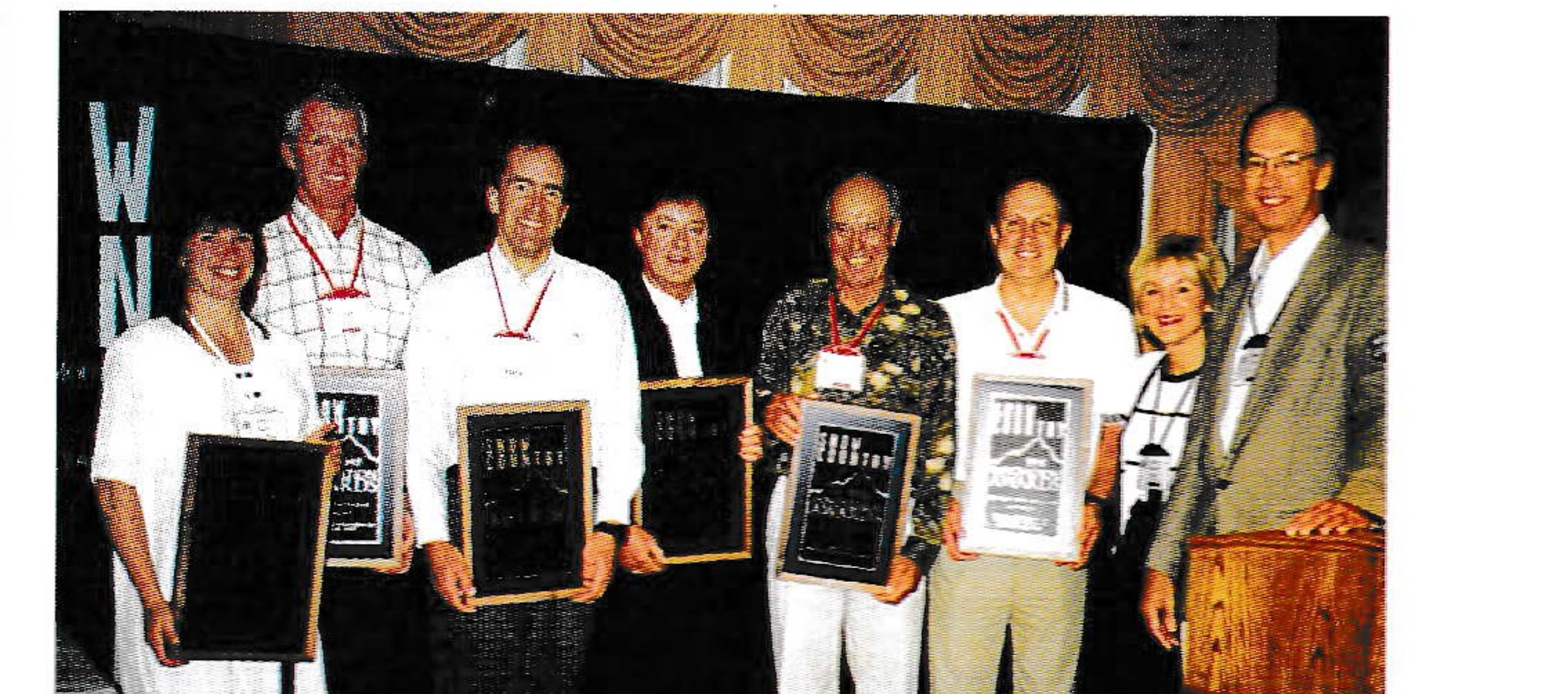
Other awards included Snow Country’s new Innovation Awards, which replaced their Design Award program. Winning in the instruction category was Winter Park’s Disabled Center, while Northstar-at-Tahoe’s terrain features won in the resort category. The equipment Innovation Award had been presented to K-2 at the SIA Show in March.
Winner of The Skiing Company’s Golden Eagle Award for overall environmental excellence was Snowbird, Utah. Winners of Silver Eagles in individual categories were Crystal Mt., Wash. (Water Conservation), Stevens Pass, Wash. (Fish and Wildlife Habitat Protection); Stowe, Vt. (Environmental Education); and Whitetail, Pa. (Area Design).
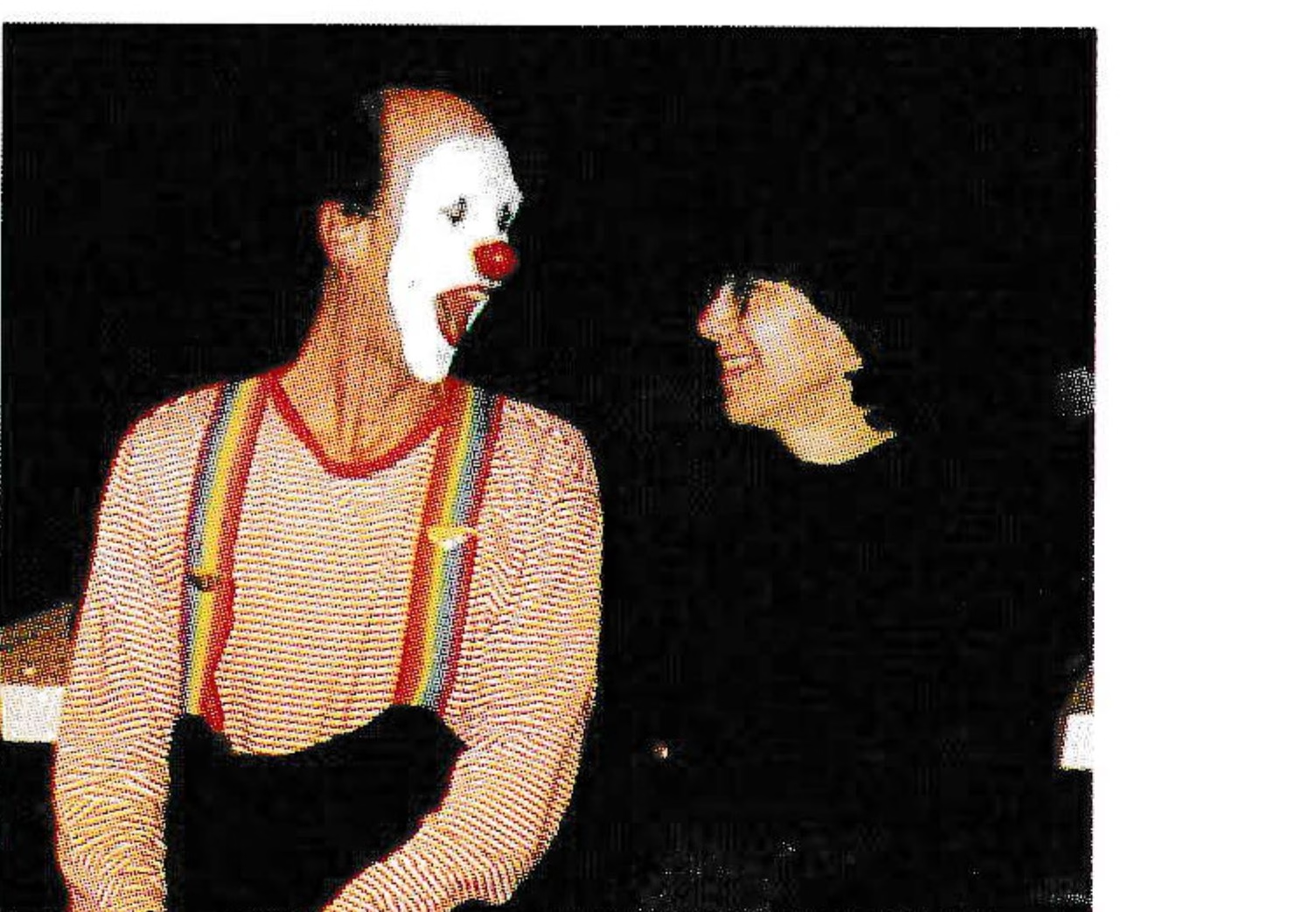
Recreational and social activities were not neglected and included a “35th Birthday Bash” banquet which continued NSAA’s enlighted “no-speeches” policy. The convention wound up the last evening with a performance by mime artist Alan Schönberger, whose extraordinary gift of catching both the beauty and joyousness of skiing has captivated audiences for 20 years, including this one.
This year’s spouse program successfully combined the application of “wellness” guru Diana McNab’s “Inner Self” theories with the experiential Outward Bound-type program of the Broadmoor’s Action Learning Center.
For those attendees who relate May conventions with tennis and golf, the Broadmoor didn’t disappoint. The winning team consisted of Tim Boyd (Hidden Valley, Mo.), Dave Grenier, (Snow Creek, Mo.) and Ron Cook (Stevens Pass, Wash.). A team of suppliers took second place.
Nobody, however, won the one-year use of a Pisten Bully that was the prize for a hole-in-one. Better luck next year when NSAA returns to Marco Island, Fl. for its Trade Show and Convention. For 1999, the convention goes to San Francisco, in conjunction with the OITAF Congress.

