
Snowmobile Brake
by Brent Gardner-Smith
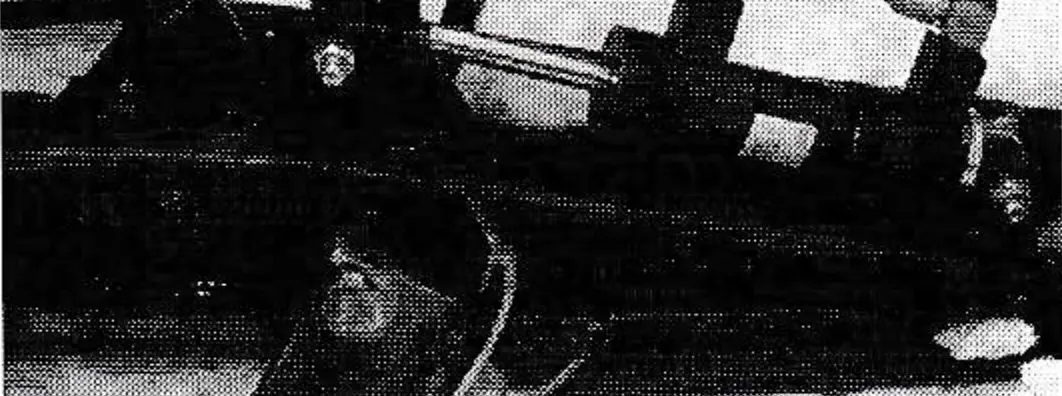
Photo by Brent Gardner-Smith
All the snowmobiles at Snowmass Ski Area, Colo., have been custom-fit with a special ski brake designed and manufactured by Greg Hoffman of the area’s lift maintenance crew. And the snowmobile drivers swear by them.
When brakes overheat, or fail, this system is designed as a back-up. When the driver pushes a rocker switch on the handlebars, a miniature 12-volt hydraulic pump pushes two rods, which cause two metal plates to move from their flush position on the runner and to dig into the snow, slowing the snowmobile down.
The brake is installed on only one runner because it actually lifts the runner slightly off the snow when deployed.
Hoffman has a patent on the product and is selling the brake to other ski areas for $1,400 each. The brake kit takes about two hours to install on a snowmobile, which must have a battery similar to the ones common on machines with electric starters.
Snowmobile Rescue Winch
For ski areas that are fortunate enough to have nice deep snow, this rescue winch might come in handy if someone happens to bury a snowmobile.
Manufactured by Kalaska Enterprises, Inc., of Boise, Id., the Resc-You winch, which sells from $34.95 to $79.95, consists of 50 feet of high-strength polyester rope with permanently attached steel hardware, a rope guide with attached steel hardware, illustrated instructions and a storage bag. The system is also available without rope for custom-sizing.
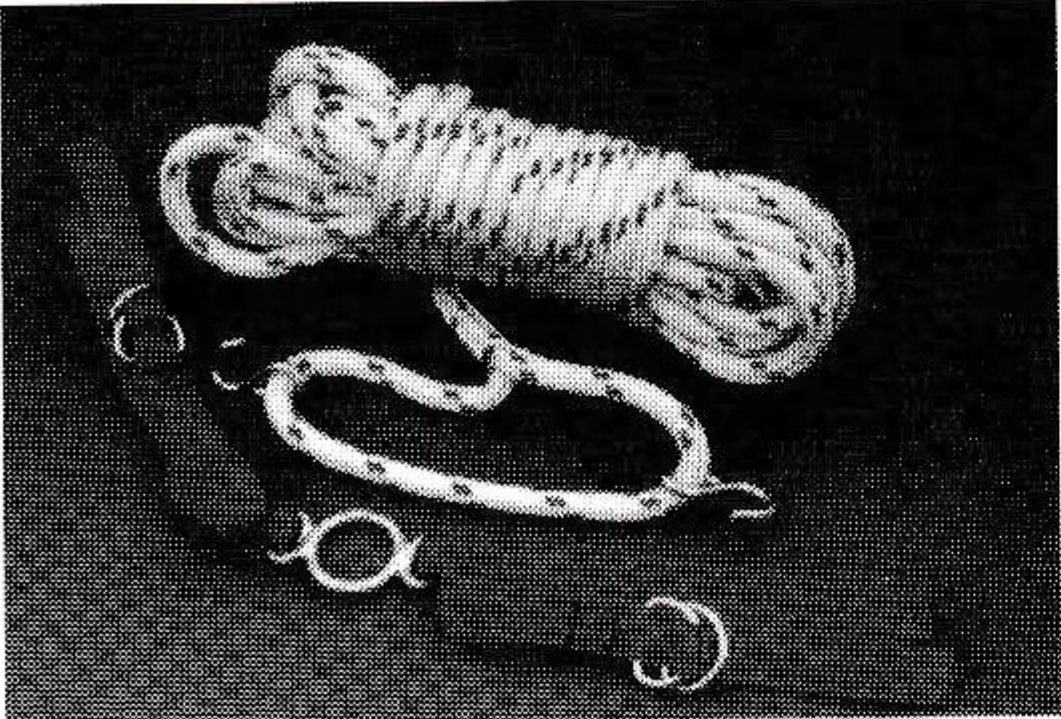
Once stuck, the driver loops the rope guide around the snowmobile’s front suspension, attaching it with D-ring fasteners. Then, the driver feeds the rope through the rope guide and hooks the rope to the track of the snowmobile. The final step is to tie the other end of the rope to a tree or other solid object and apply power to the snowmobile. The rotating track crawls along the rope, winching the snowmobile upwards and out of the snow.