


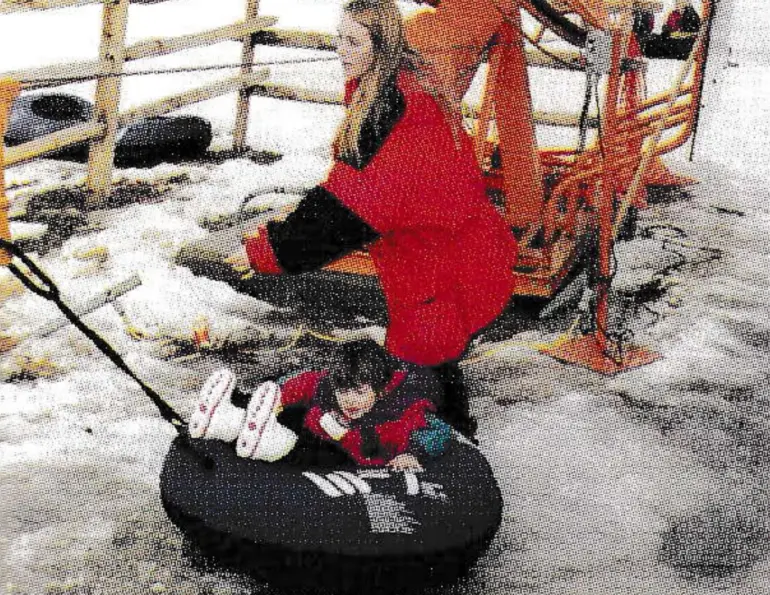
People who want to flop on a rubber donut and slide down a snow-covered chute can represent significant additional revenue. And the dollars are high margin ones that are returned for only a modest capital investment.
“It was all new money for us,” says Melanie Murphy, vice president of Blue Ridge Real Estate Company and general manager of the Big Boulder and Jack Frost ski areas in the Pocono Mountains of Pennsylvania. “We already had the snowmaking plant, compressors, grooming machines, ski patrol. All we needed was a way to drag people up the hill.
“What we did here was open a new world of fun for people who never came to the mountains in winter—and for parents who used to sit around in the lodge waiting for their young skiers to come in.”
The market that Murphy developed at the two resorts, jointly promoted as “The Big Two,” may exceed 75,000 this season. This is a 17 percent increase over last year’s 64,000 tubers, and far beyond the 18,500 of two years ago. At a yield per visit of $9.63, the “new money” looks very green, indeed.
Before getting into snowtubing three years ago, Murphy was aware of the danger in taking on additional business simply “to keep the lights on in the factory” without considering profit. Snowtubing does not suffer such nearsightedness.
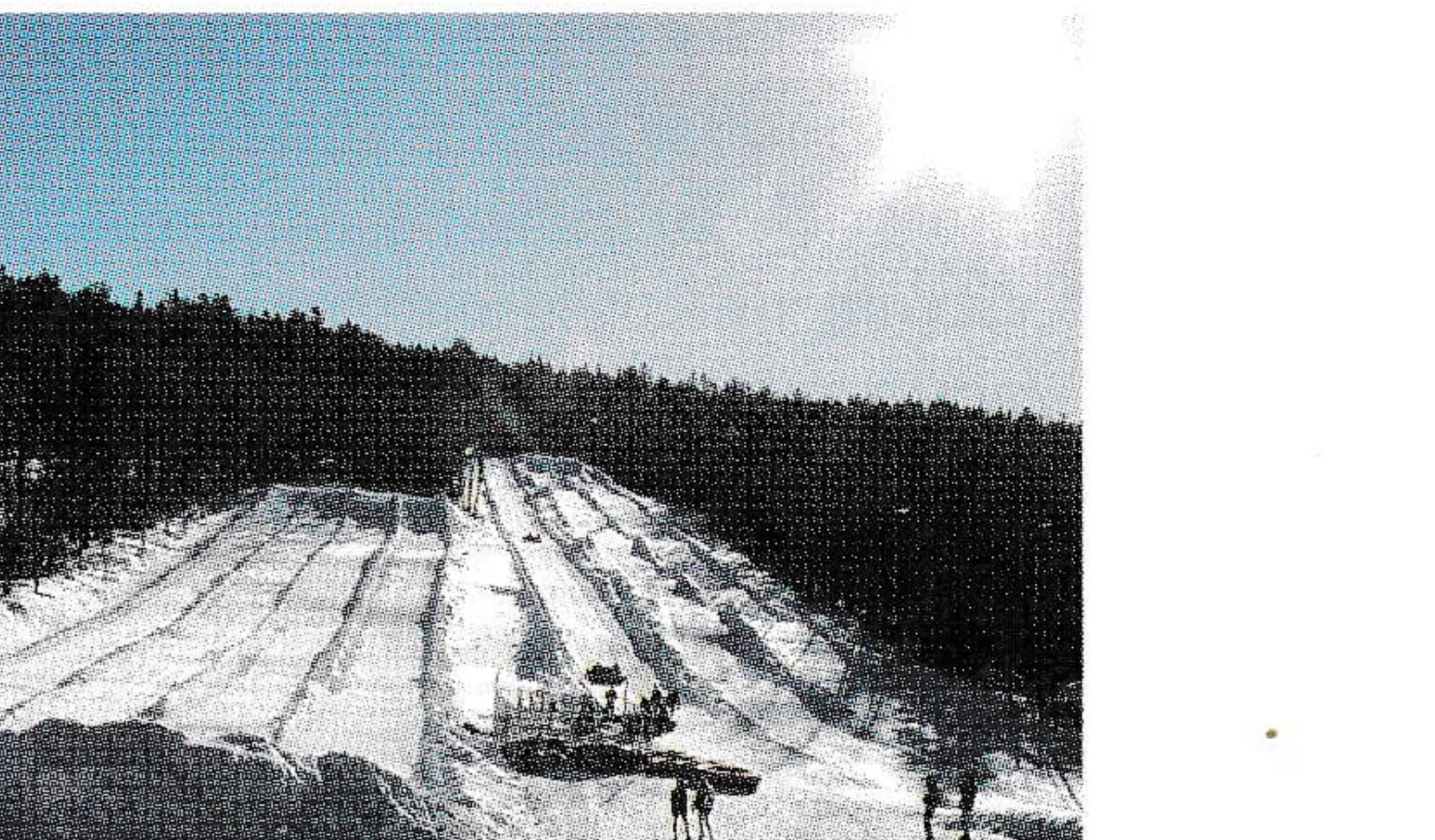
Capital investments for snowtubing—minor compared to those in the skiing operation—included clearing the ground on new slopes adjacent to the beginner terrain at Big Boulder and near the top-of-the-mountain lodge at Jack Frost. Vertical drop averages 70 feet and the slope gradient ranges from 10 to 25 percent in steepness.
Lifts designed by O’Connor Ski-Lifts, Inc., ranged from $18,000 to $25,000, including one that was customized to accommodate extra-large tubes created especially for Big Boulder. Most of the truck-tire-size tubes—about 500 at each area—cost from $50 to $60.
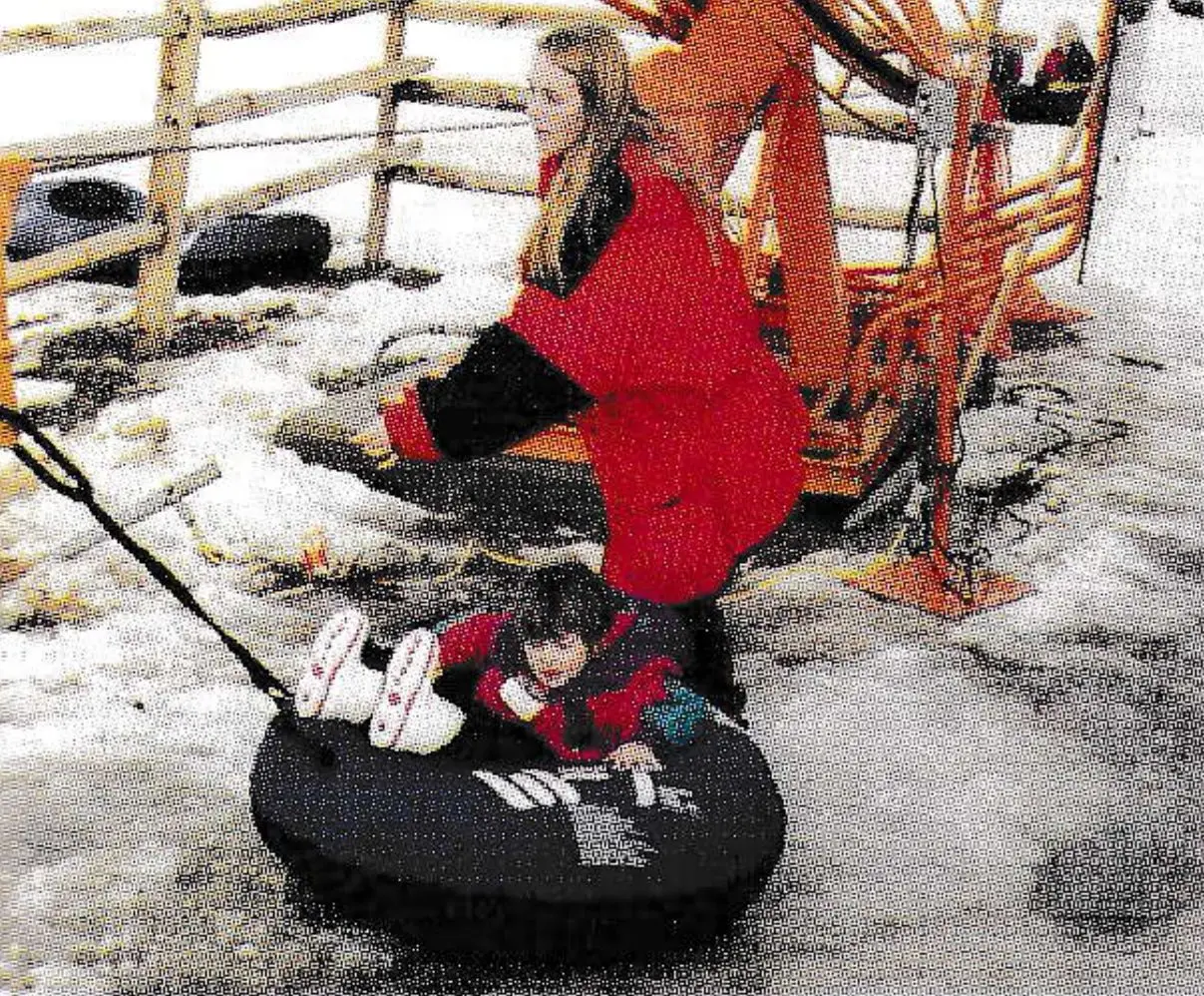
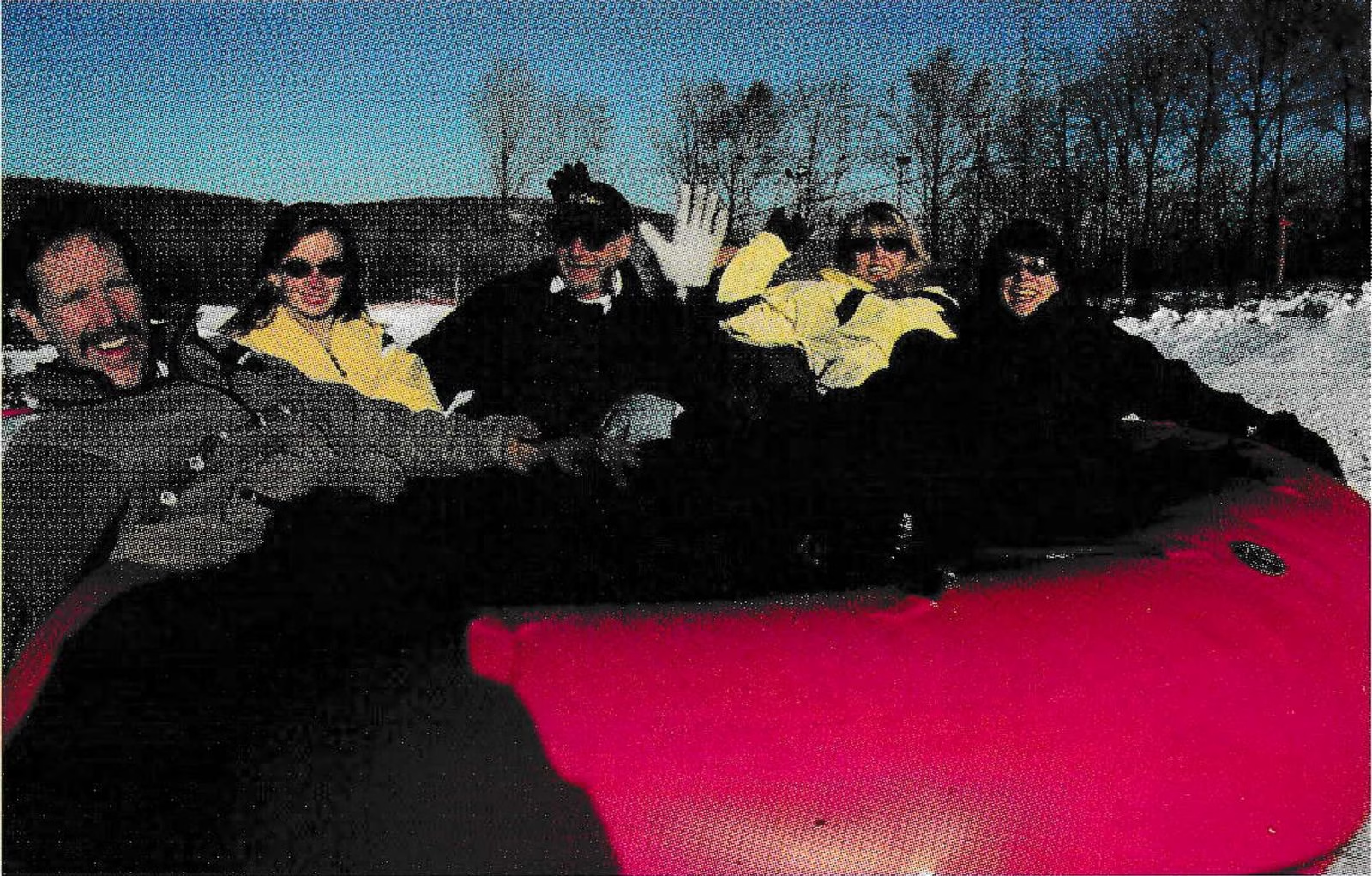
These conventional tubes were adequate until tubers began tying tubes together for group rides, which consumed time and equipment. Murphy saw a need for larger tubes and contacted a New Zealand river rafting company to produce 30 tough tubes eight feet in diameter to hold four to six people. This company also produced 50 small, penguin-shaped tubes for tots. The initial price, which included design costs, for the massive tubes was $1,000 each, while the tiny tubes cost about $150 each.
Additional labor is limited to ticket sellers, lift attendants—loaders and unloaders—and stagers, who handle traffic at the top and talk tubers through first-run jitters. Insurance rates are not affected because tubing has demonstrated itself to be a safe sport. Precautions include no ski boots and no helmets to bang into other playmates. However, users or their parents must sign a liability release form at the ticket window.
Murphy considers the project one of the most exciting in her 10 years of managing the resorts. She may not have invented snowtubing, but she qualifies for an award in the good listener department. Four years ago she heard Dave Moffit, president of Alpental-Snoqualmie-Ski Acres-Hyak and fellow board member in NSAA, tell about charging people who brought their own tubes to his resorts near Seattle. Murphy soon had a feasibility study on the table at Blue Ridge Real Estate Company.
“Going into the first year, I regarded snowtubing as another amenity, mostly for people waiting for skiers,” she says. “But in the first two weeks we had more people than we expected all year. The crowds were huge and the lines were tremendous.”
Photos by Ted Heck
The first year, snowtubing was only at Jack Frost with one lift and four chutes. The following year, a second lift and more chutes were added at Frost and two lifts and six chutes were installed at Big Boulder. This year, as competition in the region grows, Boulder has two new lifts and more chutes. One slope at Boulder is reserved for children under seven and a 1,200-foot-long chute is reserved for the multiple-person giant tubes. In all, the Big Two have six lifts and 18 chutes.
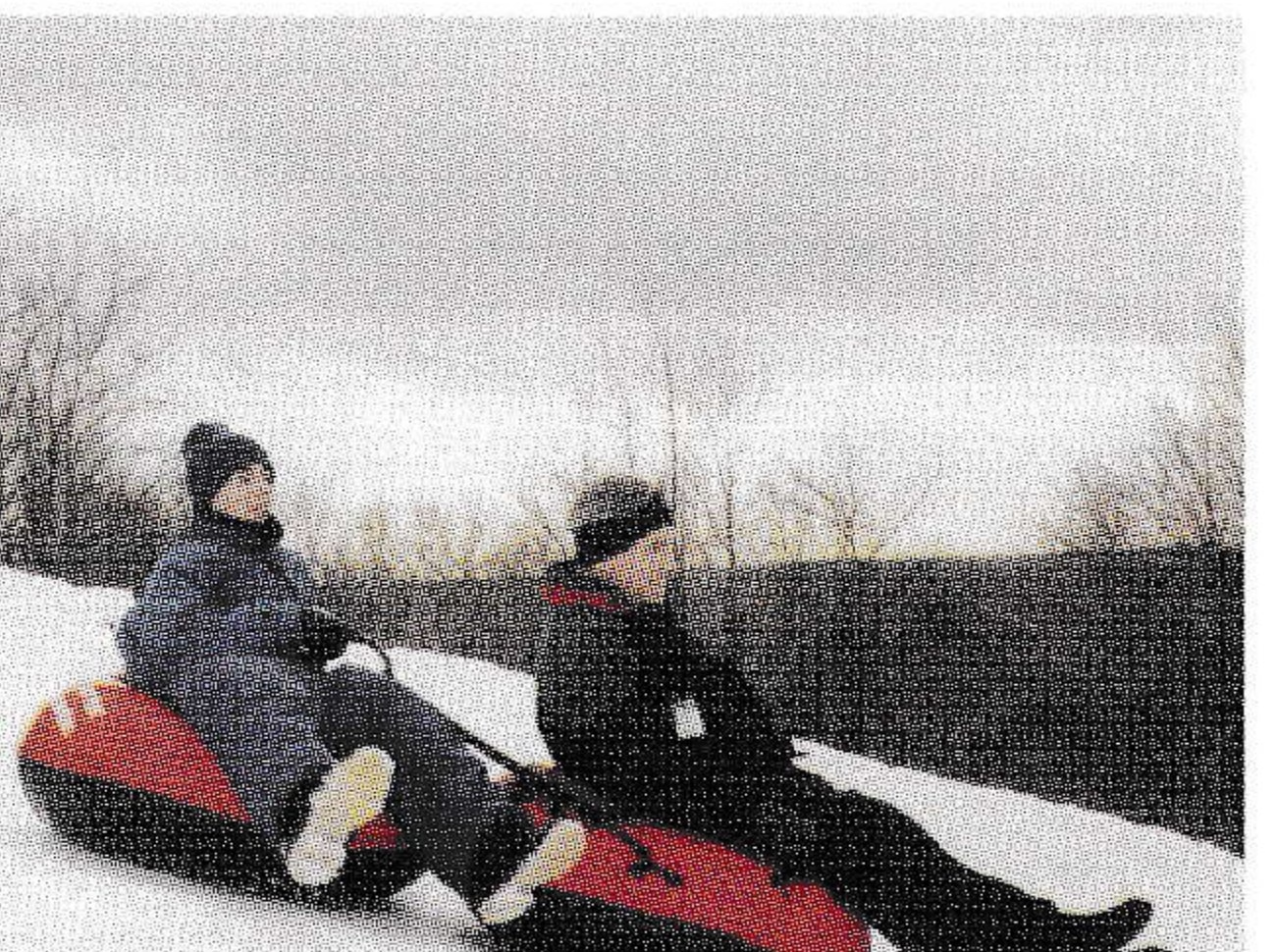
Very few of the tubers are skiers. They may try it, because it’s there, but they won’t make a day of it, according to Murphy. So who is out there? Murphy says she can sit in her office, look out the window and pick out tubers: “There is nothing elitist about snowtubers,” she says. “They are dressed differently and seem to have a wider spectrum—from kindergarten kids to grandparents in stadium boots and lumberjackets.”

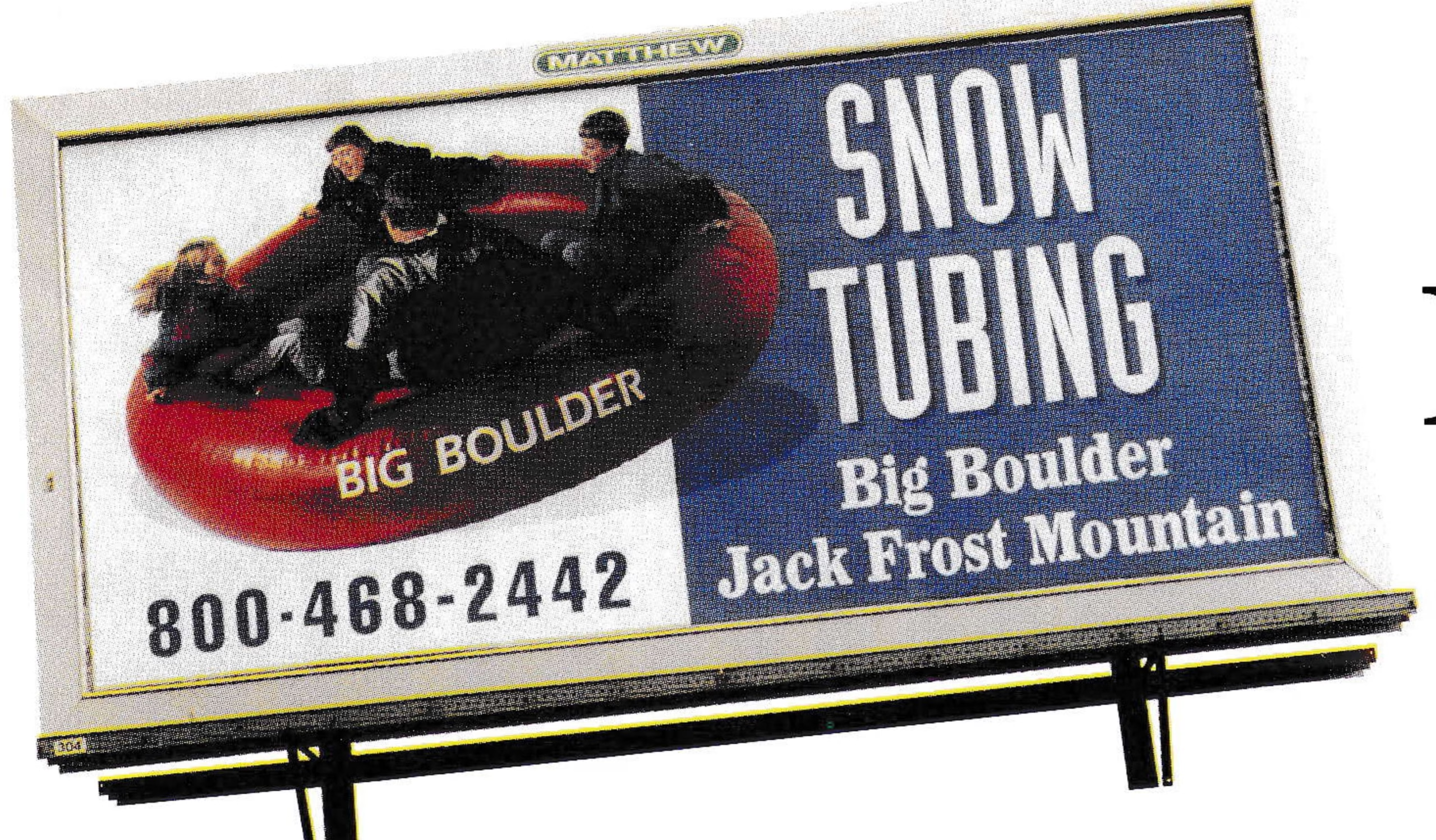
It is large metropolitan markets that Murphy has focused on—people in the nearby Lehigh Valley, Philadelphia and its southeastern Pennsylvania suburbs and New Jersey. For promotion, she relied at first on word-of-mouth. But growth has accelerated with advertising. Television commercials include both skiing and tubing shots. The Big Two outdoor billboard ads along the Pennsylvania Turnpike and access roads feature snowtubing with happy people in a tube.
Other resorts in Pennsylvania have followed the Big Two example of catering to people whose only previous winter activity may have been shoveling the driveway. Ski Roundtop in the south central part of the state was an early follower of Jack Frost’s example and, into its third year, is pleased with results.
Officials at Camelback, the largest ski area in the Poconos, are also smiling about their snowtubing park, new this year. The facility is somewhat removed from the ski area, but readily accessible. Blue Mountain in the Poconos also opened a park this season.
Murphy does not discriminate among the folks in her new market—everybody pays the same price, children or adults. High yields per visitor reflect a fixed ticket price of $12 for a half day, from 9 a.m. to 12:30 or 12:30 to 4 p.m. or from 4 to 10 p.m. at Big Boulder, where there is night skiing and tubing. A full-day ticket is $17 and, like Big Two ski tickets, are interchangeable between the two areas, which are six miles or 15 minutes apart.
The prices apply every day with no midweek discount. This pricing policy reflects Murphy’s attitude about ski tickets, as well. “The ski industry made a big mistake with lower prices in midweek,” she says. “People don’t ski on a weekday because of a discount, but because they have time off and that is the kind of experience they want. The weekend skier—that’s his time off: he wants the excitement of a crowd.”
She feels her fixed-price theory has been proved with the successful summer Wheels Park for in-line skates and skateboards, and with the year-round Splatter Paint Ball operation. One price fits all.
When asked if there is a crossover to skiing from this type of mass market recreation, Murphy believes such a delicious prospect is limited.
It’s Murphy’s guess, however, that some of the tubers come back to try skiing. “The chutes are right next to the beginner’s area,” she says. “I hear kids say, ‘Mom, I wanna do that.’
“Some skiers go tubing, too. When they buy a lift ticket, they spend an extra $12 to try tubing.” And tubing can have an impact on the in-house retail shop, for a better pair of gloves or a warmer hat, for example.
Photos by Scott Wassey
Big Boulder, the older of the Big Two resorts, is celebrating its 50th birthday this season. In the early 1950s, it was among the first ski areas to experiment with snowmaking. A half-century later, Boulder and its 25-year-old sister, Jack Frost Mountain, are still taking on new ideas.

