

There are many newcomers in the operation of surface lifts due to the increase of club and community ski hills, and the relatively inexpensive models available. A few reminders on safety and maintenance from one lift manufacturer may be of help as the new ski season rolls around. To those area managers who have operated surface lifts before, some of these pointers may seem old hat, but one or two just may prove a good reminder or help you to increase lift safety, efficiency or capacity.
Surface lifts may be permanent or portable, and fall into two classes: Contour-following lifts with top and base stations only, (usually 600-1000 feet long); and lifts with intermediate support towers, (1000 feet long and up).
“Surface lifts requiring least maintenance,” says Hans Schaer of Harusch Lifts in Squamish, B.C., “are those with no attachments or with simple attachments fixed onto the cable, such as the carousel or small rope tow, sleeve-grips, various handle grips, and the newest innovation, the combination handle-platter. With spring-box or telescopic type fixed attachments, such as the platters or T-bar with moveable parts, more maintenance is required and more problems can crop up without proper attention.”
Most problems with surface lifts, or lifts of any type in fact, can be avoided by strict adherence to the manufacturer’s installation instructions and maintenance manuals. “Too often,” says Schaer, “these invaluable manuals are misplaced or filed, when they should be at the lift site for the use of the operator.” Since there are so many different types of surface lifts, the best source of information on any particular problem is the manufacturer’s manual.
In general, the most common problems of the popular contour-following lifts are cable twist, attachments dragging on the ground as well as pile-ups of skiers resulting from poorly-designed loading and unloading areas, Schaer says. And, generally, these problems can be overcome by proper installation, adjustment to snow depth, correct operating procedures and care in maintaining loading and unloading areas.
General maintenance of surface lifts should include, suggests Schaer:
- Cable care and cable tension
- Oiling and lubrication of the engine
- Maintenance of towing attachments
- Maintenance of safety stops and proper posted instructions for customers
- Maintenance of the track for skiers
- Adjustments of cable or towing line to comfortable height for riders
- Education of operators
- Instructions for lift users
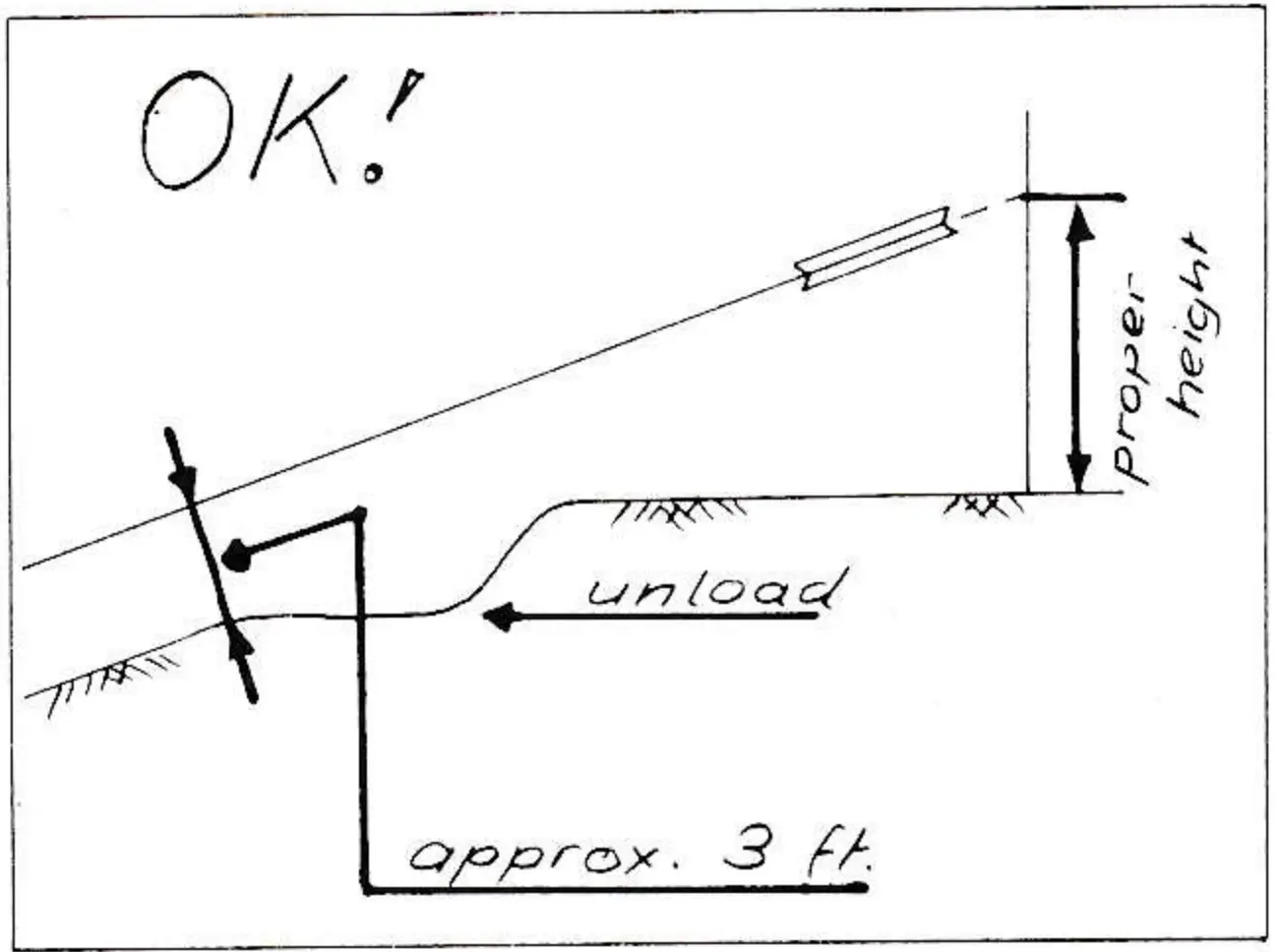
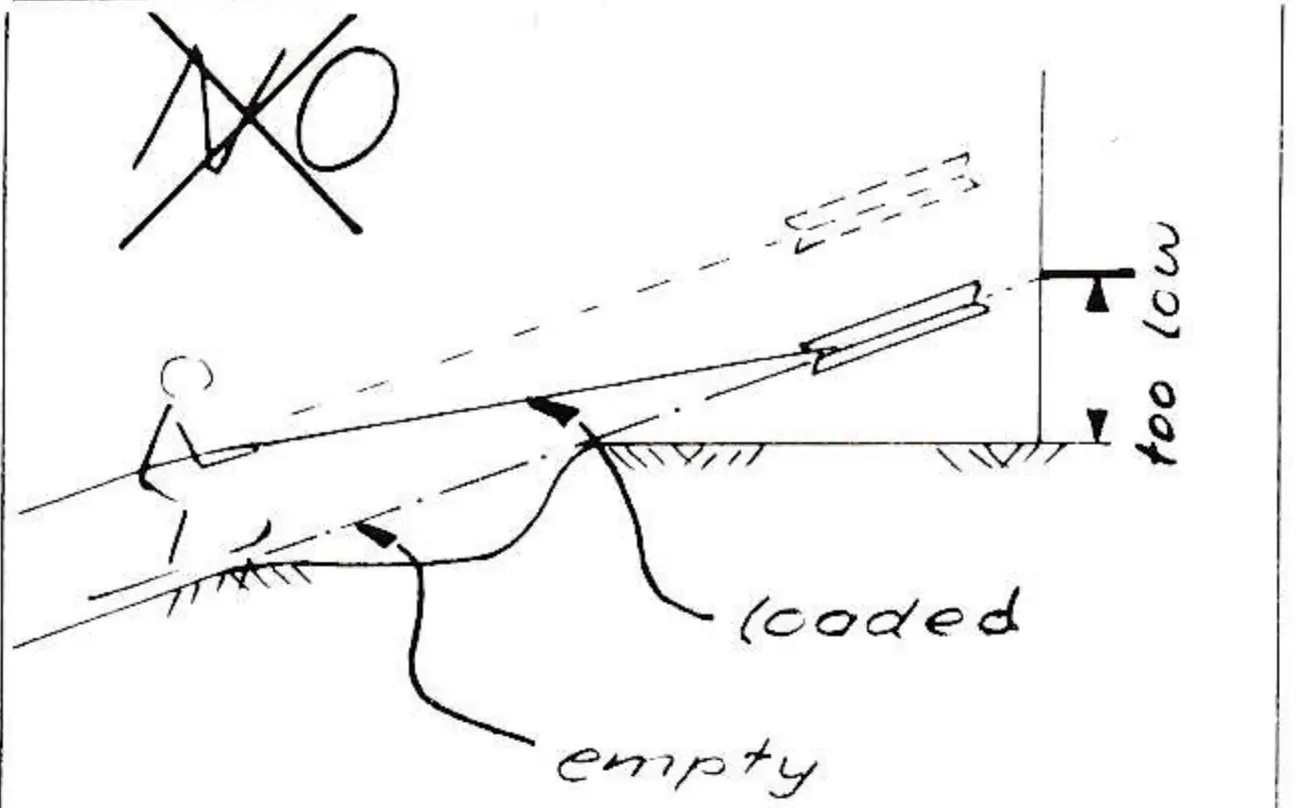
Daily prechecks before operation should include a look at the oil level, gas or other power source, check that lines are free and not frozen to the ground, lift properly tensioned, wheels aligned, wheels de-iced, safety gate de-iced, guides and take-up lines properly adjusted. The safety system should be double-checked before the lift is opened to the public each day. Any shoveling and leveling of the loading and unloading areas, and the track itself, should be done before the lift is opened for operation, and maintained during the day when necessary, says Schaer.

Periodically, handles and other attachments should be moved along the cable, lest continuous bending of the cable at the same spot result in breakage of strands. Guy and take-up lines should be checked as they become very important on small, especially portable lifts, and there are many simple ways of measuring proper tension or whether a guy is pulling from the snow. You can use two “Klein grips” with a puller and a spring device to measure tension on guy wires. The drive bull wheel can often be exchanged for the return wheel to even wear. Sealed bearings are difficult to inspect unless taken off the shaft to be checked for rough spots or wear, and necessary replacement. Splices should be checked and changed if necessary.
“Increasing capacity with surface lifts, suggests Schaer, “can be done by increasing operating speed within safe limitations, increasing the loading, perhaps by having lines form on either side of the lift and skiers alternately loading, especially on the newer high capacity type handle and platter lifts where the return line is supported high enough above the skiers using the lifts. Have a good unloading area so that skiers are encouraged to move well away from the lift with ease, as they will often stop operation accidentally by touching the safety gate with a pole or skis.” A choice of site, maintains Schaer, is perhaps the single most important factor in increasing capacity, with a long, shallow hill much preferable to a steep, short grade.
Safety on surface ski lifts can be kept at the highest degree by strict adherence to all operating instructions for the particular lift. Points to be kept in mind for frequent checks include the safety stop mechanism, speed with regard to type of towing device and calibre of skiers, maintenance of towing devices, protection of skiers from the lift equipment by fencing or other means, and good maintenance of the track, loading and unloading areas.
Lift operators need training, says Schaer. There are in North America at least three colleges that now offer courses in ski area management and many operating seminars are held throughout the country each season by the various ski area associations. “Education of the public by properly worded signs placed in key locations to help them to understand how the lift operates, and how the safety works, will go far to increase the safe operation of your lifts and insure that shutdown time is kept at a minimum.”