

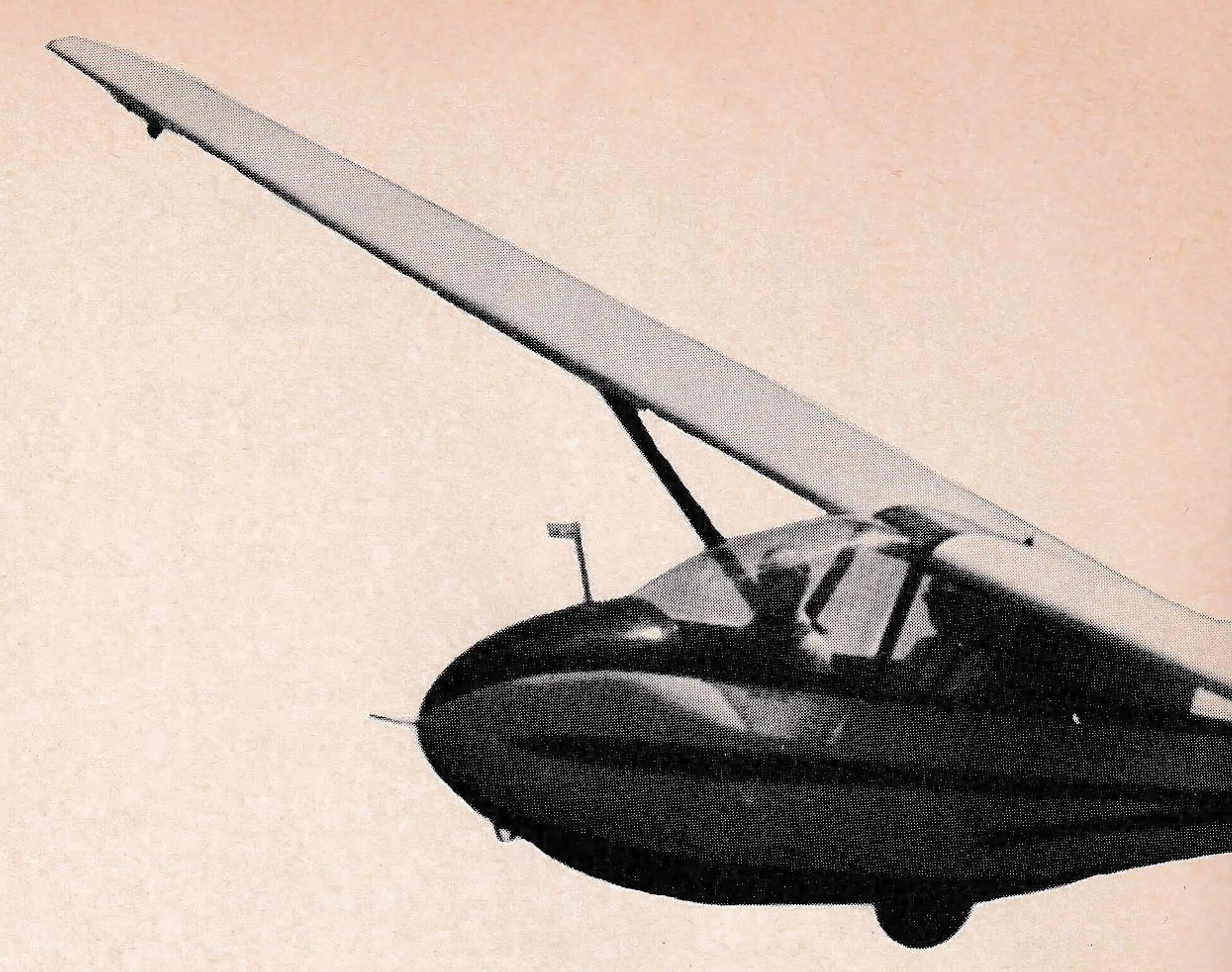
The sport of soaring isn’t new, but its popularity is growing at an astonishing rate. What does it all mean to the ski area? Year-round business for one. And the fall, because air currents are generally stronger in mountainous areas at this time, is one of the best seasons for soaring. A relatively low cost revenue producer for another—you can start a soaring service, assuming you already have the land and a building that can act as an operations center, for about the cost of an 800-foot double chairlift. Finally, soaring is unique, an attention-getting attraction that can reinforce your image as a “total resort.”
Soaring—flying in an unpowered craft set adrift on the wind—has attracted a substantial number of sportsmen. There are today, in fact, more than 50,000 licensed glider pilots in the U.S. The number of potential pilots and candidates for excursion flights can only be guessed at, but their number is certainly on the upswing.
A soaring facility alone is a viable venture; combined with other recreational activities, however, it becomes even more prone to success. Your immediate market, of course, depends on the traffic at or near your area. The summer and fall vacationer is both a prime candidate for scenic rides and a potential student.
Soaring sells itself but it needs understanding and a clean operation to convert new pilots. Kids can start at 12, solo at 14 and hold a private glider rating at 16.
An average instruction package, for instance, might run $500 from ground zero to license. For this, figure on 45 flights of around 20 to 30 minutes. And don’t forget the very old and the very young. Soaring appeals to all ages, particularily on a scenic ride basis, and at $12 to $15 for a 20-minute ride, your revenues will mount.
What do you need to start a soaring facility? First, a minimum investment of $50,000, not including the cost of land and a building. There are then geographical, equipment and personnel requirements.
First, geography. A sail plane flies because it is designed to do so. Once in the air, the plane glides downward at a very slow rate or, if the correct conditions exist, rises on invisible columns of air. The sail plane does not need a strong wind to keep it aloft; in fact, the sail plane creates its own “relative wind.” Gravity pulls the craft down, the wind deflects the force of gravity to a forward movement and the wind flows over the wings, creating lift. If you get into an area where the air is rising faster than you are descending, than the sail plane gains altitude. Geographically, the best areas are those most likely to produce rising masses of air. There are three major types of lift—thermal, ridge and wave.
Thermal lift is created by differential heating which occurs when the sun heats the earth more in some places than in others. The warm air will break away from the earth’s surface and rise in the form of bubbles or columns; the sail plane uses these thermal currents to give it lift. If the sun shines at your area there will be thermal activity. Remember, thermals are created by differential heating, not hot summer weather. Additionally, thermal activity is often more frequent in the flatlands than in mountainous areas. There is therefore little reason to restrict soaring to mountainous regions.
Ridge lift is a mechanical lift caused by the deflection of surface winds by a cliff, sharp ridge or a building. If the wind is rising faster than the sail plane is descending, the plane’s altitude increases.
Wave lift, initially, is caused by the same forces that create ridge lift. However, if the strength of the wind increases with altitude, then the lift created will be of a much greater magnitude. The difference is that the ridge or mountain range that produces the wave will be quite long and about perpendicular to the strong prevailing winds.

There must be some place that the sail plane can be launched from and returned to. A 2,000-foot sod runway is not only sufficient, but preferable to a busy, paved airport with an overload of power traffic. The runway should, if possible, allow for traffic to approach from either end and be arranged so that its longitudinal access is parallel to the flow of the prevailing wind.
Equipment needs for a soaring operation are fairly standard. A first-year operation should have a minimum of three sail planes—two two-seater training craft and at least one single-seat plane for the student’s transition and for rental use. A new sail plane can range in price from $6,000 to $32,000, but a commercial operation should go with lower cost metal construction. The planes are more durable, they can be tied down outdoors (eliminating the need for an enclosed trailer or hangar), and minor dents and scrapes are easier to repair.
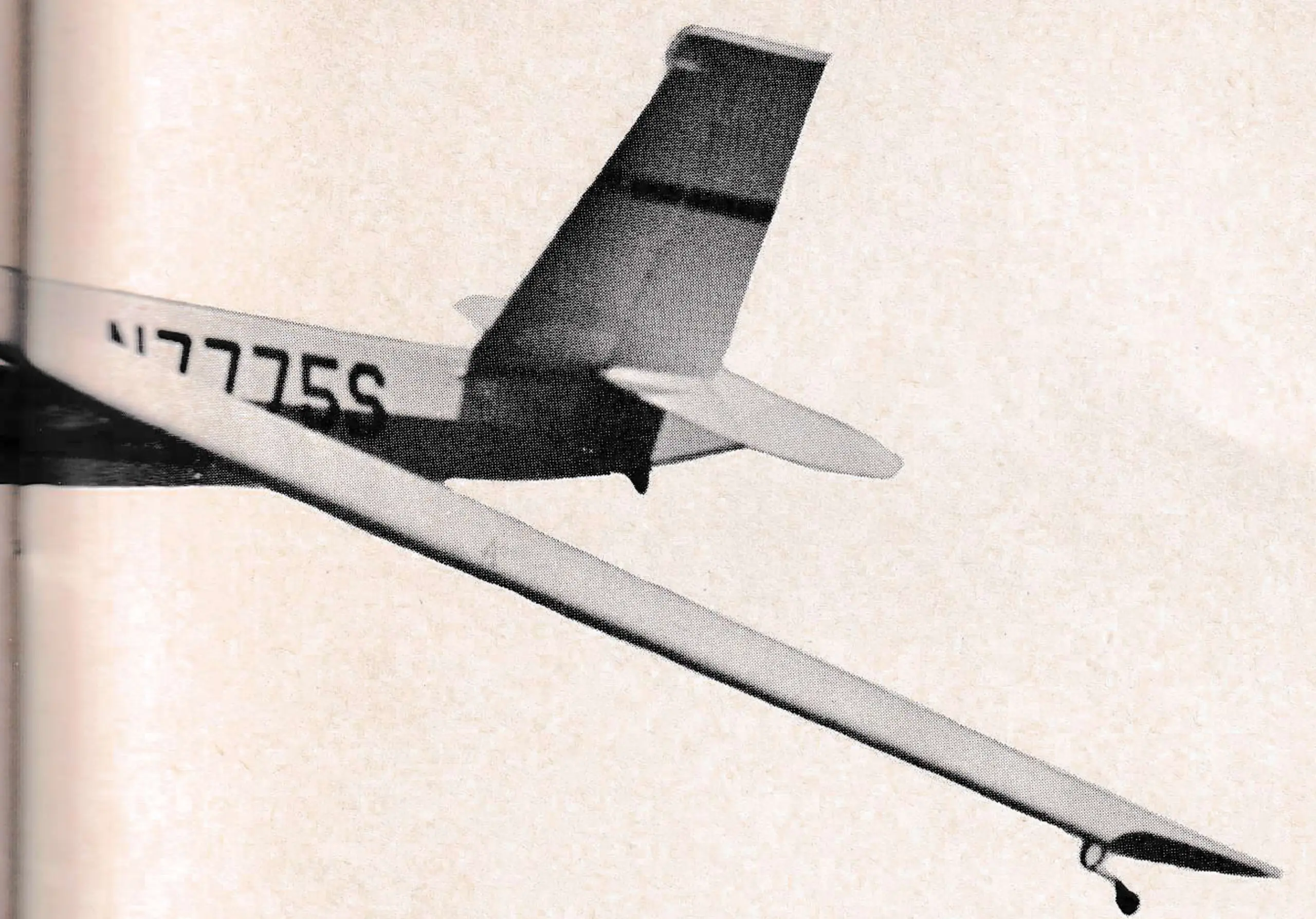
You also need a means for towing the planes aloft, and the safest, surest way is with a powered airplane. It’s best to have one primary tow plane and one backup plane for busy days or when the primary plane is in for maintenance or repairs. Cost here varies, but the general range is between $8,000 and $15,000. A tow plane, of course, has other uses. It, too, can be used for air excursions and for transporting anglers to nearby lakes and skiers to other areas. Use it for the towing of banner ads at the area and you have a ready made advertising vehicle. All these ancillary uses, of course, help defray the cost of initial investment.
For moving the sail planes on the ground, a motorized golf cart is the answer. Although sail planes are light—400-800 pounds average—they require two to three persons to move them, so a golf cart pays for itself in saved time and labor.
It is not necessary to construct a major terminal. However, a well-placed center of operations is necessary for offices, customer lounge and sales area. While you don’t need to stock sail planes, you will want to encourage sales. Having one or two of the newest ships available on a rental or trial basis will often sell the prospective purchaser just as high performance rental skis lead to sales. Most new glider pilots will move slowly from the training aircraft to the medium-priced performance single-seat sail plane. Retail items such as books, sunglasses and other accessories also become necessary as your student population grows.
It is important from the start to have a professional operation, both for considerations of safety and image. This means you will need two power pilots with commercial licenses who should also have commercial glider and glider instructor ratings. In addition, you should have a commercial glider pilot for scenic and demonstration flights. One to three people will be needed for the ground crew to move, secure, hook up and help launch the sail plane. An additional person will likewise be needed to man the office and handle scheduling.
The attitude of the area’s management throughout the operation is crucial. Soaring, like skiing, evokes a remarkable emotional attachment. And though the wise management will nurture this aspect of the sport, it must avoid the pitfalls of an emotional operation. Sound business and marketing plans are, as in any other field, absolutely necessary for financial success.