


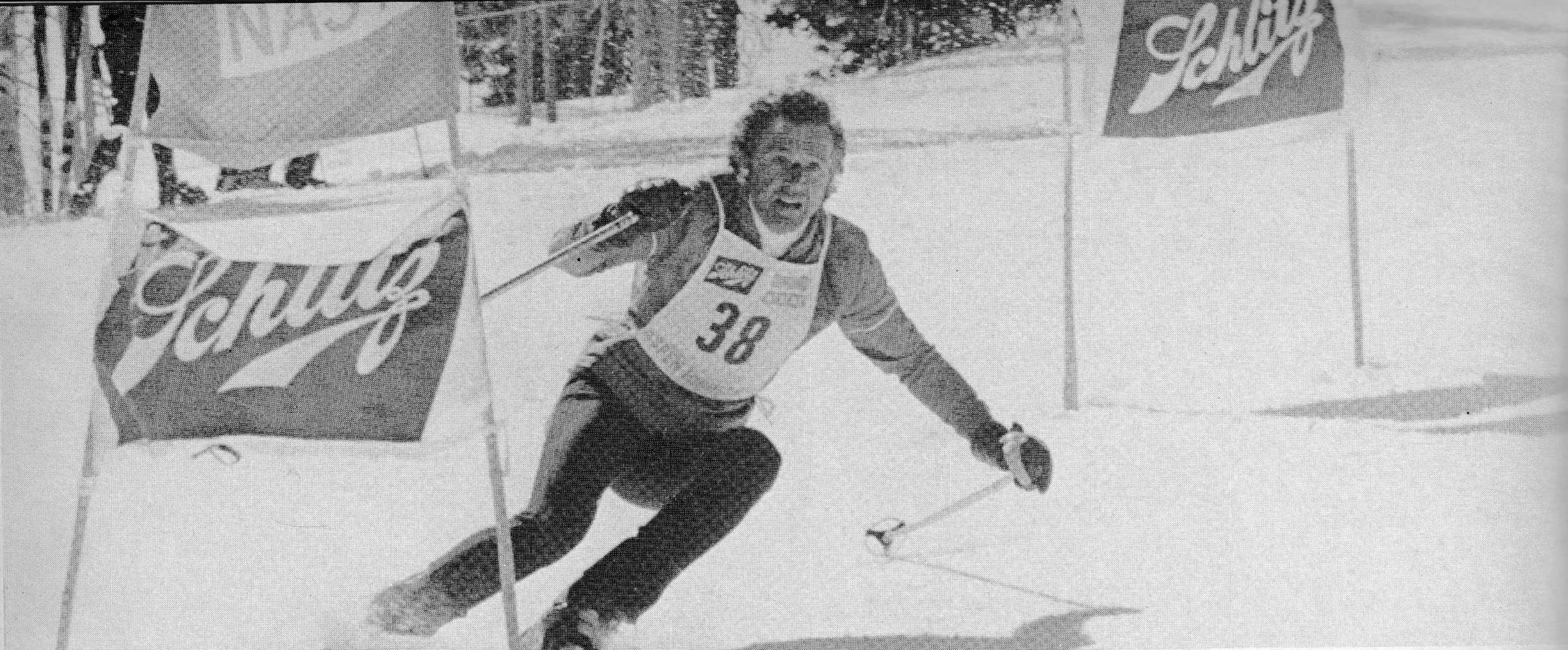
There is nothing new, but there are always twists to make the old look new. For instance, many ski areas have taken the basic NASTAR recreational races and turned them into marketing programs to fit their individual needs. A sampling of some of the 70 areas that bought NASTAR franchises last year uncovered innovative programs.
In answer to the question of why they had a NASTAR franchise in the first place, area representatives gave responses like these: Werner Schuster at Alpine Meadows, California, said, “Interest in ski racing by skiers of all abilitries has exploded in recent years. NASTAR fills the need in this direction. The fact that it is a nationally standardized program with participants across the country lends NASTAR a measure of importance and credibility that a single area organizing races of this sort could not meet.” The report from Devil’s Head, Wisconsin, “We have NASTAR because it rounds out the total package we offer the skier.” And Hans Auer at Cockaigne Ski Area, New York, said “NASTAR is really an excellent way to create additional activity at a small area. It helps bring people back to a 430 foot vertical.” These comments were typical and attest to the fundamental purpose of NASTAR: to provide a recreational racing package complete with unique marketing concepts that include banners, souvenir bibs and medals.
Many areas carry their NASTAR program a step further to increase lift ticket reevenue during slow periods. Smaller areas, such as Blue Knob, Pennsylvania (six lifts), Bryce Mountain, Virginia (four lifts), and Devil’s Head (four lifts), use NASTAR to increase mid-week business. “We held special NASTAR events during the slow times of the week. This was a real help,” said a Devil’s Head spokesman. The large destination resorts such as Alpine Meadows and Vail, Colorado, also use NASTAR to generate business. “Without a doubt,” said Alpine, “NASTAR races encourage ticket sales.” And Vail reports, “We use NASTAR as a marketing tool in early December and mid-April to help us during the low season.”
The survey uncovered some unique marketing ideas in use at a number of areas as a result of their NASTAR program. In each case, an individual at the area saw beyond the NASTAR race itself. Mt. Bachelor, Oregon, runs a “Schlitz Locals Challenge League.” Local bars, taverns, ski shops and other businesses pay $100 to enter a team in the league. Every Wednesday afternoon they race, and the next day the businesses receive considerable publicity in local media. “Sure the individuals race free,” admits Mt. Bachelor, “but the $100 entry fee put up by the business gives us the necessary front-end money, and every Wednesday the teams come and buy lift tickets.” Fifteen areas ran the Schlitz Local’s Challenge last year. Similarly, Kirkwood Meadows, California, sells a NASTAR season pass. The pass (costing between $30-$50) entitles the individual to free NASTAR, but ensures that he will return to Kirkwood regularly, purchasing a lift ticket each time.
NASTAR is a handy tool in drawing ski clubs to an area. A success story is Indianhead, Michigan. Paul Karow, area manager, reports that he offers a discounted NASTAR to help him book the club initially. “The club’s special NASTAR race is in the morning. This then entices many members to race again in the regular NASTAR at noon.” Vail reports a similar story: “Large groups, who find few areas able to host their special races because of their size, welcome the use of our NASTAR race.” This, of course, generates additional revenue.
NASTAR was started nine years ago by Ski Magazine which turned over the management of the program to former U. S. Olympic coach Bob Beattie. The program has had an impressive growth record. Last year 99,000 skiers took 138,000 NASTAR runs at 70 areas and paid some $250,000 in entry fees.
NASTAR is commercially sponsored by Schlitz (which was the initial sponsor of recreational ski racing), Bonne Bell and Pepsi-Cola. Just this season, a new major commercial sponsor has been added: Datsun. Ski areas and these sponsors join together with combined marketing -promotional programs that allow the area to create any number of special promotions.
Beattie, NASTAR commissioner, summed up NASTAR’s success: “NASTAR’s been in business nine years. Through a certain amount of trial and error, we feel we have developed a responsible marketing concept. And we’ve seen NASTAR areas come up with some remarkable results when they have used NASTAR to fit their own marketing needs. It takes no more than normal, well-planned efforts by an area’s marketing department to effectively put NASTAR to work at the area so that it helps generate dollars for all aspects of ski area operation.”