

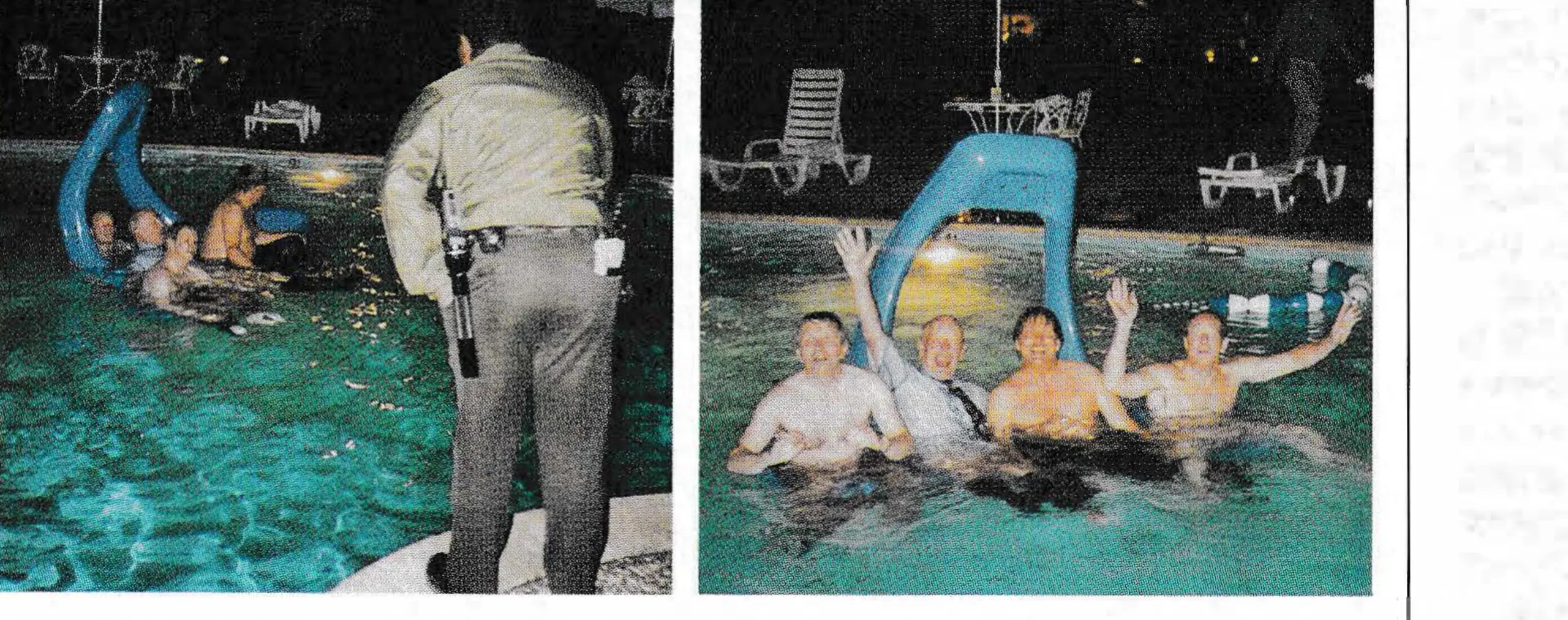
Given the upbeat mood (there’s also nothing like a winter with snow to make the spirits soar!), if anything went wrong during those four days there wasn’t a soul around willing to notice it. NSAA president, Michael Berry, appeared to have won universal approval for his work since re-starting the association in Colorado in January, and struck all the right chords in his call for an emphasis on member services and fiscal prudence. His staff, mostly appointed in the weeks before the convention, also appeared to get member approval, and received high praise for their enthusiastic efficiency in handling convention details.
At the business meeting the membership got a chance to formally approve the new bylaws which, in turn, validated the appointments of directors and officers. No surprises, and the list is as reported in May SAM.
Chairman Chris Diamond (Mt. Snow, Vt.) told the meeting he saw no need to increase dues. He also called for NSAA to play a leadership role in seeking joint action with other industry organizations such as NSP and PSIA.
Attendance at the convention was excellent. There were 128 U.S. ski areas counted, plus nine Canadian. As host state, California had the most areas in attendance (22), while Colorado was second with 16. The Midwest accounted for 14; the Northeast, 31 from seven states; five areas came from the Southeast. Attendees, as always, were predominantly owners and general managers.
Ken “One-Minute-Manager” Blanchard as keynote speaker was a hit with the audience as he expounded on his well-known themes of quality and employee empowerment. In essence he was lead-off for a number of detailed workshops on quality issues conducted by executives of Blanchard’s organization.
Unlike many earlier conventions, marketing was not given much play this year—probably because there is no money in the budget for grand promotions, nor prospects for any.

One of the best received sessions was on managing ski area environmental requirements, led by lawyers from the Colorado law firm of Fairfield and Woods. Knowledgeable and savvy, the speakers joined with ASF president, Joe Prendergast, in giving a realistic look at what the industry may face from an administration determined to earn its environmental spurs.
The ethics session drew a big crowd, many perhaps expecting a lively exercise in finger pointing; but it didn’t materialize. The engine that drives many area marketers into ethically dubious positions was generally acknowledged: too much capacity in search of too few customers. The whole subject of the downside of over-zealous competitiveness was aired, but only a few volunteered suggestions. A couple of speakers suggested the industry might work up a “code of ethics” which ski areas could sign onto. Others, though, countered that “we already know what’s right and what’s wrong so what good is a code?”
The session ended inconclusively, but with an undercurrent that the airing of these issues must continue.
At the supplier meeting there was still another course change for next year’s convention at Marco Island, Fla. A previously ratified decision to have no formal trade show with exhibits for this venue was rescinded. In the meantime, the western show at Squaw Valley, March 7-9, which as a “super show” was to have substituted for exhibiting in Florida, is still scheduled—a scant 11 weeks before the national show, May 23-26.