


Flexible Tine Harrow
The Fuerst Flexible Tine Harrow, manufactured by Fuerst Brothers, Rhinebeck, N.Y. 12572, is available in widths of 8, 10 and 12 feet, with weights respectively of 270, 360 and 450 pounds. The tines, made of high carbon steel 7/16-inches in diameter and 3½-inches long, give 312 points of contact on the 10-ft model. A special draw bar permits the operator to connect two such 10-ft models to give a 20-ft swath.
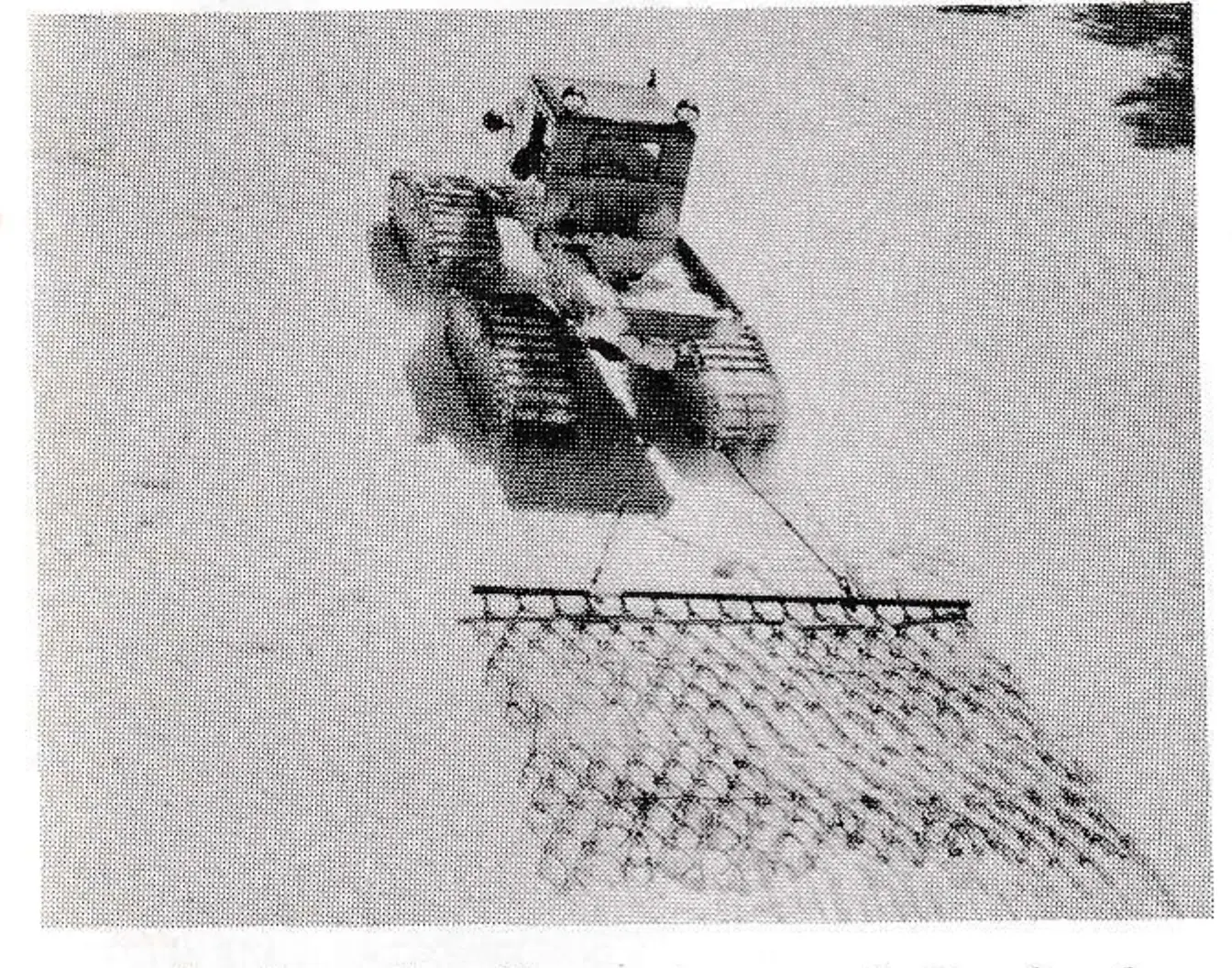
With teeth down and forward the most penetration is achieved; light penetration results with teeth down and pointing rearward; and with teeth up, a smoothing drag mat results.
The manufacturer claims low maintenance for the product, pointing to the absence of bolts and nuts to tighten, or parts to lubricate.
Panels in paper
One of a series of souvenir products manufactured by Reliable Racing Supply, 253 Bay Road, Glens Falls, N.Y. 12801, are Giant Slalom & Downhill Panels. The panels are made from extra heavyweight plasticized paper, and although named “souvenir products” they are fully re-usable and last a number of seasons, according to Reliable.
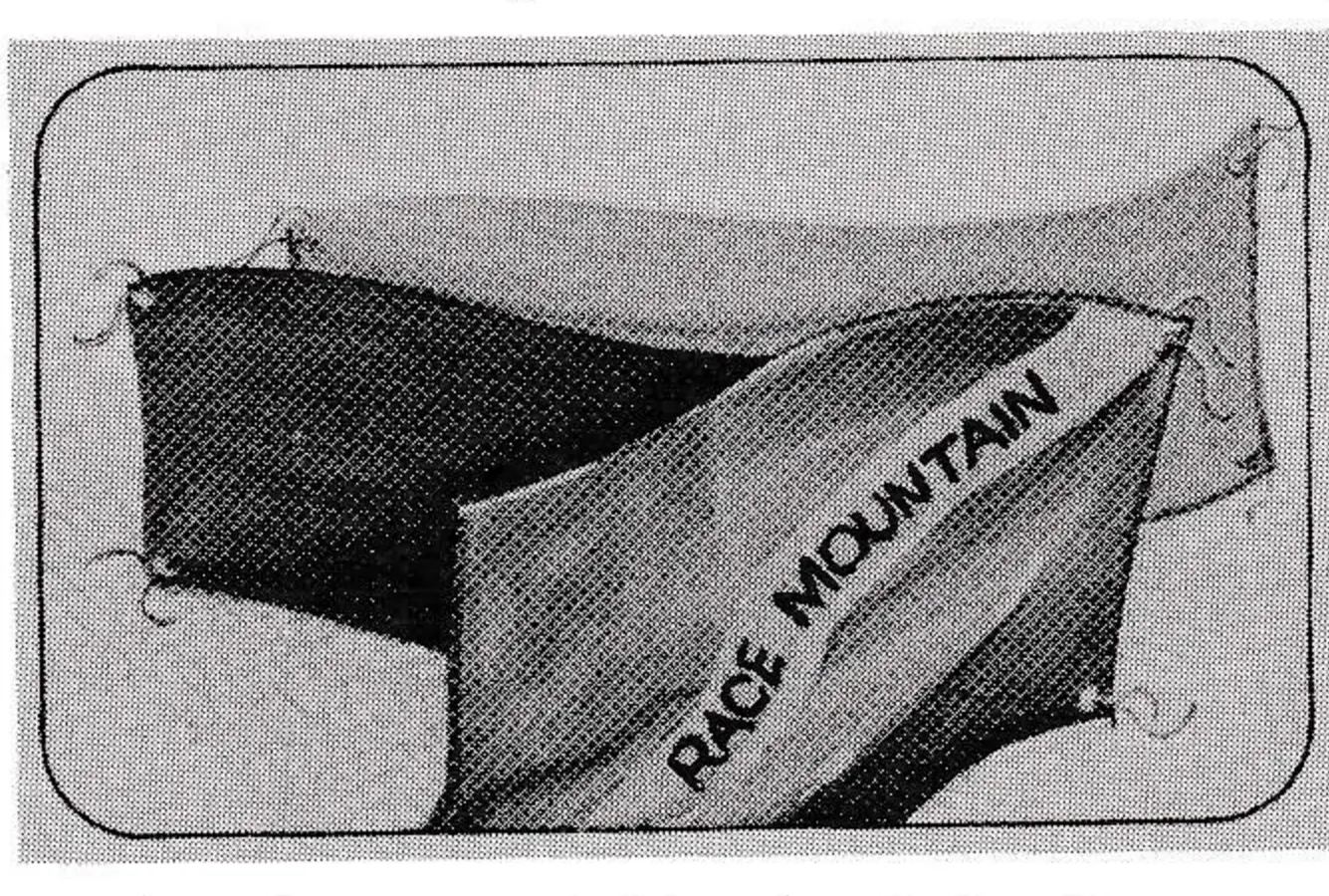
Souvenir Giant Slalom Panels are packed in sets of 60 flags, half red and half blue. The set costs $52.50. Heavyweight elastic anchors are provided for ease in attaching to slalom poles. The red and blue panels include a diagonal stripe for vivid identification and for imprinting ski area or product name in a bold fashion. With the imprint the set costs $75.00 plus $20.00 non-recurring plate charge.
Other souvenir products by Reliable Racing Supply are numbered racing bibs, slalom flags and “Finish” banners.
Photographic image on model surface
Contours, Inc., Box 350, Ypsilanti, MI 48197, has announced that they can now apply a photographic image to their “one-of-a-kind” sculptured model surfaces. The image may be a contour map with all its auxiliary information as show, or an aerial photograph may be used. The cost is a fraction of comparable hand detail decoration. This, Contours emphasizes, is not a printed plastic map of the type mass-produced for retail sales.
“This development is the biggest thing since models changed ten years ago from layers of cardboard to the present sculptured foam technique,” said Jack Cochrane, President of Contours. “This concept,” he continued, “will greatly expand the utility of the sculptured models and will be of special value to the planners and landscape architects working with large areas of land.” The photographic image may be applied over any color, but light colors are best, according to Cochrane.
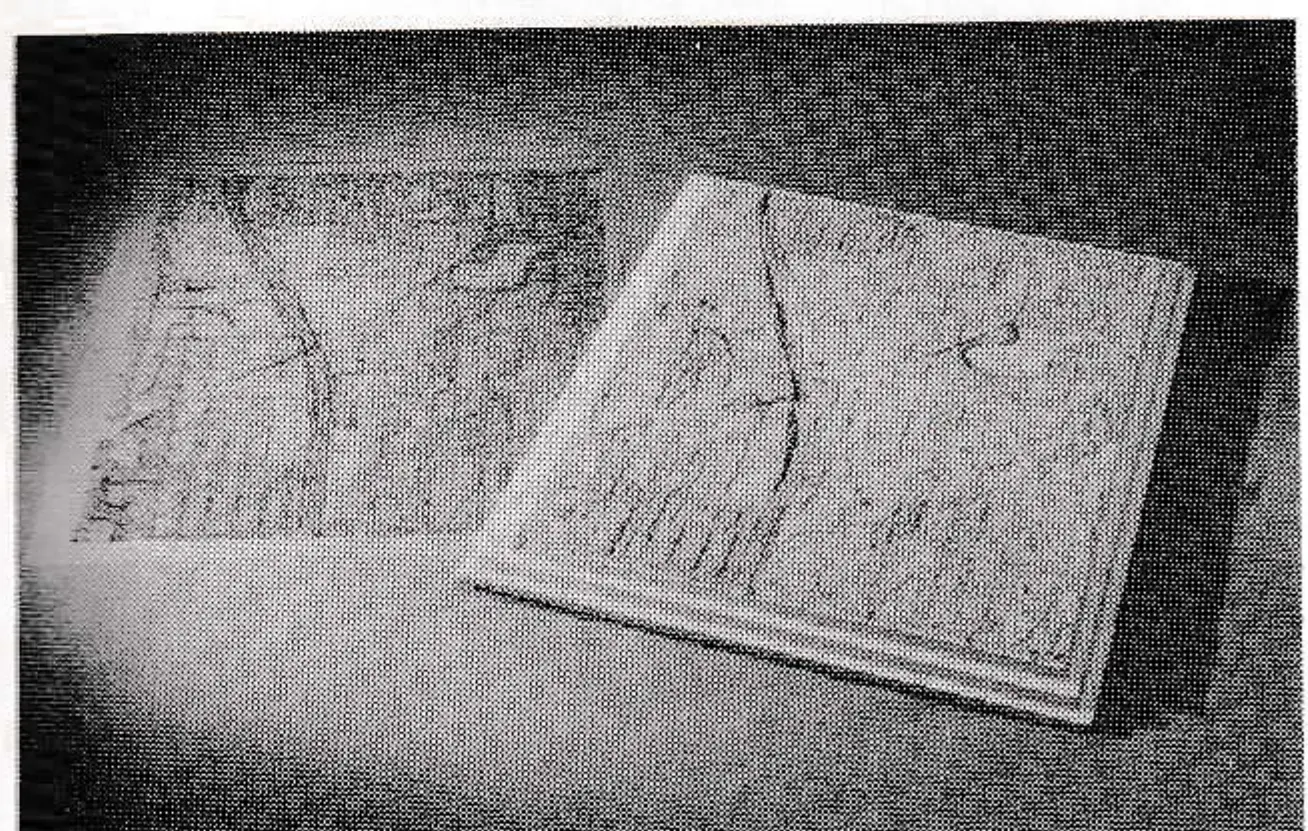
Contours, one of the country’s largest producers of 3-D urethane models, is now also custom molding their own urethane model slabs. The molded slabs have a hard, smooth, integrally molded exterior skin around the model periphery, providing better appearance and durability.
Sign-making system
The PST Company, of P.O. Box 813, Sausalito, CA, 94965, is marketing the PST 500 System for making die-cut vinyl letters from 1-3 inches high.
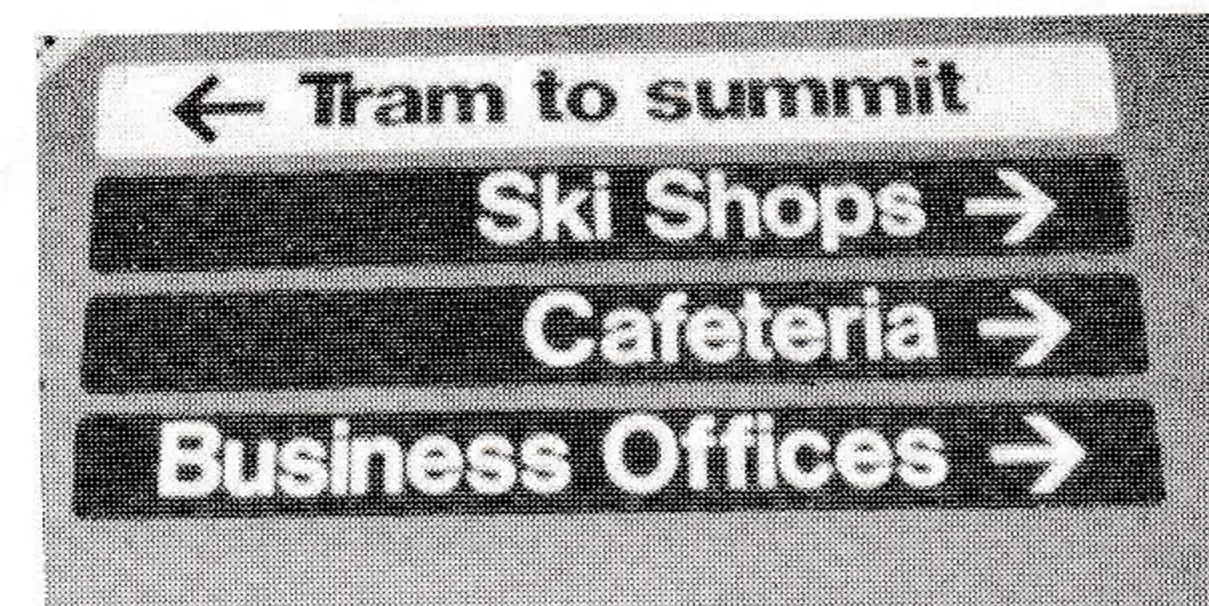
The PST system, including four die fonts and supplies for 10,000 letters, sells for approximately $1,500.
The illustration shows a typical sign.
Doppelmayr introduces Ski-Carousel to U.S.
Doppelmayr Lifts, of Wolfurt, Austria, is introducing through its North American distributors a ski teaching device called Ski-Carousel.
The device is installed on a level surface measuring approximately 48 feet square. The cross-shaped feet can be anchored in the ground, or can be weighted down with concrete blocks. The electrical connection cable is laid flush with the ground and can be laid under the snow surface. The waterproof instrument panel is mounted on two beams.

The four arms of the Ski-Carousel are mounted with bolts that are provided. When the instrument panel is connected, the Ski-Carousel is ready for operation.
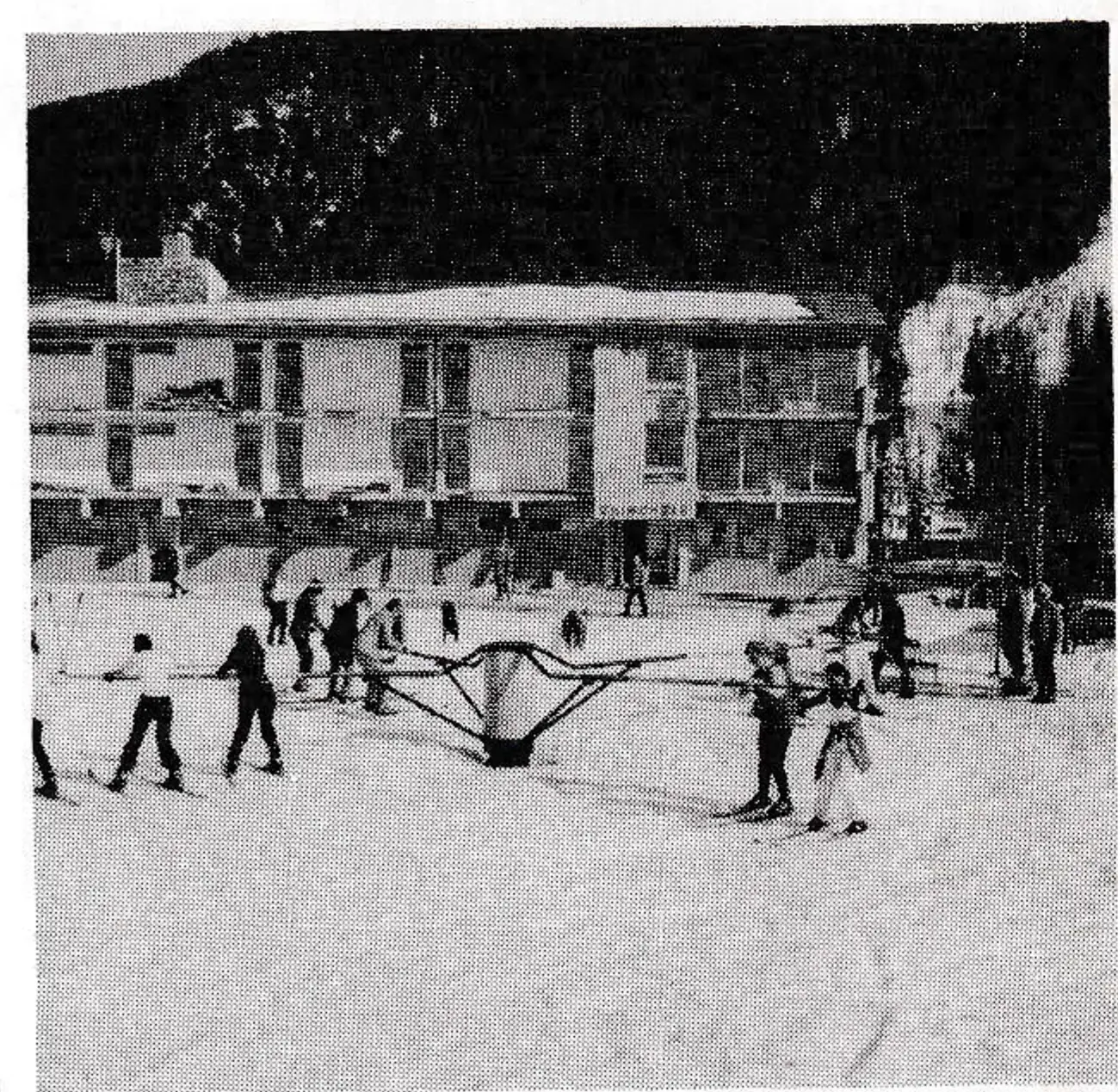
The Ski-Carousel is designed to familiarize beginners, especially children, with the feel of moving on skis. The two slowest of the four speeds (2.6 and 3.9 feet-per-second) make it possible to simulate how to make a turn and also to get the necessary confidence to get on a surface lift. The maximum speed of 7.9 fps is comparable to an average lift speed, and gives the skier an idea of how to ride a ski left.
Ski-Carousel will be available in the U.S. through Ski Facilities, PB 900, Mercer Island, WA, 98040; and in Canada through Doppelmayr Ltd., RR3, Hall Road, Kelowna, B.C.
Harusch introduces new Handle Platter
Harusch Lifts, Box 1100, Squamish, B.C. has designed a new Handle Platter to be used as a modification on existing wire rope tows.
The Handle Platters, now available from Harusch in a conversion kit, allow slower operation of the lifts and, according to a company spokesman, save wear and tear and make a more comfortable ride for skiers. The new attachments were tested at the Toni Sailer Summer Ski Camp at Whistler Mountain, B.C. this past summer.
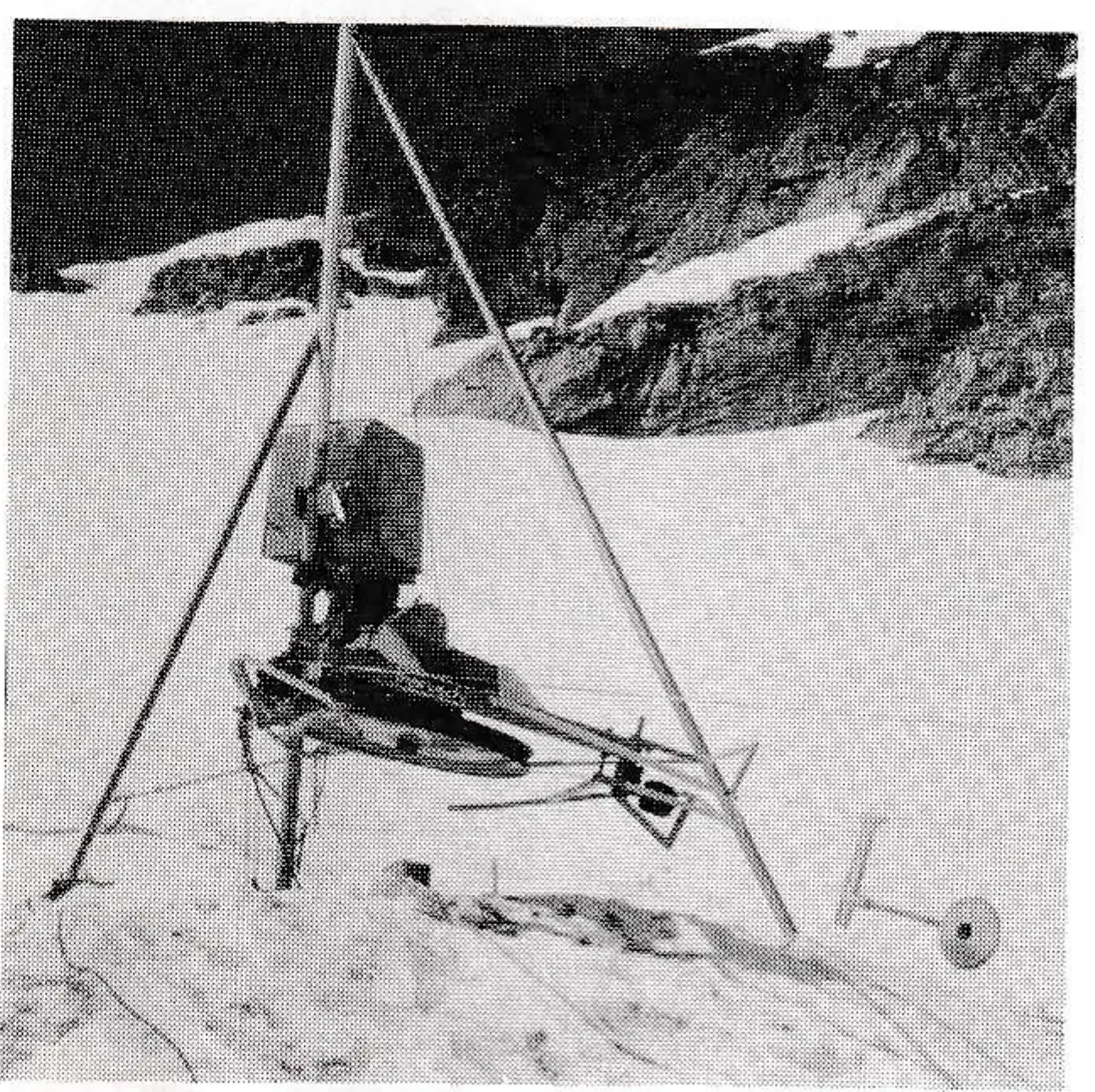
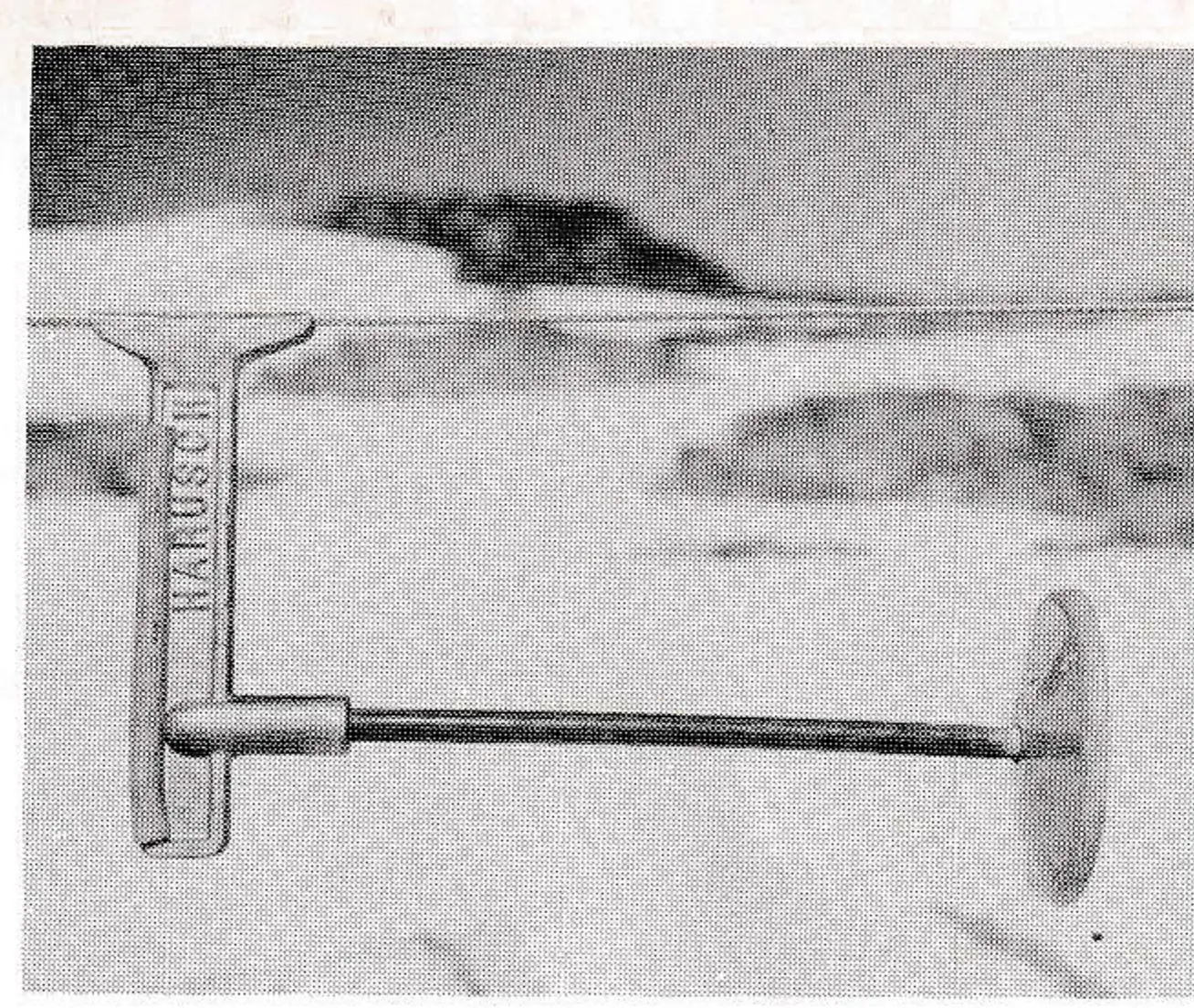
According to the manufacturer the Handle Platter makes it possible to increase capacity to more than 1,200 skiers per hour.
“Skistile” from Hall
Hall Ski-Lift Co., of Watertown, N.Y. 13601, has introduced the “Skistile,” a complete lift loading system. Engineered originally to help control bullwheel loading, the manufacturer emphasizes that Skistile can be used for any type of life loading configuration, double or triple, surface or aerial. It is also competely movable, according to Hall.
“The Skistile was born out of necessity,” says Phil Savage of Hall Ski-Lift. “There has always been a problem controlling skier access to the loading point, and this became critical when bullwheel loading arrived.”
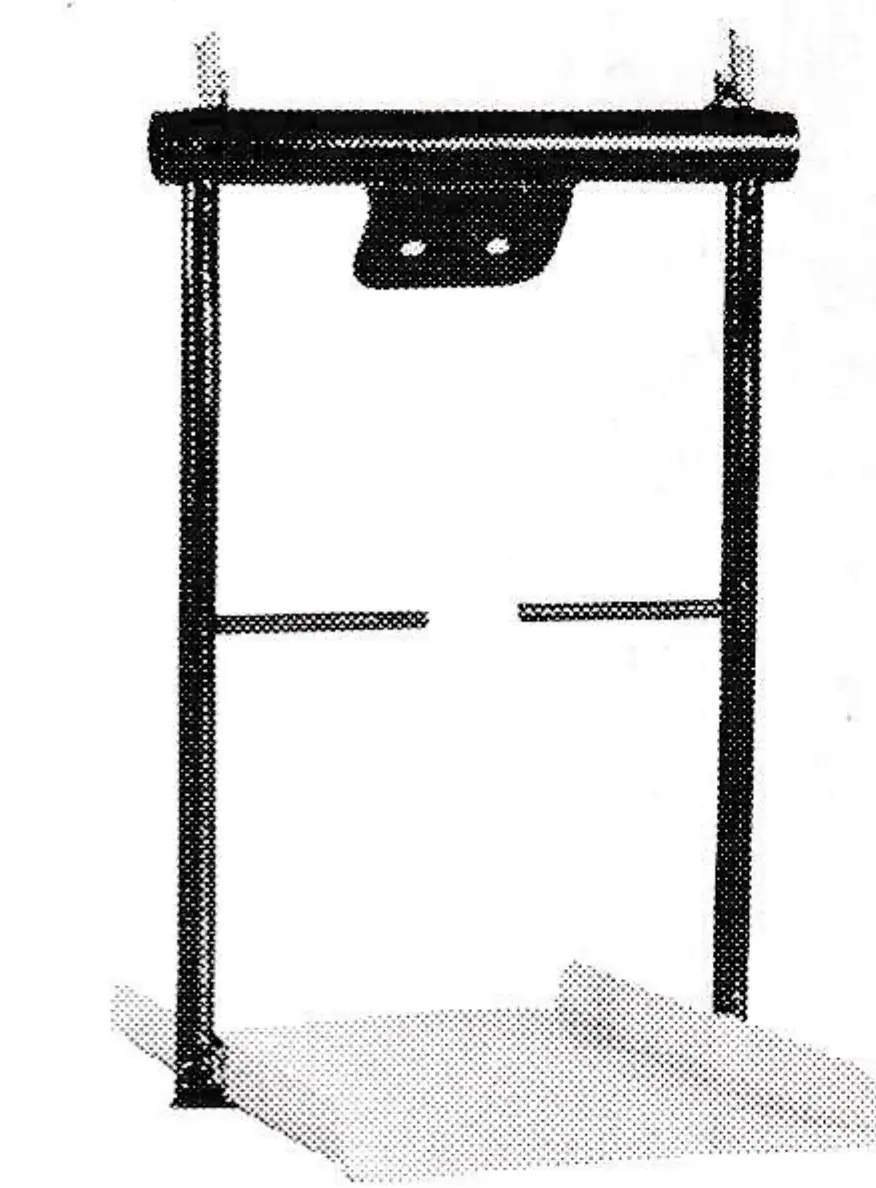
Essentially, Skistyle automatically — no operator needed — controls skier access to the loading point. The restraining arms, which are waist-high on an adult, are activated positively and outward by a time-controlling unit — a physical sensing switch that is set to sense the chair as it passes a predetermined point. The skier is also aurally alerted to the gate opening by an audible signal, as well as visually by the red light switching to green.
After the skiers pass through, the light returns to red and the gate closes slowly by gravity until it resumes its locked position. It is engineered and timed so that the closing gates will not allow extra skiers to pass through, at the same time protecting the advancing skiers by means of the gravity closure.