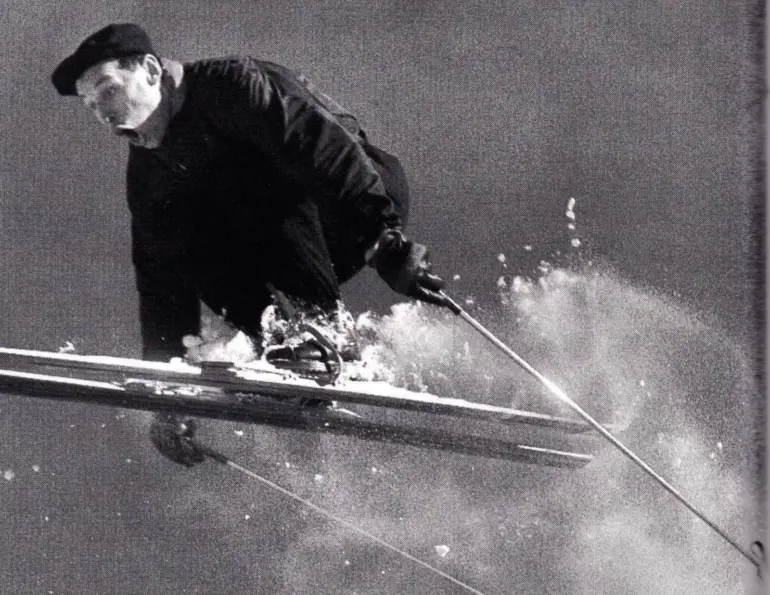
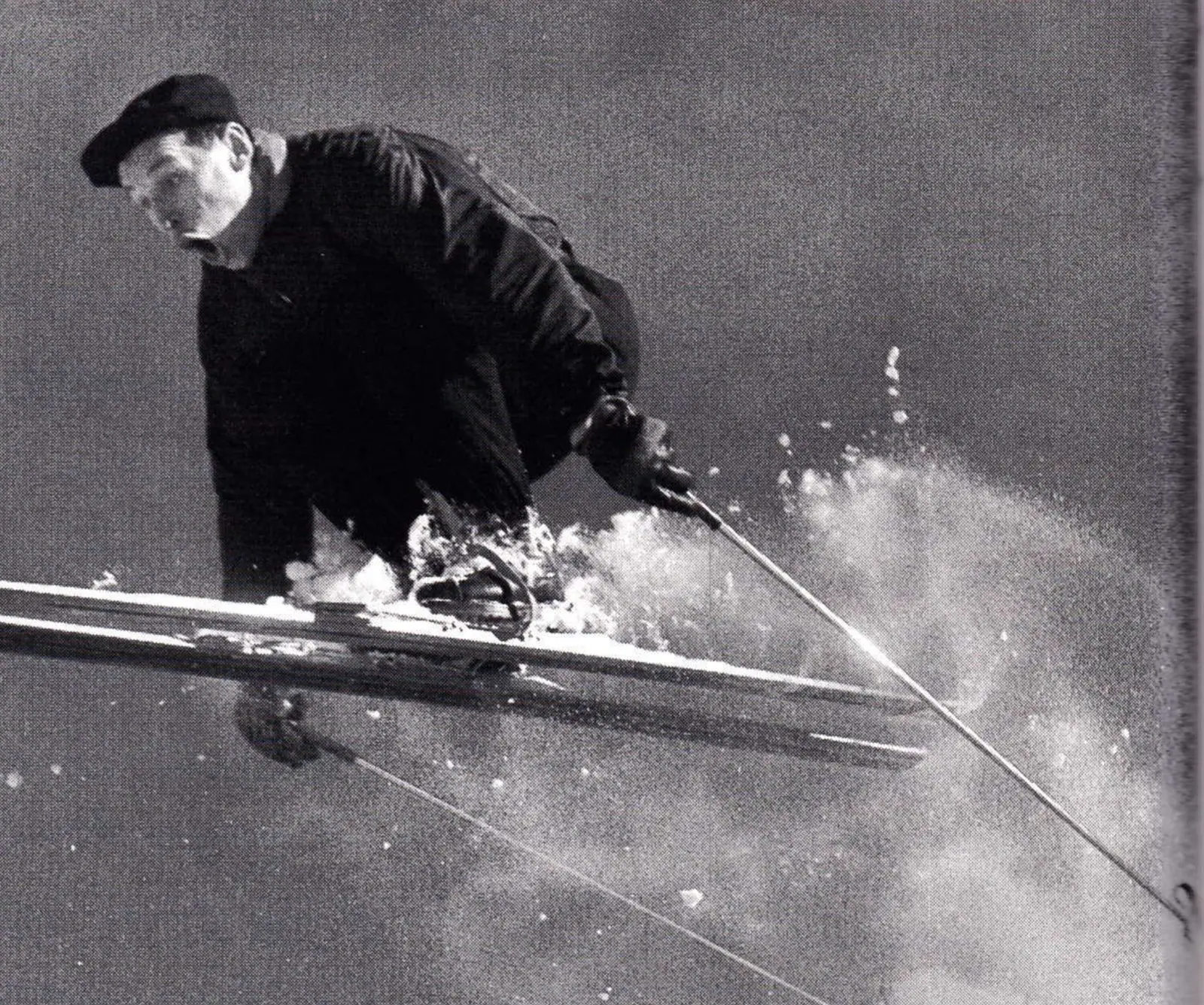
“He was drinking a cup of coffee in a grocery store when his neighbors casually mentioned that the U.S. Forest Service had begun soliciting bids for development of a ski area at nearby Dodge Ridge,” recalls son Ralph.
Whimsically, Purdy added his name to the prospectus.
“He wanted to be closer to his family who already lived in the mountains. He no longer enjoyed the commute to his store some 80 miles away and he put his name down along with a one-hundred-dollar-fee and forgot about it,” says Ralph’s brother George.
Three months later, the Forest Service contacted Purdy and asked if he was interested in developing the ski area.
Though he didn’t know a lot about the industry, Purdy got started by drawing his vision of Dodge Ridge inside a matchbook; a vision that now finds the Sierra ski area celebrating its 50th anniversary season.
“When the Forest Service came to him,” says Ralph Purdy, “it was something of a shock. They’d rejected the other bidders, but they had studied his business history and liked what they saw.”
Purdy had only picked up the sport during his forties after his children began to take lessons, but he had a lot of energy and common sense. And he loved the mountains. It also helped that challenge and change were nothing new to the former teacher, truck driver, highway patrolman and professional violinist. He graduated from the College of the Pacific with a degree in architecture and was looking for a new venture that would keep him closer to the mountains.
The son of a forest ranger, Purdy explored the Sierras of Tuolumne County near Sonora Pass as a youth. He hiked the Dodge Ridge area, then called Lava Ridge, a name based on prehistoric andesite lava flows that now form the jagged crests and splintered capitals of the landscape. From its rocky heights, the terrain gives way to thick forests of Bennett junipers, the largest and oldest known specimen of western juniper. On clear days from the ridge’s 8,200-foot summit, Purdy could spot the high reaches of Mount Diablo on the coast.
In the late 1940s, when his wife Mary and son George both developed asthma and needed a change of climate, Purdy, who felt attached to the Sonora Pass area, moved his family to the town of Long Barn—25 miles below Dodge Ridge.
“Before utilizing the special use permit by the Forest Service, my dad toured western ski resorts for three months to decide if Dodge Ridge would be a viable economic product. He traveled 5,000 miles, as far away as Sun Valley. He visited Mammoth and Squaw Valley,” remembers Ralph.
“Upon his return he drove to where he thought the ski area should be built. He pulled out a matchbook and sketched the layout of the resort. While driving from ski resort to ski resort, he developed an idea of what Dodge Ridge was going to look like. And when the final project was completed, it looked exactly like what he’d drawn on the inside of the matchbook.”
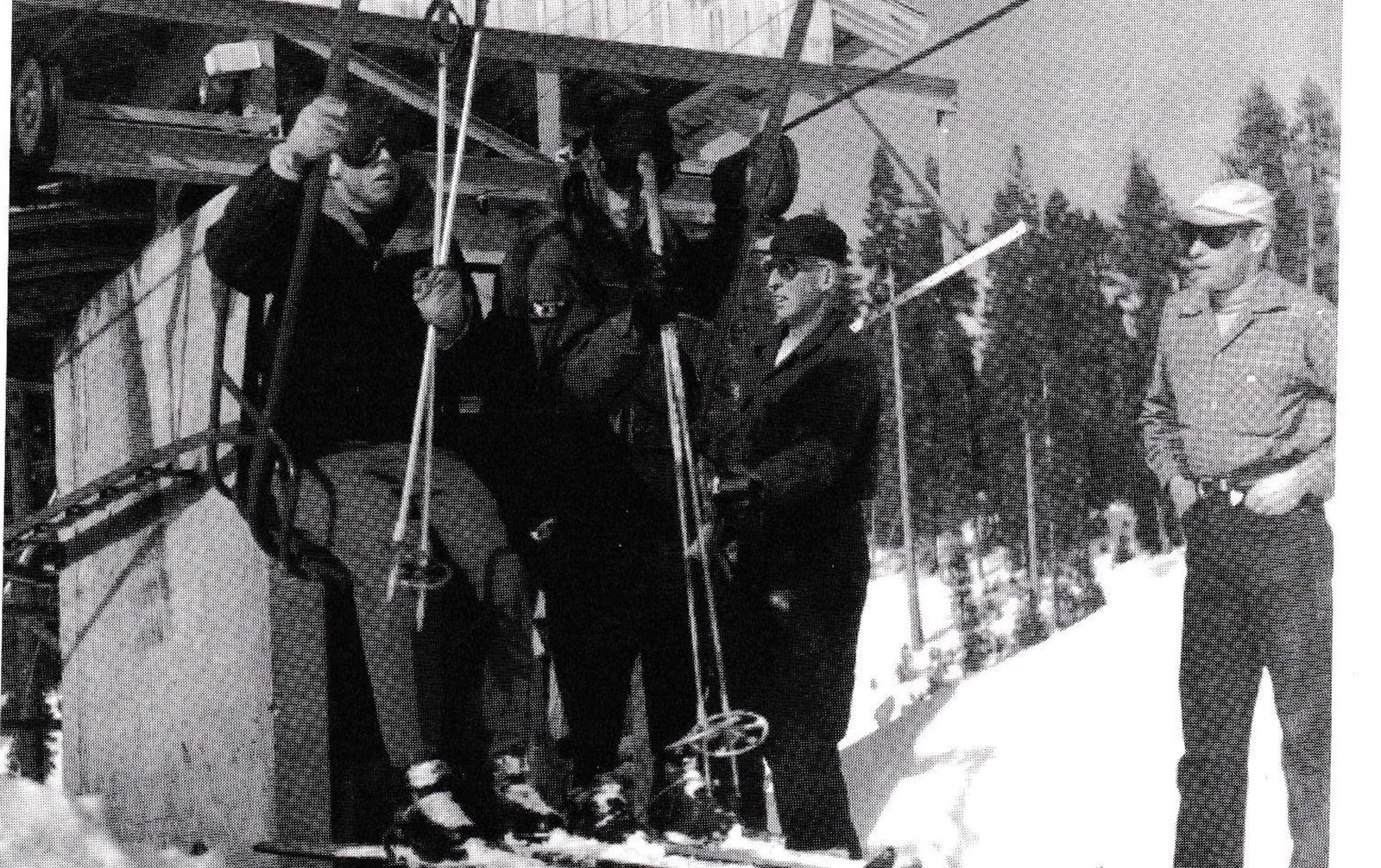
When Dodge Ridge opened in the fall of 1950, Purdy offered skiers a Bob Heron, state-of-the-art chairlift built for $95,000—a considerable sum in those days—complemented by three surface lifts. Twenty-seven million board feet of timber had been cut to clear runs. Additional facilities consisted of a 700-car parking lot and two-story day lodge, complete with ski shop and dining room. In all, Purdy’s initial investment came to $250,000.
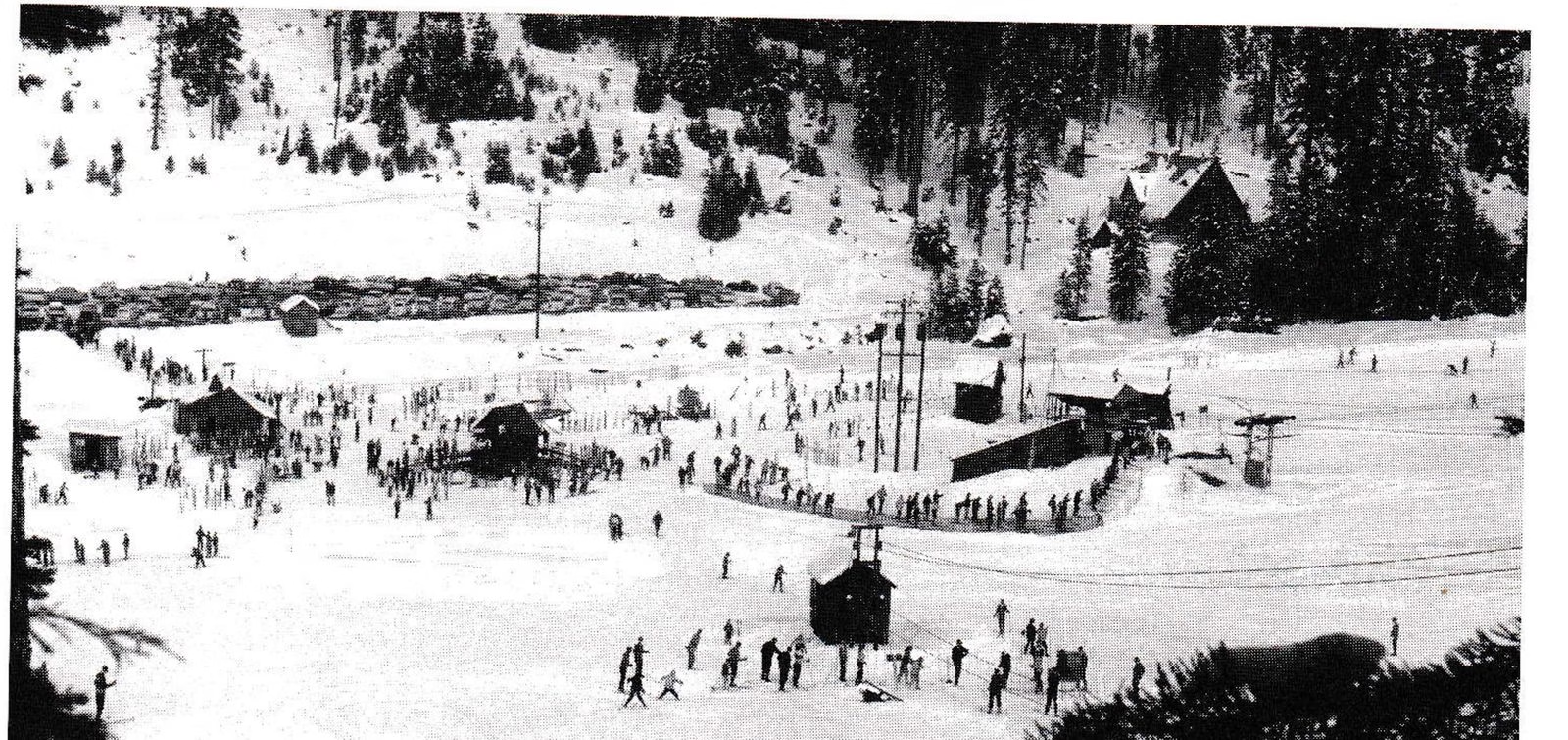
On its opening day in 1950, 3,000 skiers flocked to Dodge Ridge. Tickets sold for $3 for an all-day lift pass and $1 for a rope-tow pass. Purdy never looked back. Within just a two-month ski season, Dodge Ridge attracted 19,000 patrons. The next year’s numbers increased to 25,000 visitors. The ski resort grew into a driving force for a nascent sport in the U.S. that helped convert Tuolumne County into one of California’s most popular recreational spots. Dodge Ridge became a consistently profitable venture among ski resorts.
Fifty years later, Dodge Ridge offers 60 trails, one halfpipe and three snowparks spread over 815 acres accessed by 12 lifts. Several mid-mountain and base-area eateries welcome up to 6,000 visitors on weekend days. A recent expansion in Boulder Creek Canyon opened up 265 acres of expert terrain.
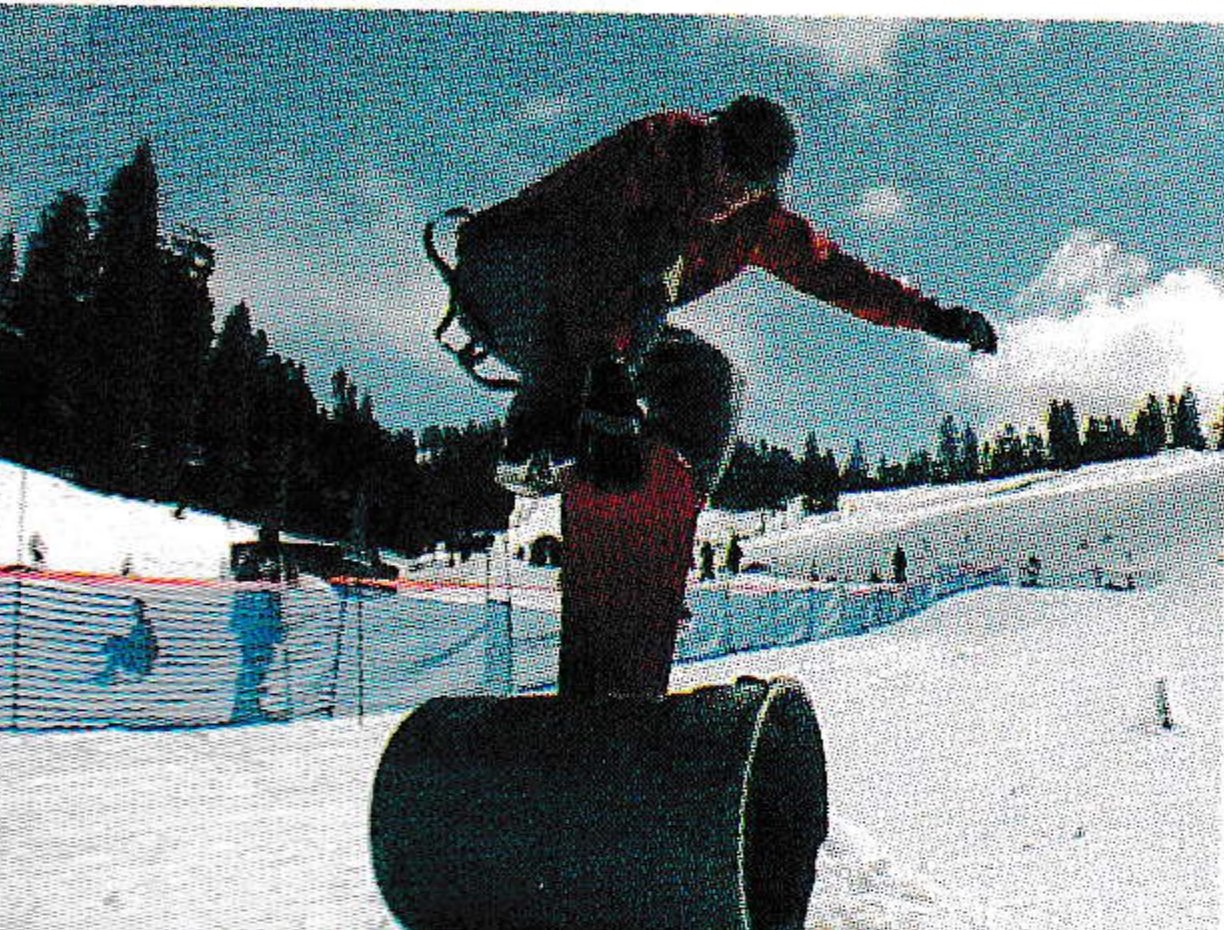
But for all its modern amenities, Dodge Ridge remains a throwback to a time dominated by exuberant outdoorsmen. There are few off-slope attractions. The resort remains more of a rarefied mountain outpost where people come to enjoy the rugged beauty and wonders of nature. Dodge Ridge, after 50 years, is the culmination of the visions of its only two owners, current President Frank Helm and Founder Earl Purdy.

Part of the success was geographical. Less than 100 miles from both Modesto and Stockton, and only 150 miles from San Francisco, Dodge Ridge was the closest resort in the mountains. And visitors didn’t hit snowy roads until they reached Longbarn. From there they climbed to Dodge’s base, which at 6,600 feet insured good snow conditions. In all of Purdy’s time as owner, he only reported one bad year, 1963, when snow didn’t arrive until March. And even during years when gasoline was short, such as the Korean War years and the early 1970s, Dodge Ridge’s parking lot was almost always full. In 1973, during the height of the OPEC gas crisis, 170,000 skiers took to the slopes of Dodge Ridge. Under Purdy, Dodge Ridge eventually entertained over 260,000 skiers a season.
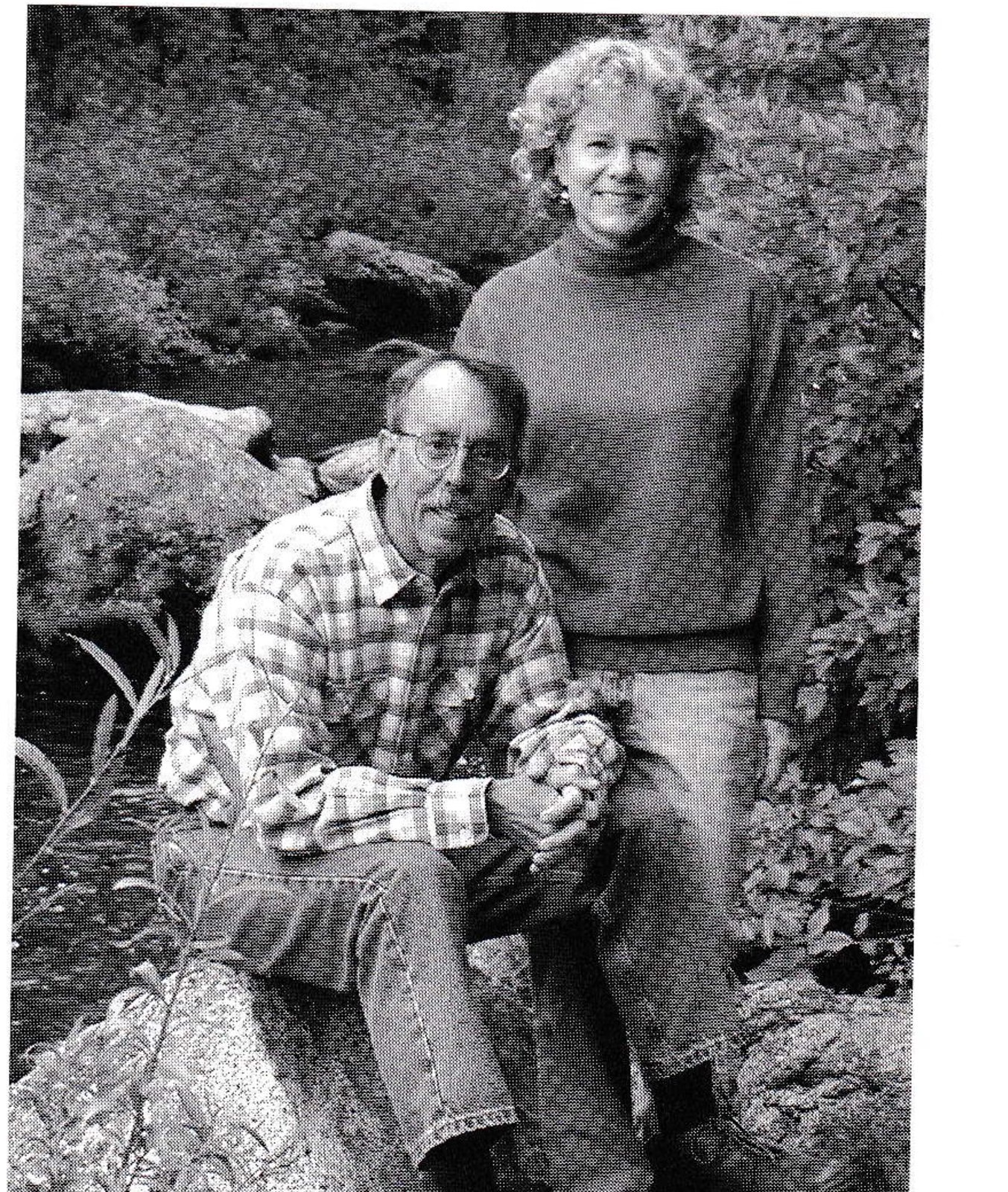
Relying on his keen business sense, Purdy stressed a cautious approach to capital improvements. He never built housing facilities, choosing instead to rely on the accommodations in the immediate area to take care of demands. Over the succeeding years, the resort added lifts and expanded facilities only as income warranted. It was more than 10 years after the opening date before Dodge Ridge installed a second chairlift. Then again, In 1968, Dodge Ridge completed a $300,000 expansion that included two new double chairlifts and the first section of what would become a new 16,000-square-foot lodge.
“The most important skill my father had, however, were his people skills,” says Ralph Purdy. “He had a talent for choosing key people to run the different resort departments. He had genuine concern for people and he instilled in his employees a sincerity for the customer, to make them feel welcome. The customer came first.”
Some of those managers have remained. Mountain Manager Benny Hughes has served the resort for 28 years. Director of sales and guest services Paul Mundy learned to ski at Dodge Ridge and eventually directed the children’s programs for 20 years.
In 1977, at age 70, Purdy finally decided to sell Dodge Ridge to Frank Helm and his father, a Modesto car dealer. The new owners have remained steadfast in keeping the resort’s traditions ever since.
To keep in close contact with his customer base, Frank Helm, 61, skis several times a week, interacting with guests and staying visible to his employees. His wife, Sally, oversees departmental management and the resort’s 400 seasonal employees, and can be discovered anywhere at anytime on the mountain, from parking cars to dishing out food.
In 1985, Helm built Chair 7 to double Dodge Ridge’s then existing terrain. In 1999 he initiated a $3.5 million improvement package that included the installation of a fixed-grip quad in Boulder Canyon, additional restaurant facilities in the base lodge and an expanded rental shop to accommodate guests.
“I doubt we ever put in overnight facilities, and we can’t enlarge the ski area anymore, but we have the ability to modernize. Our appeal will always be based on family and customer service.”
“We’re hoping our 50th will be our most successful yet,” explains Helm who was presented in 1999 with the Charlie Proctor Award by the North American Ski Journalists Association for his lifetime achievement in the ski industry.
“Just like Earl, my Dad and I both came from backgrounds outside of skiing, then the sport became our family’s lifeblood,” says Helm. “Our most gratifying moments, the fun thing about our business, is taking care of the customers, seeing that they’re having a good time.”
“My dad loved the mountains and the ski business,” says Ralph Purdy, whose father died in 1991. “His reward was going to work. He liked people. He was always looking out for the public and the betterment of the community. It was the most enjoyable part of his life. He’d always ask, ‘Are we having fun?’ “
It seems clear the answer is and always has been, yes.