


A lot has been said in recent years about the value of relating ski lift carrier maintenance to cycles of use rather than the traditional calendar-based service intervals. Faced with rapidly rising upkeep costs, Sunshine Village Resort, in the Banff National Park, Alberta, has moved in this direction by developing a more efficient way of scheduling maintenance on its gondola.
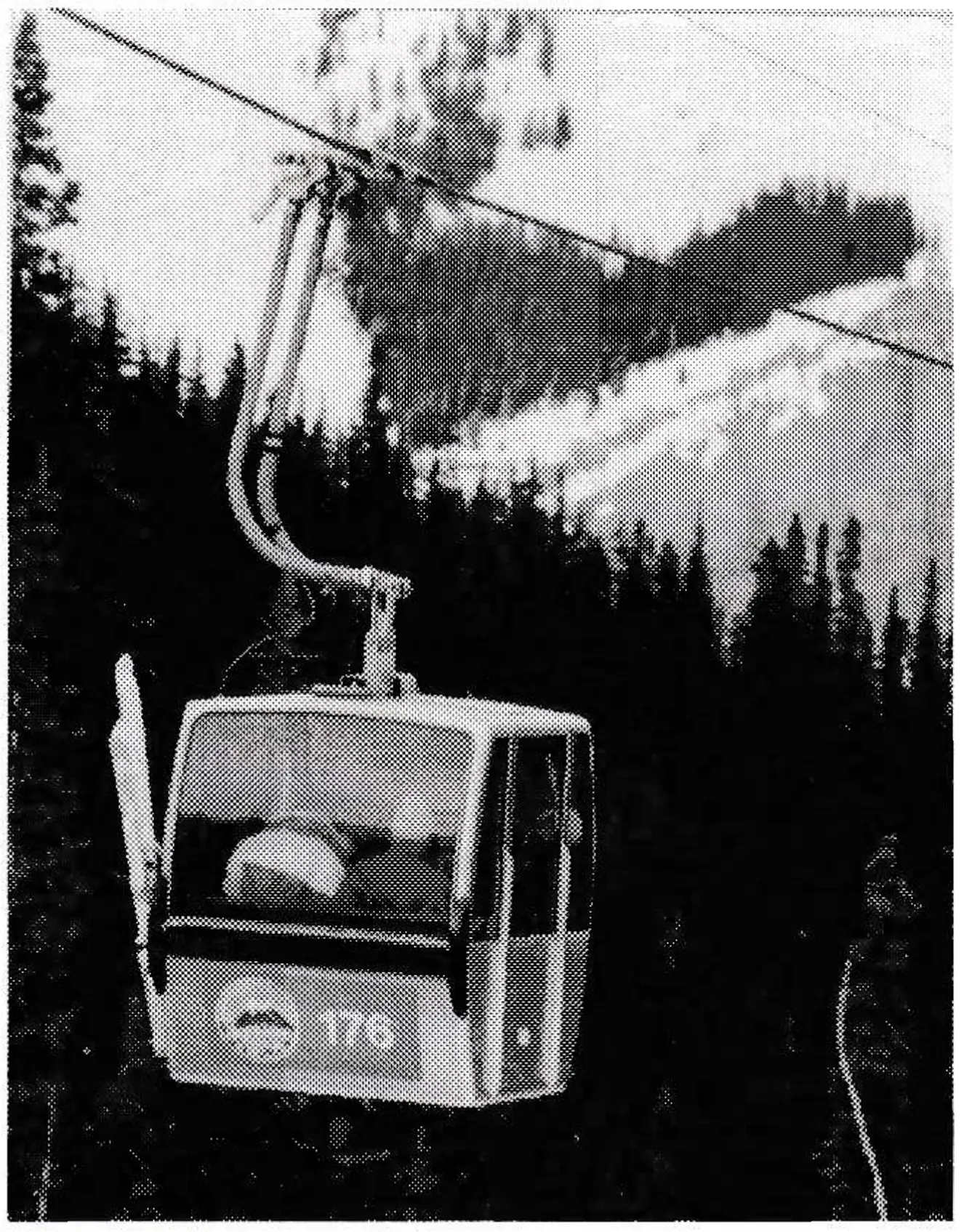
The Sunshine gondola was built with off-line storage for all of its passenger, freight, and utility carriers, and the passenger cabin spacing is frequently changed to suit anticipated capacity requirements. The installation is often operated with less than half of the carriers on line, while the rest remain stored in the parking areas, used only during peak periods such as weekends and holidays.
There was no real way to track the individual usage of each carrier, so every one had to be inspected and serviced on the assumption that it had been used all the time the gondola was operating.
The maintenance staff knew that they were servicing carriers that had seen little use since their last routine maintenance service, and were wasting time and money. The high cost of replacement parts and skilled labor, combined with 3,000-odd hours of gondola operation a year, resulted in routine maintenance costs in excess of $110,000 annually for the 200 passenger cabins and freight carriers.
Sunshine felt that if it could equate the manufacturers’ specified maintenance intervals with the actual “cycles-of-use” for each carrier, and find a way to measure and record the usage of each carrier individually, the work load and the associated parts and materials costs could likely be reduced by about 40 percent, which would represent a savings of more than $40,000 annually!
After preliminary testing in the summer of 1990, Sunshine came to the conclusion that a comprehensive, reliable, and financially viable “Cabin Monitoring System” was possible. After consultation with the lift manufacturer and the regulatory authorities, Sunshine decided to proceed with the design and installation of a full-scale monitoring system.
The Sunshine Village “Cabin Monitoring System,” as it is now called, consists of bar code labels on each of the carriers corresponding to the visible carrier numbers, an infra-red bar code scanner which identifies each carrier as it passes through the gondola mid-station, and a Telmecanique TSX programmable controller, which receives carrier usage information from the scanner, stores and compiles it, and generates scheduled maintenance instructions.

While each of the system components performs a vital function, the heart of the system lies within the programmable controller software, which was designed especially for this application. The program tracks four different “counts” for each carrier (one count for each type of service interval for these carriers), and generates hard copy reports identifying which carriers require each type of service, and will activate an alarm and identify any carrier that remains in use beyond its service interval. The system allows authorized maintenance staff to “reset” the count for a specific type of service once the scheduled inspection or maintenance has been done, and performs other support tasks such as hard copy back-up of each carrier’s status, and answers inquiries about specific carriers. In the event of monitoring equipment failure, provision has been made to manually add to the count for one or all of the carriers.
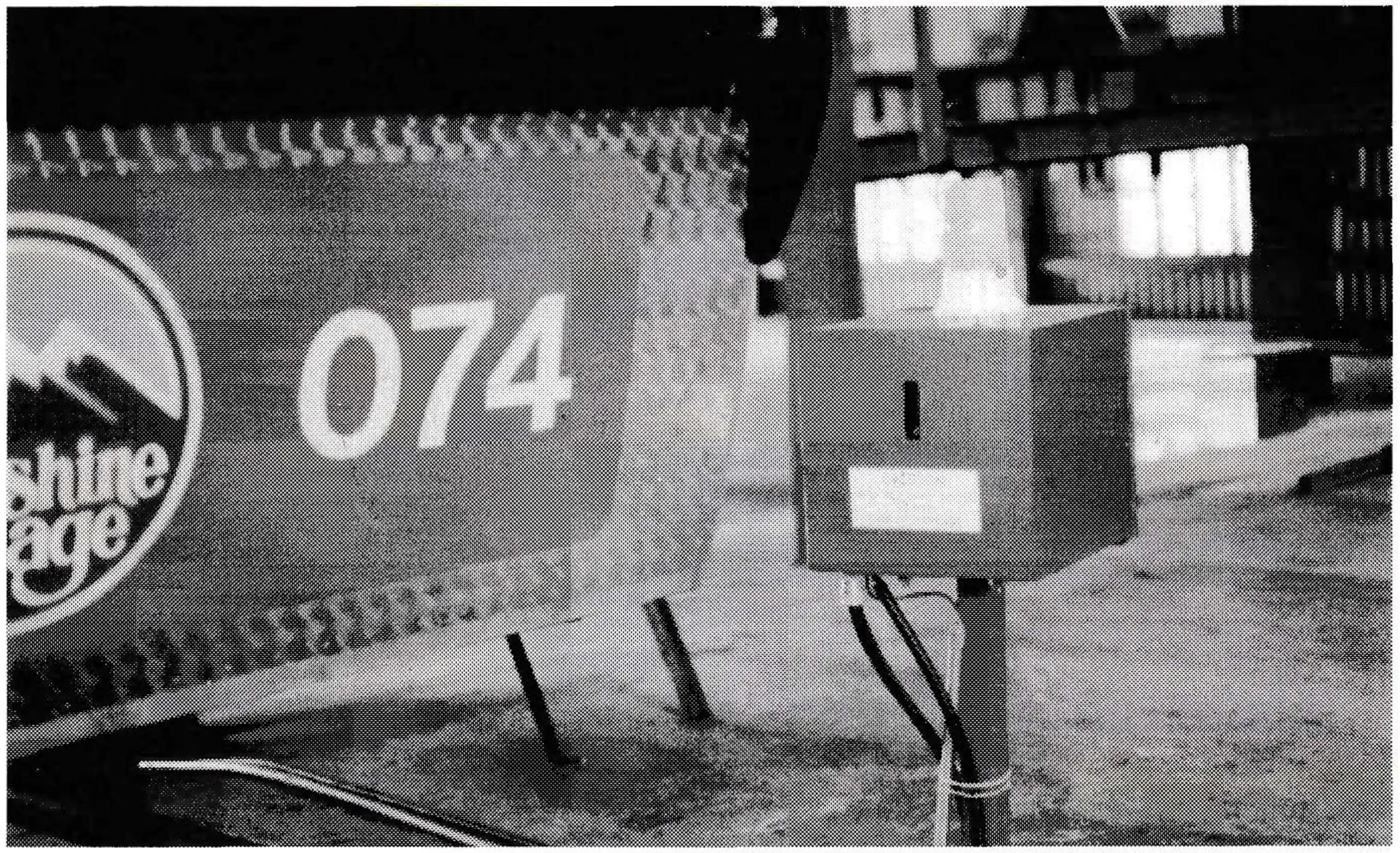
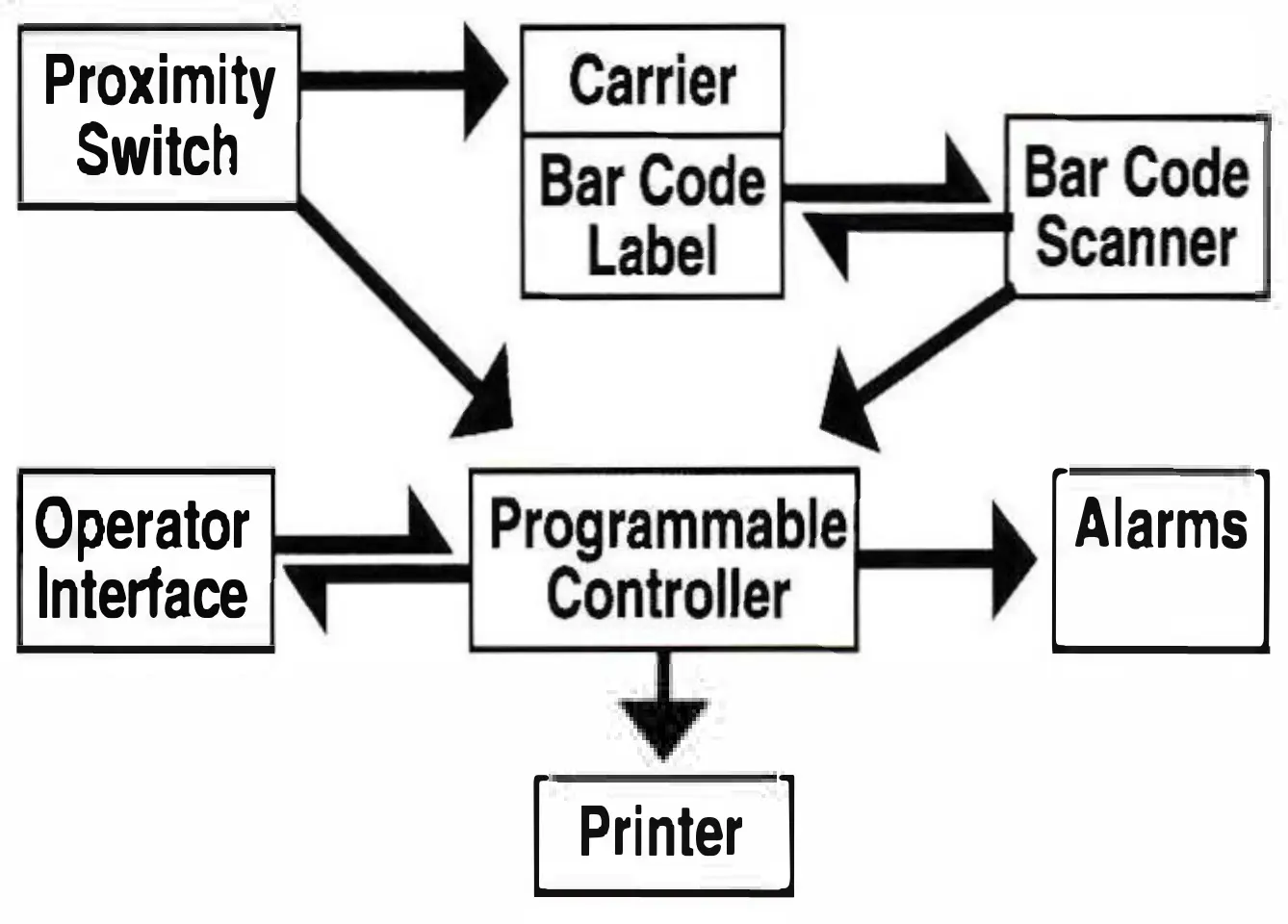
At the monitoring point, the scanner is interlocked with a proximity sensing switch via the programmable controller, so that if a carrier were to pass the scanner without being recognized, an alarm would be activated. In the early part of the project, the scanner would occasionally fail to “read” a carrier in extremely cold weather, but this was overcome simply by heating the scanner enclosure.
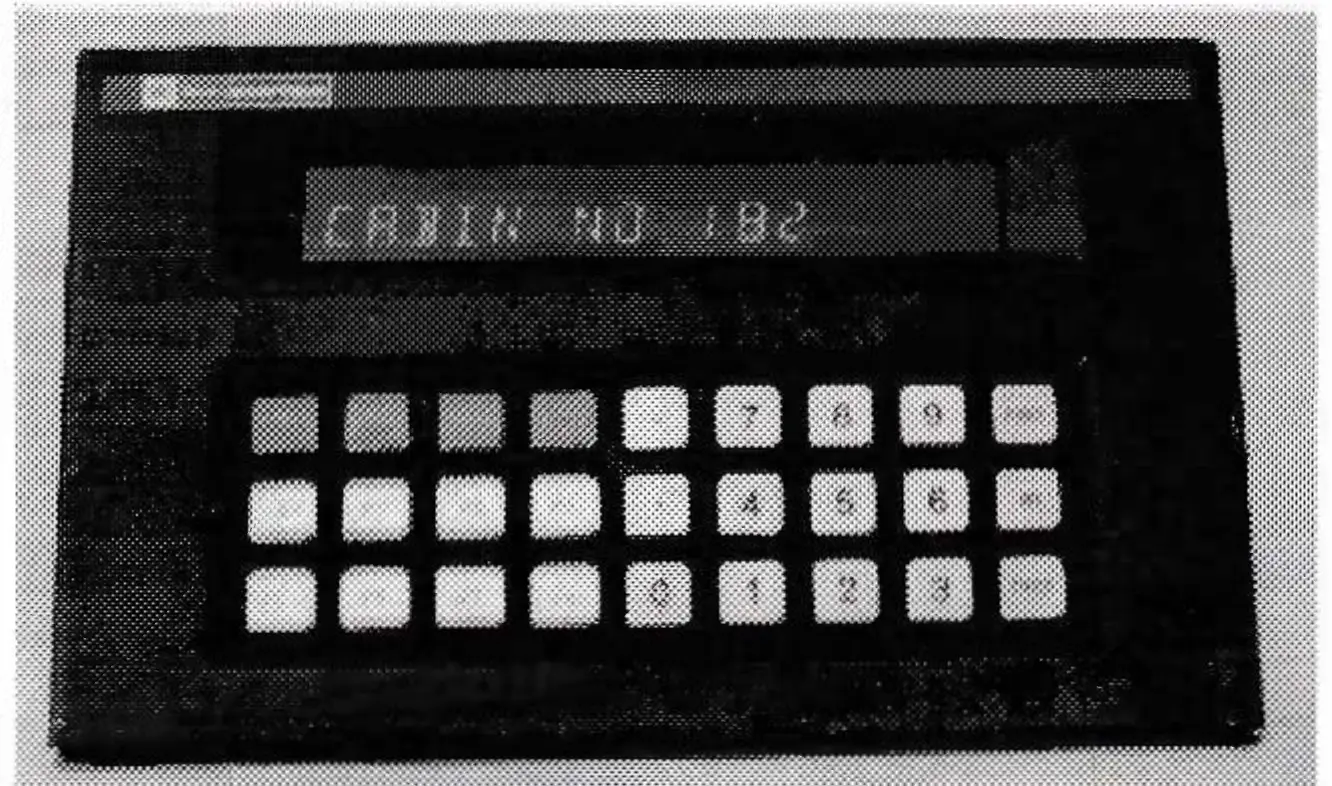
After a year of operation, the “Cabin Monitoring System” appears to be a success. The carrier maintenance intervals are presently set at the same frequencies as they would have been if each cabin had been in use on a full-time basis. In conjunction with the manufacturer, Sunshine is conducting controlled tests, in order to possibly extend the maintenance intervals to better reflect actual usage, which could lower operating costs even further.
The implementation of this system has reduced scheduled gondola cabin upkeep costs to Sunshine Village from $.34 to $.20 per skier visit. With a simple payback in Sunshine’s case of only half a season, carrier use monitoring has been a very effective and efficient method of scheduling maintenance and routine service requirements, and one that will probably be more common on ropeways of this type in the years to come.

