

So, last spring when people from the ski industry told him that no one could install a snowmaking system large enough to cover 200 acres with only five million dollars and in less than five months, he decided to accept the challenge. Dave McCoy and his staff at Mammoth Mountain finished the project under budget and in three months!
“The industry was very surprised not only that we managed to complete the project, but that we did it under budget. There were a lot of bets going around that it wasn’t going to happen,” says McCoy. “Due to mountain bike race commitments, we didn’t start the project until July 27th; we were producing snow on October 25th. We didn’t do it by ourselves, though. The amount of help we received from the snowmaking industry, the Forest Service, Southern California Edison and the community of Mammoth Lakes was incredible. When the manufacturers we were using saw that we were ahead of schedule they jumped on the boat and made sure we had everything on time. SCE did everything possible to see that we received our power sources early. People from town offered to come up and help us remove rocks and pull the liner for the lake. We accomplished everything we set out to do, which was install a super, super good system in a short amount of time.”
Clifford Mann, Mammoth’s director of snow removal/snowmaking, headed this paramount project. “Dave’s commitment to the project is what made it happen. In an average summer I have a crew of seven guys, while this summer I had sixty people working for me on a regular basis, and more when I needed them. Every one of our 250 employees pitched in at one time or another,” said Mann.
McCoy, Mann and other staff members at Mammoth designed the system using Sno-engineering as a consultant. The system was designed to best fit the specific needs of Mammoth.

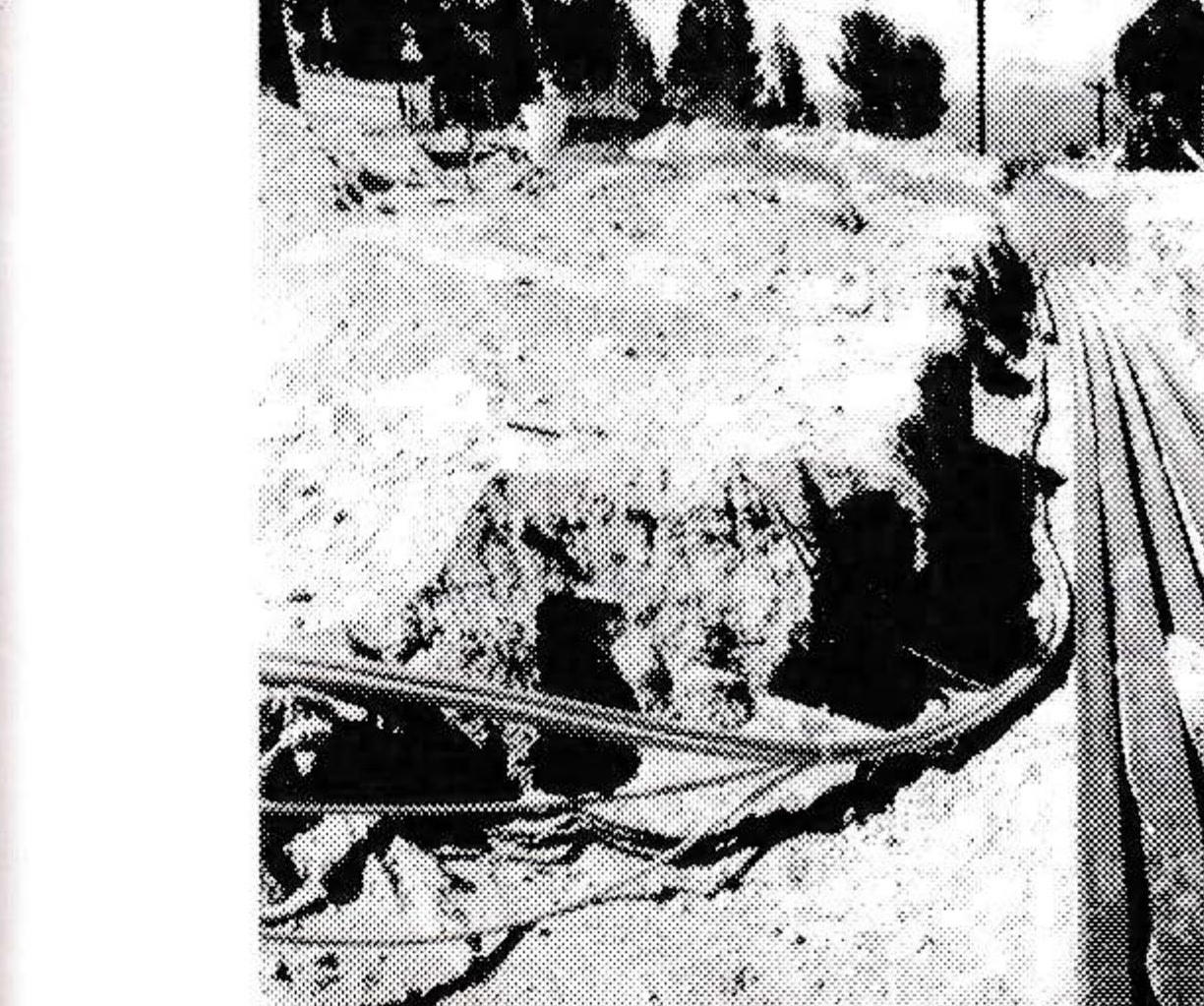
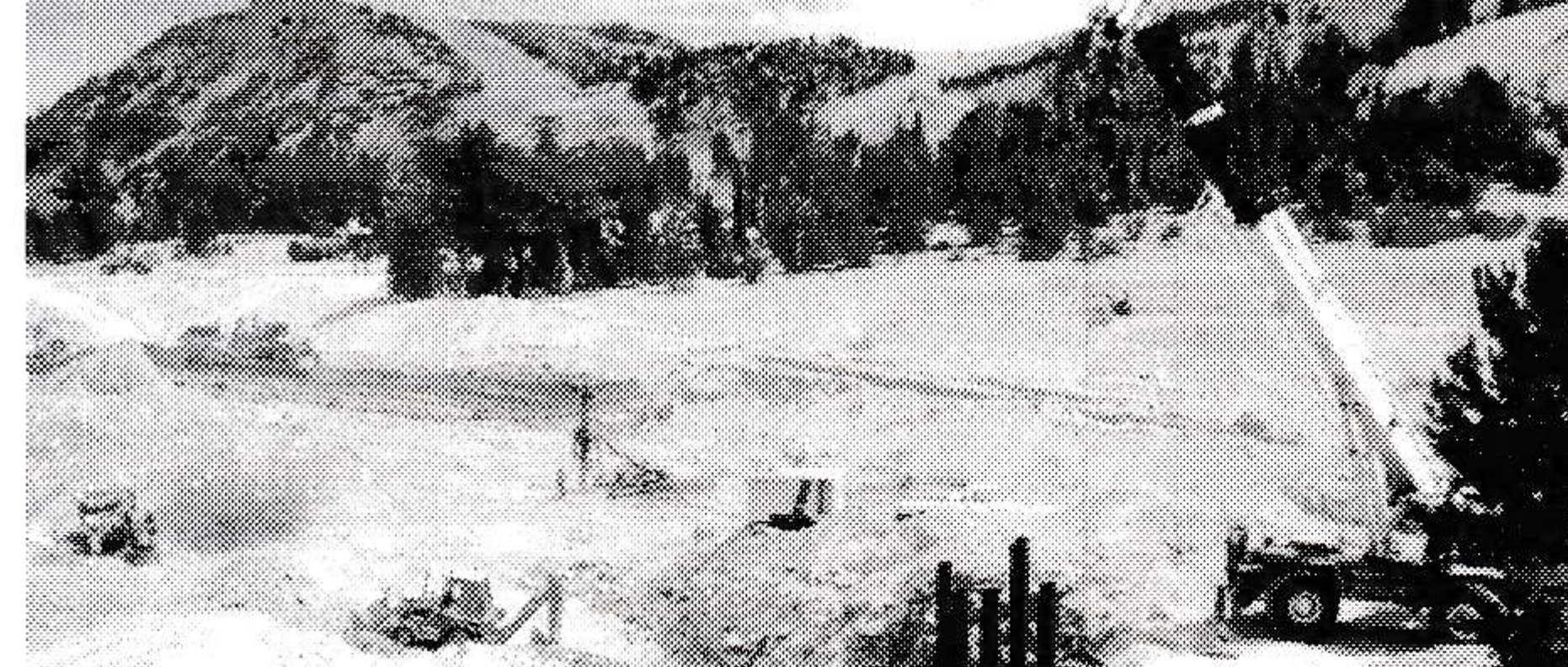
A variety of manufacturers supplied the components including General Electric transformers, Sno-Star Pipelines; Ingersoll-Rand compressors; Johnstone Pumps; Ratnik, Krauss, Hedco and Omichron guns; and FallLine hoses. The water storage “lake” — with 4.5 surface acres, an average of 22 feet deep, and holding over 25 million gallons of water — was built in less than two months. The primary source of water supply for the lake will be run-off and three on-site wells.
Over a million yards of earth were moved in digging the lake — all in a day’s work for the Mammoth crew who moved more than that in re-shaping June Mountain a few years back.

“It is this capability,” said system designer Scott Barthold of Sno-engineering, “to field their own experienced and skilled construction crews, sophisticated electricians, computer whizzes, you name it, that makes dealing with Mammoth a unique experience.”
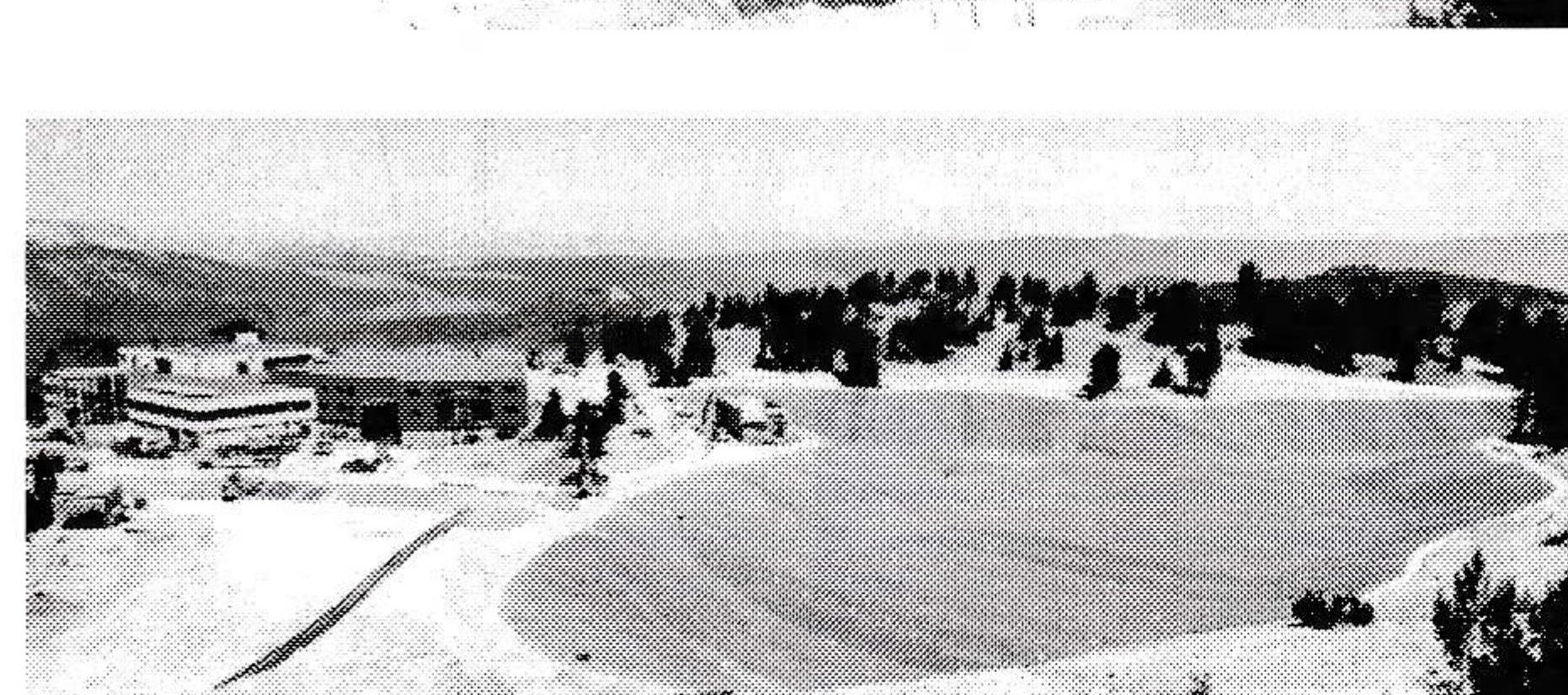
The new system at Mammoth covers 200 acres — which includes 22 trails that are serviced by 8 lifts at the Main Lodge area. The acreage covered includes terrain of all abilities. The system has 360 hydrants and 90 guns can be used at maximum capacity. When in full operation the system produces over one acre-foot of snow per hour.
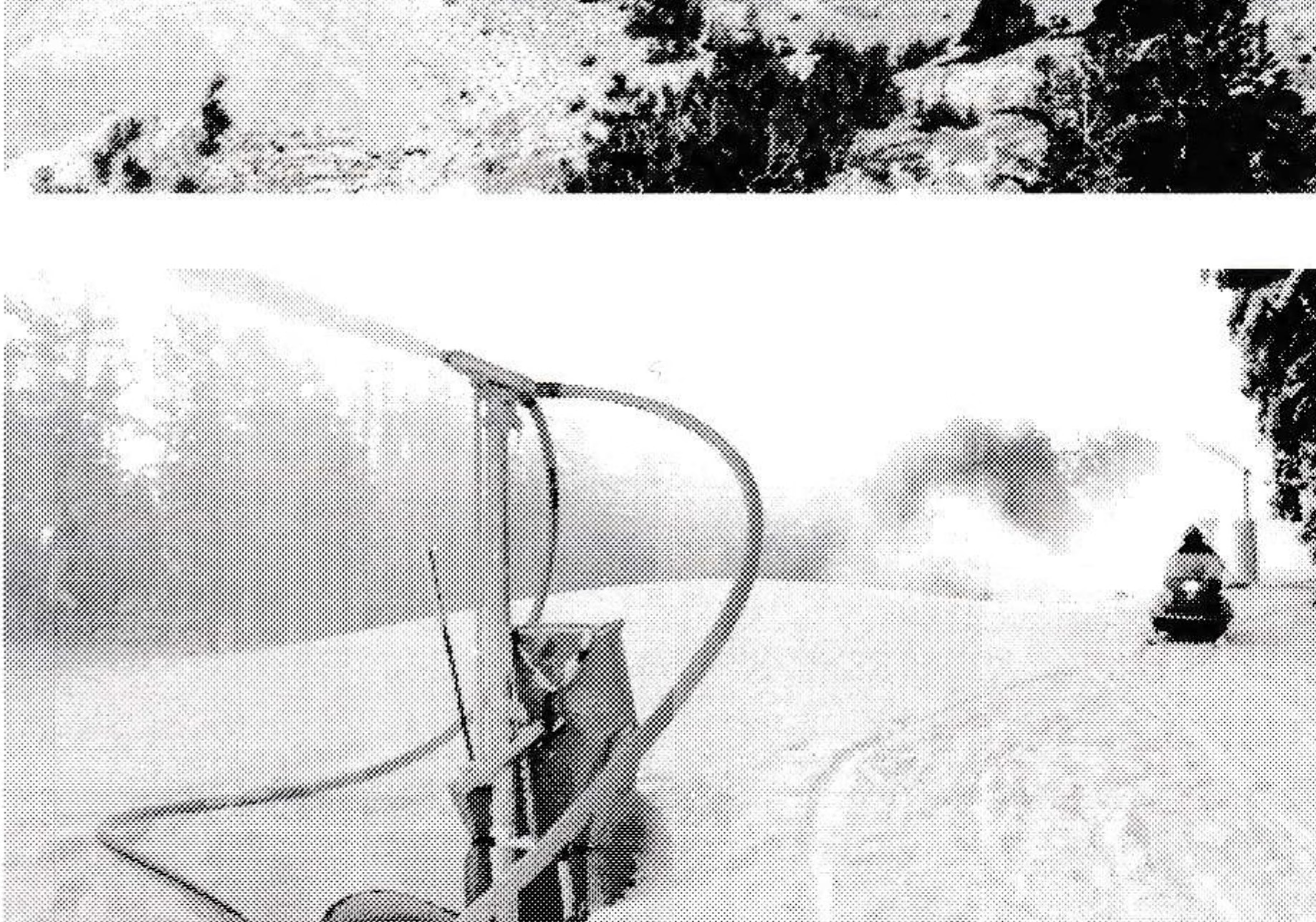
Now that the system has been in operation for over a month and a half, Director Clifford Mann says the project is performing above all expectations. “With our higher elevations, and very dry humidities (15-20 percent on the average), we are able to make snow almost every night. The entire system is above 8,900 feet, which means we don’t have to worry about making snow and losing it. The public feed back is great, with most people telling us they can’t believe they are skiing on machine-made snow.”
As to the future, McCoy does not hesitate, “Over the next five years we will definitely be enlarging the system. Our main emphasis will always be at the Main Lodge area; however, we do plan to install enough in the Warming Hut II area to guarantee access to and from the Main Lodge.”