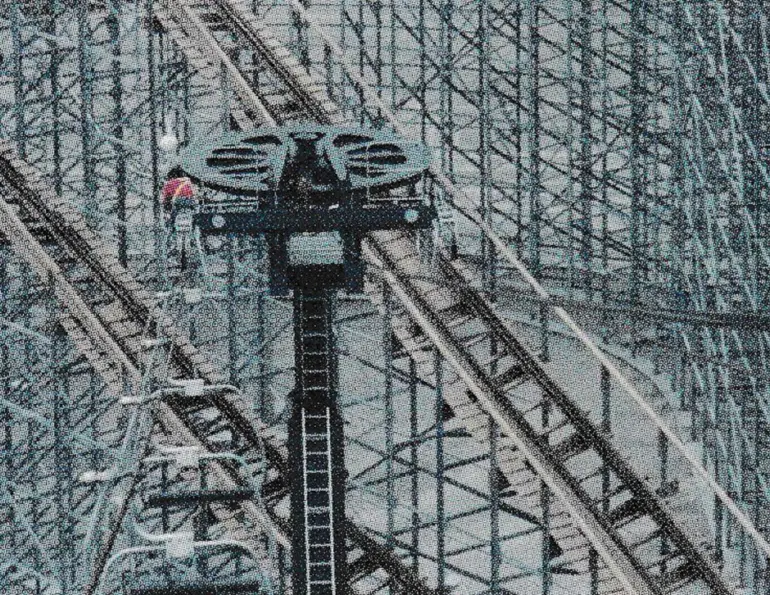
Wildwheels Pier
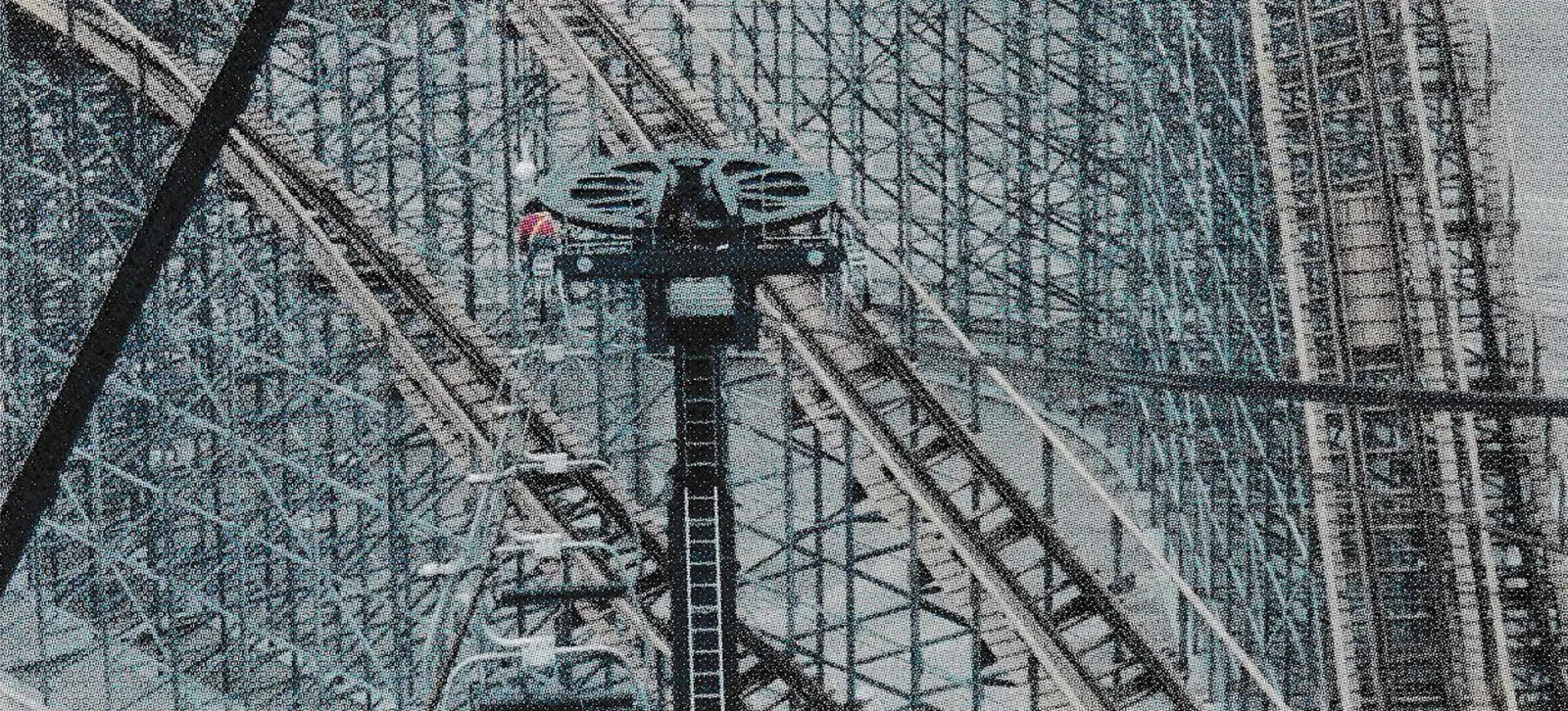
Poma engineers had a rare respite from B77 when they coordinated design and placement of a fixed-grip triple chairlift with the simultaneous construction of a 110-foot high rollercoaster on the Wildwheels Pier in New Jersey. The lift, with a 1,500 pph capacity, crosses over the rollercoaster at a leisurely 200 fpm, passes 30 feet from a bungee tower, travels around a 13-foot diameter return bullwheel over the beach at a height of 60 feet, then passes back over the rollercoaster to the drive station. Pilings to support the lift towers were driven deep into ocean sand and the tower anchor bolts were imbedded into the pile caps. Space is limited: at three different elevations, tower #1 is just 20 inches from a racetrack wall, three inches from an ATM booth, and six inches from a rollercoaster track support. The construction crew’s most serious problem? What level sunblock to use.
Angel Fire
As part of a $40 million, 10-year master plan developed with Sno-engineering, the new Texan owners of Angel Fire, N.M., have already spent $4 million for the 1996-97 season. Among many improvements are 13,000 feet of air/water line, 6,000 feet of electric line and a Hedco-engineered cooling system with a Marley cooling tower, as well as installation of a fully-automated ticketing system from BSS.
The most significant improvement is a new Poma Competition 1200: a detachable quad with a VTFH of 3,712 and a slope length of 10,969 feet. The lift replaces two triples, shortening the ride from 27 to 9.2 minutes and reducing 88 towers to a mere 34.
The single, 21,000-foot haul rope—delivered on a 92,000 pound spool—requires only one splice.
Jackson Hole
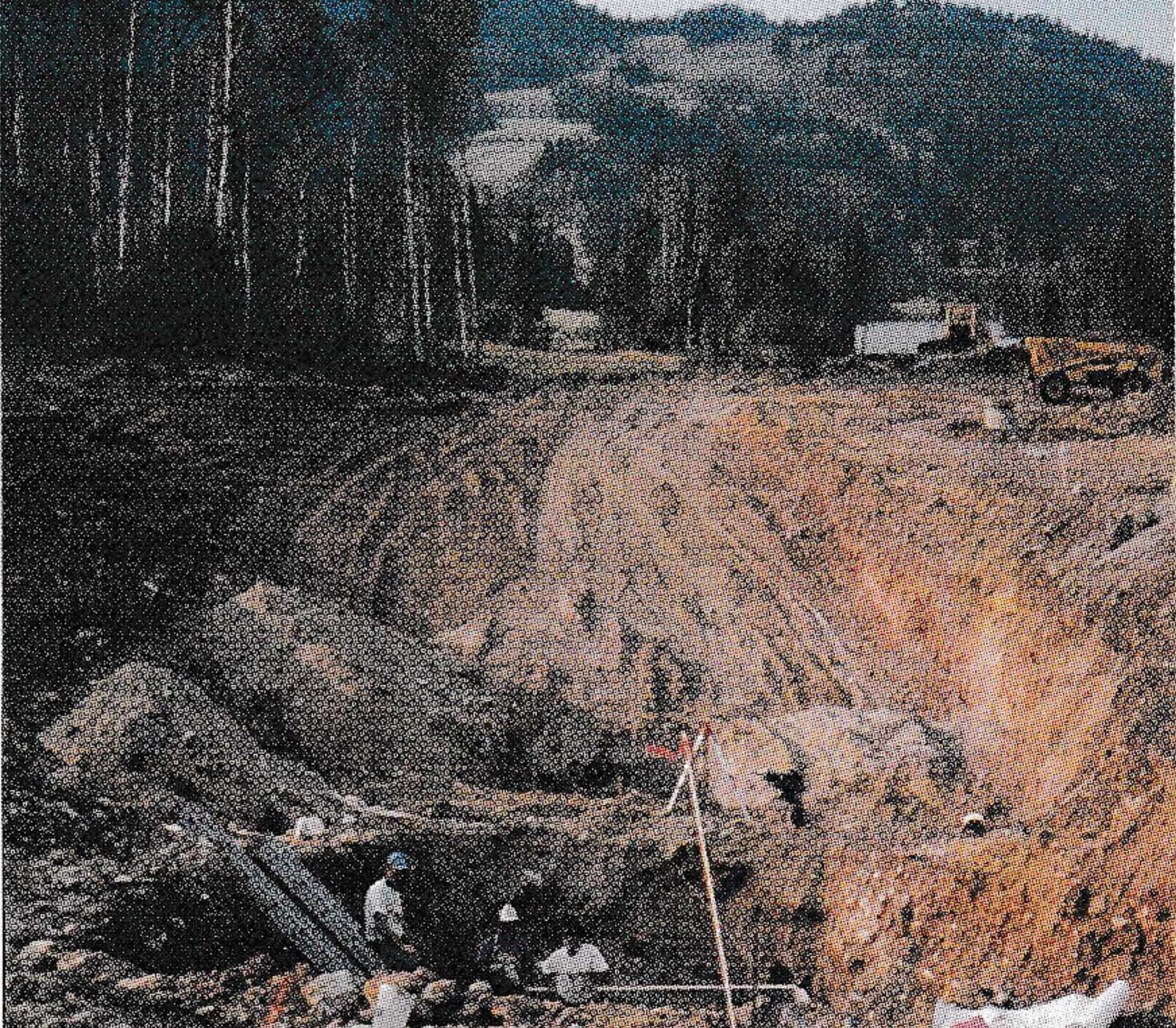
Locally, it became irreverently known as Jackson’s Hole or Poma Pond, but it was actually the excavation for the base terminal of the first detachable quad in Wyoming. The 2,679-foot long Teewinot lift, a snack bar and restrooms at the top of Aprés Vous lift are all part of a $4.5 million capital improvement program to be completed this fall. In the master plan currently under review, the area around the base terminal of the new lift has been designated as the site for a new skier services center. Runs have been reshaped on both sides of the Teewinot base terminal, the Eagle’s Rest beginner lift was shortened on the west side, and the entire site was regraded at the same time as the infamous hole was excavated. The lift increases capacity from 941 to 2,000 pph, enough of an increase to necessitate the building of a new parking lot in order to comply with county regulations.
Sunshine Village
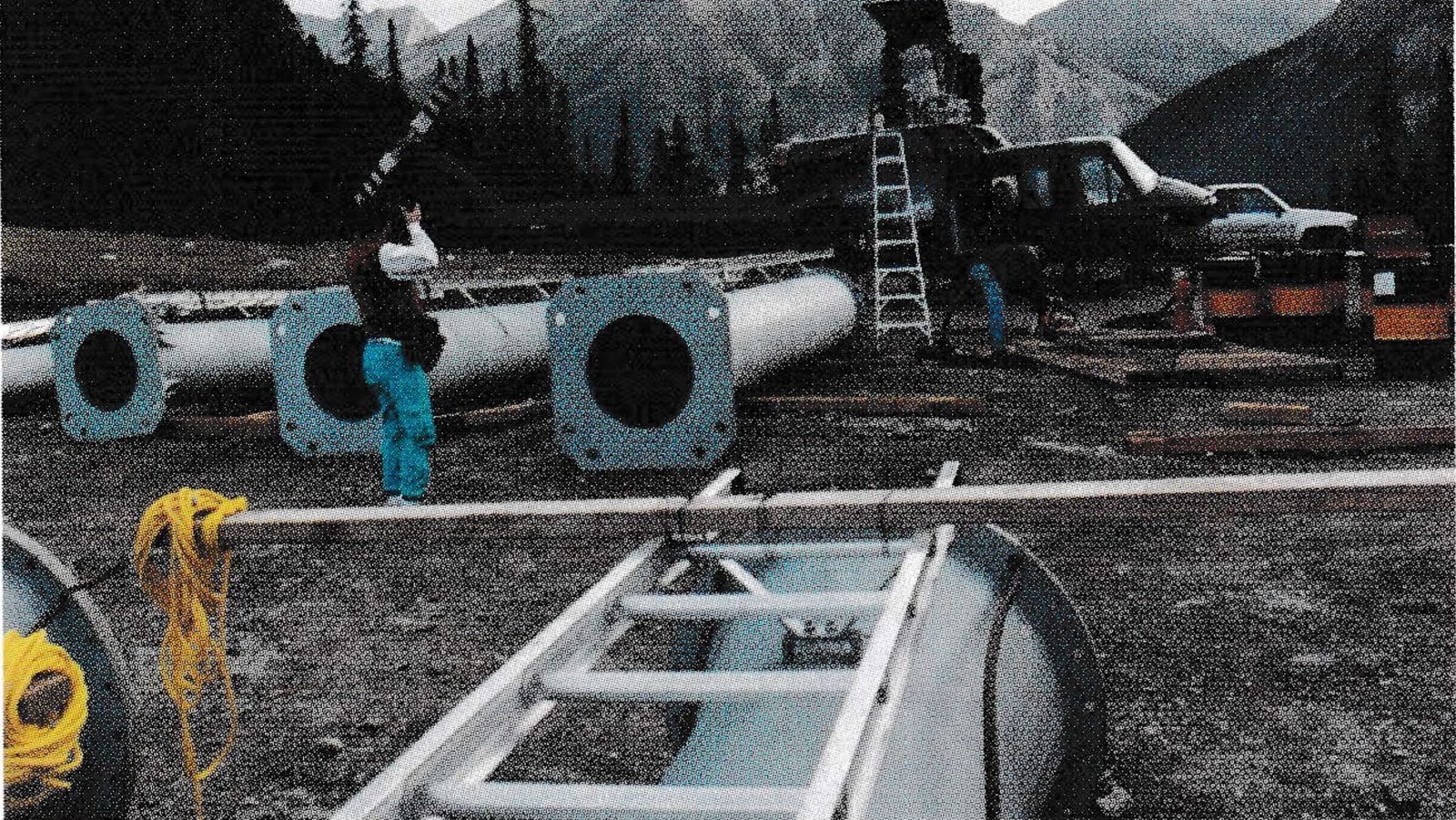
Sunshine Village in Banff National Park opens its third detachable quad this fall, the $3 million Continental Divide Express on Lookout Mountain. An identical twin to Sunshine’s Poma Competition 1100 installed last year on Goat’s Eye Mountain, the lift is 5,800 feet long with a VTFH of 2,561. To minimize environmental impact within the park, every piece of the 21-tower lift was flown in by helicopter. Native sod was excavated and transplanted, and in some cases was even airlifted to reclaim old tower foundations. Timber was airlifted to avoid soil erosion with log sales funding environmental research by Parks Canada. Installing the lift within national park boundaries raised the cost an estimated $500,000 due to the expense of flying the materials in and reclaiming old lift sites.
Purgatory
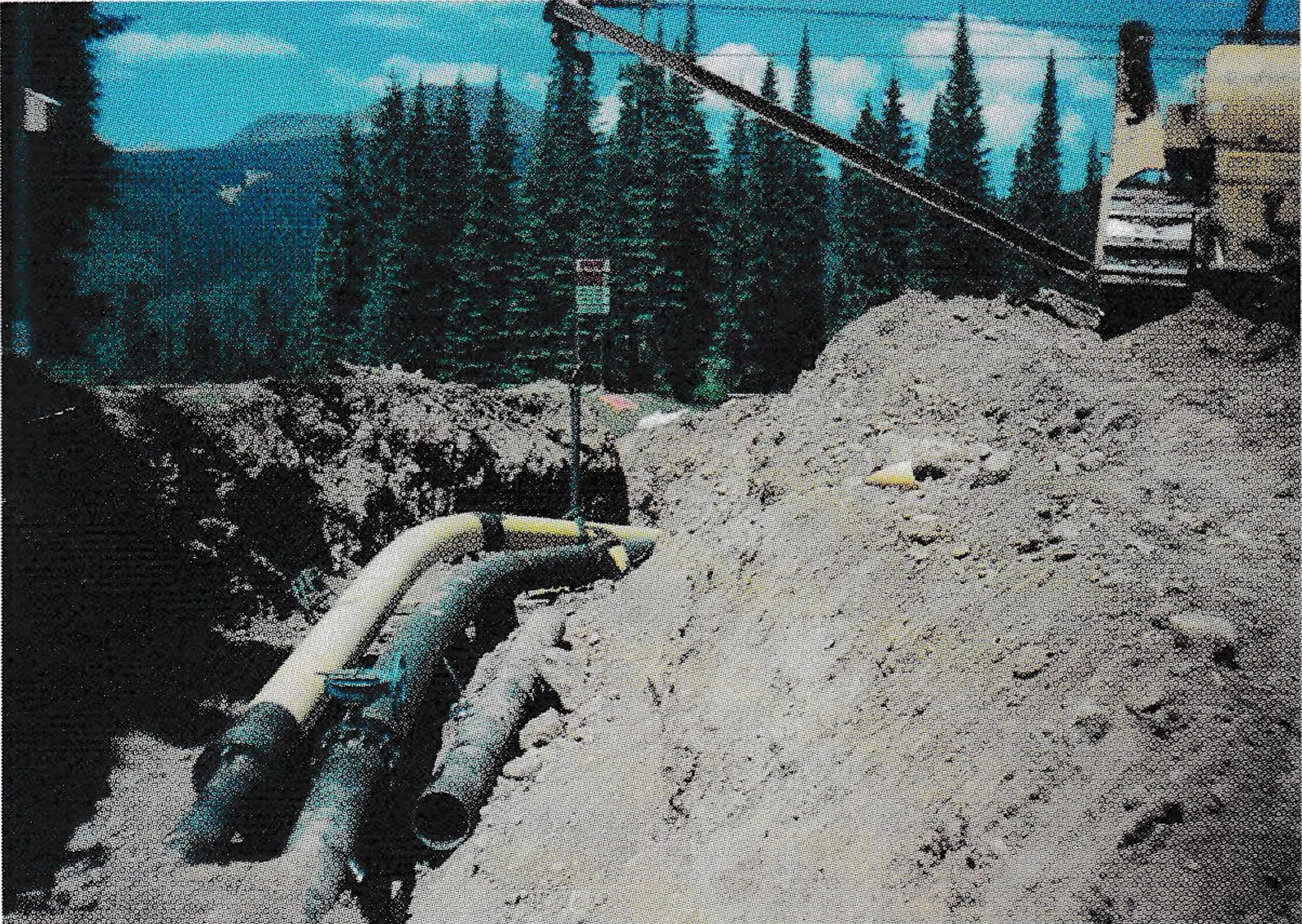
Purgatory, Colo., has expanded their snowmaking system this summer with 15,000 feet of 12, 10, 8 and 6 inch pipe and 32 sets of Ratnik hydrants, boosting total coverage to 250 acres. To support the expanded snowmaking capacity, they also installed a 250 hp, 800 gpm booster pump and a new flowmeter. A top priority project was repairing a leaking snowmaking reservoir. The original repair plan was an extensive, expensive project that involved draining the reservoir and breaching the dam, then excavating and fully replacing the drain pipe. They applied instead a repair technique, often used with sewers, of lining the pipe with a resin-impregnated liner. Water forces a sock-shaped liner down to the end of the pipe. At that point the water is heated to activate the resin in the liner, which conforms to the shape of the pipe and hardens as tough as PVC. By using this method, original cost estimates were cut by one-third.