Stowe, Vermont
After years of preparation and planning, the expansion of Stowe is underway. Eventually this $250 million project will transform the Spruce Peak base area and encompass new lifts, trails, a vast snowmaking expansion, base lodges, a slopeside village and an 18-hole golf course. First up: Two new Leitner Poma chairlifts. In addition, Stowe has excavated a 117-million-gallon snowmaking pond, and the first phase of a new base village at Spruce Peak is underway.
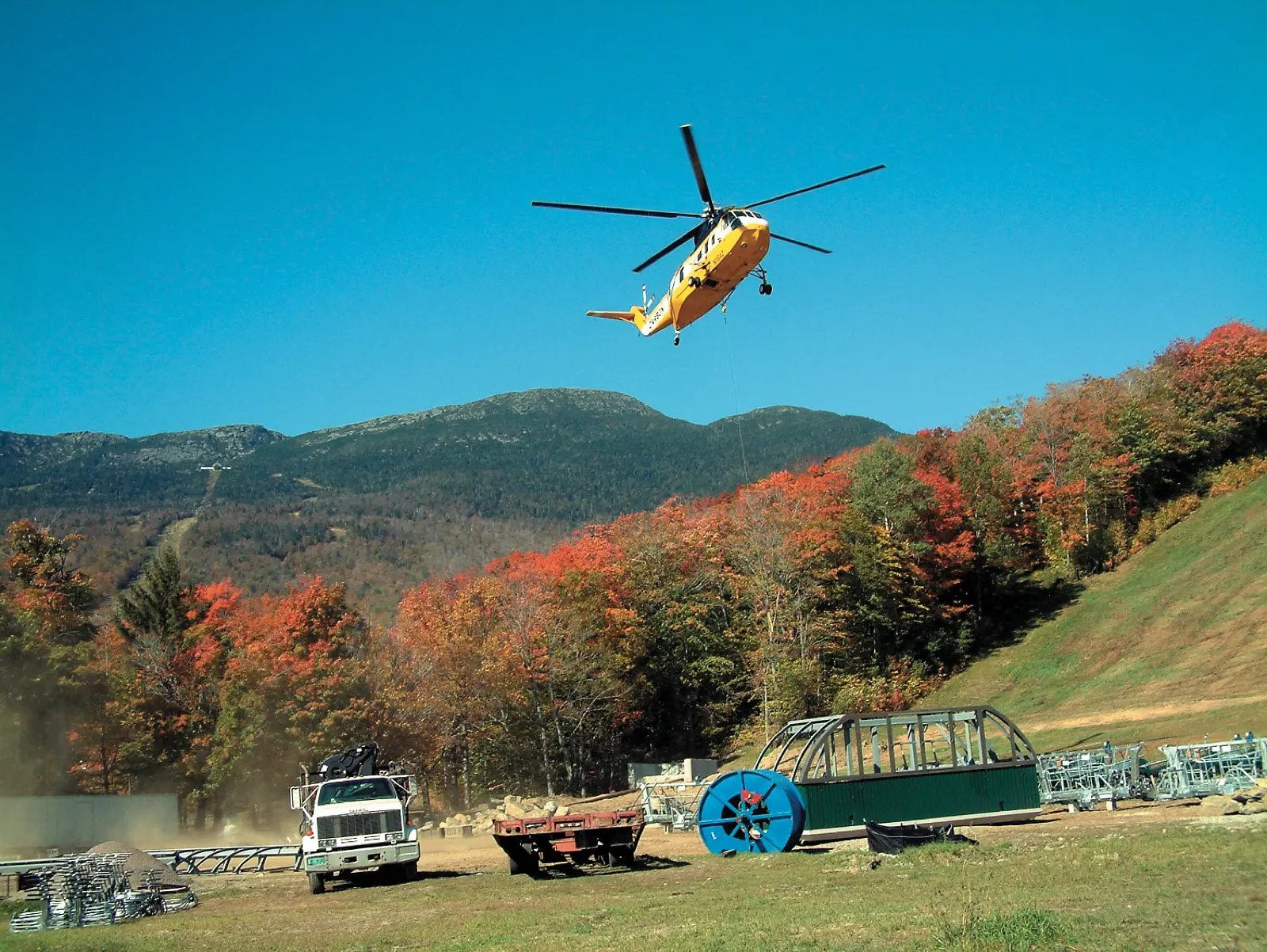
The Little Spruce Double, installed in 1963, is being replaced with the Sunny Spruce high-speed quad, allowing skiers and riders access to the full length of Little Spruce with a short lift ride. The new lift doubles hourly capacity to 2,400. It’s 3,700 feet long with a vertical rise of 870 feet. It’s powered by a 500 hp DC bottom drive system with both auxiliary and evacuation drives, and has bottom tensioning. And, the new Mountain Adventure triple brings Stowe’s lift total to 13, and loads in the area currently occupied by the Mighty Mite beginner’s lift. The triple is 970 feet long with 129 vertical feet. It carries 1,400 skiers and riders per hour at a beginner-friendly 300 feet per minute to a new teaching slope with an 8 to 10 percent grade. It has 60 hp DC drive and an auxiliary backup. Both the Mighty Mite and the Magic Carpet, key components of the beginner facility, will be relocated.
The new snowmaking pond won’t become fully operational until a year from now, once it has completely filled. But an expanded snowmaking pumphouse increases this year’s snowmaking capacity by 40 percent, and will eventually raise pumping capacity from 4,000 to 10,000 gallons per minute. In other work, Stowe began construction on 12 Adirondack-style mountain cabins and erected a new vehicle maintenance building to replace its antiquated garages. Next summer, the fun continues with yet another new high-speed quad set to replace the Big Spruce Double (circa 1954), and all new snowmaking to serve that area for the first time.
Silver Mountain, Idaho
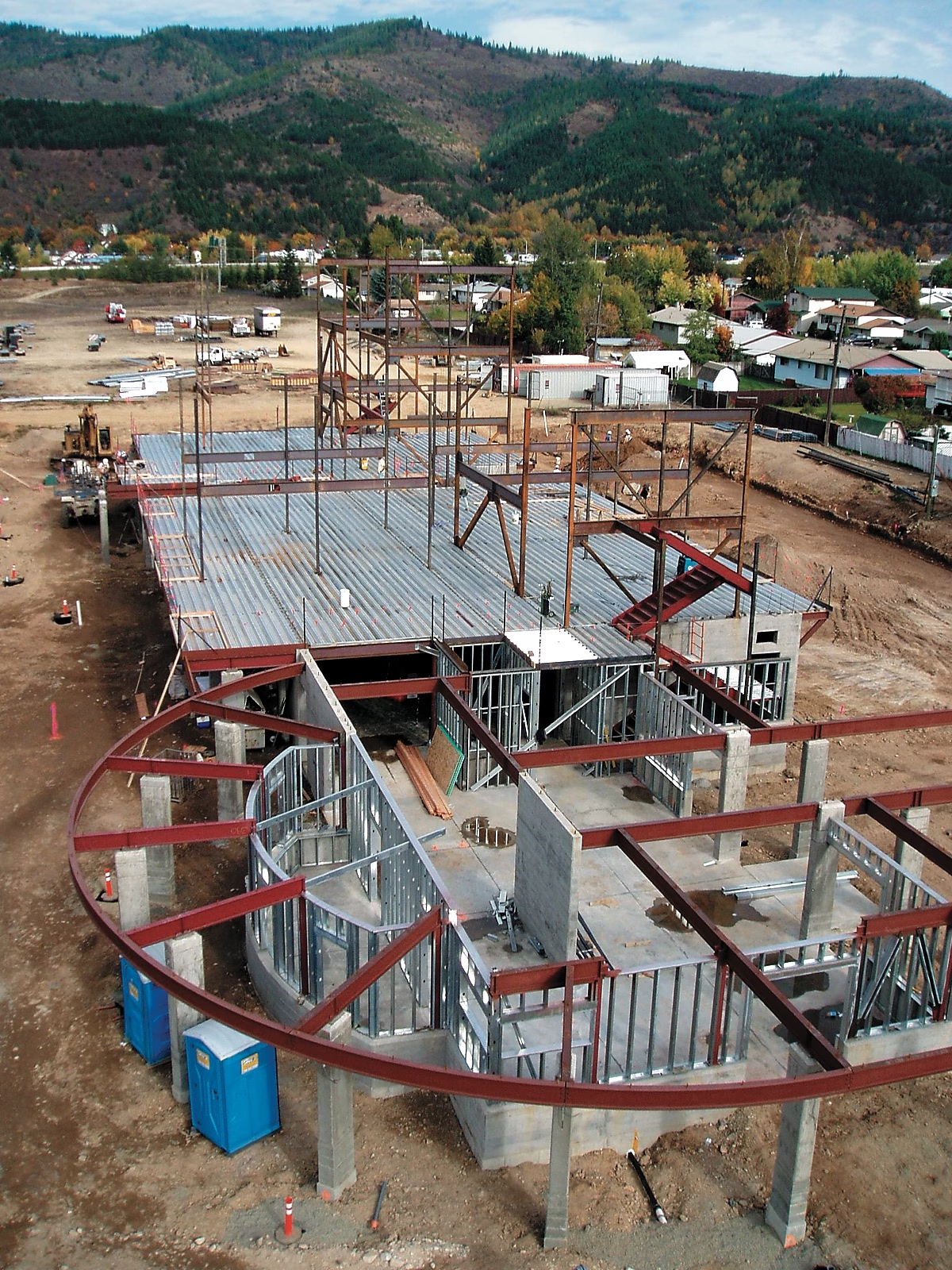
The Morning Star Lodge, the first step in the development of Silver’s Gondola Village, has 68 residential units, with commercial space on the ground floor. Its value-priced, fully-furnished units range from just under $100,000 for studios to the low $400,000s for two-bedroom penthouse units. The concrete-and-steel structure includes studios (346 square feet), one-bedroom (758 square feet) and two-bedroom (1,104 square feet) units. Most units have gas fireplaces and exterior decks. The two-bedroom units have a lockout option so that they can be split into studio and one-bedroom units. The architecture is described as “eclectic mining,” in keeping with Kellogg’s mining history. Part of that eclecticism is roof-top hot tubs. The building also incorporates several green-building considerations. It occupies land that was contaminated during its mining past, so the resort removed contaminated topsoil and sealed any remaining pollution via the village’s hardscape surface. The village has its own stormwater management system, and reduces nighttime light pollution through the use of downlighting. Contractors are recycling most construction waste, and the steel and concrete construction minimizes waste in the first place. And the resort expects to institute a comprehensive recycling program throughout the village area. The building, expected to be complete by March 1, is just steps from the three-mile-long, high-speed gondola that whisks riders to the ski terrain, which covers 1,500 acres and 2,200 vertical feet. Ultimately, Silver’s expansion calls for new high-speed chairlifts, expanded terrain, a water adventure park, a golf course, and ski-in/ski-out home sites.
Trollhaugen, Wisconsin
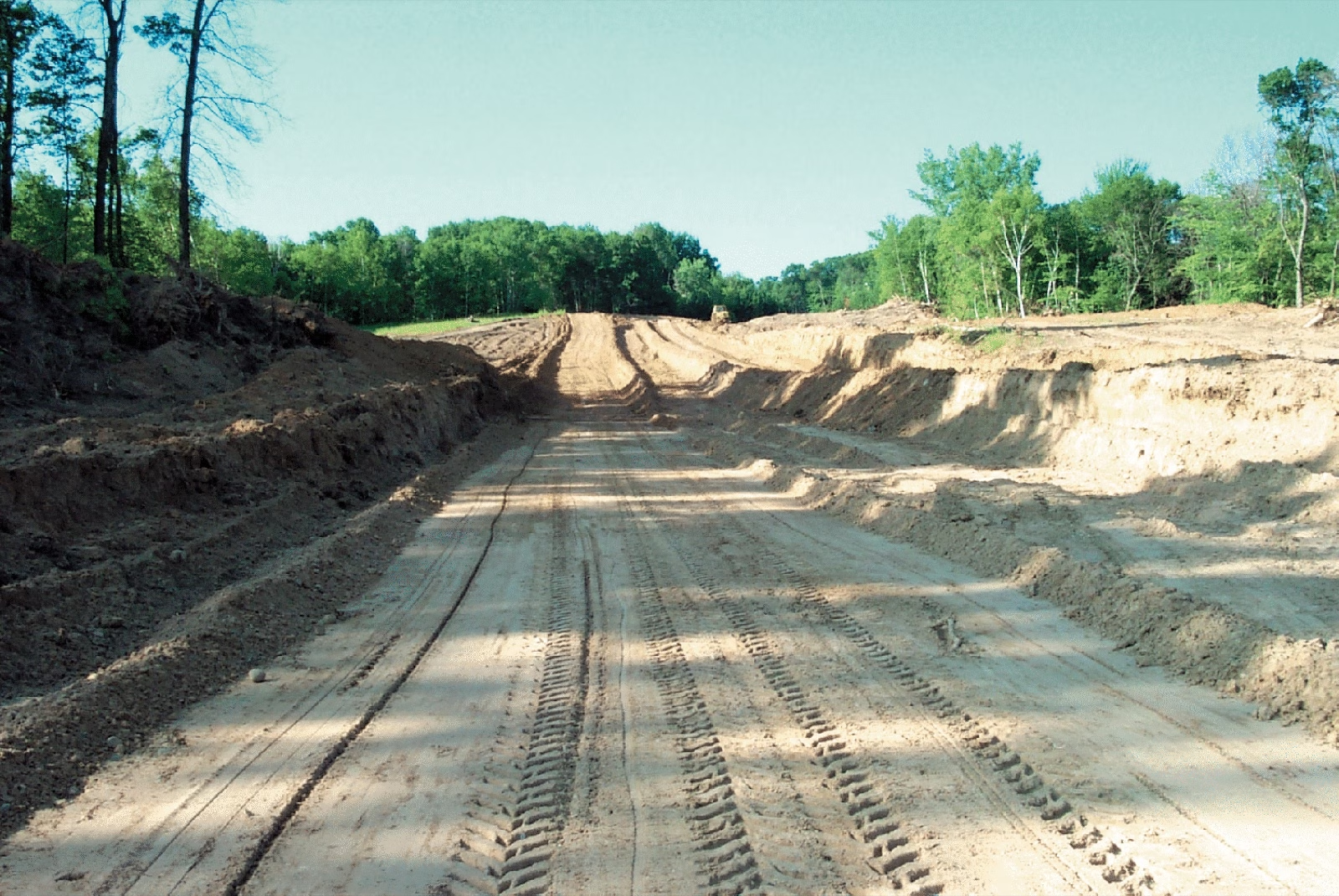
Trollhaugen, an hour outside of the Twin Cities, is joining the legion of resorts that offer tubing. Rusty Olson, assistant GM, says, “We’re sparing no expense; this has to be one of the best tubing parks around, since we’re not close in [to the city].” The 400-foot-long tubing hill is served by a 500-foot long Kaser carpet lift. The area converted what was a beginner area by clearing trees to widen the slope to 150 feet. By moving a lot of dirt with a D8 Caterpillar, the area boosted the overall slope from 5 percent to 10-14 percent. In addition, Trollhaugen had to fill a 60-foot gully to create a 400-foot runout area. The area also varied the pitch of the eight tubing chutes, from very gradual up to about 25 percent, to heighten the fun factor. Permanently mounted SMI air-water tower guns and frostless hydrants will allow Trollhaugen to make snow whenever conditions permit, allowing an early opening this season. And since the tubing hill is separate from the main hill, it has its own 2,400-square-foot service chalet, with rest rooms and snack bar. “This makes us just about a complete recreation area,” says Olson. “Last year, we put in 2.8k of X-C trails with snowmaking. We also have a separate snowcross area and host snowcross racing.”
Le Massif, Quebec
Le Massif has spent CDN$5 million this summer on a variety of projects, the largest being the installation of the Doppelmayr/CTEC Camp Boule Express quad. The lift replaces an old double chair and is nearly 700 feet longer, at a length of 4,500 feet, with a vertical rise of 1,200 feet. It has DC top drive and bottom tension, and is driven by a 500 hp motor. Design capacity is 2,400 riders per hour, with a travel time of 6 minutes. The new lift quadruples the carrying capacity for the pod of runs on the area’s highest peak. To handle the increase, Le Massif has added six new trails across the resort, most of them in the area of the new lift. The runs include two expert glade runs, one advanced, two intermediate and one beginner trail—an increase of 44 acres, boosting total acreage by 15 percent, to 286 acres. Some of the area’s lightly forested, sheltered trails will be widened as well, in preparation for the addition of 90 snowguns on the lower half of the mountain. The entire project is just the beginning of what the area hopes will be the development of a four-season resort.
Northstar-at-Tahoe, California
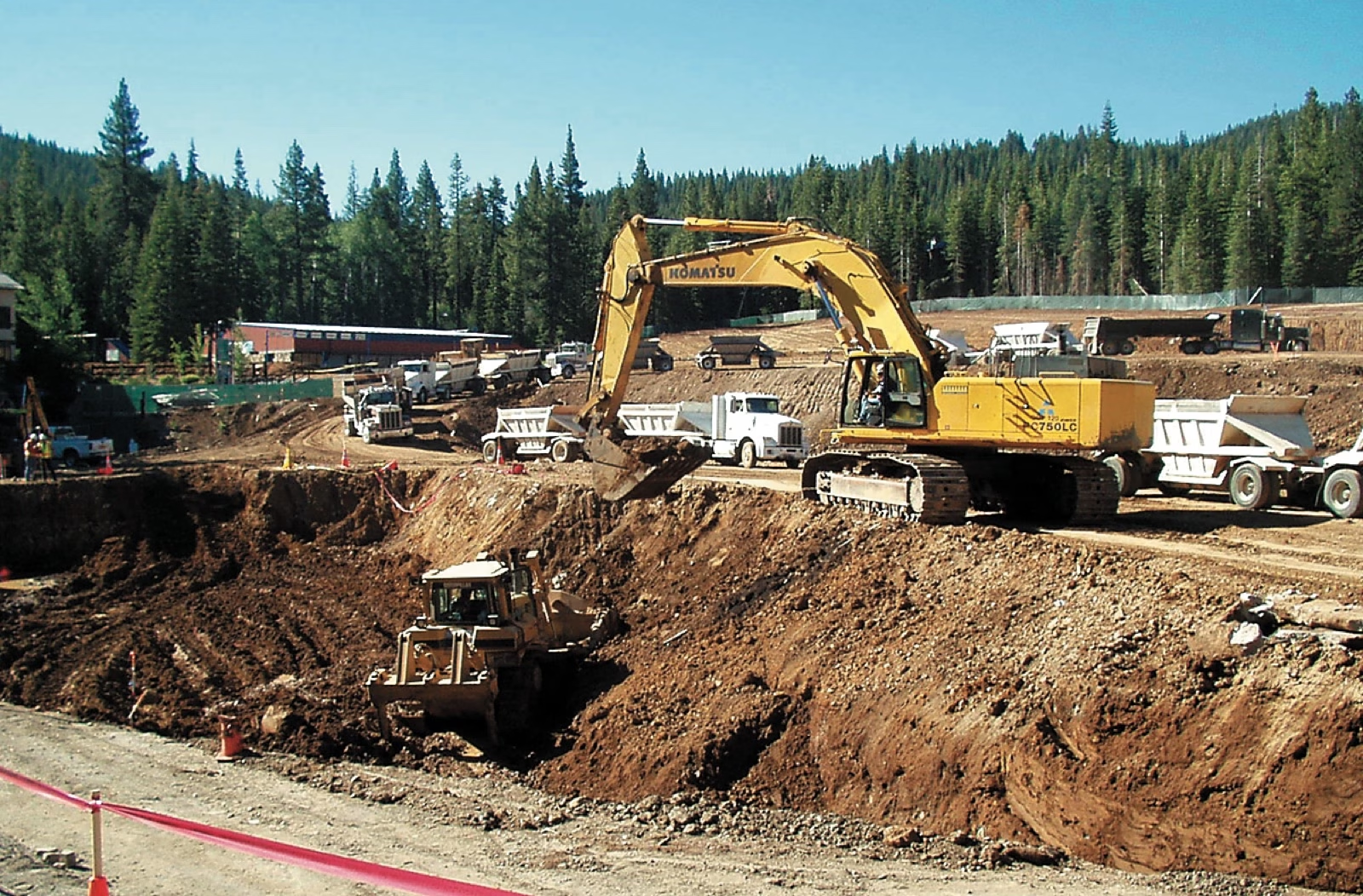
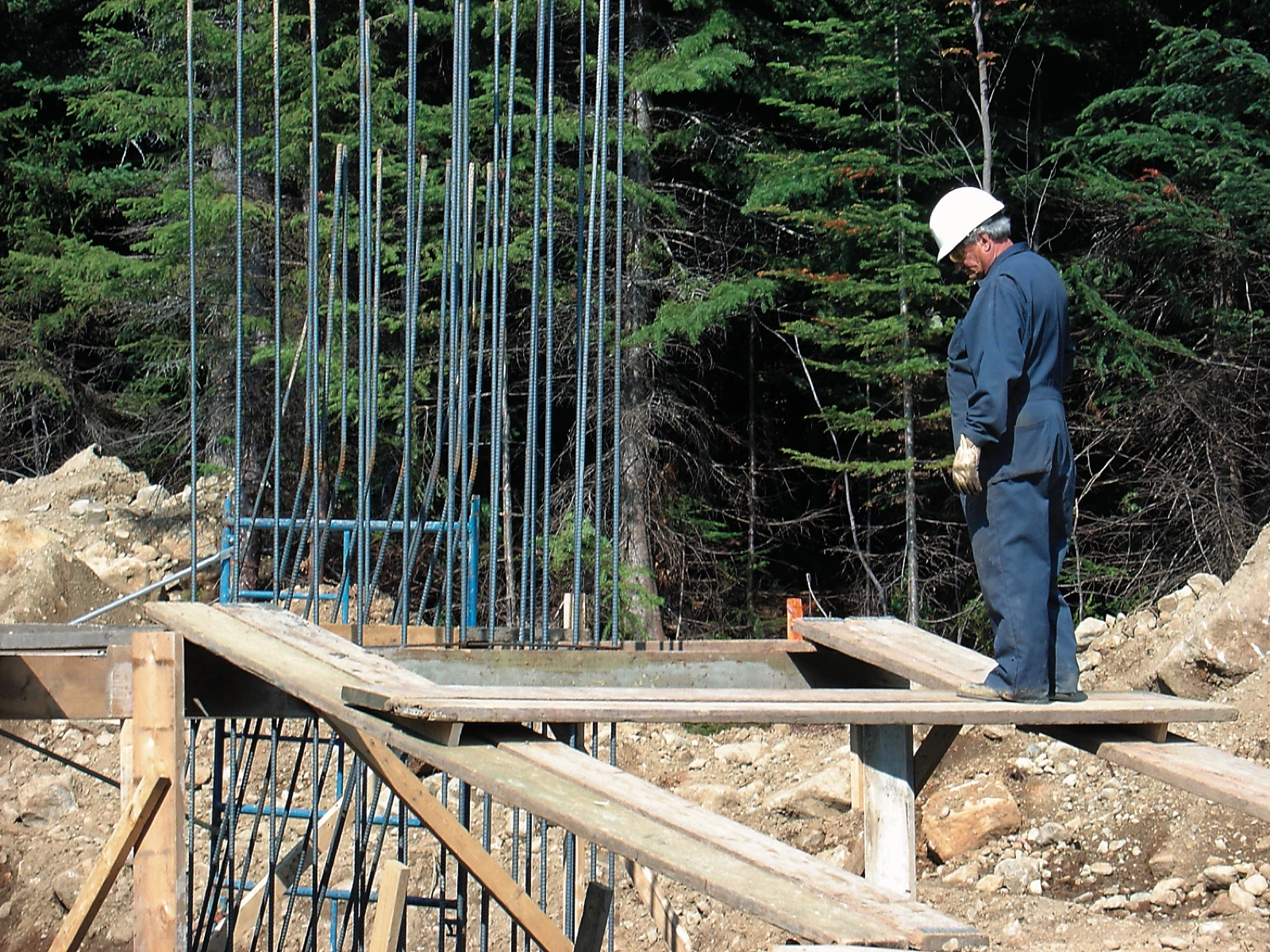
Northstar has begun the transformation of its Village, which eventually will include seven new buildings with 213 new luxury one- to four-bedroom condominium residences. The first phase of construction includes three buildings and 100 units and is slated to be complete by December 2005. Building design incorporates native stones and timber; the village itself will have cobblestone streets, outdoor fire pits and a variety of shops and restaurants centered around an outdoor skating rink. About half of the original Village has been torn down to make way for the new. Work began in April with the deconstruction of the clocktower building—the goal is to meet LEED environmental standards for the entire project. Nearly all construction materials, such as drywall, have recycled content, and 90 percent of the materials from the deconstructed buildings are being reused through the efforts of Reuse People of California, which specializes in recycling buildings. “This added four weeks to the schedule, but it’s worth it,” says David Tirman of East West, the developer. Among the other initiatives: use of non-old-growth timber, water-saving appliances and low-flow fixtures; and builders and contractors are sorting and recycling waste materials. Until the project is complete, dining, ticketing, restroom facilities, ski storage and an après-ski lounge will occupy temporary structures in what is being dubbed The Village Plaza.