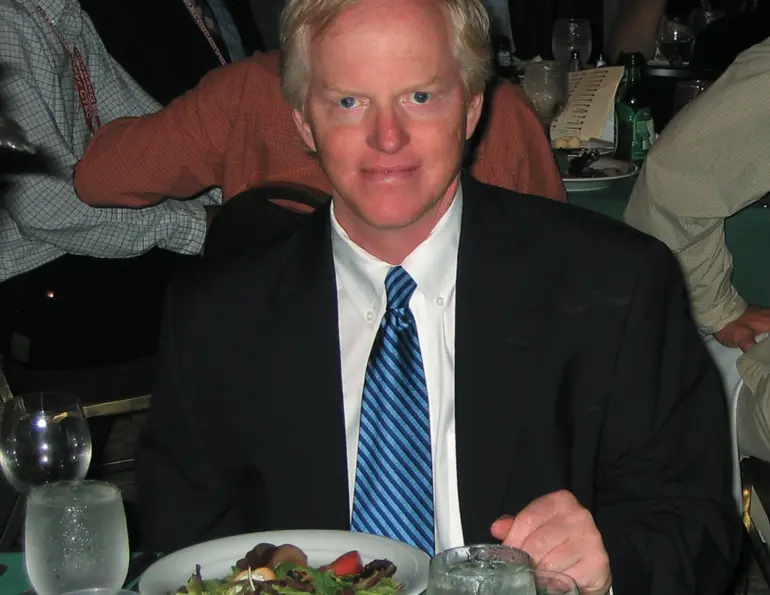
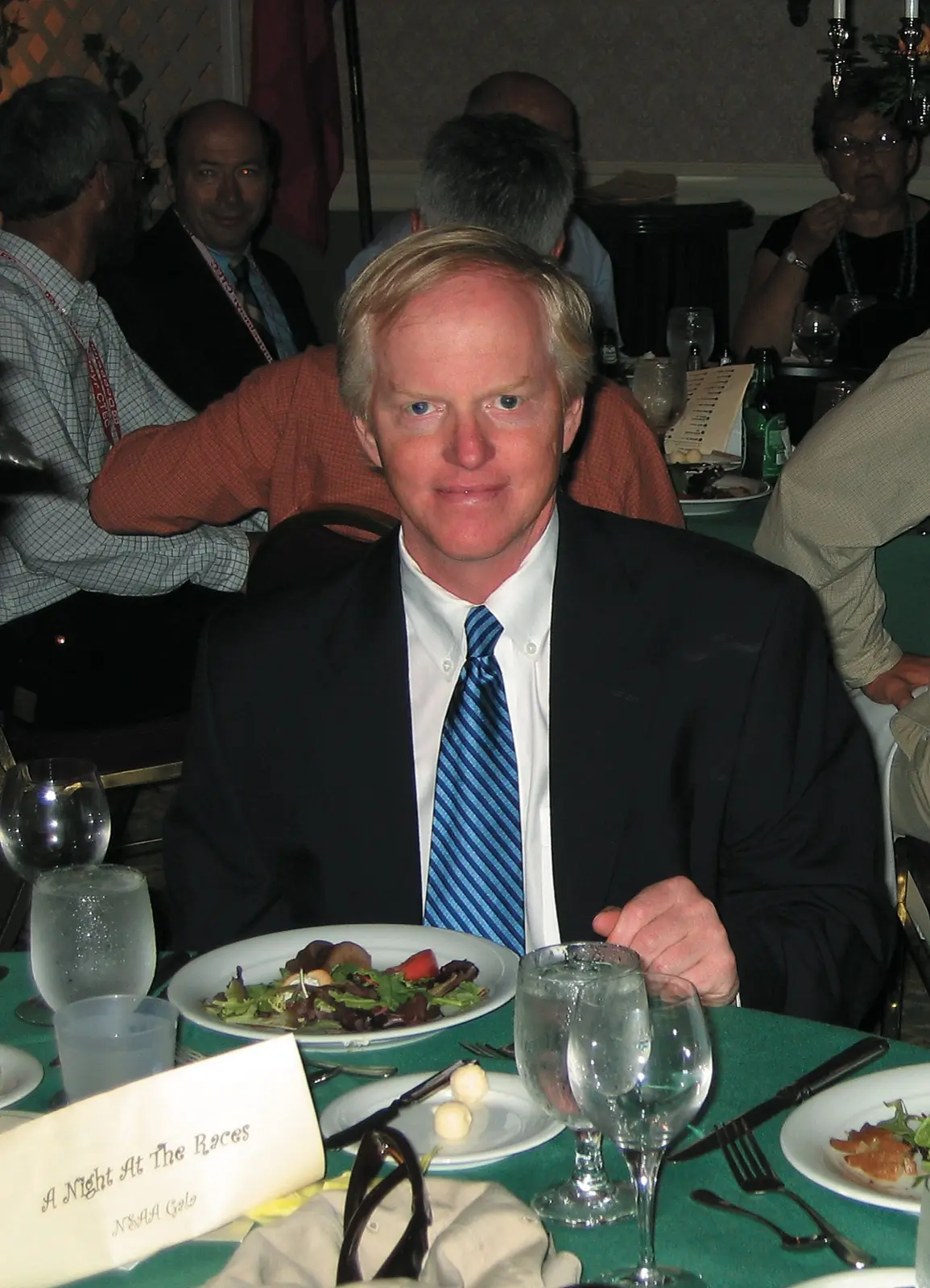
David Crowley, president of Wachusett Mountain, Mass., and, as of last May, National Ski Areas Association (NSAA) chairman, brings a solid record of success in the competitive New England market to his new post. At the Northeast Winter Sports Summit at Bretton Woods, N.H., SAM caught up with the new chairman to learn how this background would inform the NSAA’s direction.
SAM: What are your goals as chairman for the next two years?
DC: We’ve got a situation where the entire board has signed off on an agenda. I don’t think you’re going to see the NSAA do any marketing initiatives in the near future, though it is amazing how many people come to us with marketing ideas. A gentleman came to us yesterday with a nationwide campaign and couldn’t believe that we didn’t want to jump on board. We are not really a marketing arm for the ski industry. There are others who are; some are members of the association. But as much as we’re interested in promoting the industry, it’s not NSAA’s duty or function to do that.
There are a lot of members on the board who know marketing’s a good idea but it hasn’t worked on a national basis. Everyone has a problem with the idea of a national campaign. But everyone’s happy with their own marketing.
The ski industry is made up of independent businessmen, and I emphasize independent. They are guys who were told they were crazy when they started their businesses. They have accomplished some amazing things and they are not going to listen to anyone tell them how to run their business. They are rugged individualists, and I’m proud to be one of them.
SAM: Given that independence, how do you convince them the Growth Initiative is something they should adopt?
DC: It’s in their self-interest, not to their neighbor’s self-interest. It directly affects everyone in a positive manner. As you’re adopting this campaign, as you’re talking to your employees about it, it becomes part of your culture. Those who are doing it the right way are talking about it every day, at every meeting. It takes as much of every meeting as snowmaking and all the rest. And as a result, people start to recognize the fragile customer, like the 51-year-old woman who drove the kids to the area. She’s reluctantly there, but if the staff spots her, and takes care of her, it makes a difference. We have lots of durable customers, but we have fragile customers, too, and you have to make sure that they are treated with kid gloves. You can’t treat everyone the same way.
The best thing about the campaign is that it has everyone thinking about the customer and how we can get them to come back. It’s good old-fashioned greedy self-interest. So it will work because of that.
SAM: You’ve said in the past that many NSAA services have great value for resorts—on legal and environmental issues, for example. Does that apply to Wachusett?
DC: I never thought I’d ever need or use any of those services. But more often than you know, you are glad those guys are there. What probably helped me the most, is when you have a fatality, and you get the reporters starting to call, and you wonder what you’re going to say. More important, you get letters to the editor saying that it’s an unsafe sport, ski areas are overcrowded, that type of thing. Then you get the info that is provided from NSAA and you begin to realize how safe the sport is compared to swimming, scuba, to all these other sports. And you’re able to use that resource. You are able to keep the public from being alarmed, and keep your staff on solid footing, and the family that was in the accident.
The Head’s Up program helps, too. We had a child who had a head injury, and the parents told us we should pay attention to this thing called Head’s Up. We showed them that we’ve had this in all our brochures. They also thought that Lids on Kids was grassroots and when we showed them our involvement, they were impressed. It defused something that could have really escalated.
As for the environmental information, we’ve been provided good science, but it didn’t matter. Our opponents wouldn’t listen. It’s like we were in a divorce, and no matter what we were doing, it was wrong. I don’t think it mattered what we said; as far as they were concerned it was wrong.
SAM: Are you satisfied with the level of member involvement in NSAA? You and SAM have differed in the past about whether the members are sufficiently engaged; you’ve said it has been more than adequate, but that it’s not always easy to get everyone involved.
DC: There are 24 people on the NSAA board, and it’s incredibly diverse—large, small, east, west, central—there’s not a region not represented. If these board members aren’t getting the input from the members, maybe the funnel to their local guy should be more obvious. But they may be reluctant to make that contact because the local board member is a competitor. In that case I think that people call [NSAA president] Michael [Berry] instead. There are some problems with that.
But to go back to what we talked about in the beginning: there’s been a strong desire on the board to stay on point with the “three-legged stool,” staying focused on the environment, on safety, and the Growth Model. That comes from being a more mature industry. We don’t want to chase every marketing program that’s coming down the road or doing all the little things that used to be done. It’s not the same sort of impulsive, “Hey, you know what we ought to do? Let’s build a huge pile of snow in central park!” We’ve tried all that.
SAM: What are biggest obstacles to the Growth Model?
DC: We had it this year in the weather. We were as poised as could be. We had extra ski instructors lined up. We were so ready. But then we had the great freeze of ’04. You know what? Not only did people not want to ski, I almost didn’t want them out there. So, you need everything to fall in place.
SAM: The beginner hill at Wachusett has been referred to as the U.N. How important will it be for areas like Wachusett to do ethnic marketing?
DC: I don’t know what we’re doing right. It’s so difficult to build marketing campaigns around an ethnic group. There are so many ways for you to go wrong. I think the best thing to do is just be yourself and try your best and be polite. As much as we’ve tried to appeal to individual groups, I think it’s going to happen regardless. And that will be good for the industry.

The best thing about it is that many ethnic groups are much more family-oriented. They’ll bring the mother, father, and the grandparents. They have the grandson and the son out there skiing, they make a day of it. They want to be American and want their kids to come out and ski. They come from countries where they have none of this privilege, the mountains, the outdoors, the scenery.
I think it bodes well for us because it’s happening. I notice this all summer long. People look at a map, see that this place has some elevation, and they figure there’s got to be something there. They come out not knowing what’s going to be here, they just come to scope it out, and they come back in winter.
And the thing is, these groups communicate so well. For example, if you get four or five people from one bible school to come out, the next thing you know, the entire school is coming out, because they were treated right or they had a good time or whatever.
SAM: Do you think your experience at Wachusett is typical—that ethnic marketing is really as simple as being able to provide good service to whoever shows up?
DC: I don’t think you have to overthink this business. Here we are at the trade show in Bretton Woods. At a food service session there was some discussion of relegating bag lunches to a dark corner of the lodge. I’ve always thought our food service should be competing with the brown baggers. People should be sitting there with their sandwiches thinking, “I wish I didn’t bring a sandwich today because the food here looks good and it’s priced fairly.” We have to make it affordable. Price is one of the concerns.
SAM: Where do you come down on discount pricing?
DC: The only discount passes we sell at Wachusett are for non-peak periods. They are not valid on Saturday or Sunday days. It’s been really good for us and excellent for the skiers. It’s gotten families into the sport that probably would have just sent the kids. Now you see mom and dad and the two kids skiing. That’s they way it’s supposed to be. Just dropping off the kids, which is what often happens, doesn’t create the situation we want, where a 14-year-old could be doing anything at the resort. It doesn’t become a family sport.
Whenever you lower your price, it’s a scary thing. You have to swallow hard before you do it. You have to do it for the right reasons. Stealing market share from a neighbor, that’s not the right reason. But if you’re getting families involved, that’s good.
SAM: How active will you be during your term?
DC: During the next two years, I want to visit 50 ski areas a year, sort of do an unofficial visit and get to know more about what’s successful in different areas and just to get a better sense of how NSAA can help.
The best thing about this business is it’s still very collegial. We want to see everybody else do well. We take that for granted, but it’s not true for so many other businesses.
I think we’re growing in a good direction, but the landscape can change very quickly, and we have to be ever vigilant. The government can jump in and it could change everything.