Snowbasin
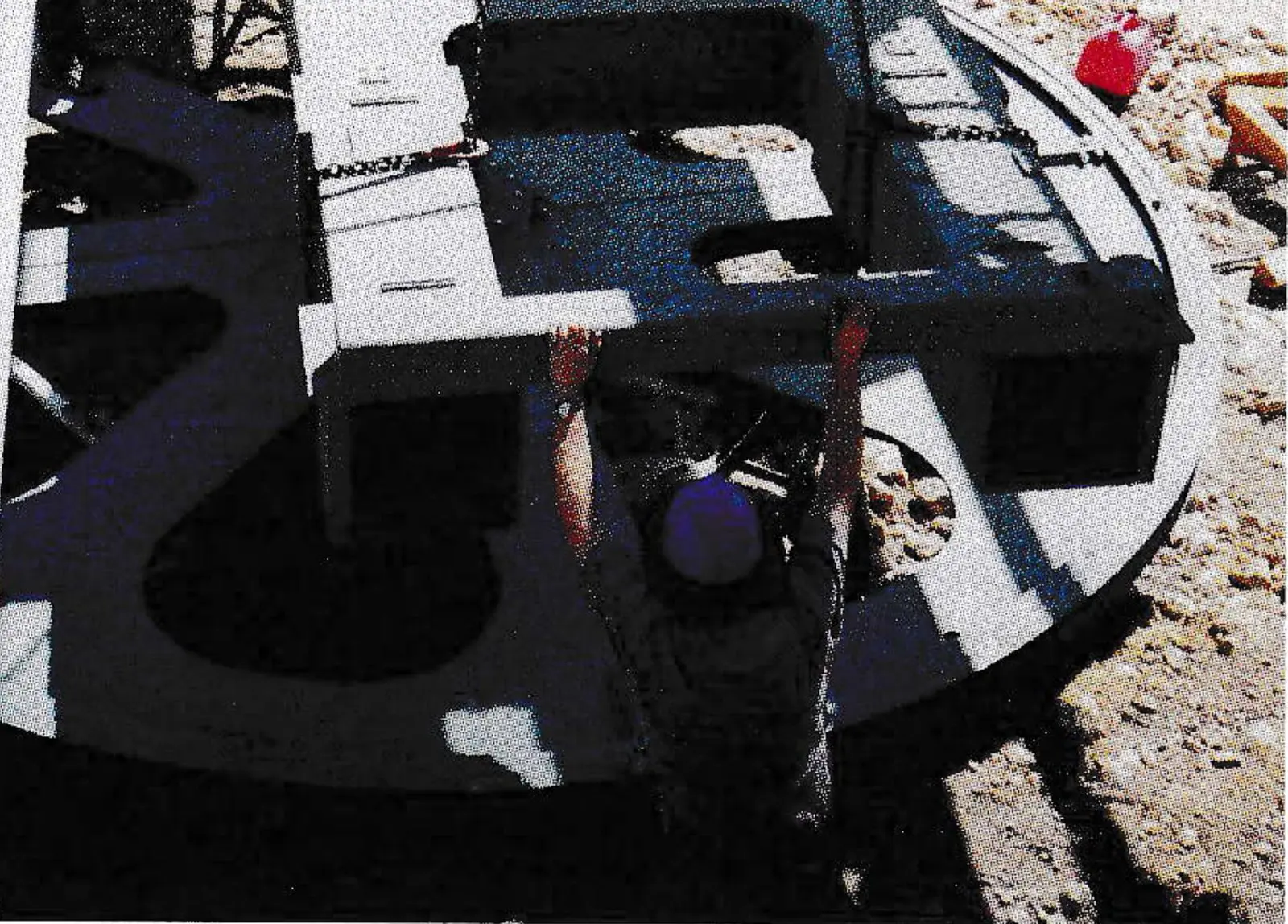
Snowbasin owner Earl Holding made a $73 million commitment to the Salt Lake City Olympic Committee and the deal is well on its way to being fulfilled this summer in a whirlwind of construction as the area prepares to host the 1999 Nationals next March. Four Doppelmayr lifts are being installed: two eight-passenger gondolas, a 15-passenger tram and a detachable quad. The Olympic tram and the John Paul detachable quad will both access the top of the men’s and women’s downhill course. The quad is 7,680 feet long and rises 2,420 vertical feet, while the tram rises 510 vertical feet over an incline length of 1,165 feet. One of the gondolas will access the intermediate/expert terrain of Strawberry, newly-opened terrain that almost doubles skiable acres, bringing the total to nearly 400. The other gondola—9,394 feet long—rises 2,310 vertical feet to access the Middle Bowl. All of the lifts have a capacity of 2,400 pph except the tram, which will carry 450 passengers per hour. Other infrastructure improvements for this season are another parking lot and a new power system that includes underground lines and a new substation. A fully-automated York snowmaking system—similar to the one at Holding’s other ski area property, Sun Valley, Idaho—will be installed on the downhill course for next season, along with a new day lodge and skier services building.
Sunday River
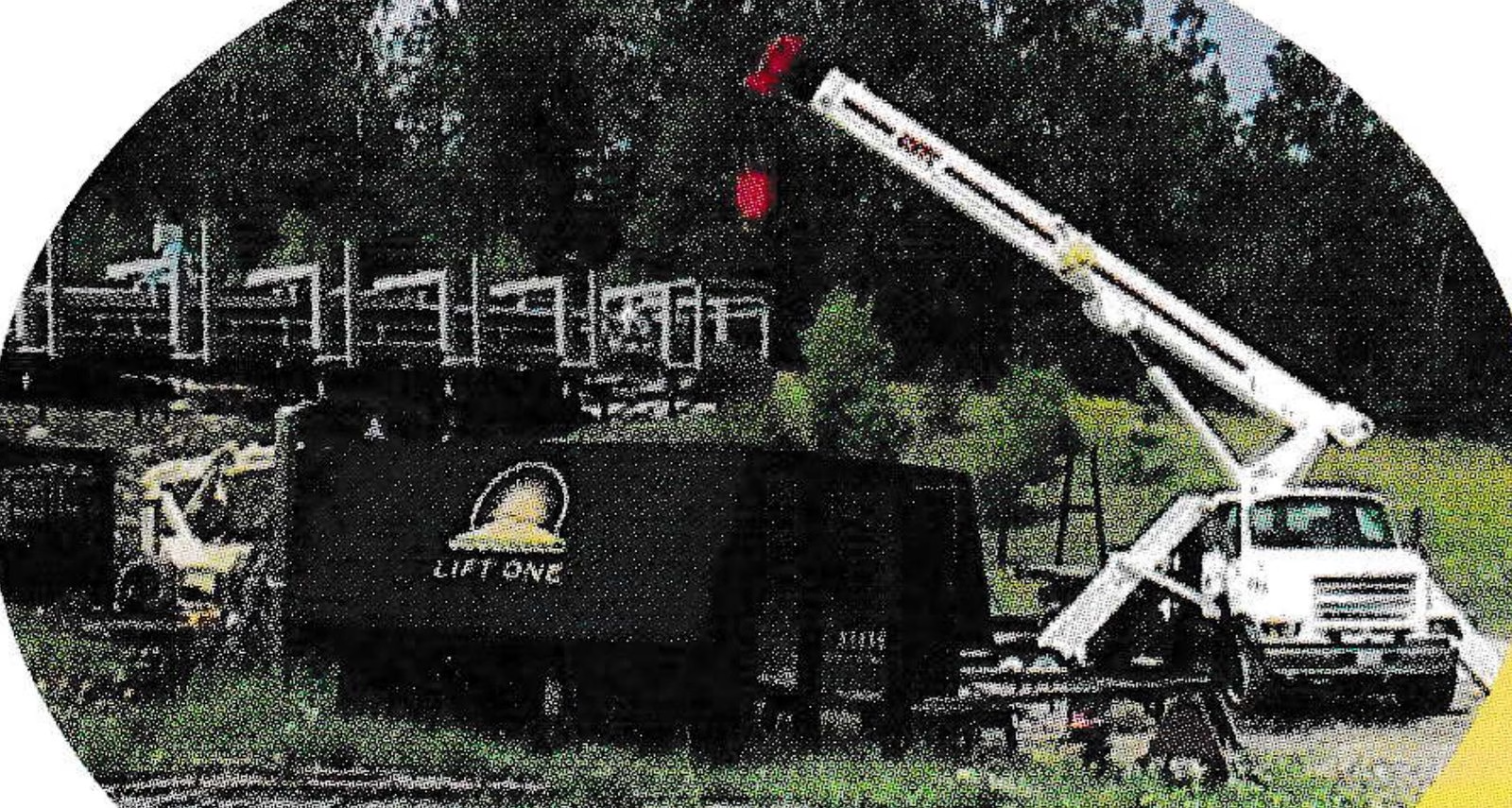
Over $5 million dollars is going into current capital improvements at Sunday River, Maine. For winter guests, a Poma detachable quad replaces a Yan detachable, reusing the existing towers. The new lift will be 5,000 feet long with a vertical rise of 1,400 feet and a capacity of 2,900 pph for a VTFH of 4,060. A new ticket concourse is being built and the old one is being remodeled to host a new Perfect Turn Discovery Center. Sunday River’s famed snowmaking arsenal is being boosted by 150 new tower guns, although coverage remains at 92 percent as older guns are retired. Five new Pisten Bullys have also been purchased. Summer guests have not been forgotten, either: the creation of American Skiing Company’s Grand Summer Vacation packages has led to all sorts of improvements in order to drive summer business at the resort. A new Adventure Center includes a waterpark with two ProSlide waterslides, a skate park for skateboarders and in-line skaters, a 24-foot climbing wall and a BMX bike park that also accesses 60 miles of existing mountain biking terrain. Rounding out summer offerings, construction is expected to begin soon on a new golf course designed by Robert Trent Jones, Jr., with an expected completion date of late 2000 or early 2001.
Crystal Mountain
One year after installing the Northwest’s first detachable six-passenger lift, Crystal Mountain, Wash., is at it again, replacing a fixed-grip quad with another Doppelmayr detachable six-pack. Though the existing towers were able to be reused, the tower footings had to be modified in order to accommodate the larger lift. For the modification, engineer Jim Ellis designed the addition of 6x6x2 spread footings around the top of the original footings. New crossarms and wheel assemblies were installed via helicopter in just around six hours. The new lift is 3,350 feet long, with a vertical rise of 850 feet. The new lift increases capacity from 2,200 to 3,600 pph and reduces the ride time from an average of 12 minutes to four. Due to recurring local power problems, the lift has not one, but two backup engines—600 HP Cummins diesels—one of which is reserved for use in evacuation only.
Mount Washington
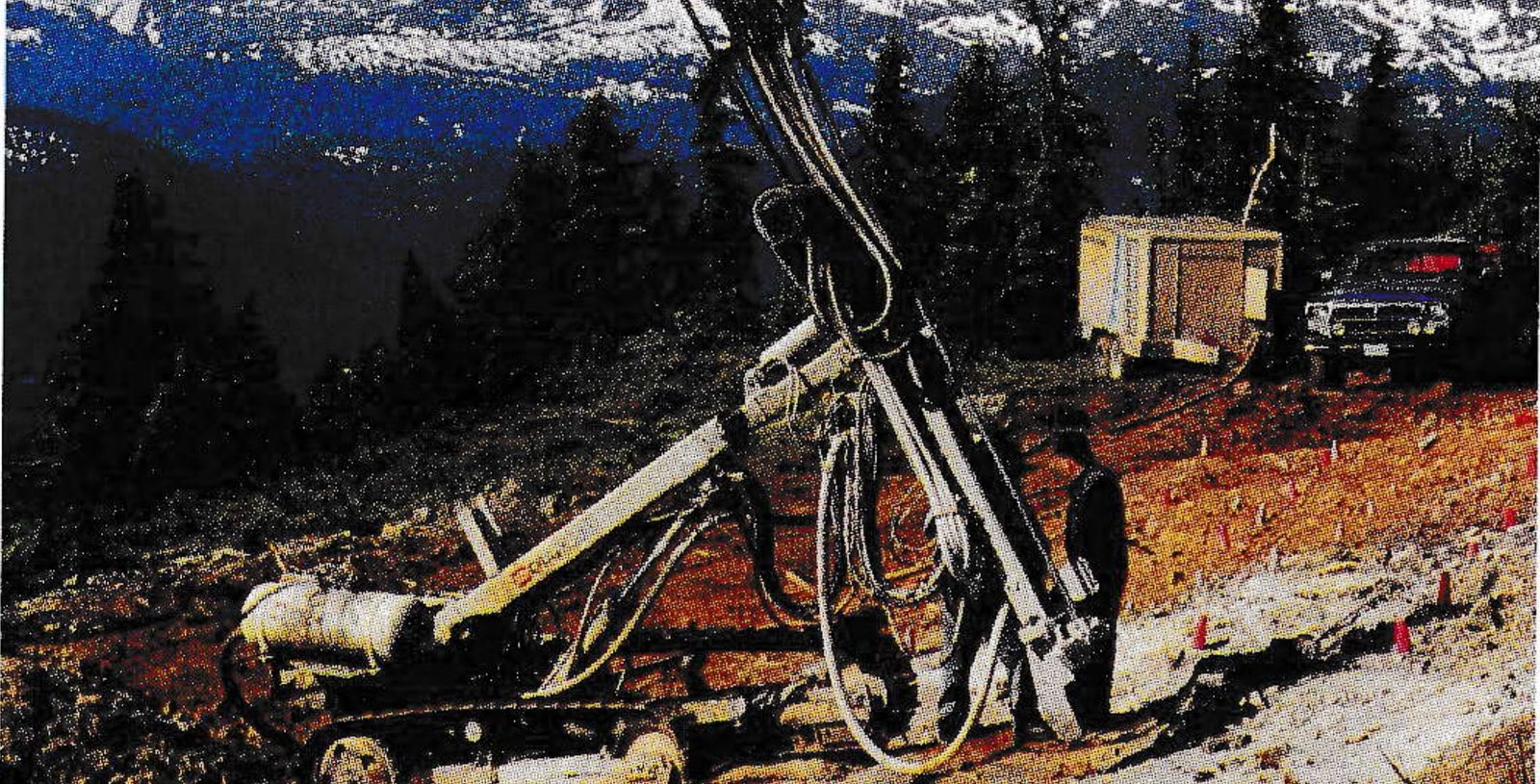
The first Garaventa CTEC detachable quad in Canada is being installed at Mount Washington Resort, B.C. The CDN $4 million lift, called the Eagle Express, is replacing a 1979 Mueller double and will serve as the primary lift up the center of the mountain, traveling 4,462 feet with a vertical rise of 1,300 feet and a capacity of 2,400 pph. The lift was built as part of an attempt to boost off-season business because it will be open for summer operations as well as skiing. The draw for summer tourists who ride to the top of the mountain is a spectacular vantage point from which to see the Comox Glacier and the Straits of Georgia; eventually, a restaurant is planned for the summit as well. Although the lift serves intermediate and expert skiing terrain, the fact that it will also be used by summer tourists called for an easier egress slope, which was created by blasting with a rock drill. The blasted rock was used as backfill for tower foundations and to build the offload ramp.
Copper Mountain
Copper Mountain, Colo., is sinking a hefty $33 million into capital expansion this summer on all fronts—lifts, snowmaking and buildings. Poma is replacing three lifts with two detachables: the Super Bee six-pack and the Accelerator quad. The Super Bee is 8,860 feet long with a vertical rise of 2,296 and a design capacity of 3,400 pph, weighing in with a whopping VTFH of 7,806.4—which Jim Spenst, Copper’s lift services director, says may be the highest of any lift built to date. The Accelerator is no slouch, either, at 3,216 feet long, with a vertical rise of 850 feet. Both lifts will travel at 1,100 fpm. The original 1972 tower foundations had been installed in wetlands, said Spenst, so their removal was done as much as possible over snow to avoid impacting surrounding terrain. Afterwards, management worked with the Forest Service to reestablish the original wetlands. Because of the wetlands as well as space considerations, Accelerator was designed with an unusual contour load, loading at 90 degrees to the line. In an effort to make a Halloween opening, snowmaking capacity is doubling, with $7 million designated for a fully-automated system designed by Alford Design Group. The system includes controls by Flowtronex, four pumps and two compressors from Ingersoll Dresser, 105 HKD tower guns, 72,000 feet of pipe, a new primary pumphouse and a new control building. Feeding the system is a new water source—a diversion from Ten Mile Creek that runs underground for 5,700 feet.