


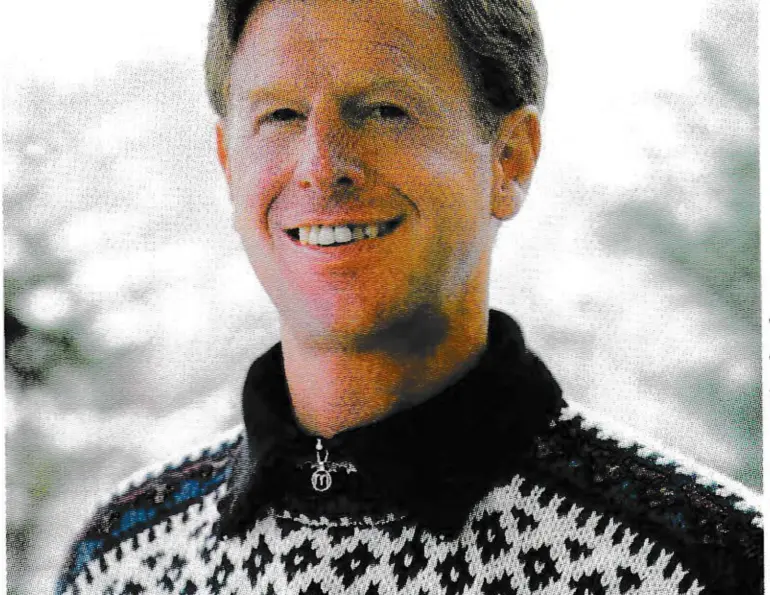
The bug first bit while Rutter Sr. was stationed at Rocky Mountain National Park in Colorado, and the slopes of the now-defunct Hidden Valley beckoned his children. Later, when Dad was installed at Mt. Rainier, his pre-teen son would sell lift tickets, and later, run the rope tow at the Paradise ski area. “It was just something I really loved to do,” said the 47-year-old Rutter. “Skiing was in my blood. It’s what you did every weekend. You’d get your family up and go skiing.”
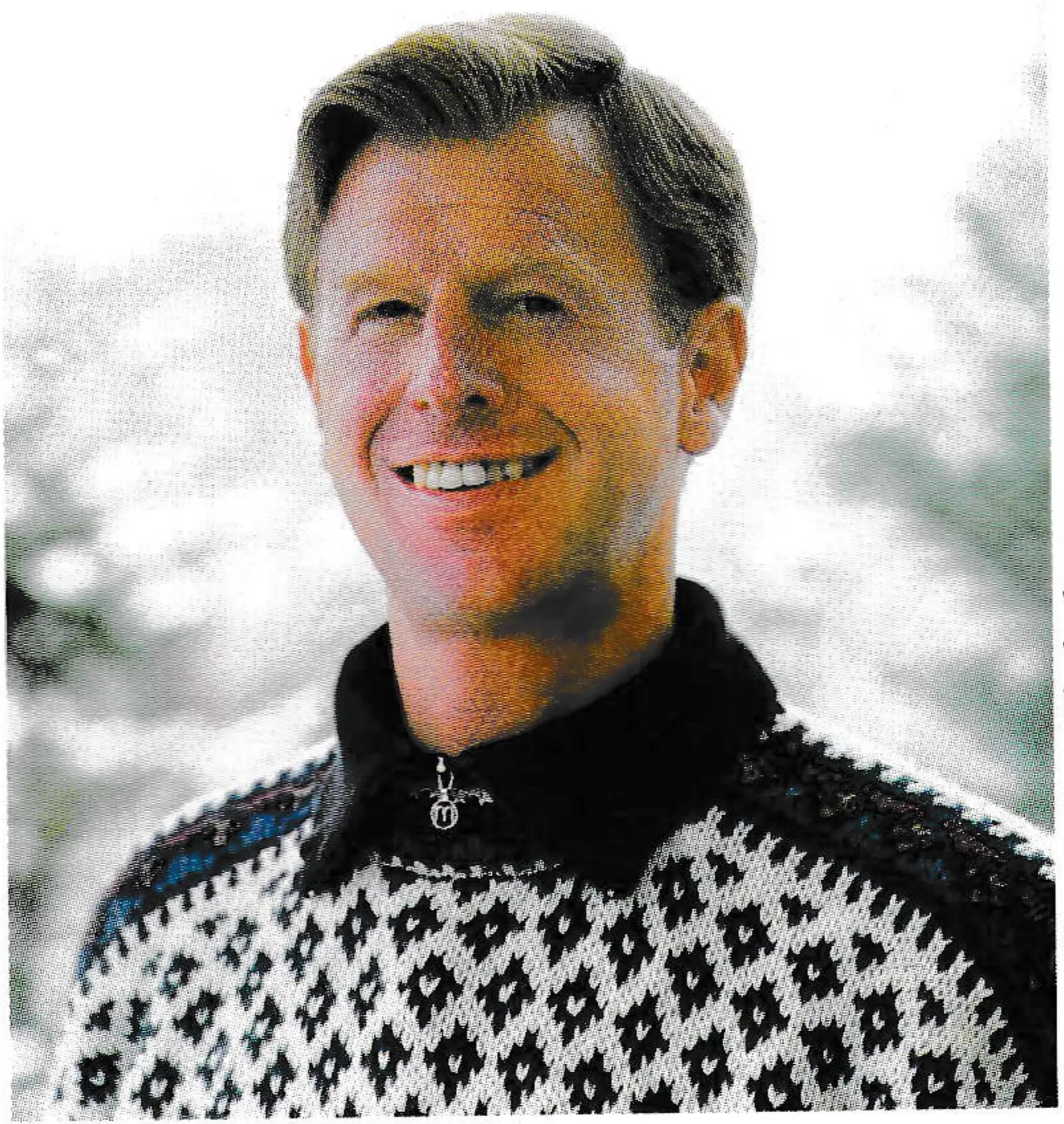
Keystone Photo by Bevan Blankenburg
As the incoming chair of the board for the National Ski Areas Association, Rutter said he faces a much more challenging task in attracting the interest of the younger generation. “Young kids have so many choices today,” he said. “Given the options today’s 10 to 24 year-olds have, it’s critical for the industry to have a message. And we have got to get our message in front of them. We need to be involved with it and get families involved, too.”
Rutter said his main directive after assuming the position of NSAA chair during the annual convention at Marco Island, Fla—he succeeds Daniel Seme—is to refocus the industry on growing the market. He considers the 1996 NSAA conference in Charleston, S.C., a major turning point in snow sports. “Charleston was the beginning of reinventing the organization,” he says, adding that the concepts that would later mature into Operation Snoblast got the whole industry refocused on creating new entrants to the sport.
“That really has become our primary mission, but,” Rutter cautions, “it’s absolutely critical that we follow through.”
While admitting that it’s an ambitious goal, Rutter doesn’t think targeting a growth in skier days of between 10 and 30 percent is unreasonable. “If you can grow participation in the sport significantly, the entire national organization, all of the ski areas, will be better off,” he said. “The theory is, if you take 10 million actual snow riders to 12 or 15 million, it’s going to have a profound effect on 54 million annual ski/snowboard days.” He reckons this goal could be reached by boosting the participation of snow riders, who now hit the slopes four or five days a year, to seven times annually.
Sound too simple? Rutter said he has faith in the NSAA’s well-researched, “long-term, sustainable campaign” to boost participation in the sport. But he stressed that it is a three- to five-year-long crusade.
“My role is to champion the concept and campaign throughout the organization. Long-term, these are the kinds of things we need to be doing to grow business,” he noted.
While serving as a board member, and later the chairman of the board, of Colorado Ski Country USA, Rutter said he became impressed by the focus of the “Ski It to Believe It” marketing campaign. “I learned a lot from that. I never lost interest in trying to find a way” to grow the market, he said, adding, “That was a good education for me.”
With its direction clearly addressed, NSAA’s challenge is now to solidify its funding. Rutter said the majority of the funding is coming, voluntarily, from the top 50 ski areas in the country.
“It’s their commitment to growing the organization,” he said. In terms of whether corporate sponsors could pick up some slack, Rutter suggested this could be a slippery slope, given the fact that many individual resorts already have their own sponsorship deals firmly in place.

The day-to-day NSAA operations, Rutter believes, are well handled by NSAA staffers, whom he considers to be “top flight.” He enjoys a long-standing relationship with NSAA president Michael Berry, dating from when they both worked at Keystone in the late 1970’s. “I worked for Michael, but now the roles are reversed and he works for me,” Rutter quipped.
“I think Michael has done an outstanding job and he has a spectacular staff. I think the organization is doing extremely good things. Michael sets the direction and provides the forum.”
Rutter, married with two children, an avid skier, boarder, climber and kayaker, has spent nearly a quarter century at Keystone. Recruited by Bob Maynard in 1974, he put in time in snowmaking, trail construction, mountain operations and management. “I just worked my way up through Keystone,” he said, watching it grow from “a small ski area” to one which regularly surpasses the one million annual skier-day mark.
In 1978, he saw Keystone take its first big step of purchasing neighboring Arapahoe Basin. Two years later, he was ensconced in the position of director of ski operations, in charge of running both areas. By 1985, he had been promoted to vice president of ski operations. In the late 1980’s, Rutter took advantage of a unique opportunity to earn his MBA in an off-campus pilot program offered in Summit County by the University of Denver.
Rutter was on board as Keystone’s executive vice president for mountain operations during two significant events for the company: first, in 1993, when the resort formed a joint venture with Intrawest, and in 1994, when Ralston Purina, then Keystone’s owner, acquired the neighboring Breckenridge Resort.
Two and one-half years later, Ralston Purina spun off its ski area holdings, renaming them Ralcorp. That division merged with Vail Associates on January 3, 1997. Now Rutter’s a senior vice president for Vail Resorts and chief operating officer of Keystone.
Rutter, a former NSAA treasurer, will begin his one-year term as chair of the organization at the end of the May convention. Under the bylaws, he will be eligible to serve two consecutive one-year terms.

