Idea #1: Mats for Motor Rooms
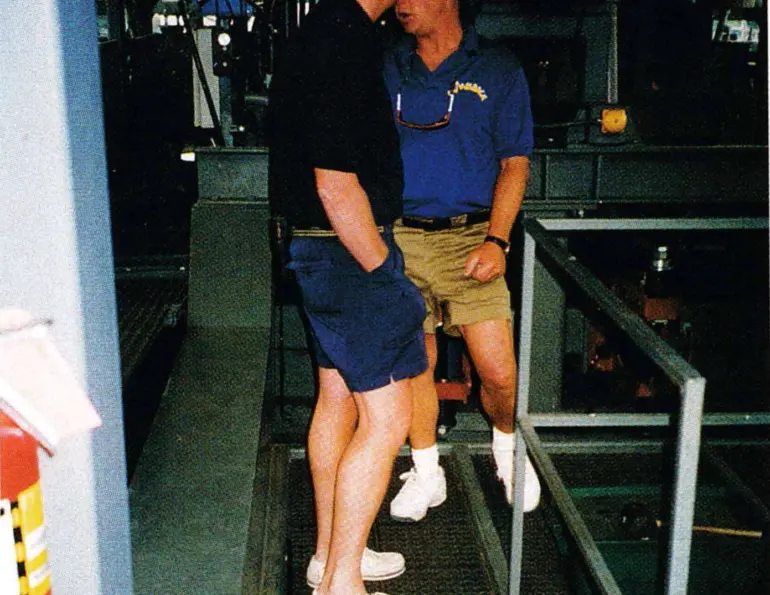
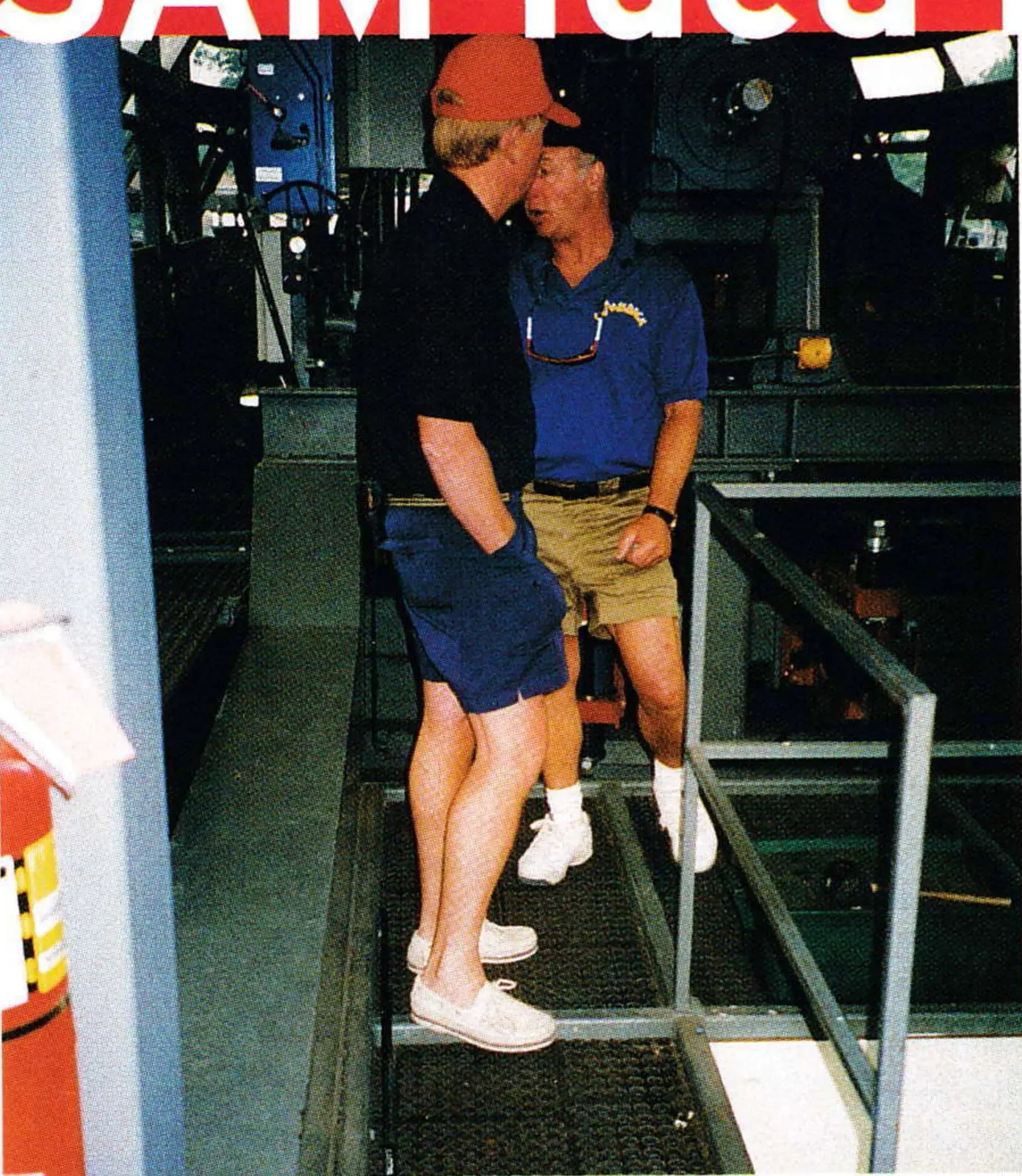
Ski-lift motor room floors are often made of steel that can be slippery even when dry. When the floors are wet, they are worse than banana peels and walking on them in ski boots can be disastrous. To make it safer for the maintenance crew to make their way across the floors of the motor room at Camelback Ski Area, Pa., Rich Wiseman, GM, and his crew began using anti-fatigue rubber mats sold by McMaster-Carr, a mail-order industrial supply company. They chose rubber mats with one-inch diameter holes to allow for drainage. The mats come in sections that measure 3 feet by 3 feet by 1-inch thick and cost about $50 per section. The sections can be cut to a custom fit.
Idea #2: Weighted Gates
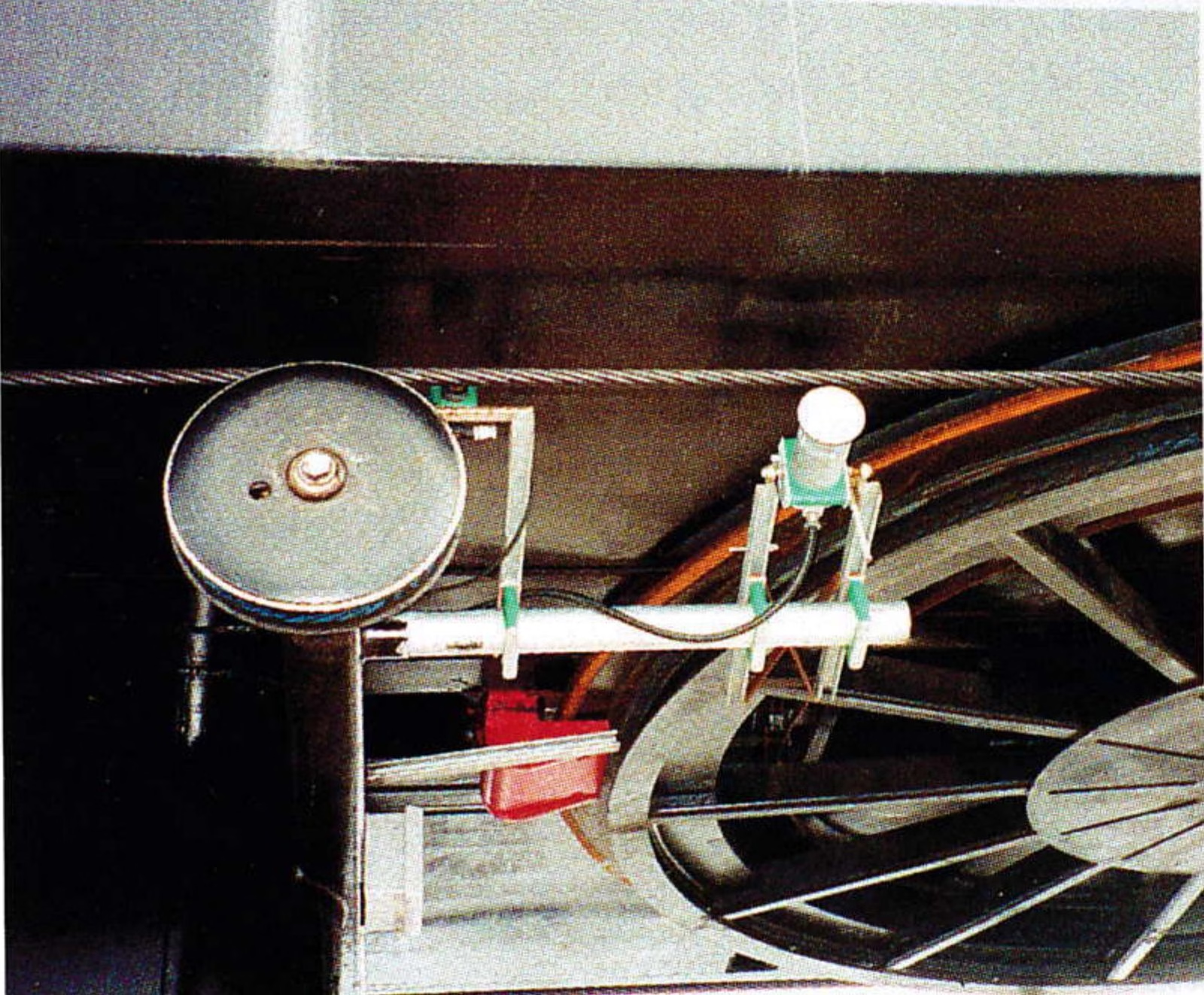
Bud Fischer at Brian Head, Utah, may have developed the ultimate improvement on the stop gate: a weight gate. The problem with a conventional stop gate is that skiers sometimes hold their legs up over it, causing the lift to continue instead of stopping. The wind can also blow it down causing nuisance stops.
Fischer’s idea is to use the wire rope deflection caused by a loaded chair to activate a stop. This is accomplished when a weighted chair passes the space behind the guide sheave before reaching the bullwheel and the deflected haul rope comes in contact with the small white wheel shown in the photo. This wheel is a tachometer, just like the ones that monitor lift speed or reverse rotation, and it is carefully positioned a 40/1000-inch from the haul rope. When a chair with as little as 30 pounds additional load enters the space, the rope deflects and makes contact with the wheel. This, in turn, causes the tachometer to rotate, producing a signal that stops the lift. The tachometer is mounted on a swivel and can be adjusted from the ground with the use of a socket at the end of a 6-foot pole. Cost for the complete system is under $1,000.
Idea #3: Preventing Icing
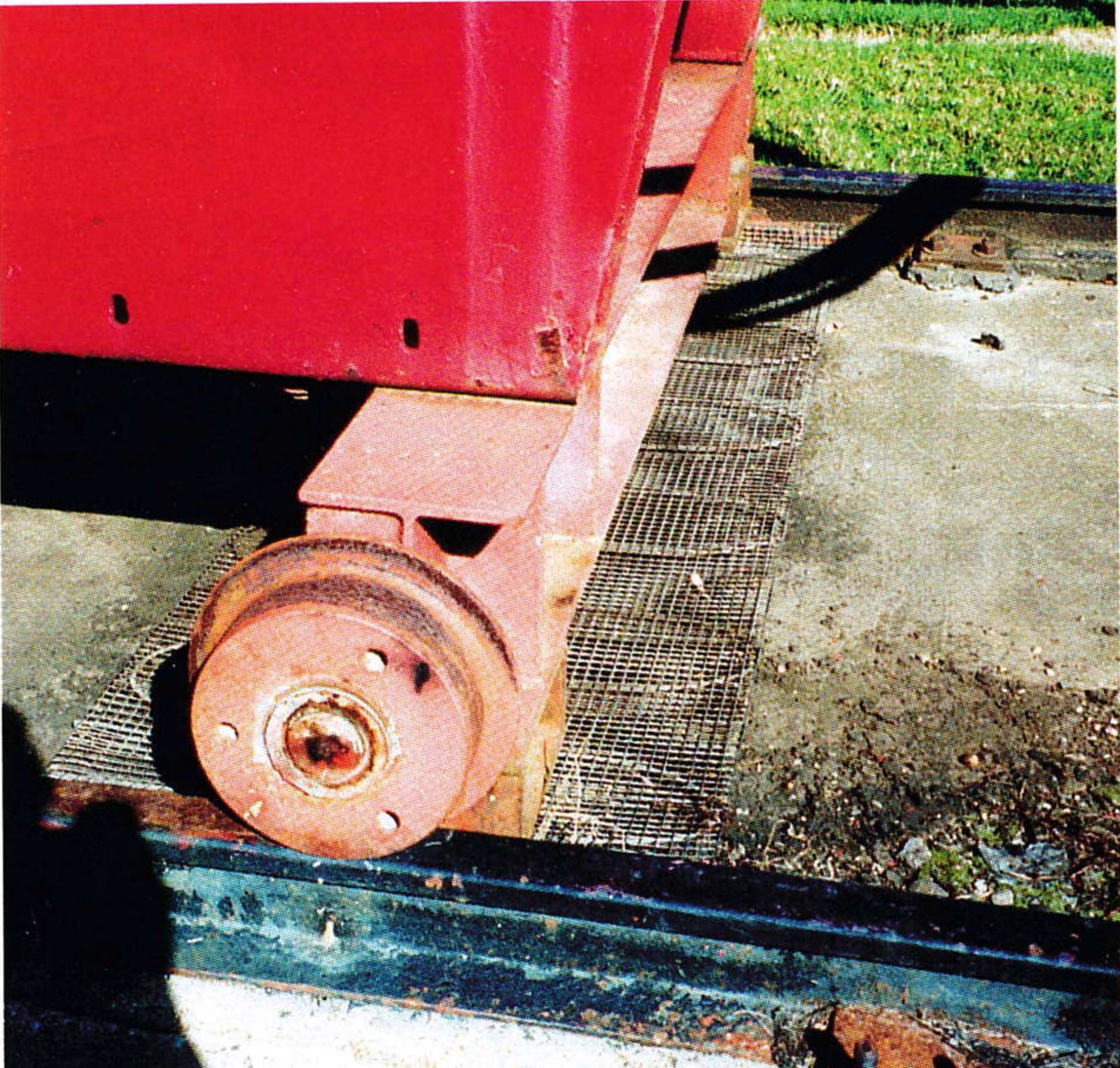
Keeping ice off ski-lift carriage tracks every winter used to be a major chipping job at Ski Sunburst, Wisc. Then, Mountain Manager Dick Holbrook and VP Jim Engle began looking for a solution. After several attempts, the idea that finally worked was a clever custom-made heating mat. Manufactured by Trasor, the mat measures 2 feet by 6 feet, is made of stainless steel and has 120-volt/553-watt heating elements spaced every 6 inches. It costs $390. A 240-volt option is also available. This past winter, the heating mat performed flawlessly, not once allowing ice to build up on the carriage adjustment wheels.