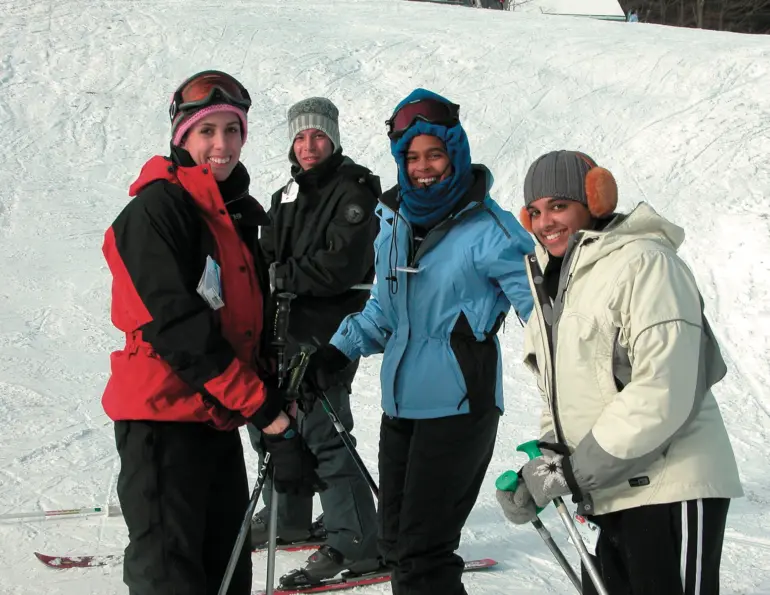
Well, not exactly. Many industry execs say that while the idea intrigues them, it’s untested, and one that they don’t know how to approach. But there’s one ethnic skier-development project that’s been going on for more than 35 years, and it can show a remarkable record in creating longtime, core skiers: Youth Enrichment Services (YES), based in Boston.
Just Say YES
YES has been bringing inner-city kids to several ski areas across the Northeast since 1968. For the past several years, YES has introduced thousands of kids to skiing and riding each year—depending on weather, the number ranges from about 2,200 to 3,200 a season. YES has several area partners: Ski Butternut, Killington, Pico, Mount Sunapee, Loon, Sugarloaf, Sugarbush, Tenney, Black Mountain (N.H.), Bretton Woods, and Cannon. About one-third of the YES budget comes from in-kind donations from the industry; the rest come from grants and participant fees.
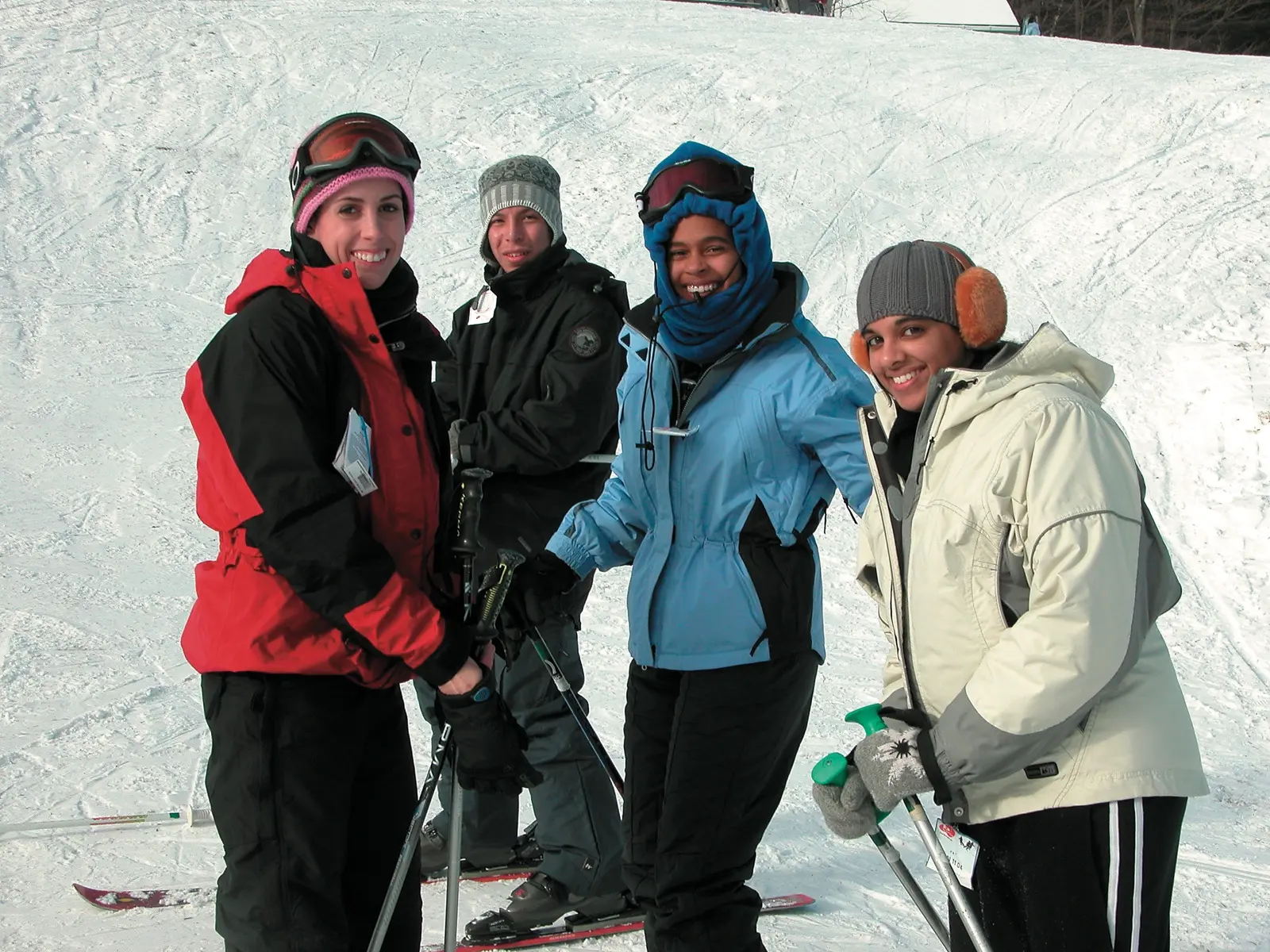
And its participants stick with the sport. According to Jeffrey Wortham, YES program director, 50 percent of YES graduates are still skiing 10 or more years after leaving the program. The two Boston ski club chapters of the National Brotherhood of Skiers (NBS) include several members who are former YES men and women. “That proves that minorities are a viable market,” Wortham says. “These kids are capable of doing it. This is no longer an elitist sport.”
In part, this development reflects the success of the social aim of YES, which is to give inner-city kids an alternative to inner-city life. And it works. Several years ago, a Harvard University study showed that 90 percent of YES participants graduate from high school, and half go on to college. This dedication to self-improvement, and its effect on income, gives YES grads the means to stay in the sport.
Wortham notes that areas could do more to recruit minorities to winter resorts. High on his list is hiring more ethnic members in front-line positions, along with the inclusion of minorities in the images used in promotional materials and websites. His point: If you want to show minorities that they are welcome, prove it by featuring them.
“This topic came up two years ago at Mount Snow [during the NSAA winter trade fair]. It’s important to have more minorities on the mountain instead of always being in the back areas—housekeeping, the kitchen. Minority staff need to be out front to make minorities more comfortable when they arrive. NBS members say the same thing.
“Areas always say that they can’t find job applicants,” he adds. “The answer is, advertise in the city. If you can go to Argentina and Australia to recruit, you can come here [to Boston].”
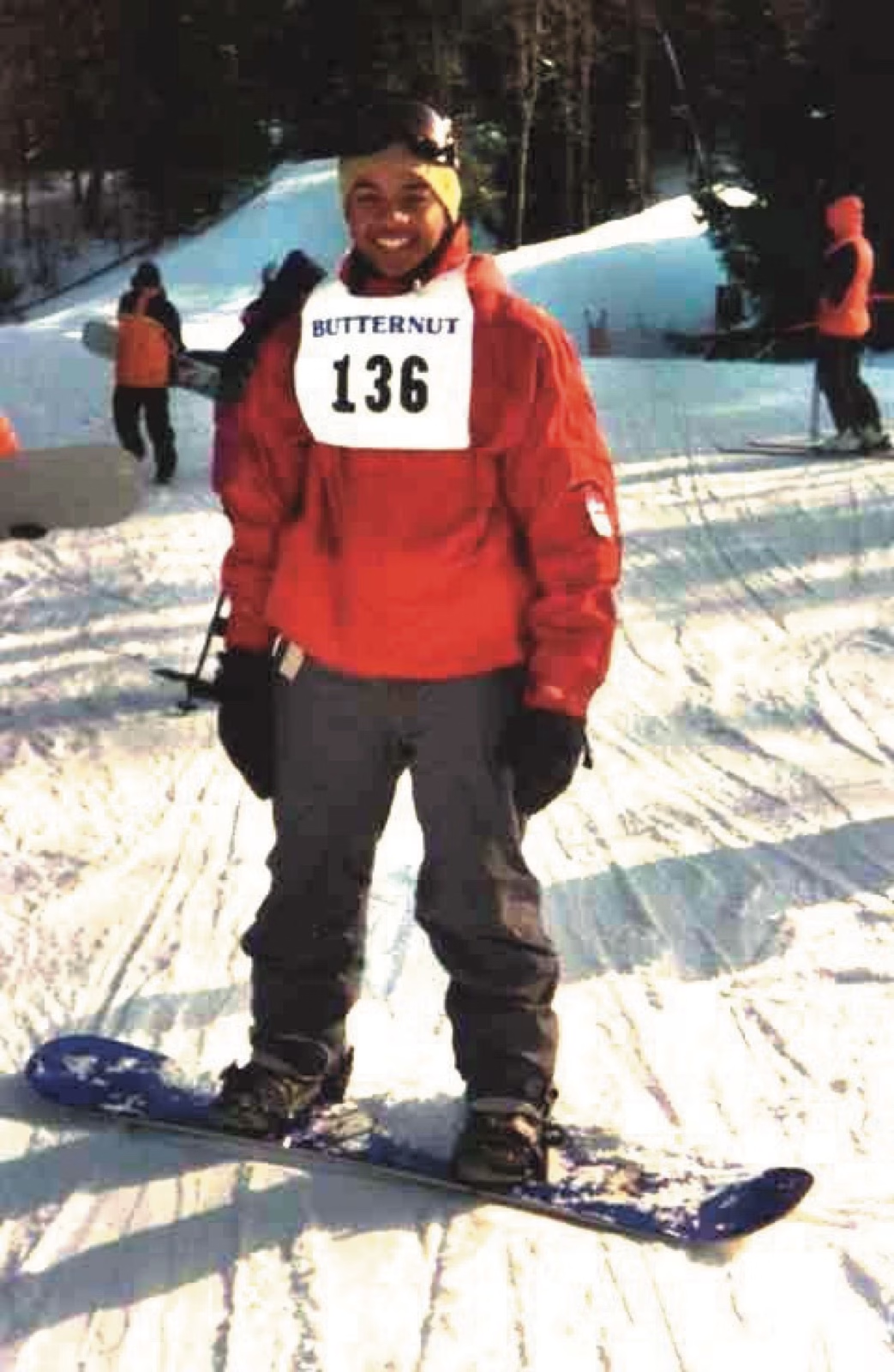
To make it easier for areas to recruit more front-line minority staff, YES is joining with Butternut to create a training program for future employees. Two years ago, the staff at Butternut suggested that the area could provide job training to YES participants if the kids were interested. The area was keen on solving its chronic staffing issues and saw this as a win-win situation, says marketing director Matt Sawyer.
YES liked the idea as well. This season, it expects to place 12 to 25 youth in a pilot job-training program. “The key issue is lodging,” Wortham says. “We also need to provide transportation and supervision. Fortunately, we have resources close to Butternut. We’d love to do more programs at other areas if we can get accommodations.”
In other ways, the mountain atmosphere is already more welcoming of people of color, Wortham says. “When I was a kid in the early ’70s, being one of the only persons of color, I got lots of looks. Times have changed; I haven’t noticed the blatant outward resistance that we encountered then. Today’s youth culture is more cross-pollinated; it’s a more homogenized urban culture.
“But ski areas need to do more from a marketing standpoint to show that they are more tolerant. Look at the brochures. They need to show a more diverse population. That’s what we’re trying to change.”
Across the USA
Wortham is not the only minority advocate who is touting the importance of hiring minorities in front-line jobs and placing them prominently in promotional materials. It has been a key part of the success in the past decade for Mountain High, Sierra Summit, Northstar, and other California areas.
In Denver, Roberto Moreno and his Alpino group have been saying almost exactly the same thing as well. Moreno extended this message nationwide last spring, along with his reasoned plea for more inclusivity in mountain resorts, through the pages of SAM and at the NSAA convention, where several resorts were struck by the common sense and practicality of his presentation.
The management at Bear Creek, Pa., about 45 minutes outside Philadelphia, got the message and was moved to action. The resort contacted Moreno shortly after the meeting in Savannah and is using Alpino images in its advertising and promotion materials. It is also linking to the Alpino website.
Marketing director Jennifer Muhl says that the resort plans to stick with this program for the foreseeable future. “We are just now beginning to target the ethnic market,” she says. “We realized that it is a market the area should cater to.” In the past few years, and last year especially, Bear Creek has seen growth in visits from ethnically diverse groups from NYC, even though the area hasn’t done anything special to attract the business. Now, the area is actively soliciting diverse religious and ethnic groups via mailings and phone calls.
Vail’s Big Play
But the biggest response to Alpino has come from Vail Resorts. In July, Vail CEO Bill Jensen provided $600,000 over the next two years as in-kind and cash contributions to launch Alpino’s ambitious 10,000 Project, which aims to introduce 10,000 Denver-area youth of color to skiing and snowboarding. Vail Resorts’ contributions include 2,500 lesson, rental, and meal packages in each of the next two seasons and hosting a Diversity Day at Keystone on Martin Luther King Day. Keystone is offering 1,000 discounted lift tickets to Alpino to distribute for the day.

That’s a lot of tickets, but Alpino has built a series of partnerships with a variety of youth groups who are eager to go skiing and riding: Denver Public Schools and the city’s Department of Parks and Recreation, religious and scout organizations, and foundations such as the Daniels Fund, Ace Scholarships, and the Beckwourth Mountain Foundation. “Alpino is a bridge to the ski industry for this pre-existing infrastructure,” says Moreno, who expects those tickets will go fast as a result.
As part of its commitment to a multicultural future, VR has set a goal of hiring a minimum of 10 minority personnel into frontline positions (ski school, patrol, lift operations, mountain information) at each of the company’s five resorts. To assist in this process, Moreno has met with the ski and ride school directors at Keystone and Breckenridge, and he’s formalizing a formerly informal group of minority instructors and patrollers he calls POCWOBS (people of color working on boards), who will help promote skiing and riding to people of color.
Jensen says that Alpino’s ambitious goal “is an effort worth making for the next couple of years. We want it to be successful.” And Vail’s commitment has inspired other Colorado areas to partner with Alpino, from Crested Butte to Loveland Basin.
For its part, Alpino has been lining up some key outside sponsors for Diversity Day. Perhaps most important is Univision, the Hispanic TV network. Univision’s event coordinator is taking on much of the responsibility for organizing the event, and the network will help promote the event on its stations to encourage participation. Univision, in turn, expects to corral more outside sponsors, which would make Diversity Day even more diverse.
Keeping the Dream Alive
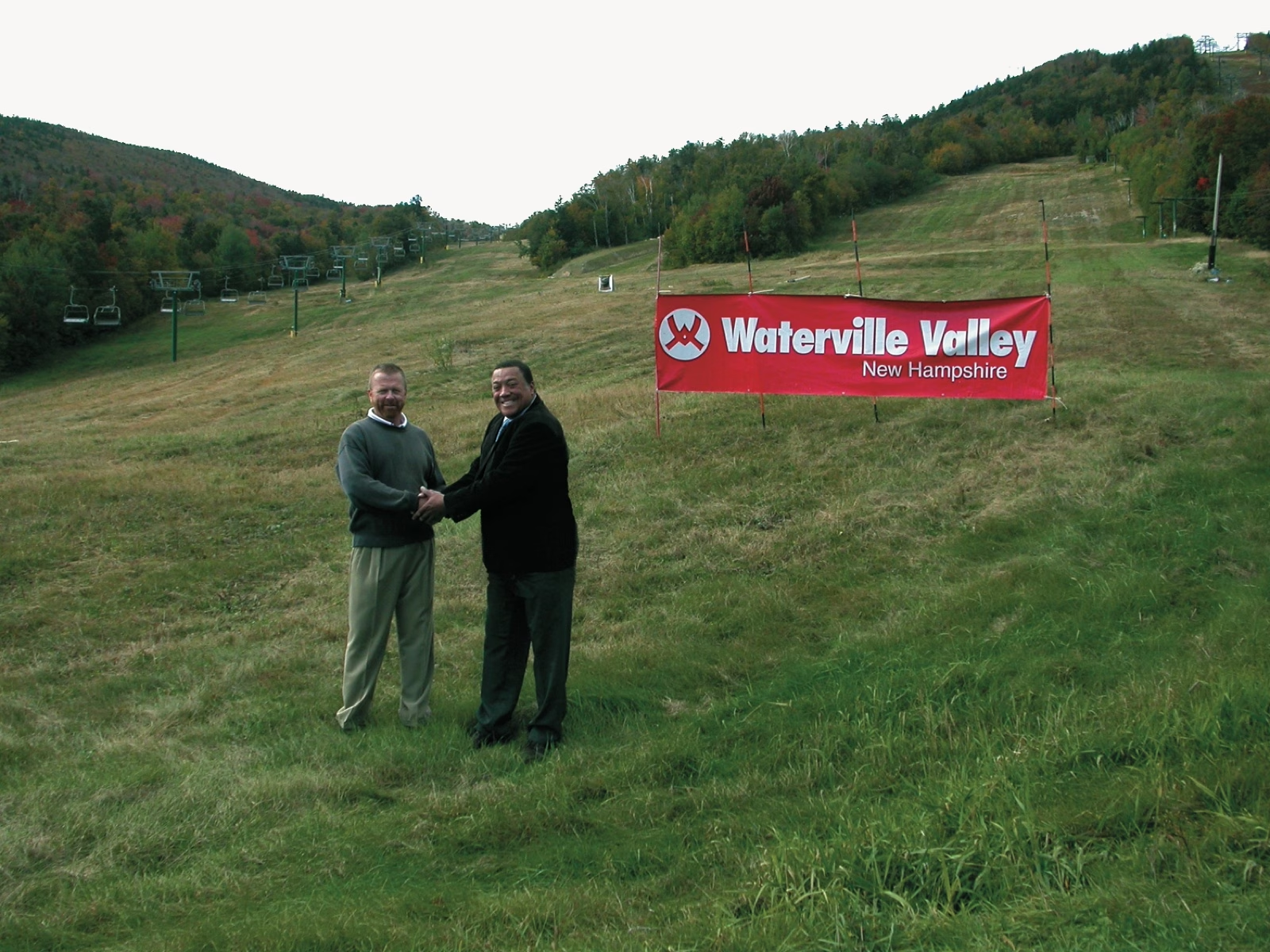
Other ethnic ski and ride programs are also expanding. In New Hampshire, the Diversity Workshop, organized by Wayne Jennings and his Keeping the Dream Alive organization and held at Waterville Valley, is entering its fourth year. The Workshop combines a half day of seminars focused on personal accountability with a half day of skiing and riding on Martin Luther King Day. The program typically includes 300 kids.
Jennings, like YES and Alpino, hopes to expand his program. He is optimistic about obtaining funding that will enable his organization to bring in kids not just from New Hampshire, but from the rest of New England as well. Plus, Jennings has been working with Waterville parent Booth Creek to replicate the concept at the company’s California resorts, and believes it could be adopted at areas nationwide.
As with other minority skiing and snowboarding organizations, Jennings and Waterville have lots of partners: the governor’s office, major corporations, the police, and the armed forces. Members of these last two are enlisted to lead seminars on personal responsibility and duty. Jennings’ efforts even earned him recognition from President Bush and a visit to the White House. “You know you’re doing something right when you’ve got the White House and the military behind you,” he says.
In the Long Run
Ethnic marketing will become increasingly important over the next decade. The NSAA Growth Initiative is based on the demographic fact that the huge population of Gen Y, nearly 80 million strong, gives the winter sports industry a large pool of potential newcomers. But the window of opportunity will only be open for another 5 to 10 years. After that, the Boomers will begin to drop out.
But how to secure the loyalty of Gen Y? Its ethnic composition is much different from the Boomers. The majority of this younger population, in fact, consists of ethnic minorities. If winter resorts are to thrive in the future, they must attract and retain this audience.
The good news is that persons of color find winter sports just as inspirational and irresistible as the white population. It has long been assumed that since few minorities currently visit the mountains, they have little interest in doing so. What YES, Alpino, Keeping the Dream Alive, and other organizations have shown is that winter is color blind.
The Guest Editor’s Take
I am certainly a big advocate of trying to attract more ethnic groups for both skiing and employment. On the employment front, I think the ethnic groups offer ski areas a major opportunity to obtain employees that have a very strong work ethic. I think all of us would agree that we have seen a definite decline in the work ethic of our traditional American workforce. But many of these growing segments bring the values that America held 30 or 40 years ago when industry in general experienced some of our greatest growth. Additionally, having more ethnic groups as employees will help attract more ethnic skiers and bring some new energy and insight into our businesses.
I believe the most difficult task is targeting these specific groups. Many of the ideas expressed in this article make a lot of sense. I’m sure more will surface as this topic becomes more and more relevant. Those of us who are not doing much in this area now will probably have to rethink that strategy as this market emerges.
—Tim Boyd