

This report is by Tommy Royther, a three-time Mountain Towns 2030 Climate Summit attendee, a former SAM “10 Under 30,” and the current sustainability manager at Wisp Resort, Md., and Wintergreen Resort, Va. Here, he shares his takeaways from the 2026 Climate Summit.
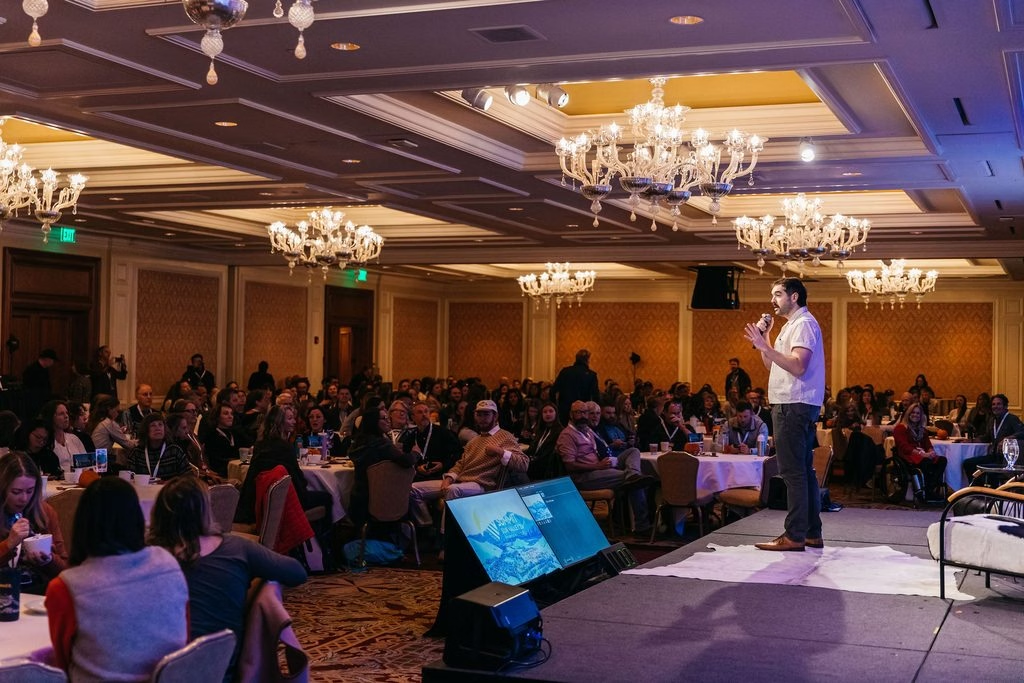
SAM Magazine—Sun Valley, Idaho, Oct. 20, 2026—The sixth annual Mountain Towns 2030 (MT2030) Climate Summit brought more than 500 resort leaders, sustainability professionals, municipal officials, nonprofit representatives, energy sector representatives and passionate mountain community members to Sun Valley, Idaho, Oct. 13-14, to collaborate on sustainable solutions for mountain towns.
Representing more than 60 mountain communities and 50 ski resorts, attendees shared successful sustainability initiatives, celebrated climate wins and worked toward solutions for shared challenges in mountain environments. Public-private collaboration was on full display throughout the two-day event.
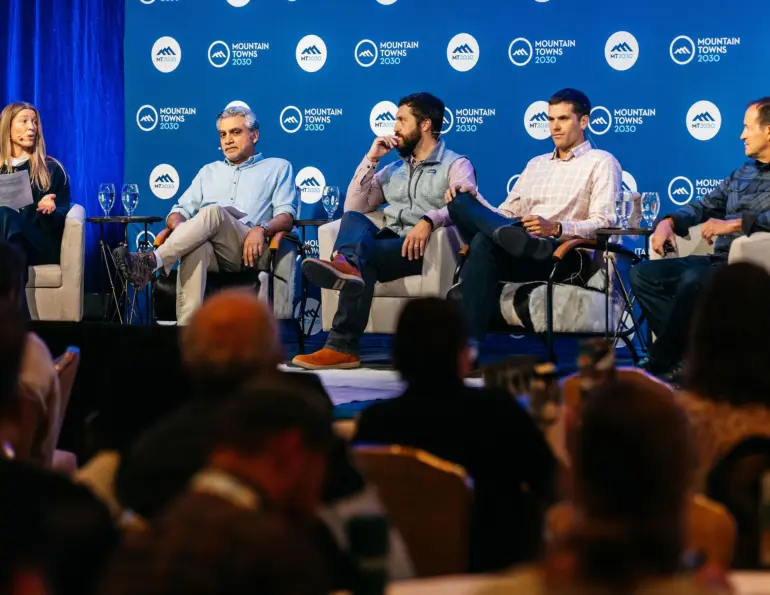
For ski area representatives, the summit kicked off early with a pre-event forum hosted by the National Ski Areas Association (NSAA), SAM, and Sun Valley Resort. A panel of ski resort sustainability leaders from Taos Ski Valley, N.M.; Mt. Rose – Ski Tahoe, Nev.; Sun Valley, Idaho; and Wisp, Md., and Wintergreen, Va., anchored the gathering.
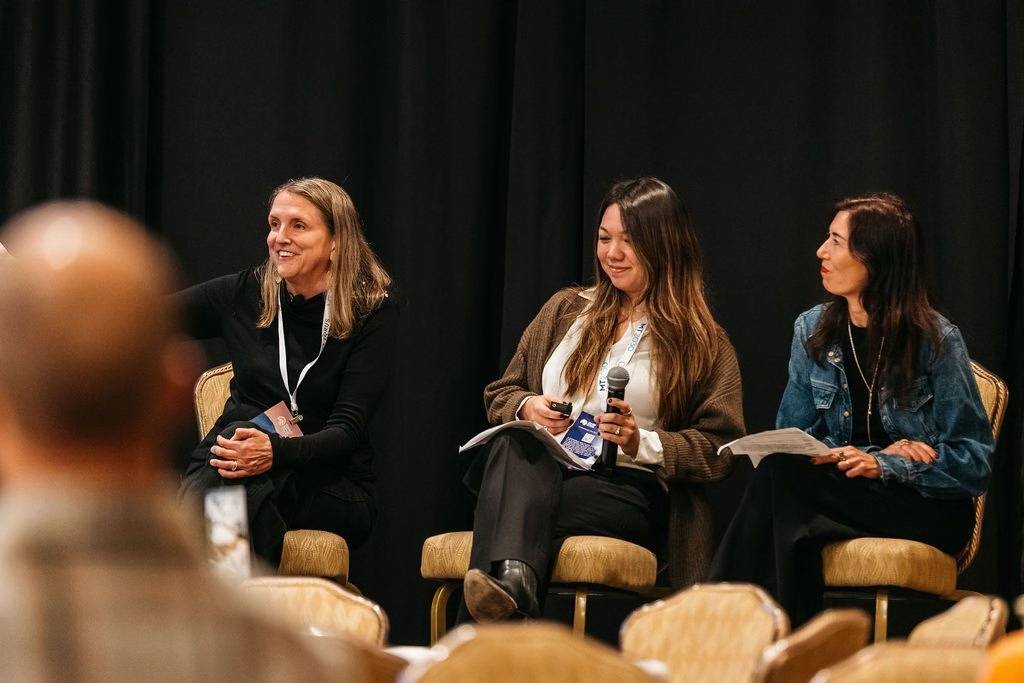
Moderated by NSAA, the interactive discussion brought together new and familiar faces in the ski resort sustainability space to share experiences of what has worked—and what has not—when developing sustainability programs. The consensus was that the breakthroughs make all the challenges worthwhile, and that many of us are experiencing similar challenges that can be worked through with persistence, data, and a collaborative approach.
Every year, MT2030 tailors its programming to the issues facing mountain communities. This year, emerging technologies and the growing number of solutions already being deployed were among the topics of discussion. “Every year, we try to accommodate the growth and make sure it addresses the situation at the time,” said MT2030 executive director Chris Steinkamp. “This year, we are seeing the growth of technology and the solutions that are in deployment now and it’s about speed.”

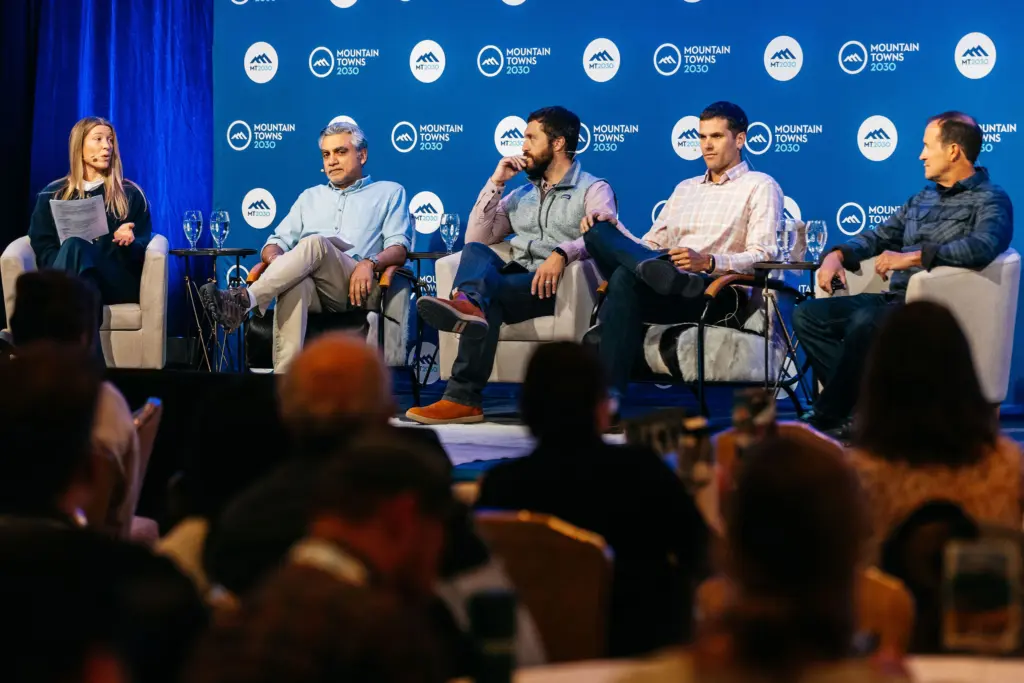
More than anything, Steinkamp said, the value he hopes attendees take away from MT2030 is that “They build a network of peers that they can lean on when they start doing hard work that they need some help with.”
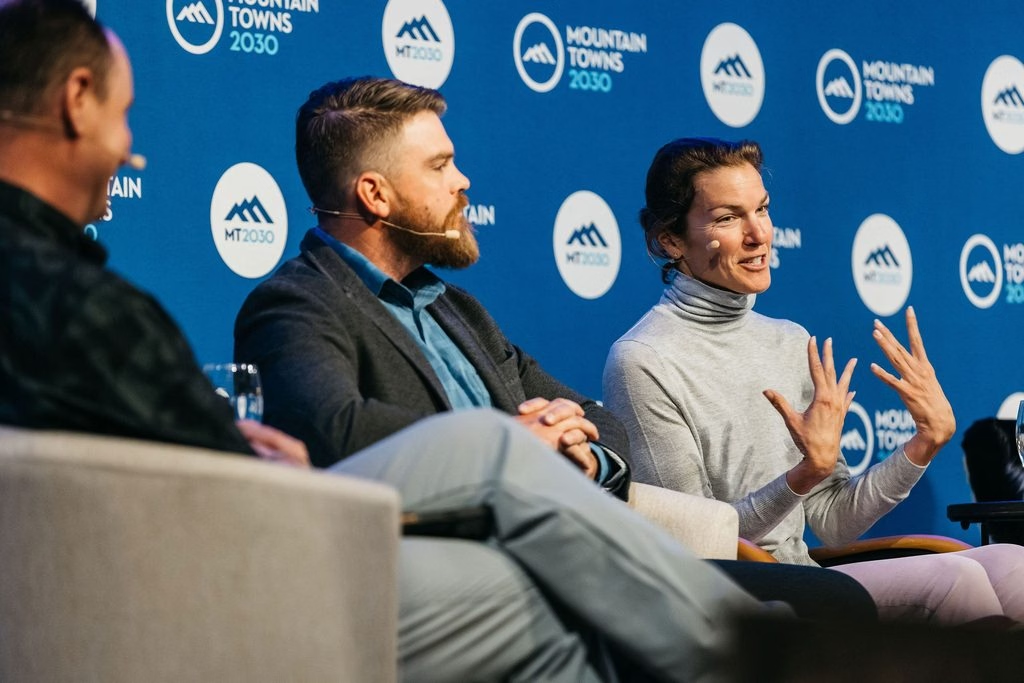
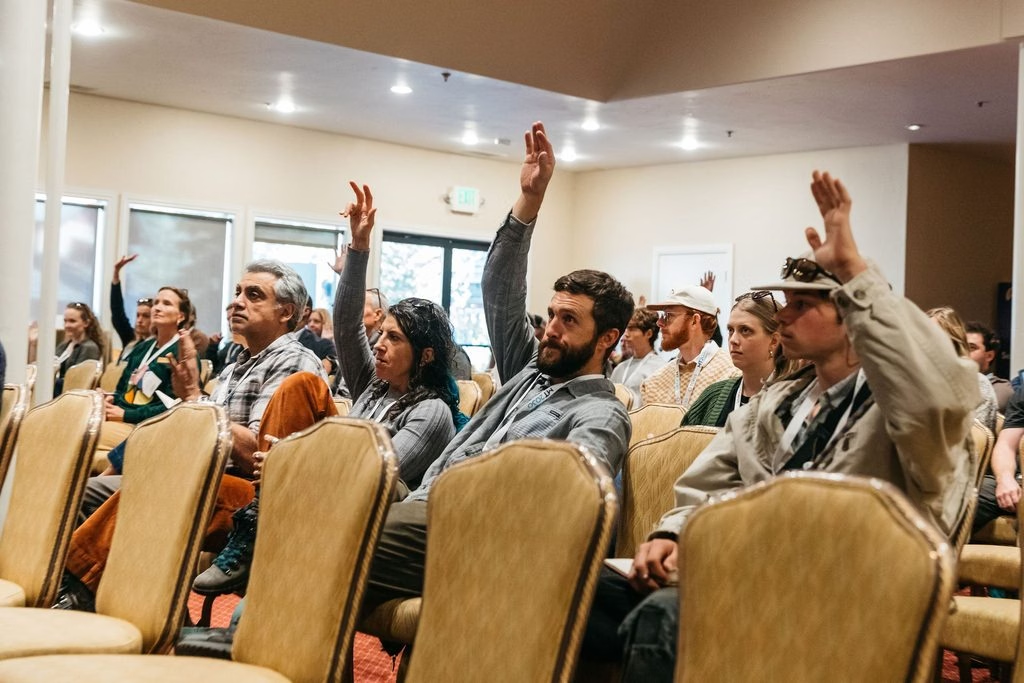
Throughout the summit, attendees from different political climates, regions and communities shared best practices in workshops, Q&A panels and keynote presentations, many of which examined real case studies. With more than 30 peer-led sessions, attendees had opportunities to learn about the topics most relevant to their communities such as wildfire mitigation, sustainable transportation, geothermal energy, and battery storage, among others.
A “solutions lab” geared specifically toward ski resorts looked at the intersection of workforce, land, and climate pressures in mountain communities. Moderated by NSAA director of sustainability Courtney LaBrie, the lab shared insights from Aspen One vice president of housing and child care Heather Henry, Mt. Rose – Ski Tahoe sustainability director Anna Nason, National Forest Foundation Central Idaho program manager Ford Van Fossen, Bridger Bowl Ski Area (Mont.) sustainability director Kristin Blackler, the Brendle Group’s Imogen Ainsworth, and Aspen One SVP of sustainability, community, and advocacy Christopher Miller.
The two-hour session spotlighted real resort case studies, from advocacy work to land management projects and infrastructure considerations, from which attendees could learn. An open Q&A segment allowed attendees ask advice on undertaking similar initiatives and identify stakeholders and contacts for future collaboration.
MT2030 puts a strong emphasis on public-private collaboration. In some cases, resort operators attended without representatives from their municipal governments, or vice versa. Steinkamp offered some advice for those who feel like they are pursuing sustainability solutions alone in their communities. “There’s always someone in a town that’s working on sustainability and if there’s not, there’s probably somebody who is interested,” he said. “If you’re a resort and you want to come to the summit, bring someone from your town.”

He added that MT2030 is willing to help address financial barriers that might prevent resorts and their communities from attending together.
The overwhelming encouragement from leaders at the event was to keep conversations open despite political headwinds. Climate resilience is a bipartisan effort that benefits when we remove political agendas and focus on our local environments.
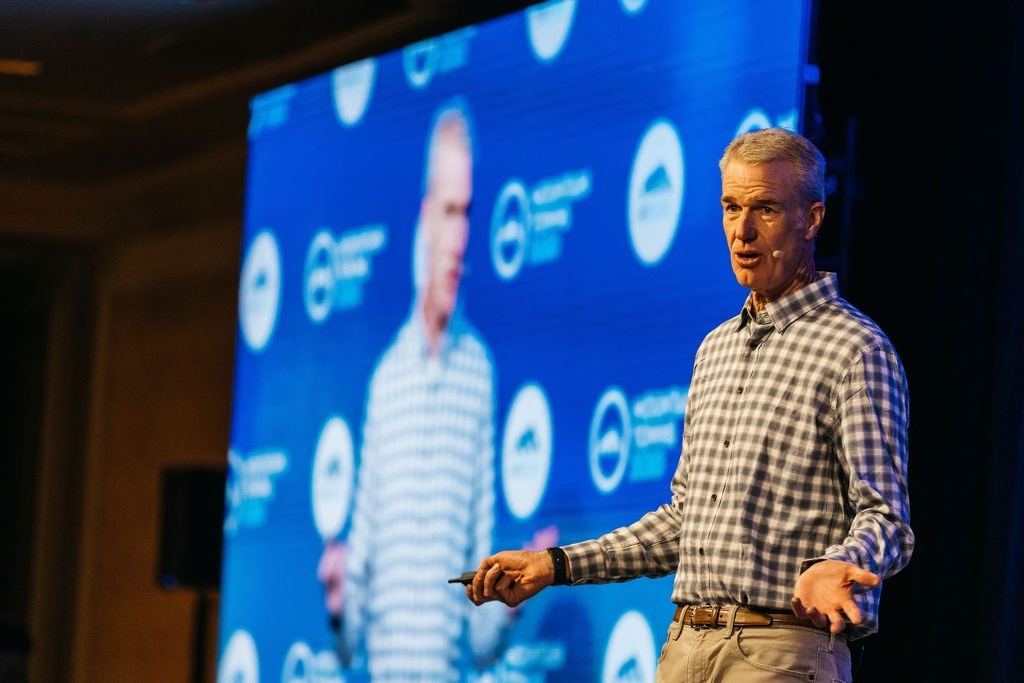
Keynote speaker Dr. Katharine K. Wilkinson addressed “Climate Wayfinding,” a framework she developed for personal and collective engagement with the climate crisis. Her message emphasized that healing the planet begins with tending to ourselves and our communities, through self-reflection and strengthening our connections with others. That self-reflection challenges us to consider our positions on climate and how we can devote ourselves to the common good in our communities in a positive way.
Not every mountain community attending the summit has the same timeline, goals or stakeholders. While we can learn from each other, it’s important to recognize that solutions are not one size fits all. With that in mind, Steinkamp said MT2030 hopes to expand its reach beyond the annual summit. “We want to do regional events and events in markets that might not be able to host a giant summit,” he said.
As a three-time attendee of the summit who works at Mid-Atlantic resorts, that goal resonates. There is immense value in a large summit, but MT2030 recognizes that even more meaningful conversations can happen at the local and community levels. I look forward to seeing what breakout and local discussions can develop through regional collaborations.
The summit was another uplifting moment for mountain communities. While climate discussions can tend toward doom and gloom, this group is actively working to solve problems and re-energize initiatives that help us reach collective goals.
The next summit will be held in Aspen, Colo., in 2027. And with 2030 fast approaching, even the organization’s name may eventually need revisiting. “In 2019, when we came up with the summit name, 2030 seemed far away,” Steinkamp said. “We have got to start thinking about that.”
The name aside, the summit offered constructive real-world examples, opportunities to network with peers experiencing the same challenges, and positive messaging about why we work in the sustainability space. It was a valuable couple of days, and I look forward to many more to come.