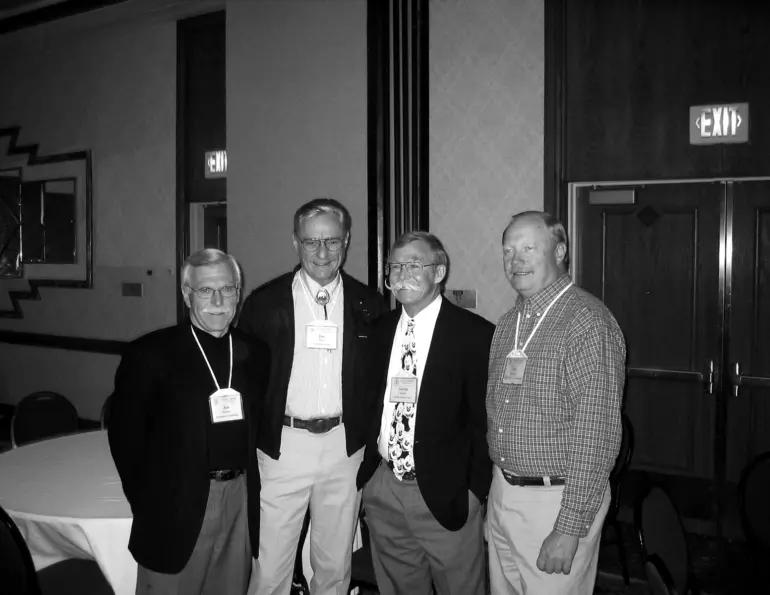
About 65 persons attended the ninth symposium of the International Organization for Transportation by Rope, North American Continental Section (OITAF-NACS for short) at Vail Sept. 17-20. The presentations covered a broad range, from cutting-edge people-moving systems in Portland, Ore., and Medellin, Columbia, to lifts with angled alignments and a comparison of the benefits of seven-strand v. six-strand haul ropes.
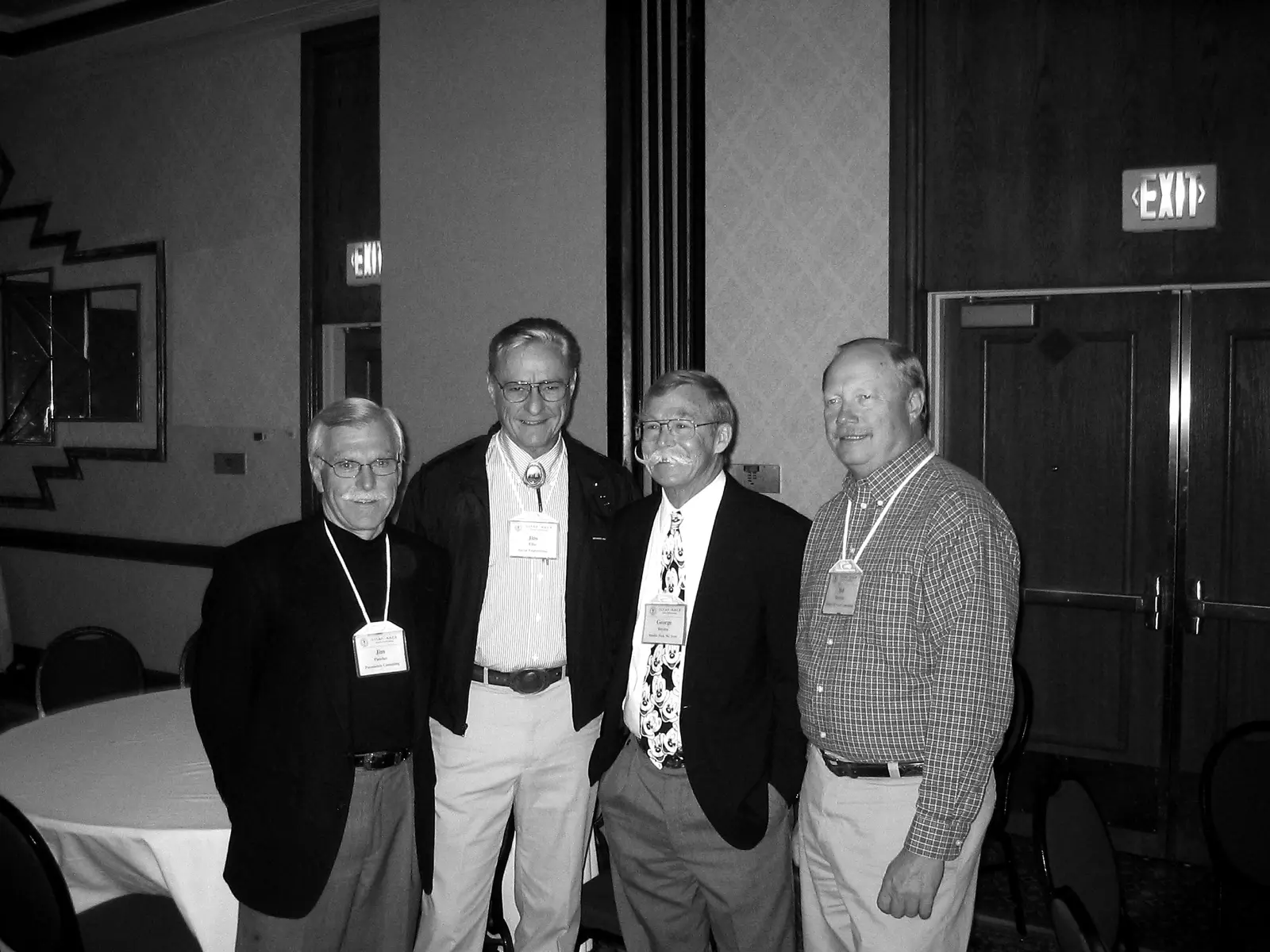
One of the great values of OITAF-NACS is the range of transportation solutions it showcases. These include the new 4,000-foot-long Poma/Otis automatic people mover in the Detroit Midfield airport terminal, two rope-driven trains that ride on a cushion of air, as well as the massive Medellin project, which provides an urban mass-transit link. The Marquam Hill-Oregon State University project in Portland similarly connects the university to 120 acres of underutilized industrial property 3/4 of a mile away and is another imaginative use of ropeways. Joe Gmuender described how this aerial tram has solved a variety of problems posed by the effort to bridge the two sites.
But there were practical sessions as well, such as Jim Ellis’ discussion of the dynamics of braking (and the need to be aware of how these dynamics affect braking procedures on different configurations of top and bottom -drive and –tension installations). George Kopanakis of Rope & Ropeway Consulting described the requirements of rope lubrication and how these needs are heightened by the increased operational stresses and load cycle numbers of high-speed lifts. Doppelmayr/CTEC president Jan Leonard described three instances in which U.S. resorts have installed lifts with bends in the alignment to literally get around alignment problems. And Stephanie Woodbury of PowerQC led a lively session on lightning protection.
Beyond the indoor sessions, attendees toured the more unusual lifts at Breckenridge, of which there are several. The Peak 8 SuperConnect, for example, is an express lift with a midstation and an eight-degree bend in the line. Essentially, this is two separate lifts, joined by the midstation terminal, which transfers chairs between the two lines. People had the opportunity to observe the functioning of the terminal from the mechanical room. The same view was available for the Quicksilver, a detachable six-pack with two loading ramps. This allows easy loading of 3,200 passengers an hour on what may be the busiest lift in the U.S. Last but not least was the Snowflake chair, a Poma fixed-grip double that has a 35-degree bend in the line (due to the design of the chair hangers, the downside line makes a 325-degree turn that requires two separate bullwheels). Attendees also toured the Vail Gondola.
The only thing that was missing, according to several attendees, was a bigger audience. Some expressed frustration that there were not more younger engineers and lift supervisors. And almost everyone mentioned the importance of passing knowledge and experience from the older generation of engineers to those who will succeed them. “Maybe we need to promote it more at ANSI meetings and at the trade shows,” says OITAF-NACS president Chris Hanrahan. “We need to make the Symposium more visible.” This will surely be a topic OITAF will address for the future.