

Early in the 1974-75 ski season, a detachable grip gondola cabin rolled bakward out of the upper terminal at the time of detachment from the haul rope during routine operation. The cabin collided with the following cabin and, at impact, fell from the rope to the ground. Fortunately, no one was in the cabin that fell, and there were no injuries to other passengers.
Immediately following the accident, the NSAA Engineer, also performing an inspection for the State, visited the area to determine the cause of the accident — an investigation which revealed that the safety device at the upper terminal “might not work in a particular set of circumstances.”
The NSAA Engineer contacted David Fleming, the technical administrator of the NSAA Engineer Program, at his office in Denver and outlined the circumstances surrounding this accident. Fleming and the engineer agreed that this situation could occur on other similar type installations. Fleming transmitted the key data to the computer data bank. Within 45 minutes he had received a complete listing of similar installations across the country insured under the provisions of the NSAA Insurance Plan. Owners of those lifts were contacted by NSAA Engineers, advised of the potential problem, and given a suggested course of action.
Unique situation? No, says Barringer and Williams, Inc., the administrators of the NSAA Insurance and Engineering Plan. They confirm that this past summer alone, three different potential engineering problems or deficiencies were pinpointed involving 40 lifts at 27 different ski areas. These areas were immediately notified of the potential problem and the suggested action.
For years, lift engineers, manufacturers, regulatory agencies, insurance companies and area operators have expressed frustration over the industry’s inability to notify ski area operators of a potential problem on a particular type of lift following the disclosure of such a problem on a similar installation. Following two nearly identical lift accidents in 1973, B&W was able to convince the American Home Assurance Company, Underwriter of the NSAA Insurance Plan, of the desirability of creating a computer program and data bank designed to both prevent accidents and to assist in the defense of law suits involving uphill facilities.
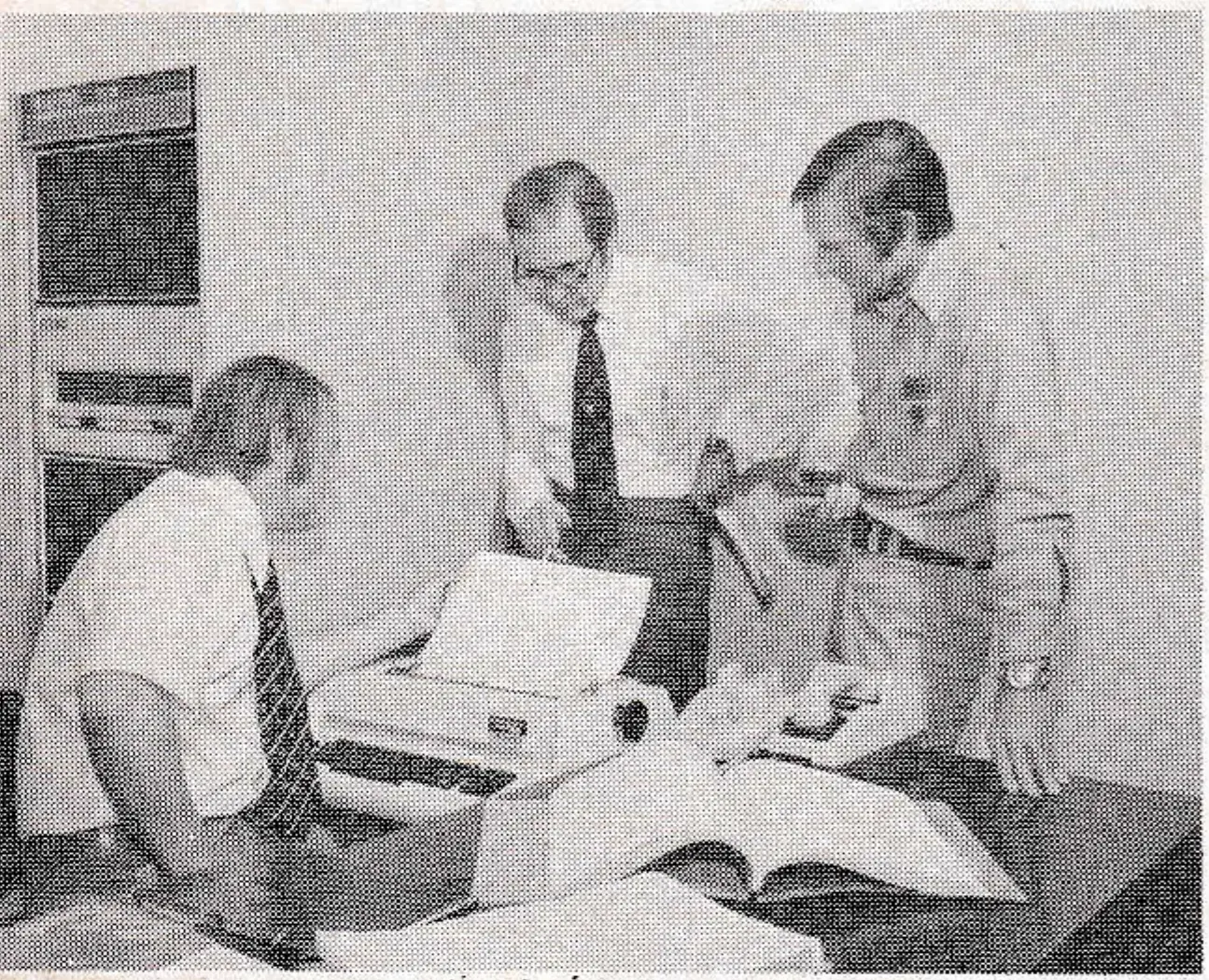
Bob Kinney, then the technical administrator of the NSAA Engineering Plan and a highly regarded independent lift engineer, undertook the task of establishing a “memory bank computer program” to be used in conjunction with the NSAA Insurance and Engineering Plan.
What seemed like endless research was involved in creating a workable and economically feasible program and data bank wherein could be stored pertinent information collected for large numbers of ski lifts. With such a program and data bank, it would be possible to produce, in a very short period of time, a complete listing of these lifts having the same engineering factors as involved in the particular set of circumstances.

It was determined that the cataloging of 34 specific pieces of separate data for each lift — data readily available following a standard engineering survey under the provisions of the ANSI Standards — there would be sufficient material to search and create a meaningful inventory.
Early in the 1973-74 ski season, following Bob Kinney’s death, Dave Fleming assumed the responsibility for the technical aspects of the NSAA Engineering Program together with the implementation of the “memory bank computer program” which Kinney had just finished creating. To maintain continuity, the program was kept on the same computer system as before, but accessible through a remote terminal in Fleming’s office in Denver.
With a complete computer program now available, the known basic engineering data on each lift in the NSAA Insurance Program was entered. Throughout the 1974-75 season, the NSAA Engineers verified this information as a routine part of their annual survey. Today, data on some 2100 ski lifts are presently stored in the data bank.
Whereas the memory bank cannot actually foretell an accident, it does represent a check and balance system which can seek out suspicious engineering problems. Its worth has already been established and steps are already being explored to further refine and expand this accident prevention tool.