
At Four Lakes ski area in Lisle, Ill., half an hour’s drive from downtown Chicago, many students take ski classes for credit. They attend one of 35 high schools, four colleges and three universities in the Chicago area that have added skiing to their curriculums with the help of Four Lakes Management Co.
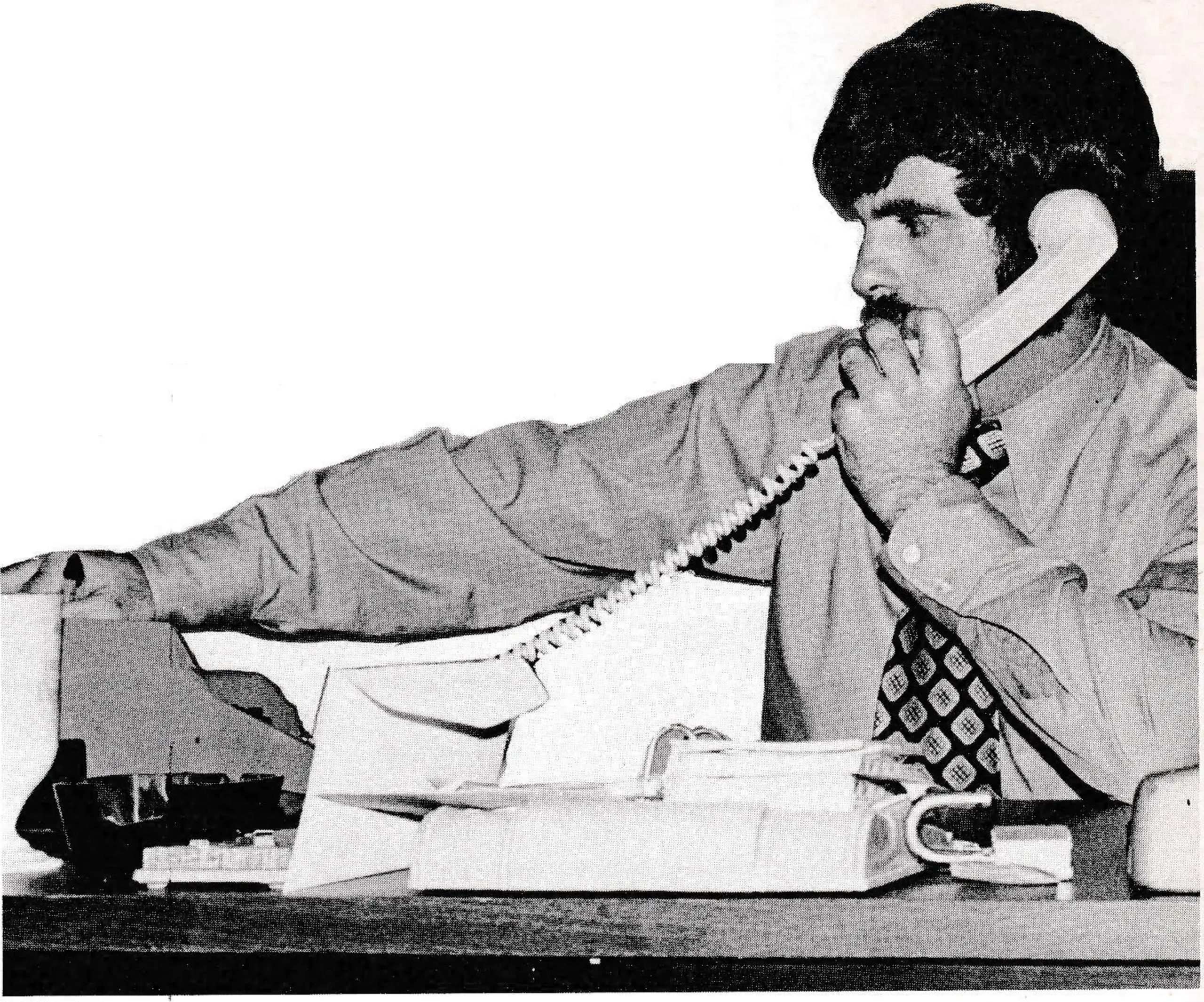
Director of Skiing Hans Behr says about 40 per cent of Four Lakes’ group bookings are gleaned from area schools. Formerly a ski and soccer instructor at the University of Vienna, Behr has developed an effective sales program especially suited to educational institutions.
Behr contacts a school’s director of physical education, the head of the athletic department, or, in some cases, the director of student activities by phone or by mail. His mailings consist of a covering letter, course description, brief questionnaire and rate sheet. If the prospect seems interested, Behr sets up a personal interview, which gives Behr an opportunity to describe the program in greater detail, answer questions, and explain how the program can be tailored to the school’s needs.
Behr stresses the need for consistent follow up, pointing out that it frequently takes a year to get a program approved. Once the physical education director is sold, he must write a course description and present it to at least one curriculum council, sometimes two depending on the size of the institution. The course may also require state approval if the program will be subsidized with state funds. On the high school level, a curriculum addition requires approval by both principal and school board.
Behr maintains continuing contact with a school after making his initial sales contact, checking back by phone about every other month. When the program is finally approved, Behr works directly with the physical education director to organize and promote the program, providing course descriptions for the school catalog, conducting pre-registration orientation sessions to increase enrollment and preparing ads, and articles for campus newspapers.
Most credit classes are for beginners. A typical program might include a one-, two- or three-hour classroom orientation session during which students learn about appropriate ski clothing and equipment, safety, and teaching methods. The orientation session is followed by five to ten one-hour lessons on the slopes, each followed by four or more hours of free skiing practice. The term winds up with a skills test on the slopes, a final one-hour theory class, and a written multiple choice exam to test the student’s knowledge of basic skiing techniques.
A five-session program at Four Lakes costs $35 per student. The package includes equipment rental and breakage insurance; five one-hour ski lessons and free use of the lifts and slopes for practice.

Working with schools requires a slightly different approach than dealing with clubs or business groups. You must be willing to tailor classes to individual needs — class schedules, credit requirements, and billing procedures. At Four Lakes no two credit programs are exactly alike. For example, students from Illinois Benedictine College in Lisle ski 11⁄2 hours in the afternoon, then return in the evening for their additional hours of practice. At College of DuPage in Glen Ellyn, students meet once a week and the school pays for everything except equipment rental. Students from the University of Illinois Circle Campus in Chicago meet twice weekly for five weeks for two quarter hours of credit and are billed directly since skiing is an extra-fee course. Students at Westmont High School in the suburb of Westmont, enrolled in a special mini program as part of a Winter Outdoor Education course, ski from 11:30 a.m. to 4 p.m. daily for one week for two hours credit.
In addition, having an organized operation takes on added significance with students because they’re on a class schedule. “Everything — the rental department, the ski school and the food service — must be set up to operate at peak efficiency,” Behr says.
Reaping the Rewards
Developing the school market can be very rewarding. “Students are nice to work with,” Behr says. “They try harder and respond better than the average group because they’re taking the class for credit.”
And, as with all classes, credit courses can be an excellent method of generating future business. In this case, however, you’re not just producing one generation of skiers for the market. In many cases these students are physical education majors who, as physical education instructors or athletic directors at high schools, colleges, universities, park districts, and Y’s, will be in a position to introduce several upcoming generations to the joys of skiing.
But, above all, by their very nature, educational institutions can be a consistently profitable market . . . pre-organized, set up for teaching, and providing a never-ending array of fresh prospects, they provide the enterprising ski area manager with an ideal forum for group sales.