
“Ski areas are being stopped, they’re being slowed down everywhere. The problems of environmental constraint are by no means limited to the East.”—Frank Snyder, president, National Ski Areas Association.
“Downhill skiers are looking for something else to do when lift lines crowd up. Cross-country skiing is one answer.”—Emery Woodall, ski shop owner, South Londonderry, Vt.
“Snowmobiling does not compete with skiing. It can generate income during periods when weather conditions preclude skiing and increases your return during non-income producing hours.”—Robert McCready, Rodco Distributors, Randolph, Vt.
More than 80 ski area operators, ski retailers, marketing specialists and ski writers attended the New England Council’s 1971 Winter Sports Conference at the Yankee Drummer Motor Inn in Auburn, Mass., this fall—and there was plenty to talk about. Snow reporting, public relations, environmental control, equipment discount plans, profit centers and new recreation opportunities were all discussed at the October 5-6 meeting, but the hot topic, a concern still aired whenever Eastern area operators get together, was how to market the New England ski area.
Promoting the East
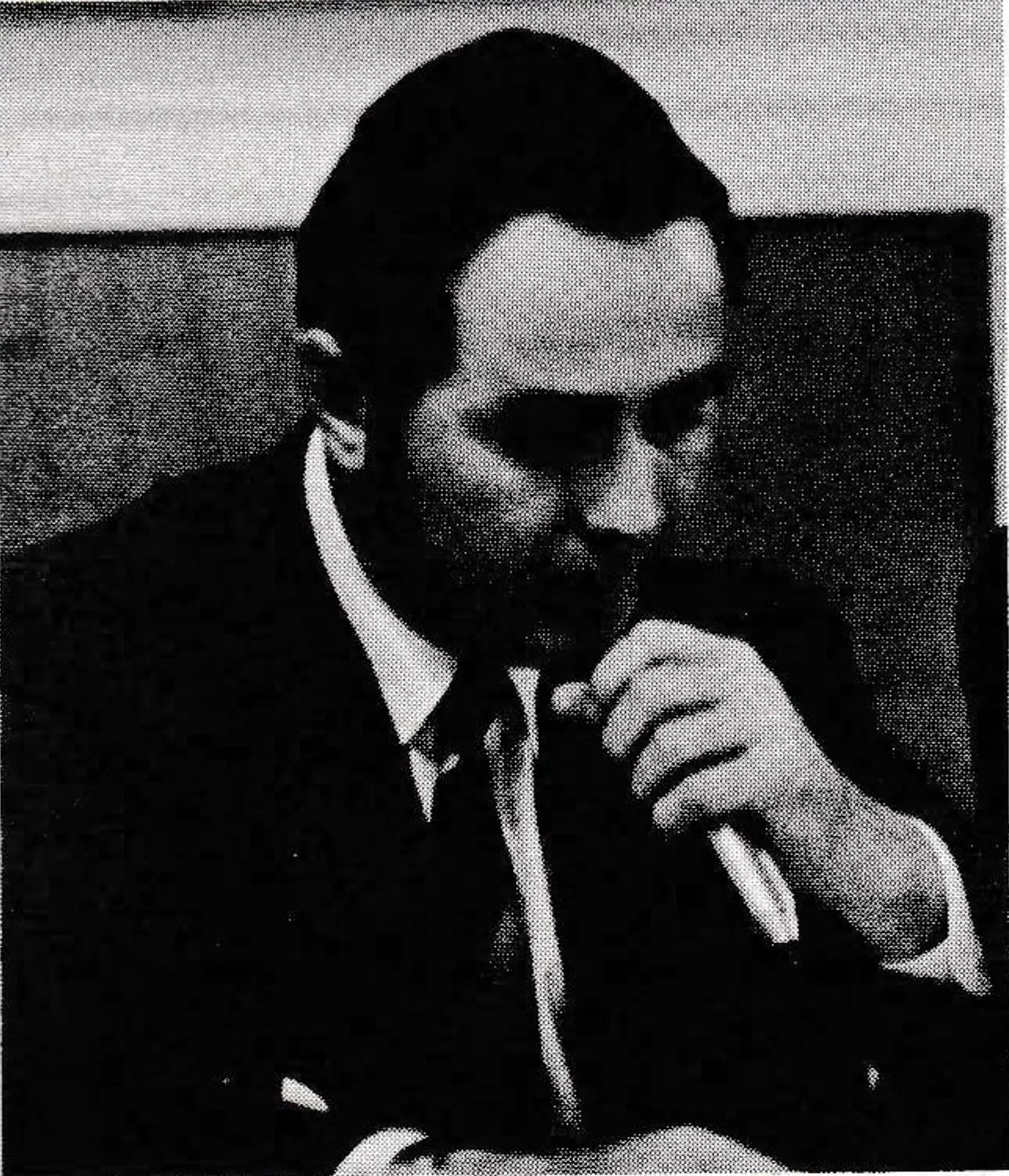
Foster Chandler, director of marketing at Killington, Vt., spoke of the inroads being made into the Eastern skier market by areas in the west and in Europe.
“New England is losing its fair share of the mid-week vacation market,” he said, “and this trend will accelerate in the future as a result of lower air fares.”
Singling out Ski the Rockies (see “Pied Piper of the Promo Set,” October SAM) as an example of high-powered regional promotion, Chandler said that the ten-area group has been highly successful in establishing tie-ins with airlines, car rental companies and tour operators. Problems in the East, Chandler said, evolve from the fact that New England areas simply don’t know how to market mid-week skiing, and this, he maintained, is the key to the East’s survival in the ski business. “The history of Eastern skiing,” he said, “has been based on weekend business, with the area relying on ever-changing, unreliable snow conditions. Our product should be a ski vacation—five, seven, nine and 11-day packages, like those being marketed in the West and in Europe.”
Area packaging
Solutions? The area has to package all its services, Chandler said, including lodging, meals, lessons, lifts, equipment and transportation. Secondly, the area’s packages should be taken to the airlines, car rental agencies and tour operators and combined with their air and ground packages to make up a “total” package for the customer. Finally, the package has to be commissionable. “Heretofore,” Chandler said, “we haven’t provided incentives to travel agents or tour operators to promote New England skiing.”
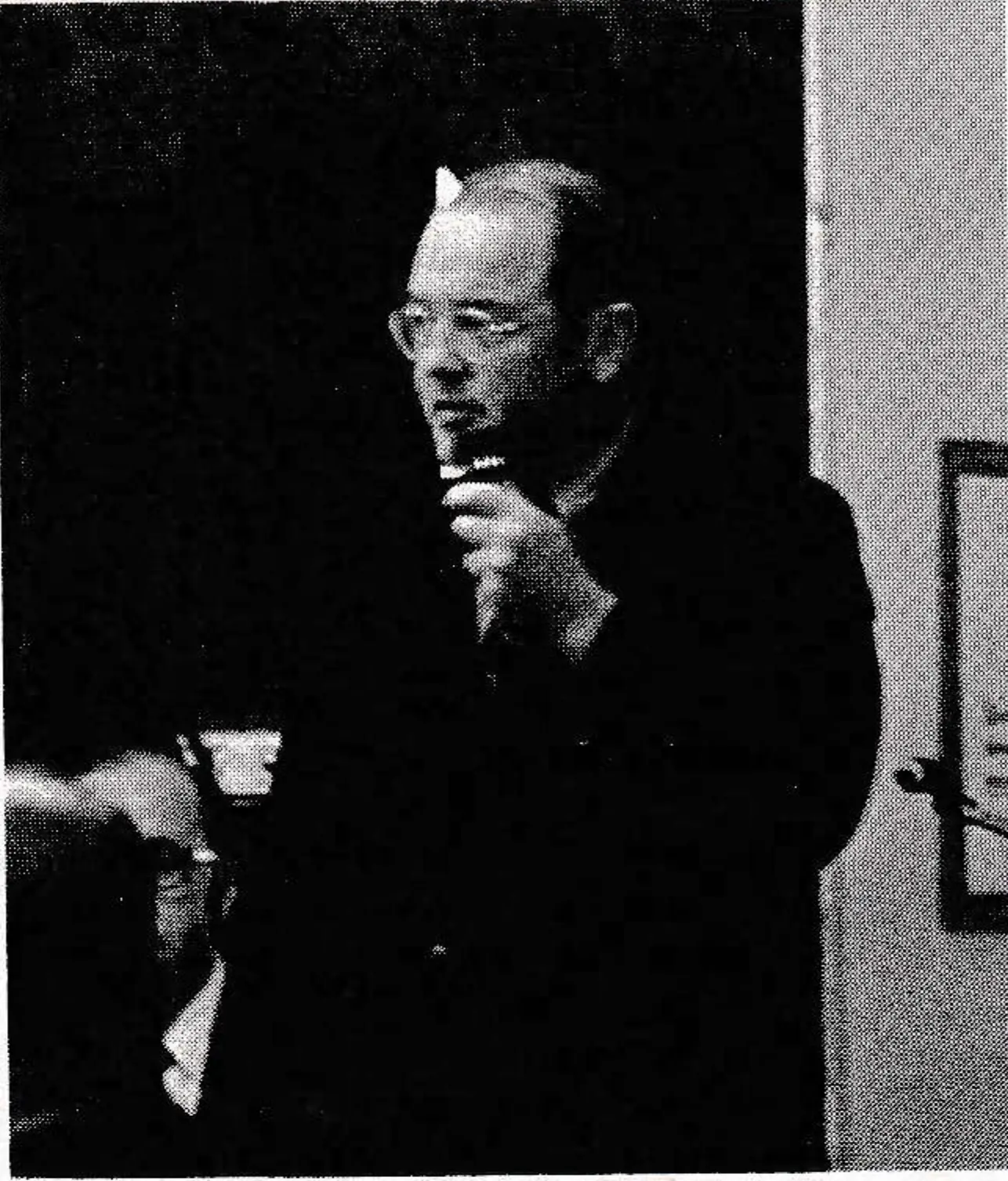
At a later session, during a profit-opportunities seminar led by SAM marketing columnist Phil Camp, Normand Dugas, sales director of the Dunfey hotel chain, echoed Chandler. “We’ve failed to develop the total resort concept in New England that you find in the West and in Europe” he said. “It isn’t price alone that’s taking our people away from us. We have to provide other entertainments, other facilities if we’re to draw the customers. What’s the skier to do, for example, when it rains? You’ve got to find something else for him to do.”
Snowmobiling profits
One answer to the “something else” question was provided by Bob McCready, president of Rodco Distributors, a snowmobile manufacturing firm in Randolf, Vt. Speaking at a panel discussion on “New Opportunities for More Dollars from Winter Recreation” chaired by Mt. Snow general manager John Christie, McCready pointed out the added-income potential in a snowmobile rental program. Based on the results of a prototype rental operation conducted last winter at Mt. Snow, McCready said snowmobiling provides an activity for an area’s non-skiing guests and is a strong drawing card in attracting new non-skier business. He added that snowmobile rentals also guarantee maximum use of facilities during those hours when lifts are not running.
Mt. Snow’s snowmobile operation, consisting of 25 low-horsepower four-cycle machines, a network of trails. and an open field for driver instruction, is headed up by a manager, an assistant, three trail guides and a mechanic. Pointing to the need for a sizeable, knowledgeable staff, McCready added, “You can’t turn people loose even on low-horsepower machines. Many rental operations have failed because of lack of supervision.”

Cross-country programs
On a more traditional note, Emery Woodall, a former cross-country competitor and owner of the Crackerbarrel, a ski shop near South Londonderry, Vt., spoke on the advantages to an area of offering cross country skiing. Pointing to the phenomenal growth of the sport in recent years and its modest cost, Woodall said ski areas can capitalize on cross country skiing as a means of utilizing forested acreage not suited to downhill skiing.
After outlining methods of laying out cross country trails, Woodall turned to instruction. “One key instructor hired to head a touring program,” he said, “can train an assistant well enough to establish a ski school. And herein lies still another new income opportunity for the area.”
Environmental control
Another subject high on the agenda was “State Government and the Ski Business,” a panel talk that took place during the Eastern Ski Area Operators’ portion of the meeting. This time discussion turned to the impact of environmental control. After opening remarks by NSAA chief Frank Snyder and executive director Dick Garis on recent environmental developments, representatives from each of the New England states, New York and Pennsylvania gave a wrap-up of ski area legislation in their states.
One operator with probably more battle scars in this area than most is Harvey Clifford, president of Vermont’s Stratton Mountain, an area whose expansion has come under frequent conservationist fire since the state’s environmental control bill was enacted last year.
“Whether we want to or not,” said Clifford, “we have to get involved. We applied for permission to build two lifts last spring, for example. The district environmental board, claiming the area’s sewage facilities could not support increased skiers, said no. After a series of lengthy hearings, we finally got the permit to build, but with some tough conditions attached.”
“Let there be no doubt about it,” Clifford added, “environmental control will soon be affecting all of us. If it hasn’t yet reached your state, it soon will.”
Norton awarded Silver Bowl
The New England Council’s Silver Bowl, presented annually for outstanding contributions in the promotion of New England’s winter sports, this year went to Bill Norton, manager of New Hampshire’s Franconia State Park and Cannon Mountain ski area.
Norton, secretary of the Eastern Ski Area Operators Association for the past 13 years, is a director of the National Ski Areas Association and secretary of the New Hampshire Ski Area Operators Association.