


Unscheduled ski lift downtime during the 1977-78 ski season had become a real concern at Snowshoe in West Virginia, and was a frequent topic of management discussion the Spring of 1978. During this season considerable expense was incurred and many long, through-the-night hours had been spent on equipment repair. The mechanic in charge of lift maintenance and repair was extremely capable and responsible, and had worked at Snowshoe since the lifts were installed. The efforts of this excellent mechanic had failed to stem the increase in downtime and we were faced with what appeared to be an unsolvable problem.
Through a chance meeting in our Real Estate office with Norm Harper, President of MTAP Corporation, a review of the ski lift performance and our maintenance practices was arranged. This review was to determine if some testing and maintenance analysis could be performed which would identify impending problems in time to prevent their occurrence from shutting the lift down. Norm had extensive experience in development of maintenance, testing and machinery condition analysis programs for hydraulic, mechanical and electrical systems aboard the U.S. Navy’s nuclear submarine fleet. This background gave him a strong appreciation of the problems of operating machinery in a hostile environment. As a result of this review, Snowshoe contracted with MTAP for the development of a systematic maintenance plan which would utilize MTAP’s machinery experience as well as meet all lift testing and maintenance requirements. We anticipated an increase in lift reliability would evolve from this effort.
Downtime Reduced
Use of the maintenance plan was started in the Fall of 1978 and the figures speak for themselves. During the 1978-79 season there was a 70% reduction in downtime compared to the 1977-78 season. The 1979-1980 season, during which Snowshoe skied 205,000 skiers as compared to 130,000 skiers the previous year, showed a 40% drop in downtime over the previous season. These decreases are primarily attributable to the MTAP Maintenance Plan, its development process, the attention it focused on the importance of systematic maintenance, and the conscientious attention paid to it by Snowshoe maintenance personnel. This was particularly evident in the electrical DC drive and control equipment, where scheduled inspections cleaning and testing significantly improved performance and reduced downtime.
At the end of the 1978-79 ski season our Ski Lift Supervisor resigned. This was when the maintenance plan used successfully during the previous season provided an unexpected benefit. The plan enabled us to prepare for the upcoming season with the confidence of knowing we were meeting all maintenance and test requirements necessary to ensure reliable operation of our lifts. MTAP’s maintenance and test procedures were written in sufficient detail so that I did not have to get deeply involved and could focus my attention on other areas of our operation. We also promoted Dave Beckner, a young lift maintenance electrician who had been with us for two years, into the Lift Supervisor position. Since then, Dave has done an excellent job and readily admits that his job is much easier because of the detail included in the maintenance plan and information he learned during its development. The latter point was one of the fringe benefits of the maintenance plan development.
Informal Training
Informal training came about because of the way MTAP approached the determination of maintenance requirements and needs. Our personnel learned a great deal about the art or science of maintenance during the discussions with MTAP personnel while the plan was being developed. Norm Harper and Jim Danahy of MTAP spent several days on our mountain reviewing lift operating history and problems. This included long discussions of past problems, and how they could best be prevented, with our Lift Supervisor and his personnel. The MTAP approach was one of getting down to basics and finding the least complicated way of achieving the best results with the minimum investment of equipment and man-hours. The end result was a maintenance plan which our Lift Supervisor and his assistants understood, felt that they had participated in developing, and to which they were willing to give whole-hearted support. The plan was tailored to our specific equipment and took into account the peculiarities of that equipment. When the plan was completed, MTAP spent another day on the mountain explaining how the plan was to be used and discussing individual maintenance actions with our personnel. This step ensured we were getting what we paid for and understood its use.
Maintenance Requirement Sources
In developing the maintenance plan, MTAP engineers reviewed our available equipment records, design drawings, equipment manufacturer’s literature, and the requirements of the American National Standards Institute (ANSI) and our insurance company. We were meeting most of the requirements in one fashion or another, but records of maintenance and test methods and accomplishment dates were incomplete. In some cases it appeared that a requirement might not have been performed correctly since our personnel were not sure how to meet it. The Lift Supervisor was often the only person who knew how to perform a particular maintenance action and all maintenance was scheduled from his memory. He was a very conscientious individual who knew the value of proper maintenance and was concerned about missing some important maintenance. But, like most people, he hated paperwork. Records which were maintained were inadequate for analysis. Most knowledge of problem background and events surrounding a particular incident resided in the heads of one or two of our personnel. MTAP personnel indicated that their discussions with our personnel disclosed an intense interest in how they could do their jobs better, which we attributed partly to our practice of making our lift operators responsible for maintenance. Our maintenance plan, which was kept as uncomplicated as possible, still is detailed enough to cover all equipment critical to the safe and reliable operation of the lifts. All existing ANSI, insurance, and manufacturers’ requirements are incorporated along with a number of MTAP inputs for improving equipment reliability.
Plan Details
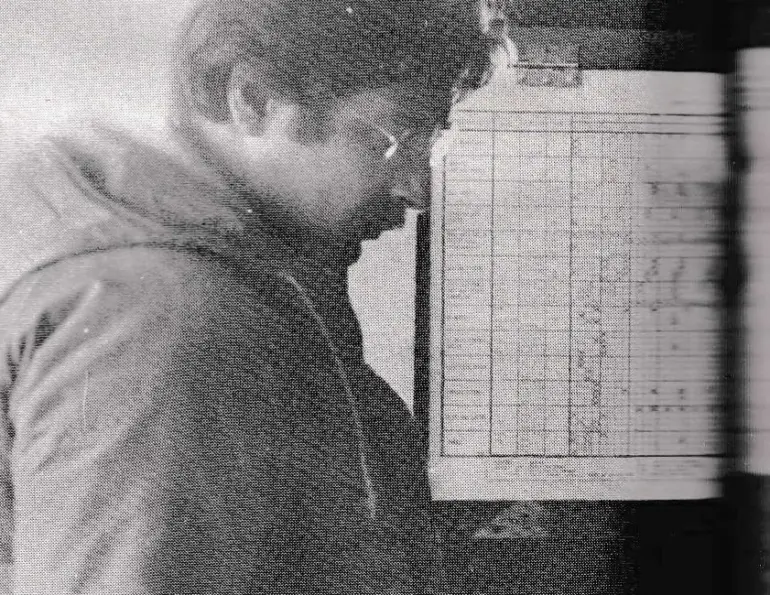
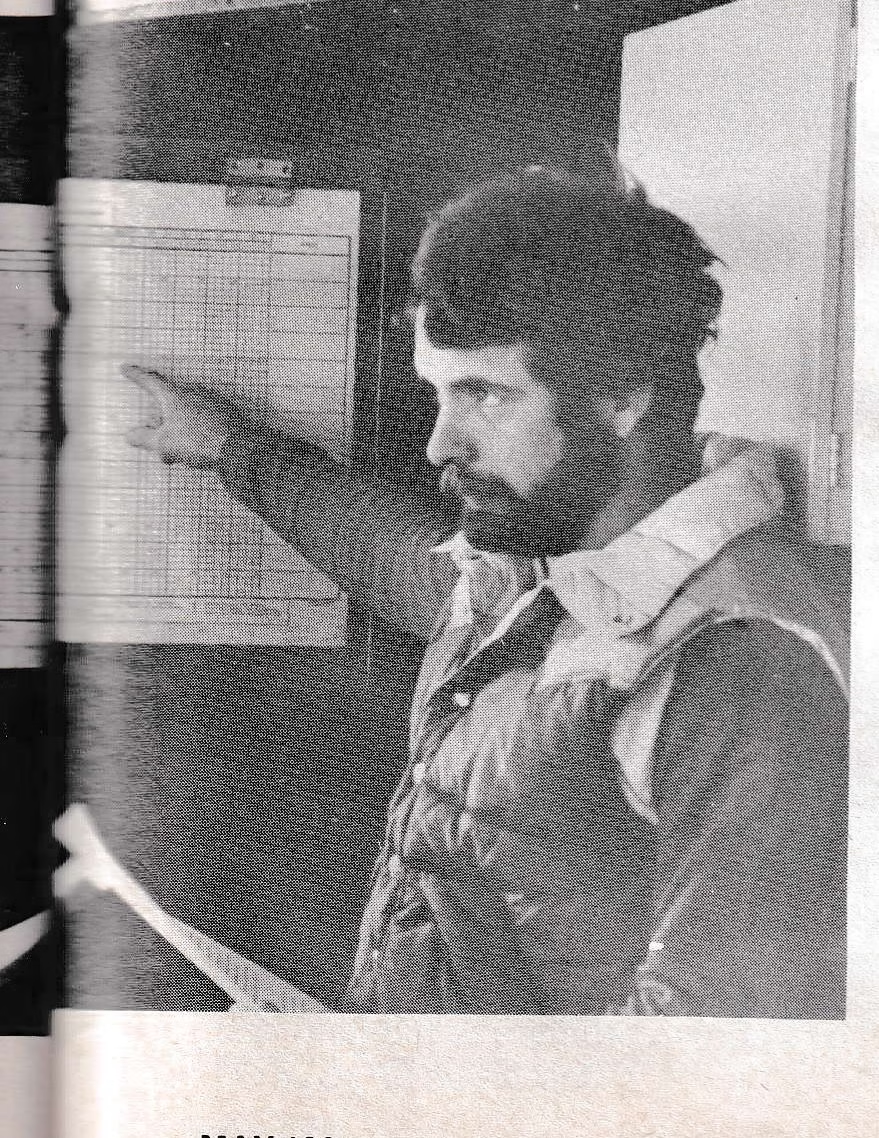
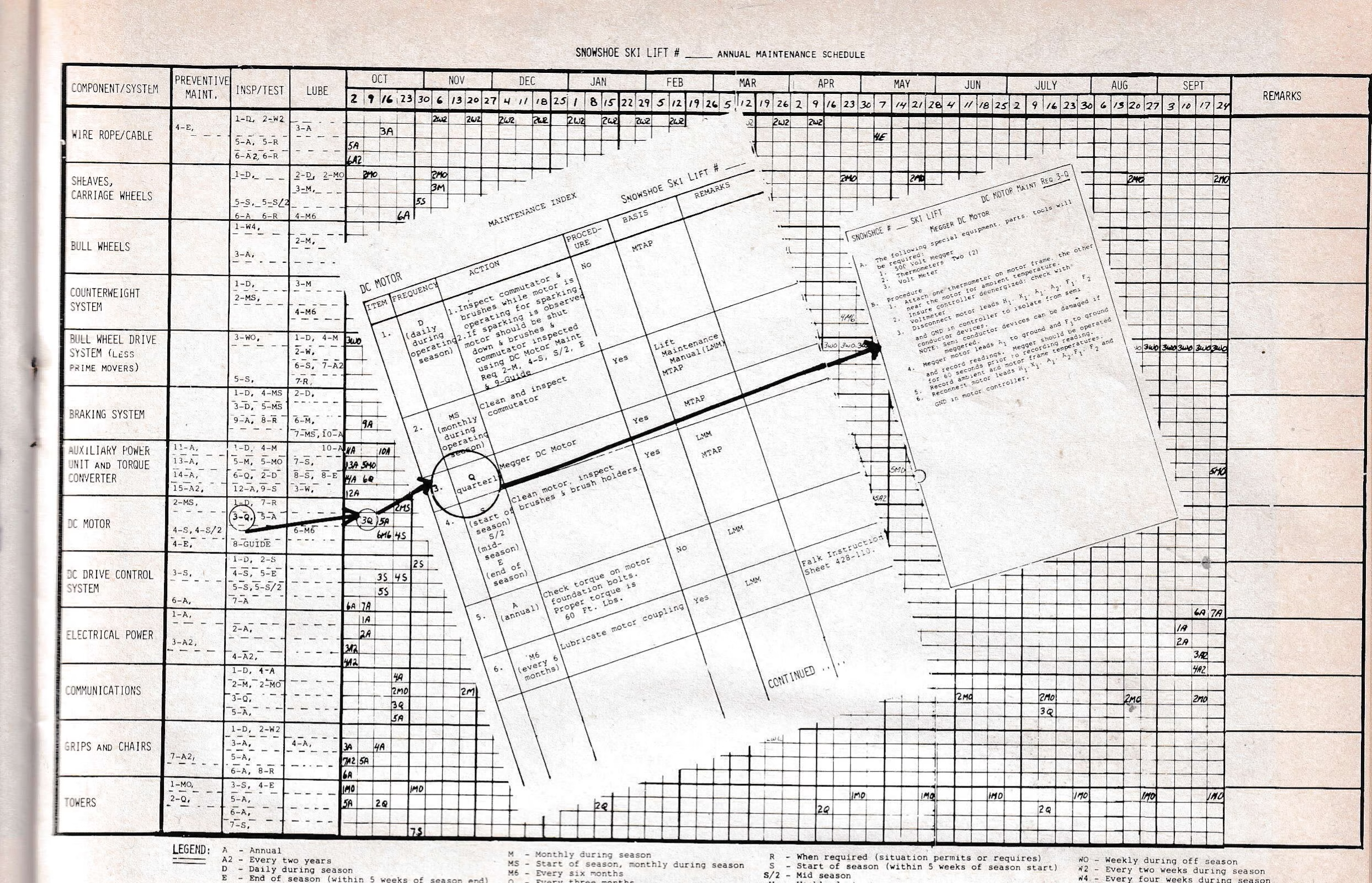
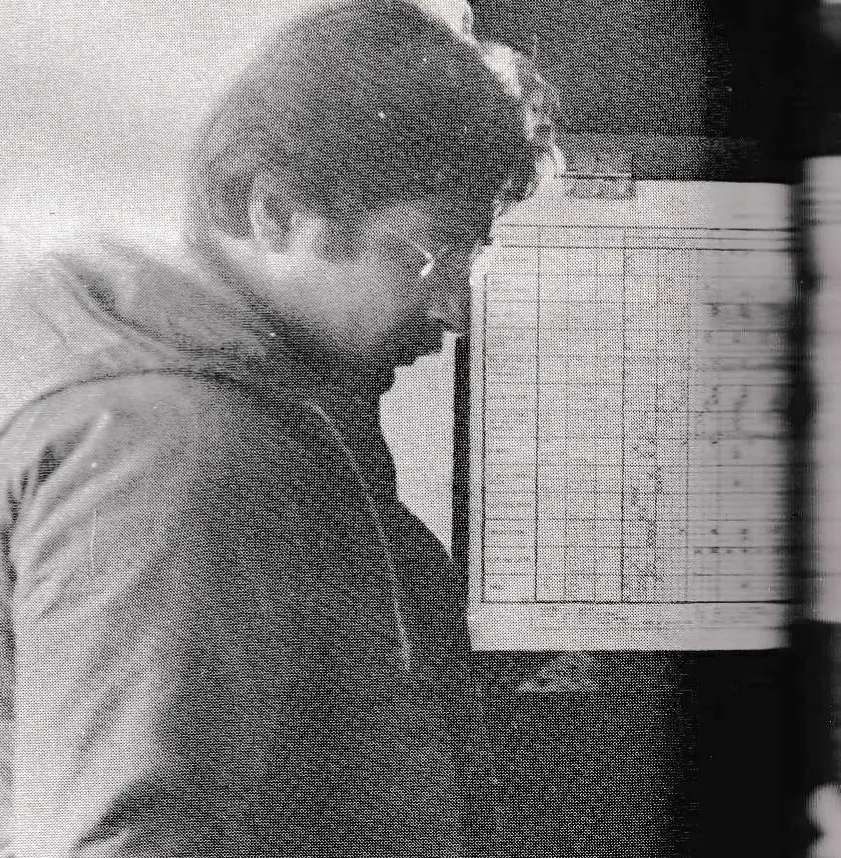
The plan consists of three basic parts. Part one is a maintenance schedule for the entire year. This schedule lists, by week, all our maintenance and testing required for the year and is self-contained on a single 16×25 inch sheet posted in the Lift Operator’s building. In developing Continiied nn nano 1N41 the schedule, conditions existing during a particular period of the year were considered as well as high workload periods. For example, monthly maintenance actions were not scheduled during major holiday periods, such as Christmas and New Years.
Part two of the plan contains Maintenance Indexes for the maintenance required on each subsystem. The indexes include all maintenance, no matter how simple or how complicated. The index indicates how frequently each action is to be performed and if a detailed procedure is available. The basis or source of the requirement is also indicated. Detailed procedures for maintenance and testing constitute the third part of the plan. Normally these procedures were developed whenever the degree of difficulty was such that some action or step in the maintenance could be forgotten, overlooked, or mistakes easily made during the performance of the task.
Procedures also contain warnings for our maintenance personnel whenever the possibility of injury to the individual performing the task could occur: e.g. electric shock, crushing a hand, getting clothing caught in machinery, etc.

Both the schedule and the indexes are broken down into subsystems as listed in ANSI B77.1; e.g., Wire Rope/Cable; Sheaves, Carriage Wheels; Bull Wheels, etc.
At the beginning of each week our Lift Supervisor reviews the maintenance schedule for that week and as far in advance as he deems necessary. By looking at the coded schedule for that week and referring to the Maintenance Index for that subsystem, say DC Motor, he can find what maintenance should be performed. The complexity of the task is indicated by whether or not a detailed procedure has been developed. For example, Item 3Q (Q for quarterly) on the Maintenance Schedule calls for “Megger DC Motor” and indicates a procedure has been developed. The supervisor can then pull the applicable procedure (printed on a 5×7 inch card so that it will fit into a back pocket), hand it to his electrician, and tell him to conduct the task. The procedure tells the electrician what equipment he needs, what isolation to perform, and what leads to disconnect, etc. After the maintenance is performed the electrician notes its accomplishment by marking out the requirement on the master schedule in the Lift Operator’s shack and by recording in the maintenance log that DC Motor MR 3Q was completed. In this case he would also record the megger readings for future reference and trending. If problems were encountered these would also be noted.
Summary
Our maintenance plan has increased ski lift reliability and reduced operating costs because we are better able to spot potential problems and plan their resolution. This has led to a significant decrease in emergency repair purchases which have an abnormally high delivery cost. The cost of the maintenance plan development has more than paid for itself in reduced operating costs and decreased downtime. It has provided us the assurance that we are meeting all maintenance and test requirements and most importantly, it has increased skier satisfaction with our operation.
About Norm Harper and MTAP
MTAP stands for Maintenance Through Analysis and Planning Corp., the corporate name for what Norman Harper does. The address is 14403 Marine Drive, Silver Spring, MD. 20904.
Harper is a full-time civilian employee of the Navy Department, where he is Head Engineer of the SSBN Submarine Maintenance Monitoring and Support Office. As such, he is responsible for maintaining, monitoring, measuring the performance of and analyzing all equipment aboard strategic missile submarines (less the nuclear reactor and missile systems).
He has also been afflicted with a life-long love of skiing and the mountain environment, and found the change of pace of his weekend and vacation-time work developing the ski lift maintenance plans and schedules for ski areas to be “almost a vacation.” He looks forward to his retirement in five years so that he can spend the ensuing five to ten years doing consulting in the ski industry.

