


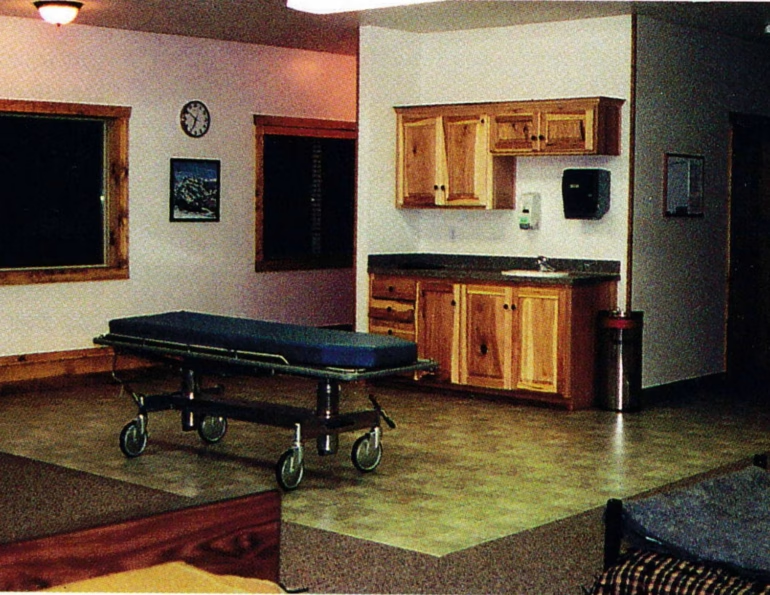
A little-known ski resort in Northern Utah recently opened one of the most up-to-date ski patrol facilities in North America. Owned and operated by the Seeholzer family since the first lift went up in 1939, Beaver Mountain—464 acres of terrain with 23 runs served by three lifts and an average of 60,000 skier days per year—is too far from Salt Lake City to draw the national and international visitors who crowd the better-known slopes of Deer Valley, Alta and Snowbird. Despite its small-town local clientele, Beaver Mountain now has a ski patrol facility that a much larger resort would envy, and it didn’t cost the resort a thing.
The Clyde and Barbara Campbell Ski Patrol Building was planned, funded and built entirely by the volunteer members of the Beaver Mountain Ski Patrol. Boasting a state-of-the-art first-aid facility with the ability to have computer links with the Logan Regional Hospital (once the hospital gets the technology), patrol locker and lounge space, plus a training center, the building is valued at over $200,000. At more than 3,600 square feet, the facility represents a big improvement over the 20-by-20 space that the patrol called home for the previous 50 years.
Ted Seeholzer, the son of Beaver Mountain’s founder and the current owner and manager of the resort, says the resort has never paid a patroller in all its 62-year history. When asked how he gets so many people to volunteer that there is a waiting list to become a member, Seeholzer explains, “We’ve been extremely fortunate in the leadership of the patrol. The membership reads like a who’s who of Cache Valley: department heads from Utah State University, doctors, lawyers and business owners.”
The 85 to 95 volunteers are responsible for patrolling the resort during its 100+ day season, including 82 nights of skiing. Each patroller must ski one day per week all season long, plus four nights a season and one additional weekday in January, February and March. Patrollers supply their own uniforms, initial stock of first aid gear, food and transportation. On top of all this, they built this new fabulous patrol center.
It started back in the summer of 1999. Newly-elected Patrol Director Dave Anderson asked area owner Seeholzer if the patrol could build a new facility. Anderson says he didn’t expect to get the go-ahead, but Seeholzer was all for it. The patrol had saved $36,000 from six years of ski-swap fundraisers. In the fall of 1999, the organization decided to use that as seed money for the new building.
The patrollers set out to raise an additional $103,000. That’s where Clyde and Barbara Campbell came in. Both of them had been members of the patrol for many years. Clyde was a rancher and Barbara is, in Seeholzer’s words, “Just as nice a grandma as you ever met.” At age 79, Clyde, still a patroller, had been diagnosed with cancer. He and Barbara decided to make the major donation that would get the project off the ground. Clyde died in May 2000, just a few weeks before construction began on the building that would bear his name.
Twenty-four other individual patrollers also came forward to donate $1,000 a piece. The members then turned to the community of Cache Valley residents and businesses where they raised thousands more and garnered many in-kind donations.
Anderson appointed Don Smellie, formerly the head of the instructional technology department at Utah State and a 23-year veteran of the patrol to head the construction committee. By the time they broke ground in June 2000, Smellie notes, the patrol had raised $90,000. He explains the advantages that the volunteer patrol brought to such a project: “We have about every occupation represented among the membership.” A lawyer donated his time to prepare contracts between the patrol and the resort; a general contractor worked for reduced fees; retired people and others helped pound nails.

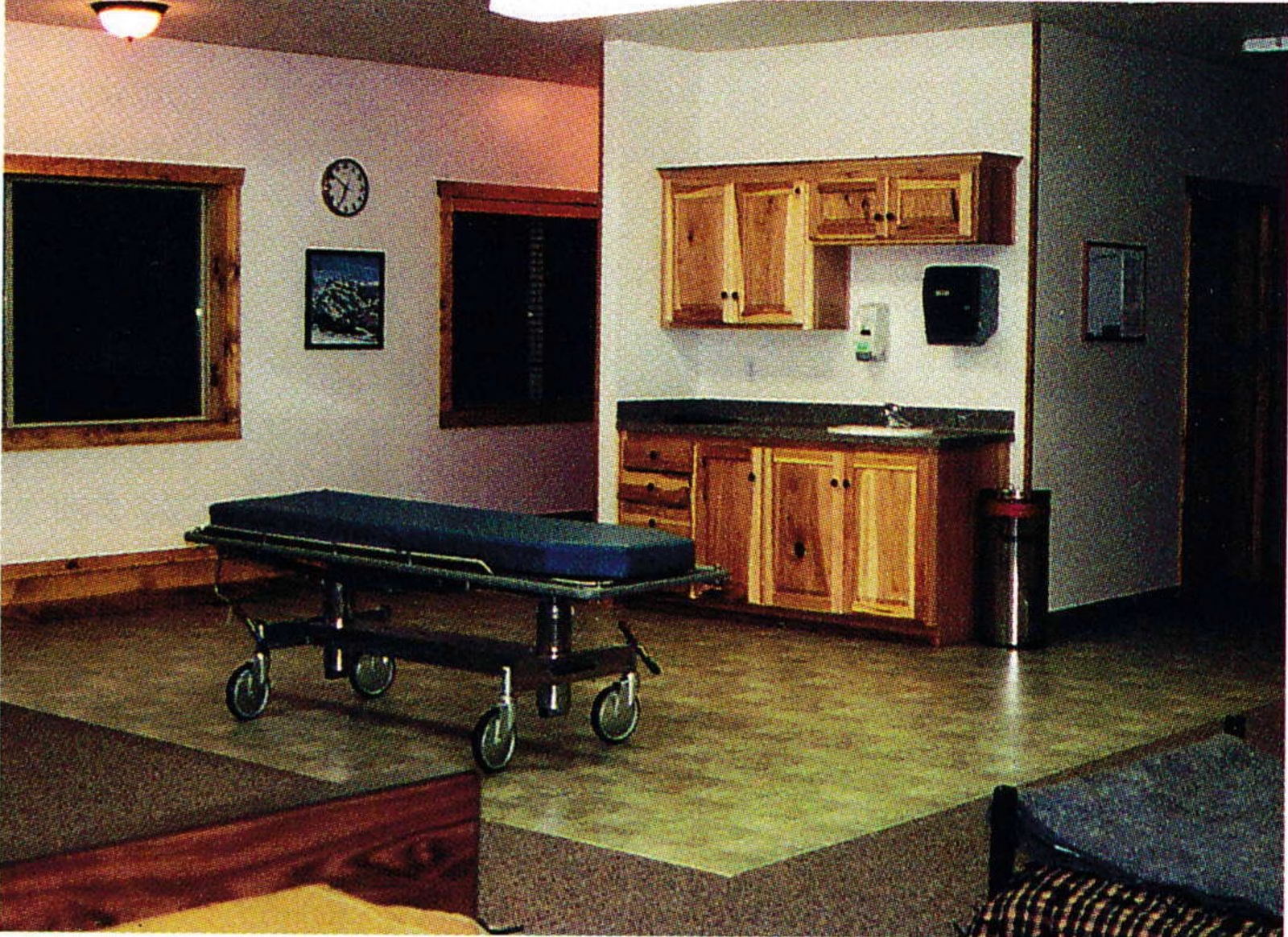
As the volunteer members of the ski patrol rallied around their cause, the local community followed their lead. A local doctor donated a $3,600 gurney; other people donated building materials and expertise. The building was completed six and a half months from the groundbreaking, paid for and ready for the 2000-2001 season. Clearly, Seeholzer isn’t kidding when he says that Don Smellie is “blasted efficient.”
Smellie is naturally enthusiastic about the beautiful new facility. He starts his verbal tour by entering on the lower level called the Patroller Ready Room. Here there are patrol lockers, a kitchenette, tables, a booting area and bathrooms, complete with a shower. One story up is the medical facility, on a level with the slope and served by a covered ambulance porch to make moving injured skiers easy. Three hospital beds, each equipped with oxygen, a waiting area for family members and an ADA-sized bathroom stand ready. Upstairs, an additional 738 square feet are used for a training center and meeting room. The building boasts a total of 3,642 square feet and four bathrooms: all this for a patrol whose previous facility didn’t even have one restroom.
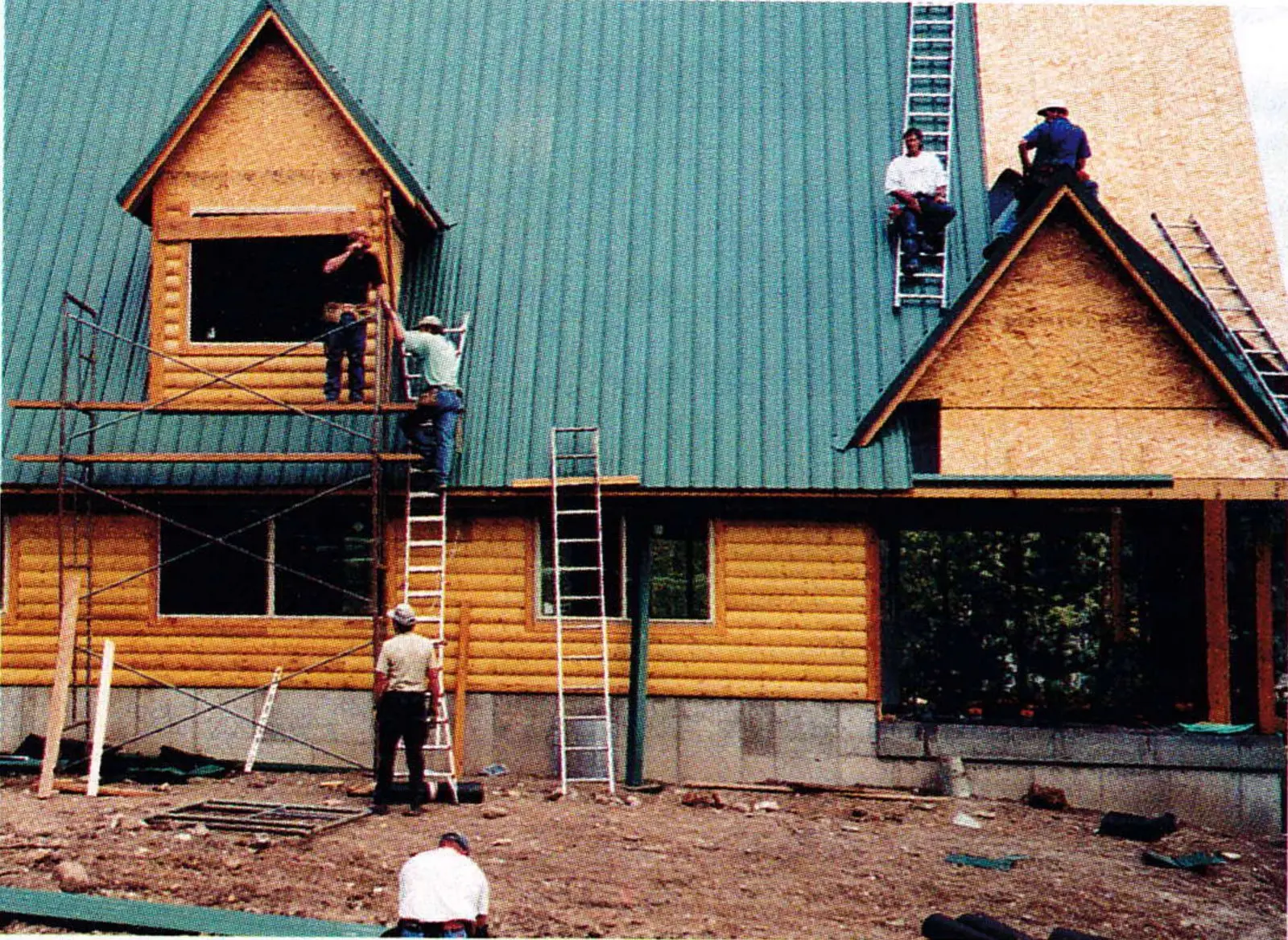
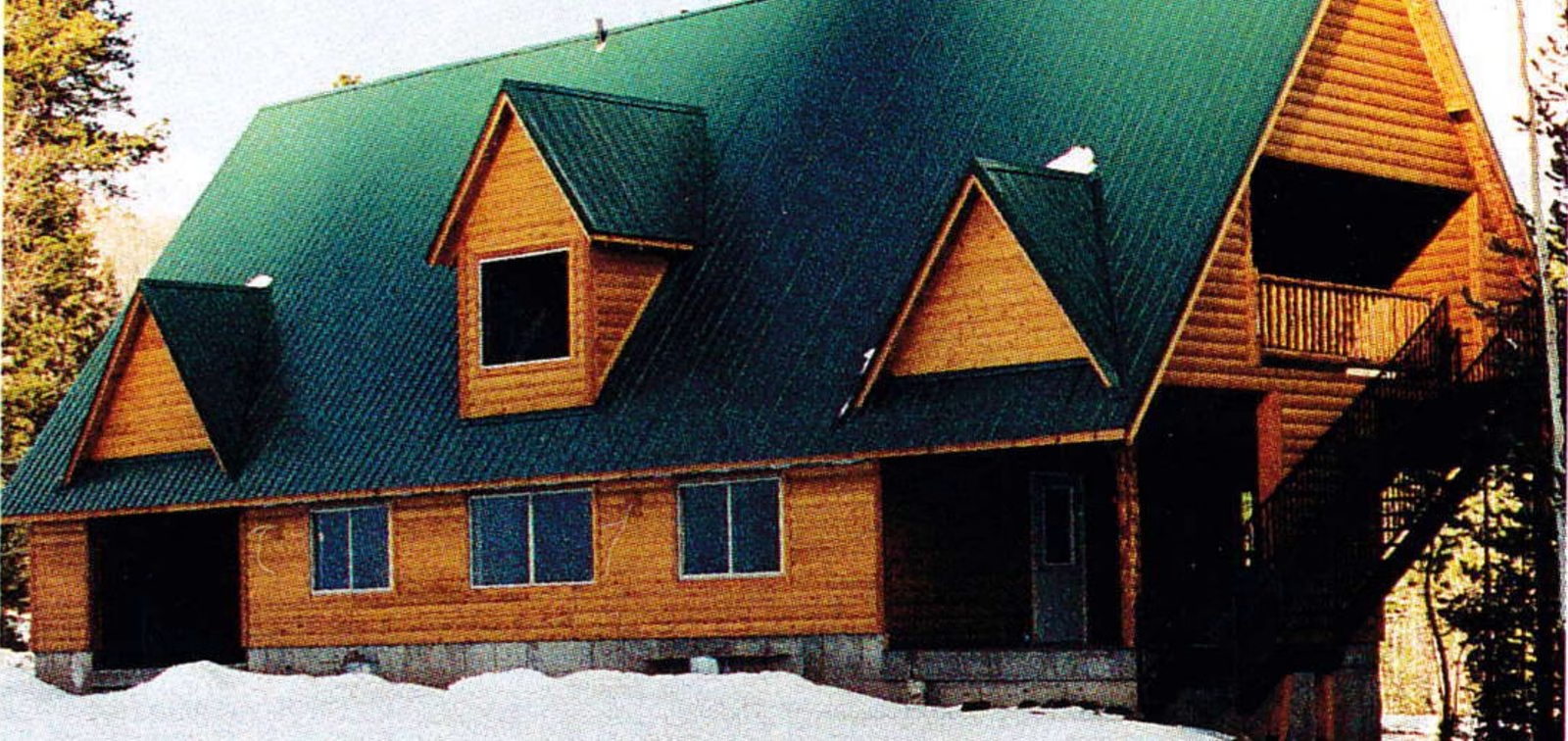
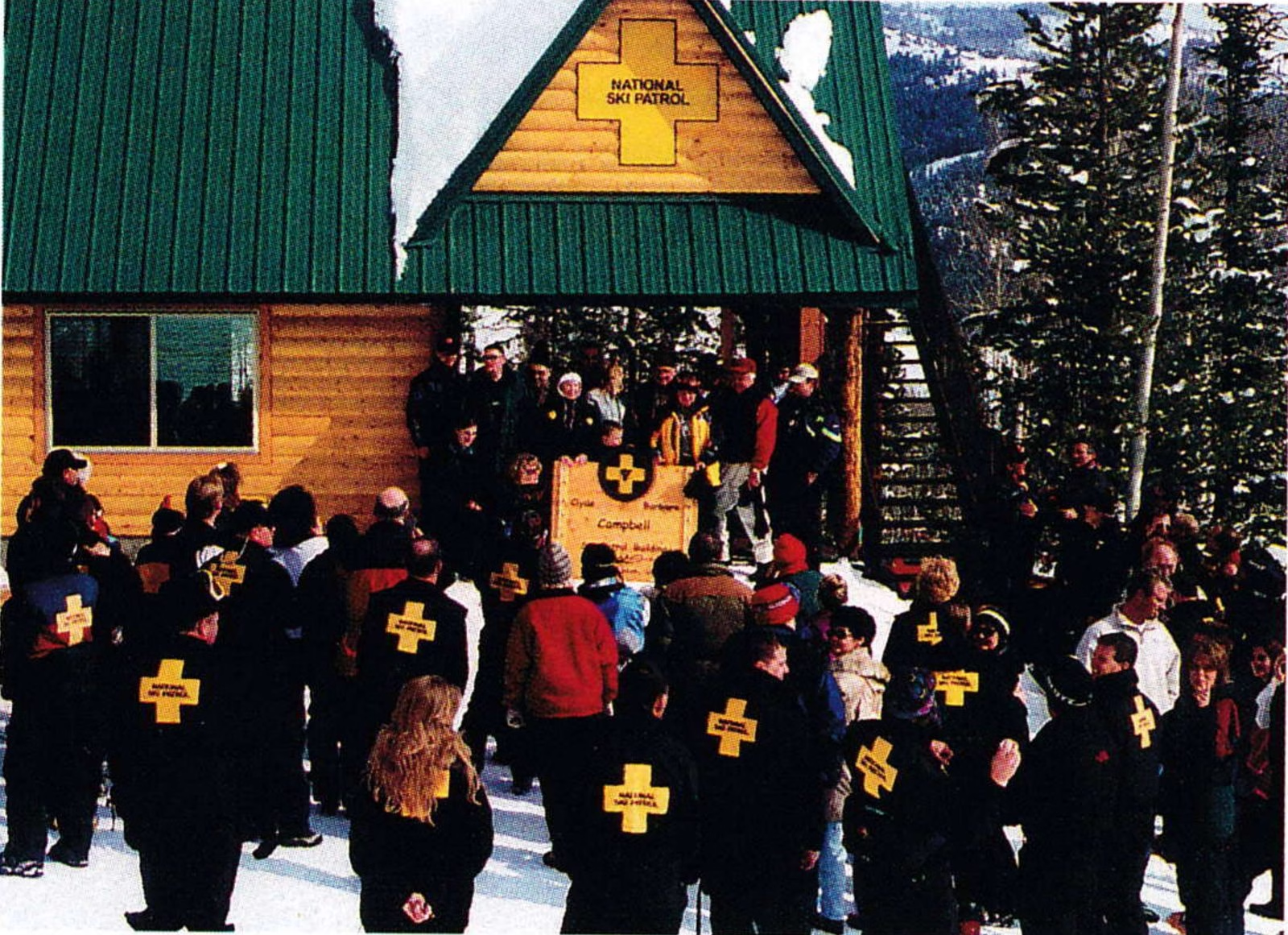
According to Anderson, Beaver Mountain’s volunteer ski patrol is successful, despite the long and serious commitment involved, because the group is “one big family. It would be surprising to most people how close we are.” In many cases the family connections are real, as fathers and sons and brothers all serve on the patrol together. There’s even a patrol auxiliary for spouses. Seeholzer seconds the belief that this social aspect is what makes the patrol so popular. This season, the patrol had room for 12 new members. Over 35 people applied for the positions. “Most candidates grew up in the area,” Anderson explains. “Being a member of the patrol is something they’ve wanted to do all their life.”
Despite this family atmosphere, the patrol recognizes the seriousness of its mission and has strict rules and standards that the members must maintain. Patrollers must be clean cut, follow the dress code and maintain their attendance. They must also continually update their National Ski Patrol certifications. New applicants must successfully complete an interview, pass the Outdoor Emergency Care exam and pass the ski and toboggan screening, which is standardized at all the Intermountain ski areas.
The focus of all this effort is, as Anderson notes, the community of Cache Valley and the town of Logan—the community of families who ski with the family-owned and operated Beaver Mountain. It is fitting that the ski patrol now owns the Clyde and Barbara Campbell Ski Patrol Building that they all gave so much to create. Anderson says, “It’s there to serve the community. When people are injured, it’s a place to make them feel warm and safe.”

