


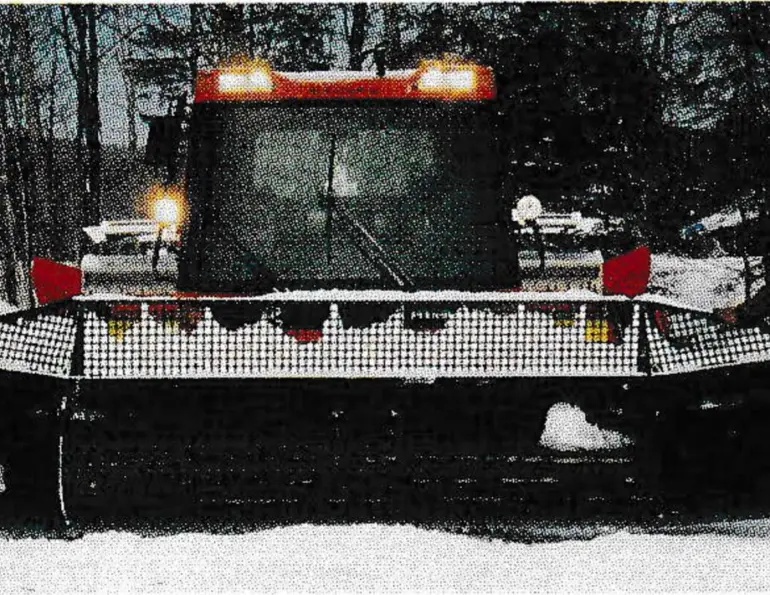
This has been a very exciting season for over-the-snow vehicles, their dealers and especially for those of you fortunate enough to get some seat time. At the Eastern Regional Trade Show at Mt. Snow, the waiting lines for test-driving the newer units were so long that I ended up driving one vehicle around a snow-covered parking lot at the end of the show. Vehicle-related classes offered at the 14th Annual Snowmaking and Slope Maintenance Conference at Grand Junction, Colo., in early April, were standing room only.
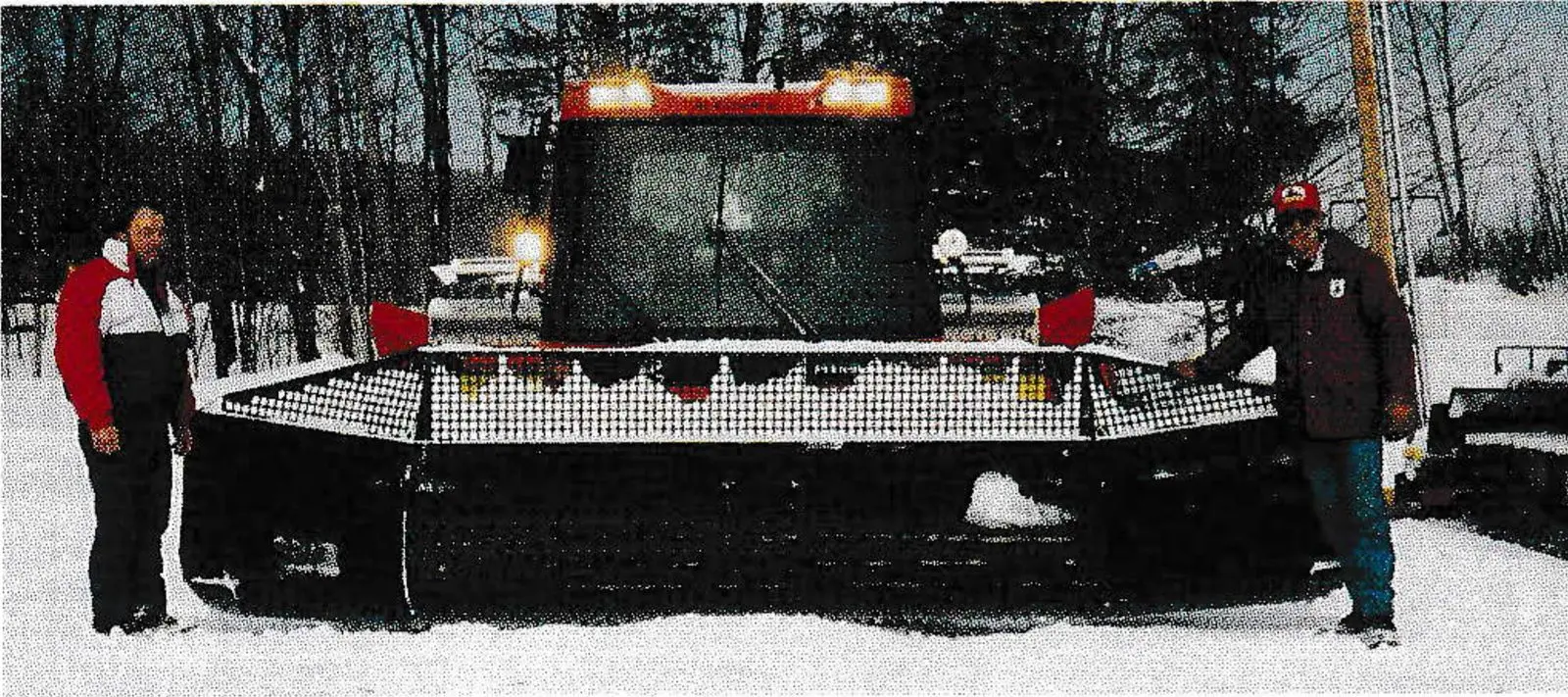
Why all the interest? For starters, there were three all-new groomer models introduced this season as prototypes. Secondly, a long-anticipated powered tiller arrived for guess who. Thirdly, the cost of purchasing, operating and maintaining these sometimes delicate, but highly powered snow conditioners is being more carefully tracked by management than ever before. And lastly, climbing into the cab of a $150,000 hand-built groomer sure is a great way to recharge your own battery.
Tucker, the people who invented the word Sno-Cat, are still very much involved in the over-snow grooming business. This year they introduced the Model 1000, a brand new version of their standard workhorse 2000 series. The 1000 is a downsized model being offered at a lower price ($50,000) to compete with other nordic groomers in the 100-plus horsepower class.
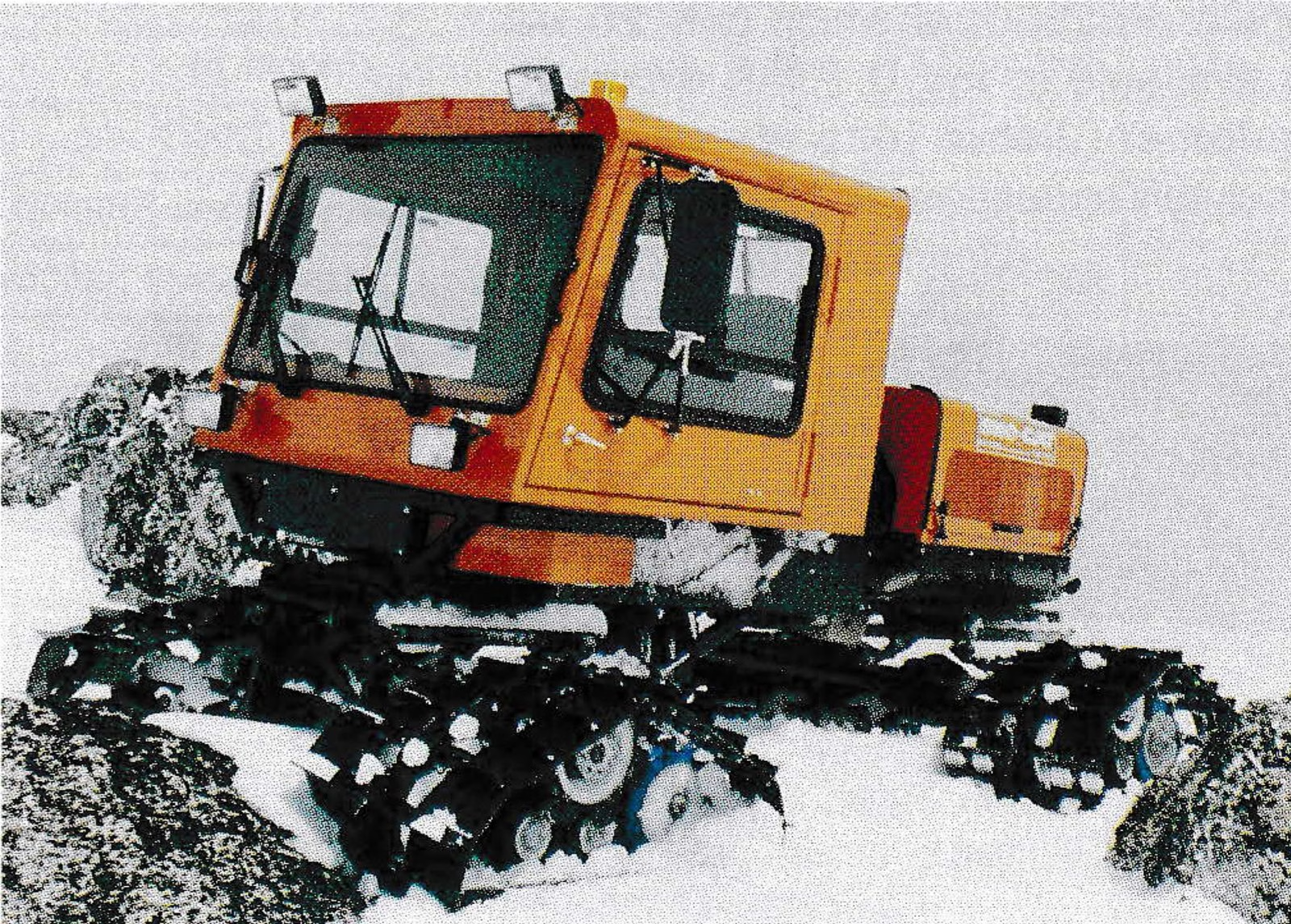
With an overall width of 84″ and length of 14′-6″, it is almost 2,000 lbs. lighter than its big brother. A Cummings 4BTA (turbo-aftercooled) diesel drives the four-track machine through Chrysler’s A-727 3-speed automatic. A 50-gal. fuel tank provides all-day grooming without fuel stops. All Tuckers are available with 4-, 6- or 8-way blades, tillers and track-setters. The 2000 series remains unchanged.
Say hello to the new Prinoth 220 TC groomer and sayonara to the Model 200. The TC weighs nearly 3,000 lbs more than the old 200, is 2′-6″ longer and is powered by the popular Mercedes 366LA blown 6-cyl. diesel. Built for both nordic and alpine grooming, 14 units of the TC made a major debut at Lillehammer. The T4S has a new style tiller with modified smoothing board and triple combs. Flail-type rotors are standard on all machines. Also on the T4S is a really hot idea: an LCD (liquid crystal display) located on the steering wheel that gives a constant indication of 1) tiller depth, 2) tiller speed and 3) rear frame position.
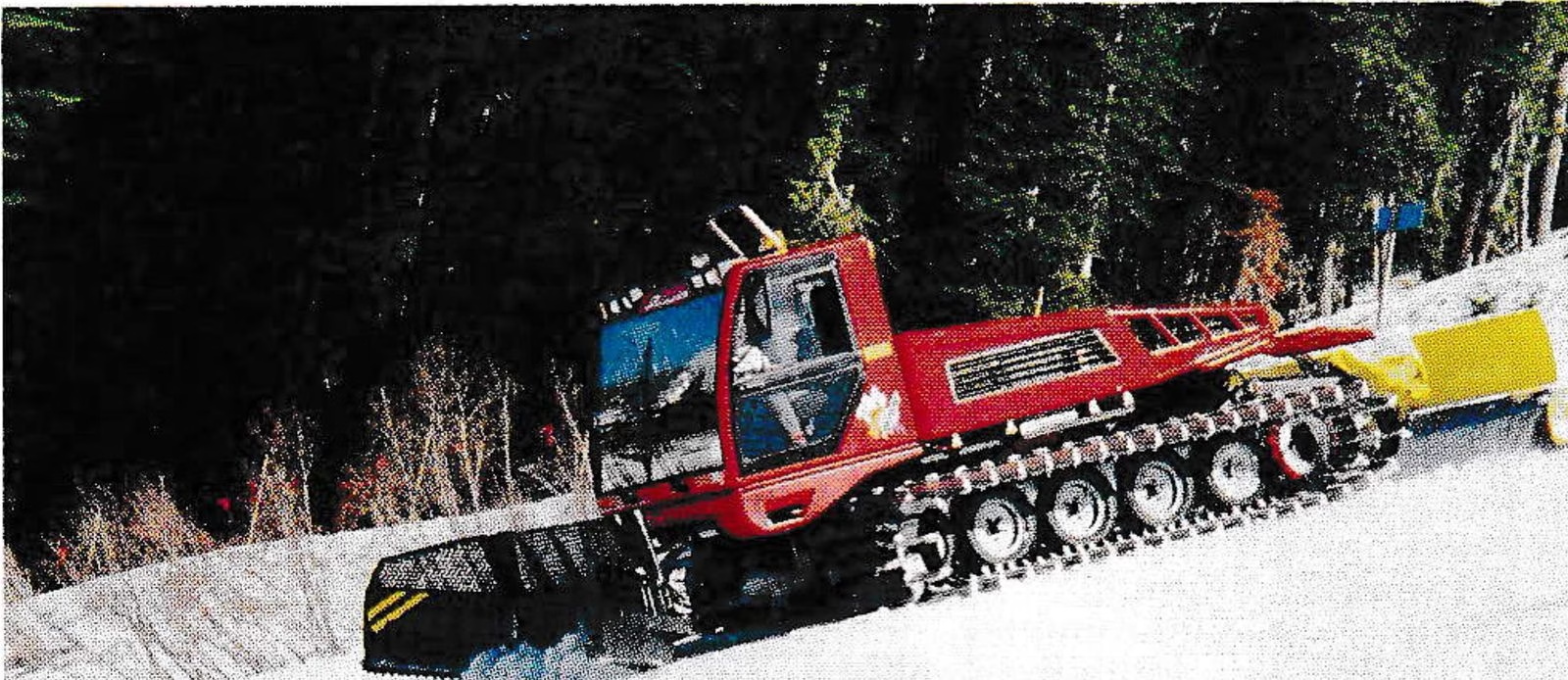
Bombardier has added an armload of new features to what some consider an already near-perfect machine, the BR400+. Among the more noteworthy: Their 4.3 meter flex-tiller has a new speed control pot (potentiometer), improved flex joint, new gear box housing and a flag indicator for snow chamber opening size. Cummins has improved the turbo clamp and stop solenoid, and Bombardier has added a new front heat exchanger for less ice buildup. The horizontal swing angle of the front-mountain blade has been increased (“Look out, trees and tower pads!”) and the rear lift frame reinforced. Note that there is a new spec. for torqueing track bolts.
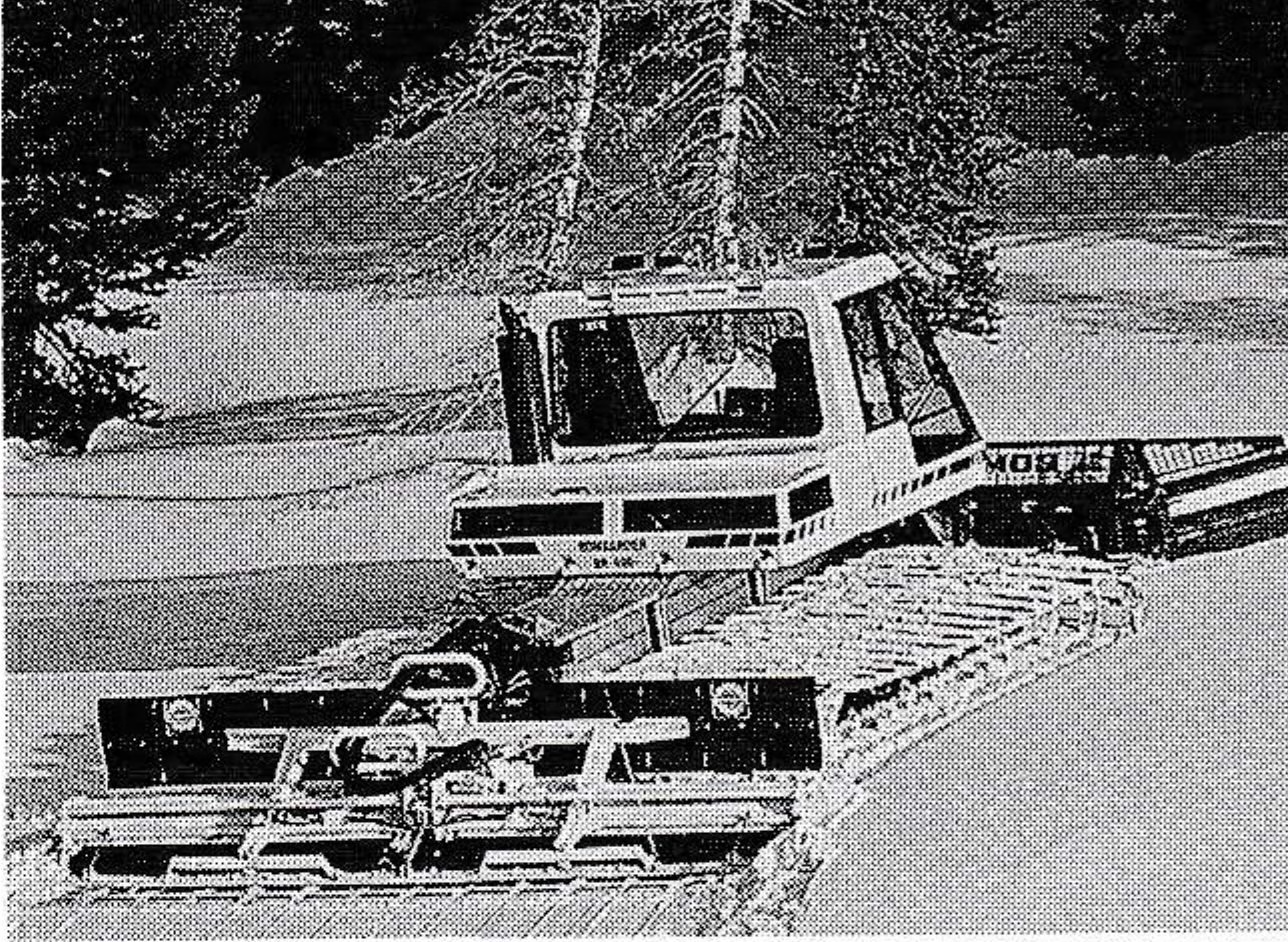
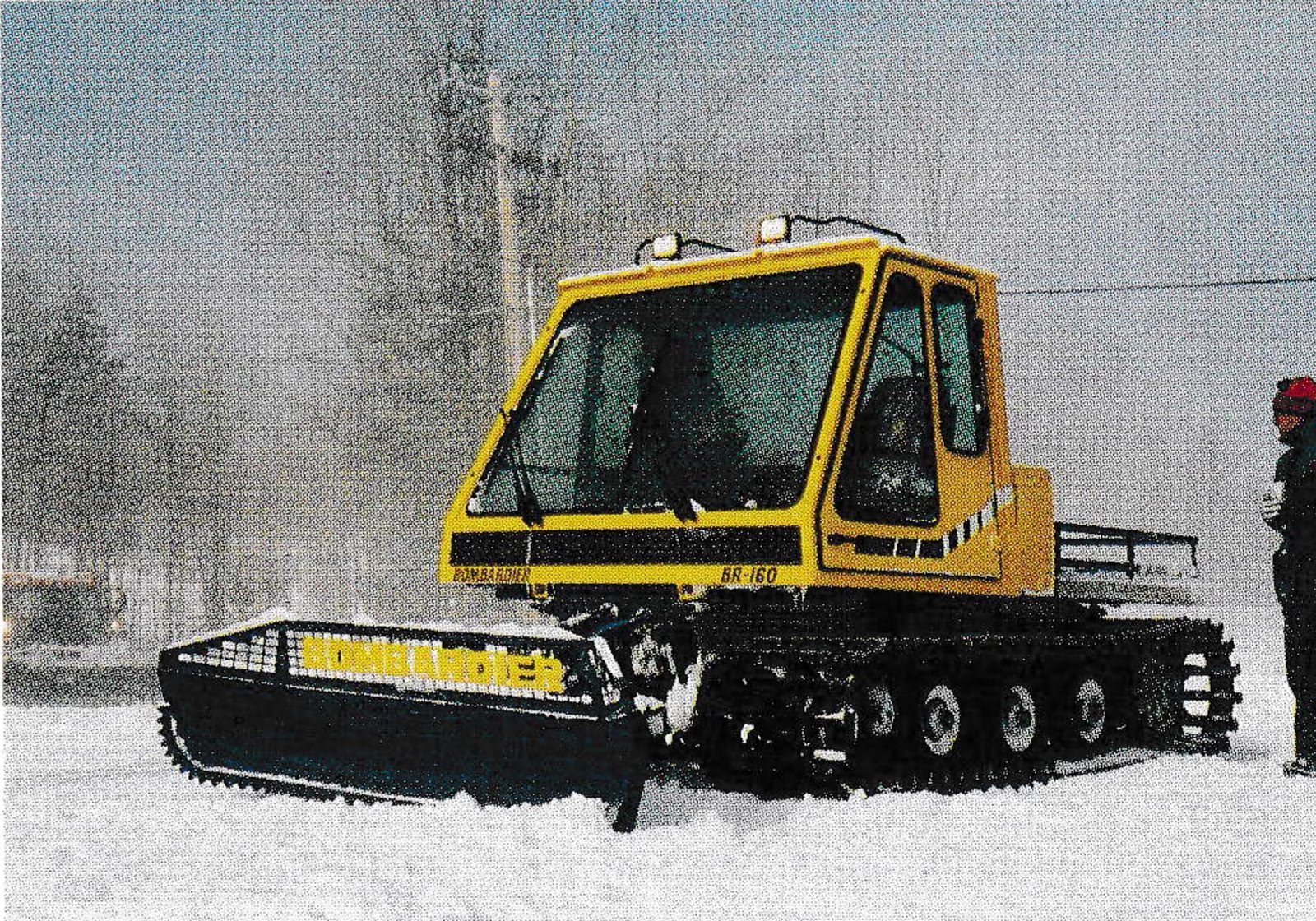
Other goodies include an extra 12V circuit pre-wired into the cab ceiling for 2-way radios or radar detectors; improved hydraulic noise attenuation; better hose protection and a two-position steering cable lever. The nordic groomer (BR160) remains essentially unchanged. For the time-being, Bombardier has stopped production on the BR100 and SV252 utility vehicles. Next year, a new generation BR400+ will be demonstrated following completion of testing on two units this summer.
Happy Birthday, Pisten Bully. It was 25 years ago that the first unit rolled off the assembly line in Ulm, Germany. To celebrate the occasion, Kassbohrer is building 100 “anniversary editions” of the very popular PB260D, of which only 20 will be available in the U.S. An exclusive equipment list is topped out by an absolutely outrageous red-and-gold paint job, raised platform rails and chrome-plated exhaust stack (Vrooom, vrooom!).
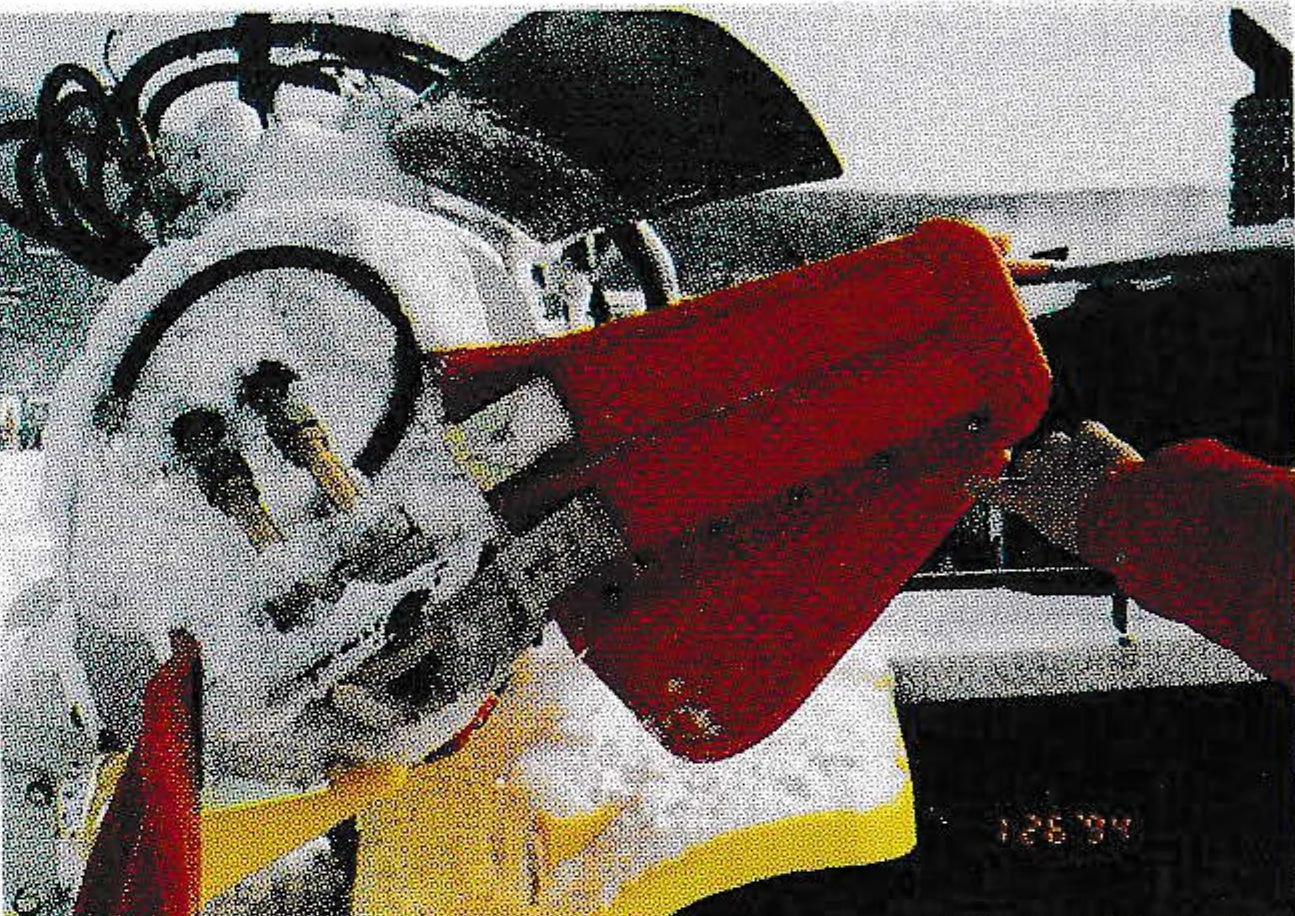
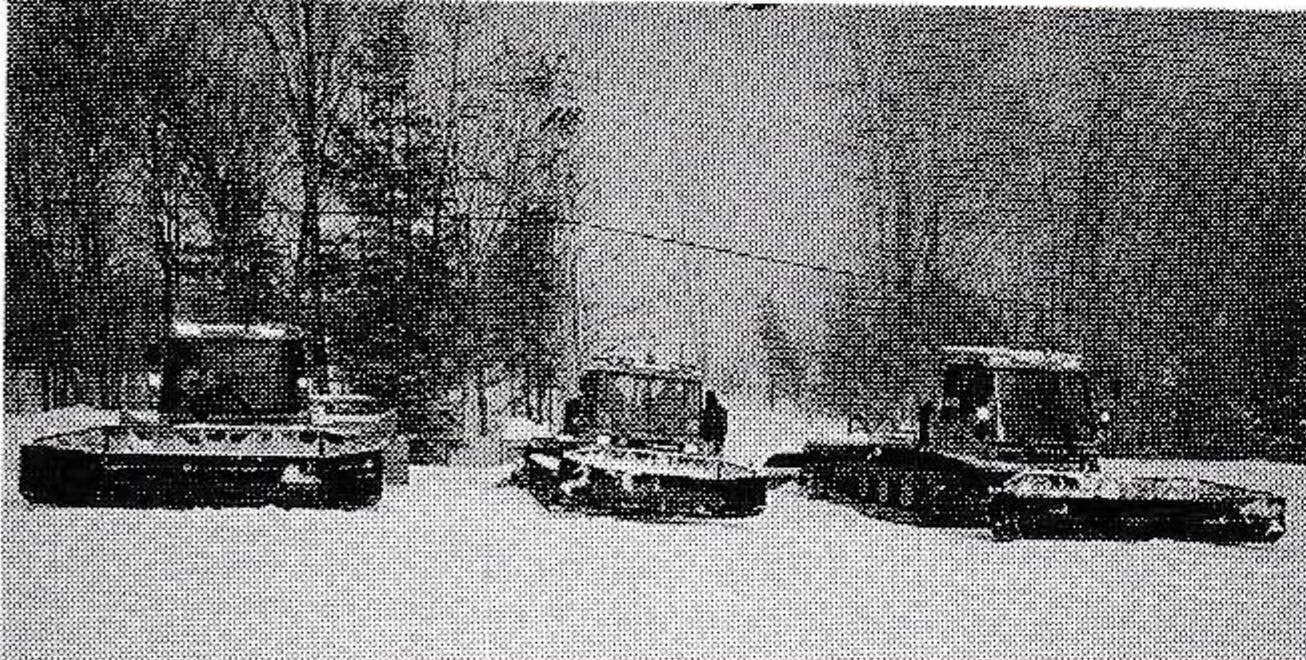
Each vehicle is individually numbered, has an outside temperature display, arm-rest on driver’s door and headrests on the leather-accented Recaro seats. With an option price of only $3,000, these units won’t last long. Besides, the offer ends June 30.
The standard 12-way blade and multi-flex tiller round out the offering… Wait! Did I say tiller? Certainly did. And, according to those who have worked with it, the long wait has been worth it. The two-segment tiller has a totally new tooth layout that is reportedly more forgiving in weird snow conditions, but is still very aggressive when necessary. Either tiller head can tilt to an angle of 20-deg. or locked solid for straight tilling. Even better news is that tillers can be retrofitted to older 240 and 270 machines.
The nordic PB 110DR remains unchanged, while the PB 160 sees a top speed increase from 11 to 15 mph. All 260 models will benefit from the addition of a “variable up-pressure” circuit for the new tiller. More horses (320 to 330 this year), larger blade (you gotta drive it to believe it), new throttle lock release and interchangeable track speed/tiller speed dial on steering wheel will all be available on the upgraded PB330D model.

The LMC Bruin Bearcat is out of the cave. Totally new, the center-cab machine has more new features than Madonna has men. Caterpillar is providing their all-new 3116 Turbo Diesel, rated at a modest 270 horses now, and reportedly upgradable to 350 later. Who said the horsepower race was over?
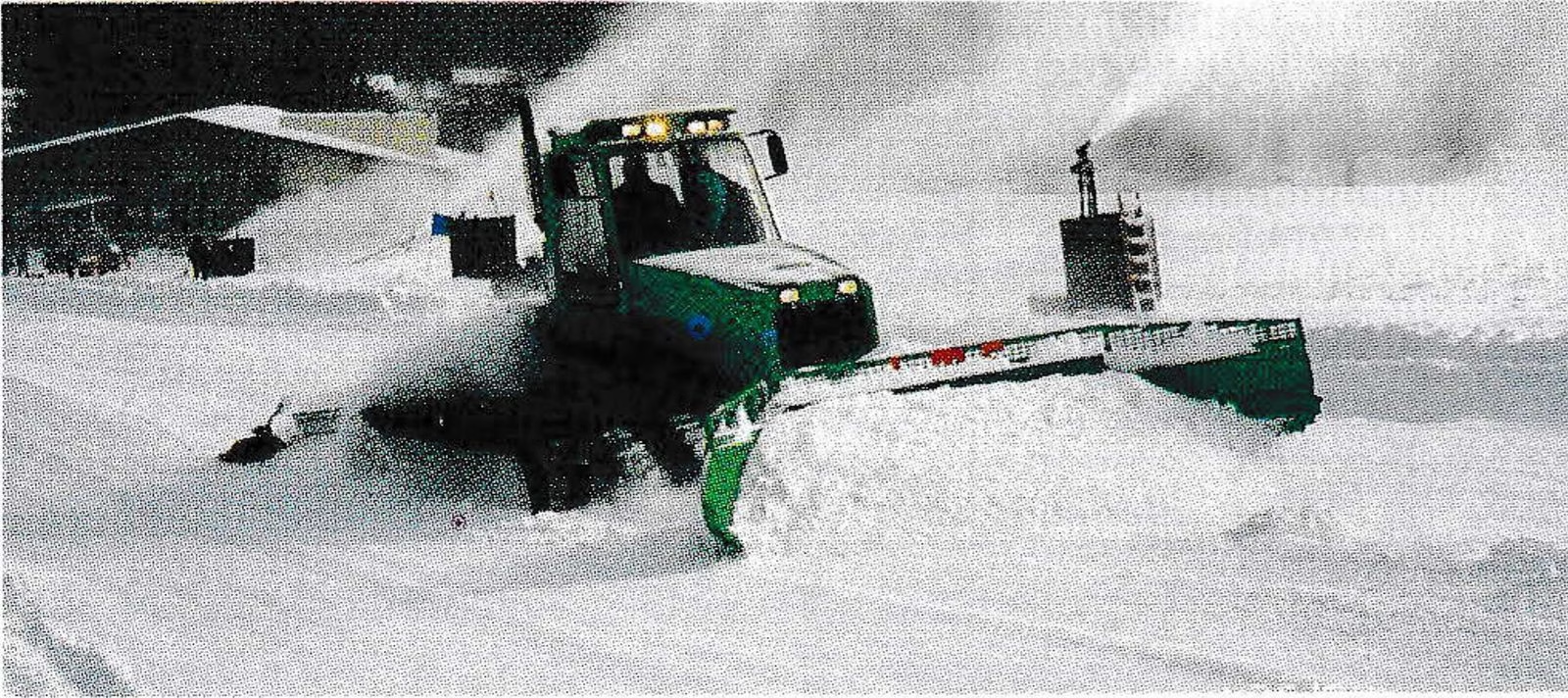
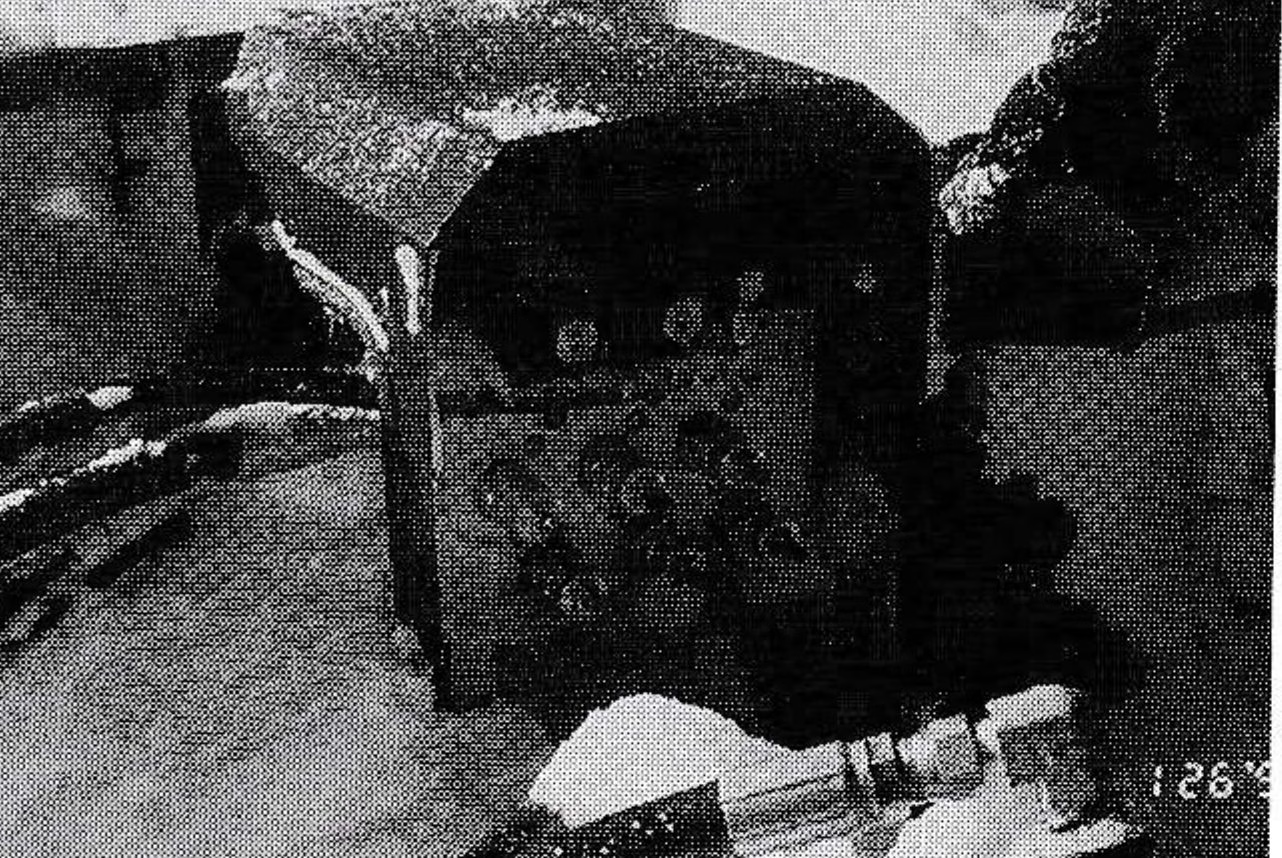
The automotive designers on staff have come up with an ergonomically (feels natural) type cab interior and ultra-quiet cab suspension system which is also being used on the CF series. Demand-type hydraulics are very responsive, and are operated by a modified “D” handle that now has all switches within a finger-length reach. Removable side panels cover a new frame to provide great access to hard-to-reach stuff.
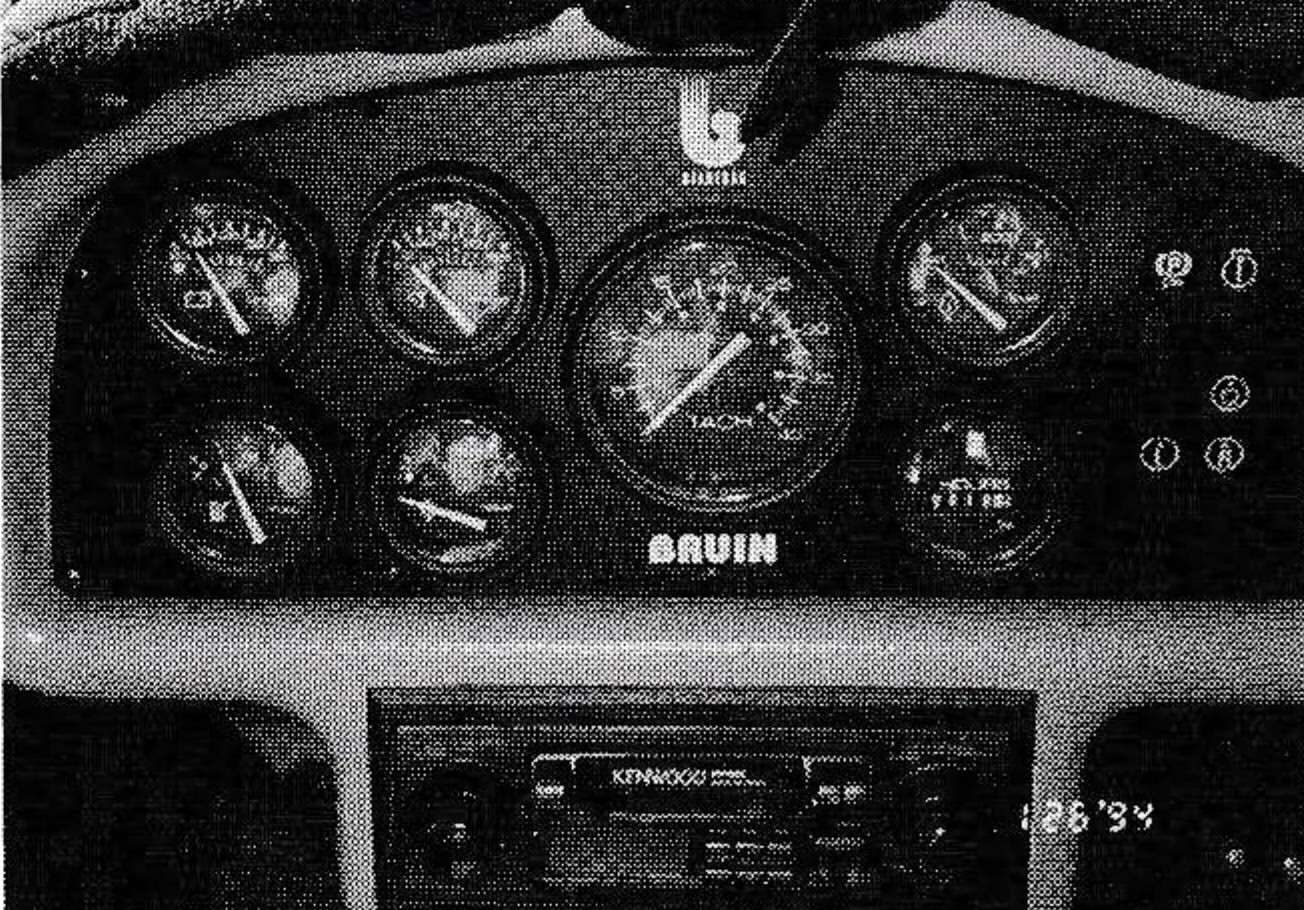
A removable fiberglass cap bolts to the all-steel cab. Sliding windows have been replaced with silicone-hinged glass for ease of operation and better ventilation. The exhaust stack has been offset to improve rear visibility.
And finally, improved twin sticks are overshadowed by the convenience of in-cab hydraulic track tension controls. For the 3700CF, an aftercooler has added 30 more horses to the popular over-the-road CAT3208. A one-speed transmission has replaced the less-than-handy three-speed unit. Better steering control on the 3700CFS will be greatly appreciated by the steering wheel aficionados. Safety door interlocks and a modified rear deck (better visibility) round out the major improvements.
What else can be expected for the upcoming ski season? After driving the vehicles and reading the list above, it’s difficult to believe the current offering can get any better. We do expect continued improvements in winch-cats, and perhaps more experimenting with the now famous “corduroy finish” skiers have come to expect at all areas.
The Table Headings
Here’s a rundown on what the column headings mean. Number of cylinders is self-explanatory. The horsepower developed is supposed to be SAE which is the U.S. Society of Auto Engineers standard. On certain occasions the suppliers have only the figures of the European equivalent, which is DIN horsepower. The variation is slight. Dry weight in pounds is the weight of the vehicle without passengers or fluids. Pounds per horsepower is our contribution to the tabulated data to give an idea of how each piece of equipment may perform under various conditions from a power standpoint. Engine displacement is in cubic inches, and the manufacturer’s name follows in abbreviation. The torque in foot-pounds is a more important figure than engine horsepower. It is an indicator of the useable power the engine develops, and is especially significant with engines using turbochargers and aftercoolers.
Fuel consumption in gallons per hour is based upon manufacturer’s claims. The dimensions, length, width and height, would be those of a square box within which the vehicle could be contained. Track width is what is normally supplied as the standard winter track, even though narrower summer tracks may be available. Ground pressure as shown is 0 penetration, with the belts essentially resting on the snow, even though many manufacturers provide figures showing 6, 8, and 10 inches of penetration which reduces the overall ground pressure. Clearance is that space between the lowest point on the machine and the ground surface at 0 penetration. Turning radius is measured to the inside of the vehicle for the actual space required. Tire size lists only the size and not type. All tires are pneumatic except for Tucker’s which are solid. Two-track machines usually have solid or urethane filled tires in the front (on both sides). The steering requirements for each vehicle may be either differential type at the rear of the machine, automotive like that of the Tucker, hydrostatic levers, or hydrostatic steering wheel. The approximate prices are supposed to be for the basic vehicle plus freight and taxes with hydraulics, heater/defroster, etc. Some prices include blades, compactor bars and tillers, and we have done our best to annotate accordingly.
| Class | Vehicle | No. of Cyl | H.P. | Dry Wt. (lbs.) | Lbs./HP | Engine CID Make | Fuel | Torque (Ft. lbs.) | Fuel Consum (GPH) | Fuel Cap’y (gal) | Leng. ft. | Wid. ft. | Height (Feet) | Track Width in. | Ground Press PSI | Clearance (in.) | Turn. Radius (ft.) | Top Speed (MPH) | Tire Size | Transmission | Steering | Approx. price (1000s) |
|---|---|---|---|---|---|---|---|---|---|---|---|---|---|---|---|---|---|---|---|---|---|---|
| Utility | Otter | 2 | 20/23 | 1,700 | 80 | 47 K | G | 34 | 1.75 | 7 | 7′ 6″ | 5′ 0″ | 6′ 6″ | 18 | .69 | 10-16 | 0 | 10 | F78x14 | 3 Spd Man | Diff | 9-10 |
| Utility | Track Truck HPT | 4 | 106 | 4,200 | 40 | 169 I | D | 132 @ 2000 | 1.5-2 | 18 | 13′ 9″ | 8′ | 6′ | 18 | 1.8 | 15 | 10 | 25 | — | Hydrs | Auto | 40 |
| Class I | Formatic F-2 | 4 | 68 | 4,840 | 71 | 169 I | D | — | 1-2 | 22 | 8′ 4″ | 7′ 6″ | 7′ 5″ | 36 | .73 | 14 | 0 | 20 | 2×12 | Hydrs – 3 Spd | Hydrs L | 45 |
| Class I | Formatic F-4** | 4 | 68 | 7,700 | 115 | 169 I | D | — | 1-2 | 22 | 20′ 6″ | 7′ 6″ | 7′ 5″ | 36 | .73 | 14 | 11.3′ | 18 | 2×12 | Hydrs – 3 Spd | Artic. | 75 |
| Class I | Leitner LH 250 | 4 | 100 | 3,532 | 35 | 494 VM | D | 173 @ 1950 | 2.5-3 | 13 | 9′ 6″ | 8′ 2″ | 8′ | 33 | .39/.52 | 9 | 0 | 11.5 | 5.5×12 | Hydrs – 1 Spd | Hydrs L | 75† |
| Class I | Kassbohrer PB110DR | 4 | 110T | 4,629 | 41 | 169 VM | D | 177 @ 1800 | 1.8 | 22 | 10′ 6″ | 8′ 2″ | 7′ 2″ | 34 | .55 | 12.6 | 0 | 10.6 | 5.5×12 | Hydrs – 1 Spd | Hydrs L | 80† |
| Class II | Bombardier SV-252DT | 4 | 110 | 7,300 | 67 | 243 P | D | 257 @ 1600 | 2.5 | 19 | 13′ 3″ | 9′ 7″ | 7′ 6″ | 41 | .90 | 14 | 12 | 17 | 4.5×12 | 4 Spd Auto | Diff | 75-85 |
| Class II | Sno-Cat 1000-B-24 | 4 | 116 | 5,500 | 47.4 | 4BTA CM | D | 302 @ 1500 | 2-3 | 50 | 14′ 5″ | 7′ | 7′ 2″ | 24 | .94 | 12 | 15.3 | 15 | 3×14 – 3×9 | 3 Spd Auto | Auto | 50 |
| Class II | LMC 1200 | 6 | 124 | 4,800 | 38.7 | 300 F | G | 234 @ 1600 | 2-5 | 29 | 11′ 10″ | 8′ 2″ | 6′ 11″ | 25/36 | .71/.51 | 11 | 10 | 15 | 5.30×12 | 3 Spd Auto | Diff | 61 |
| Class II | LMC 1500 | 6 | 124 | 6,200 | 50 | 300 F | G | 234 @ 1600 | 4-5 | 45 | 13′ 8″ | 9′ 10″ | 6′ 11″ | 36/45 | .87/.74 | 11 | 15 | 12 | 5.30×12 | 3 Spd Auto | Diff | 58 |
| Class II | Prinoth TR | 6 | 136 | 10,400 | 76.4 | 183 MB | D | 172 @ 2400 | 2.5-3.5 | 42 | 22′ 6″ | 8′ 2″ | 7′ 10″ | 36 | .87 | 13.5 | 25 | 20 | 15 | 4 Spd Auto | Hydrs-Artic. | 125 |
| Class II | Leitner LH 360 | 4 | 145 | 7,150 | 49 | 8041 FIAT | D | 206 @ 1900 | 3-3.5 | 32 | 12′ 4″ | 10′ 2″ | 9′ | 60 | .51/.82 | 9 | 0 | 11.5 | ø560 mm | Hydrs – 2 Spd | Hydrs L | 110† |
| Class II | Sno-Cat 1643 RE² | 6 | 152T | 8,460 | 54.4 | 359 CM | D | 414 @ 1500 | 2.5 | 50 | 19′ | 8′ | 8′ 2″ | 28 | 1.03 | 15 | 18 | 15 | 3×14 | 4 Spd Auto | Auto | 70-75 |
| Class II | Prinoth T2 | 6 | 153T | 5,181 | 34 | 254 VM | D | 262 @ 1950 | 3.4 | 14.5 | 9′ 8″ | 7′ 4″ | 7′ 10″ | 31.0 | .73 | 13.8 | 0 | 15.5 | 5.5×12 | Hydrs – 2 Spd | Hydrs L | 78 |
| Class II | Sno-Cat 2000C-5² | 8 | 155 | 7,075 | 45 | 360 C | G¹ | 317 @ 2400 | 4-6 | 50 | 15′ 8″ | 8′ 0″ | 8′ 2″ | 28 | 1.10 | 15 | 14.3 | 15 | 3×14 | 4 Spd Auto | Auto | 55* |
| Class II | Sno-Cat 2000C-6 | 8 | 155 | 7,895 | 50 | 360 C | G¹ | 317 @ 2400 | 4-6 | 50 | 17′ 0″ | 8′ 0″ | 8′ 2″ | 28 | .96 | 15 | 16.6 | 15 | 3×14 | 4 Spd Auto | Auto | 61* |
| Class II | Kassbohrer PB160D | 6 | 160T | 6,100 | 38 | 254 VM | D | 262 @ 1950 | 2.4 | 33 | 11′ 8″ | 8′ 2″ | 8′ 1′ | 34 | .69 | 12.6 | 0 | 11 | 5.5×12 | Hydrs – 1 Spd | Elect. SW | 115† |
| Class II | Bombardier BR-160 | 6 | 160T | 6,100 | 38 | 365 P | D | 390 @ 1500 | 2.5-3.5 | 36.5 | 11.85′ | 7.97′ | 8.47′ | 31.3/44.6 | .99/.73 | 12.9 | 0 | 12 | 4.50×12 | Hydrs – 1 SPd | Manual L | 70-99 |
| Class II | LMC 1800 | 6 | 170T | 7,650 | 45 | 403 CAT | D | 618 @ 1400 | 3-5 | 30 | 12′ 7″ | 8′ 0″ | 7′ 11″ | 32/36/41 | .95/.85/.74 | 12 | 0 | 12 | 5.30×12 | Hydrs – 1 Spd | Manual L | 87 |
| Class II | Formatic F6-1 | 6 | 177 | 5,800 | 33 | 360 IV | D | 450 @ 1600 | 4-5 | 28 | 12 | 7′ 3″ | 8′ | 32 | 3.5 | 14 | 0 | 25 | 2×12 | Hydrs – 1 Spd | Hydrs-L | 85 |
| Class II | Formatic F6-4 | 6 | 177 | 12,350 | 69 | 360 IV | D | 450 @ 1600 | 4-5 | 79 | 25 | 11′ 2″ | 8′ | 51 | 2.3 | 14 | 16 | 25 | 2×12 | Hydrs – 1 Spd | Artic. | 130 |
| Class II | Sno-Cat 2000D-6 | 6 | 190T | 9,225 | 48.5 | 359 CM | D | 459 @ 1950 | 3-6 | 50 | 17′ 0″ | 9′ 9″ | 8′ 3″ | 38 | .66 | 15 | 19.5 | 14 | 3×14 | 4 Spd Auto | Auto | 100† |
| Class III | Prinoth 200 | 6 | 200 | 8,445 | 42.2 | Deutz | D | 433 @ 1650 | 4.5 | 42 | 13′ 2″ | 13′ 2″ | 9′ 0″ | 64.2 | .52 | 18.1 | 0 | 12.5 | 6.0×13 | Hydrs – 1 Spd | Hydrs L | 115 |
| Class III | Kassbohrer PB220DR | 6 | 220TA | 11,023 | 50 | 363 MB | D | 548 @ 1500 | 4.2 | 35 | 15′ 6″ | 12′ 8″ | 9′ 2″ | 61 | .56 | 13 | 0 | 12 | 6.0×13 | Hydrs – 1 Spd | Elect. SW | 175† |
| Class III | Bombardier BR-400+ | 6 | 250TI | 10,950 | 43.8 | 506 CM | D | 714 @ 1500 | 4 | 56 | 13′ 4″ | 12′ 6″ | 8′ 9.5″ | 58/66 | .80/.75 | 12 | 0 | 10 | 4.5×12 | Hydrs – 1 Spd | Hydrs L | 145-165 |
| Class III | Prinoth T4 | 6 | 254T | 10,800 | 42.5 | 517 SCAN | D | 728 @ 1200 | 4-5 | 52 | 15′ 5″ | 13′ 2″ | 9′ 0″ | 64.2 | .56 | 19.5 | 0 | 12.5 | 6.0×13 | Hydrs – 2 Spd | Hydrs SW | 150 |
| Class III | LMC 3700C | 8 | 260T | 11,925 | 45.9 | 636 CAT | D | 611 @ 1400 | 4-5 | 73 | 14′ 11″ | 12′ 5″ | 8′ 9″ | 57/65 | .73/.64 | 16 | 0 | 11.2 | 6.0×12 | Hydrs – 3 Spd | Hydrs L | 140 |
| Class III | Kassbohrer PB260D | 6 | 260TI | 12,345 | 47 | 504 CM | D | 696 @ 1500 | 4.7 | 47 | 14′ 7″ | 12′ 9″/13′ 6″ | 9′ 1″ | 61/65 | .65 | 13.8 | 0 | 12 | 6.3×14 | Hydrs – 1 Spd | Elect. SW | 203† |
| Class III | Kassbohrer PB260DW | 6 | 260TI | 15,432 | 59 | 504 CM | D | 696 @ 1500 | 4.7 | 47 | 16′ 2″ | 13′ 6″ | 10′ 7″ | 65 | .69 | 13.8 | 0 | 12 | 6.3×14 | Hydrs – 1 Spd | Elect. SW | 267† |
| Class III | Prinoth T4S | 6 | 284TI | 10,800 | 39.7 | 517 SCAN | D | 767 @ 1400 | 4-5 | 53 | 15′ 5″ | 13′ 2″ | 9′ | 64.2 | .56 | 19.5 | 0 | 11.2 | 6.5×14 | Hydrs – 1 Spd | Elect. SW | 165 |
| Class III | LMC 3700CF | 8 | 290T | 12,050 | 41.6 | 636 CAT | D | 768 @ 1600 | 4-6 | 80 | 15′ 8″ | 12′ 5″ | 9′ 1″ | 57/65 | .77/.68 | 15 | 0 | 11.2 | 6.0×12 | Hydrs – 1 Spd | Manual L | 189 |
| Class IV | LMC Bruin | 6 | 270TA | 11,750 | 43.5 | 403 CAT | D | 709 @ 1470 | 3-6 | 53 | 14′ | 12′ 4″ | 8′ 6″ | 57/65 | .72/.63 | 10 | 0 | 11.5 | 6.0×13 | Hydrs – 1 Spd | Manual L | 165 |
| Class IV | Kassbohrer PB330D | 6 | 330TA | 16,534 | 50 | 669 MB | D | 1000 @ 1100-1600 | 4.9 | 47 | 16′ 1″ | 13′ 6″ | 9′ 6″ | 65 | .68 | 13.8 | 0 | 10 | 6.3×15 | Hydrs – 1 Spd | Elect. SW | 235† |
| Class IV | LMC 3700CFS | 6 | 365TA | 16,192 | 44.4 | 629 CAT | D | 1165 @ 1400 | 4.6 | 80 | 15′ 8″ | 12′ 5″ | 9′ 1″ | 57/65 | .74/.65 | 15 | 0 | 12.2 | 6.0×13 | Hydrs – 1 Spd | Electronic SW (std); Electronic L (option); Manual L (option) | 218 |
| Class IV | Leitner LH 500 | 6 | 360 | 9,900 | 27 | 2866 MAN | D | 1030 @ 1300 | 3.5-4.5 | 46 | 15′ | 14′ 1″ | 9′ 2″/9′ 5″ | 68 | .85 | 9/12.5 | 0 | 14.4 | ø650 mm | Hydrs – 2 Spd | Electronic | 205† |
¹ = Diesel available. ² = Available with different track lengths and model number. MB = Mercedes Benz; M = Mitsubishi; C = Chrysler; V = Volvo; P = Perkins; CM = Cummins; SCAN = Scania; DZ = Deutz; L = Levers; F = Ford; I = Isuzu; VM = VM; IV = IVECO; T = Turbo charged; TI = Turbocharged/intercooled; TA = Turbocharged/aftercooled; SW = Steering wheel; † = With blade and tiller; †† = w blade/no implement; * = blade and compactor, rear hydraulics; ** = Includes power-driven trailer; Elect. = Electronic.

