

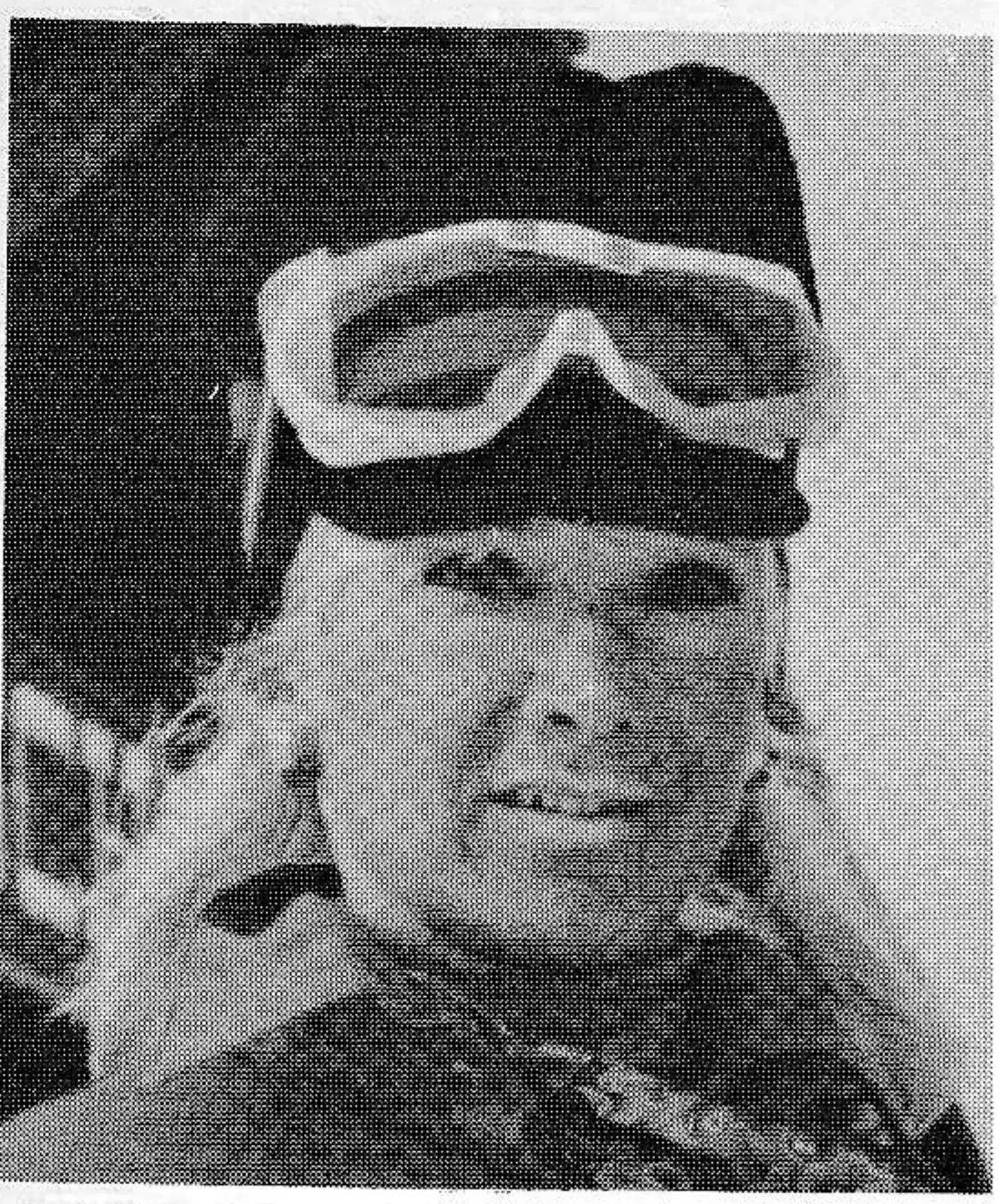
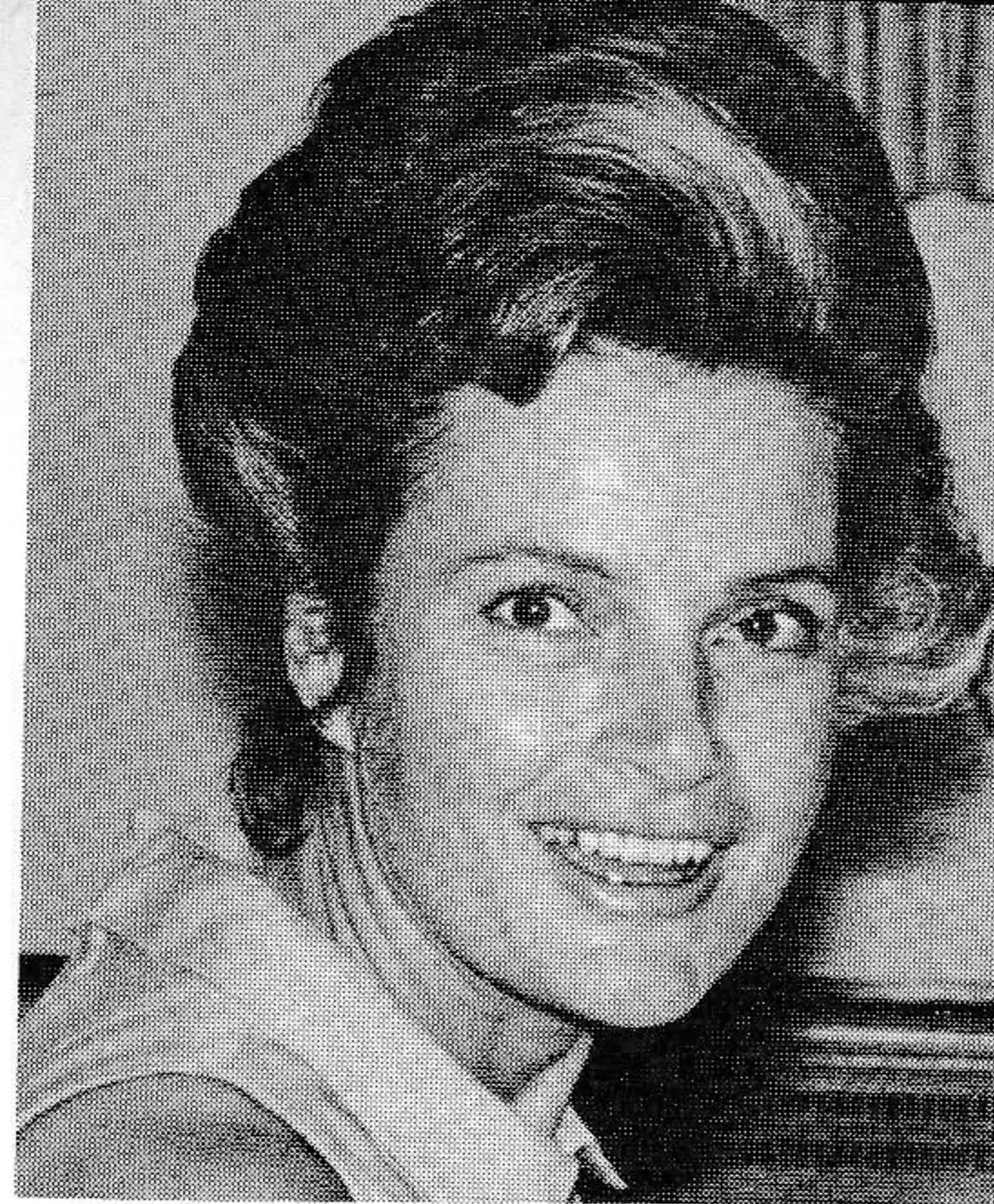
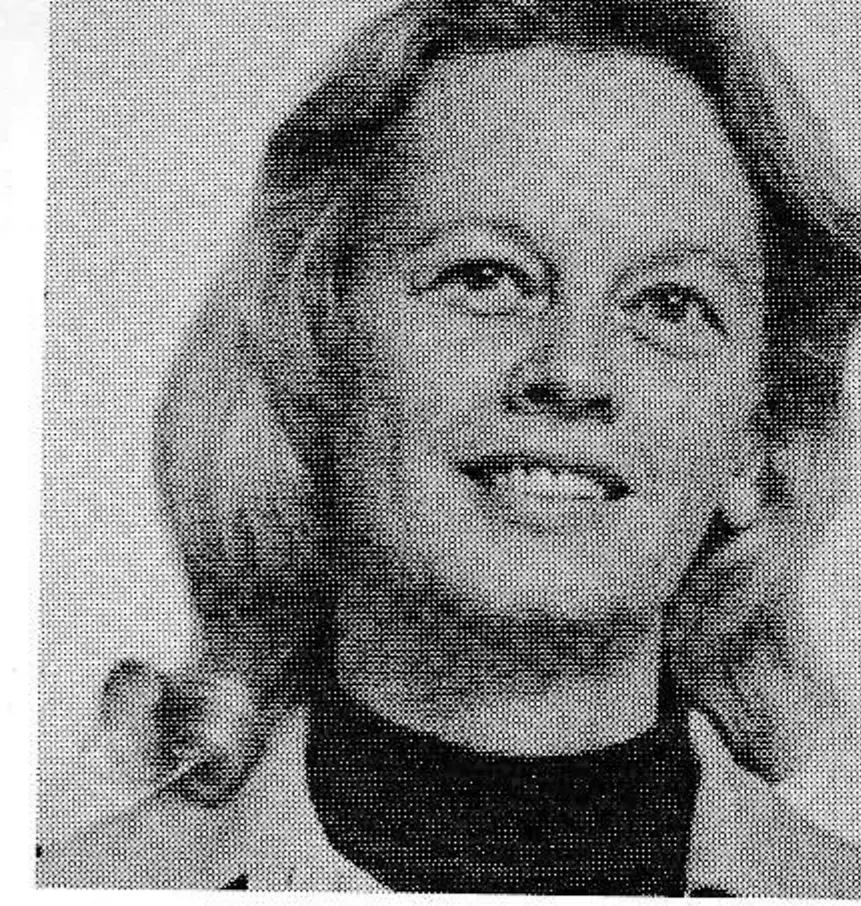
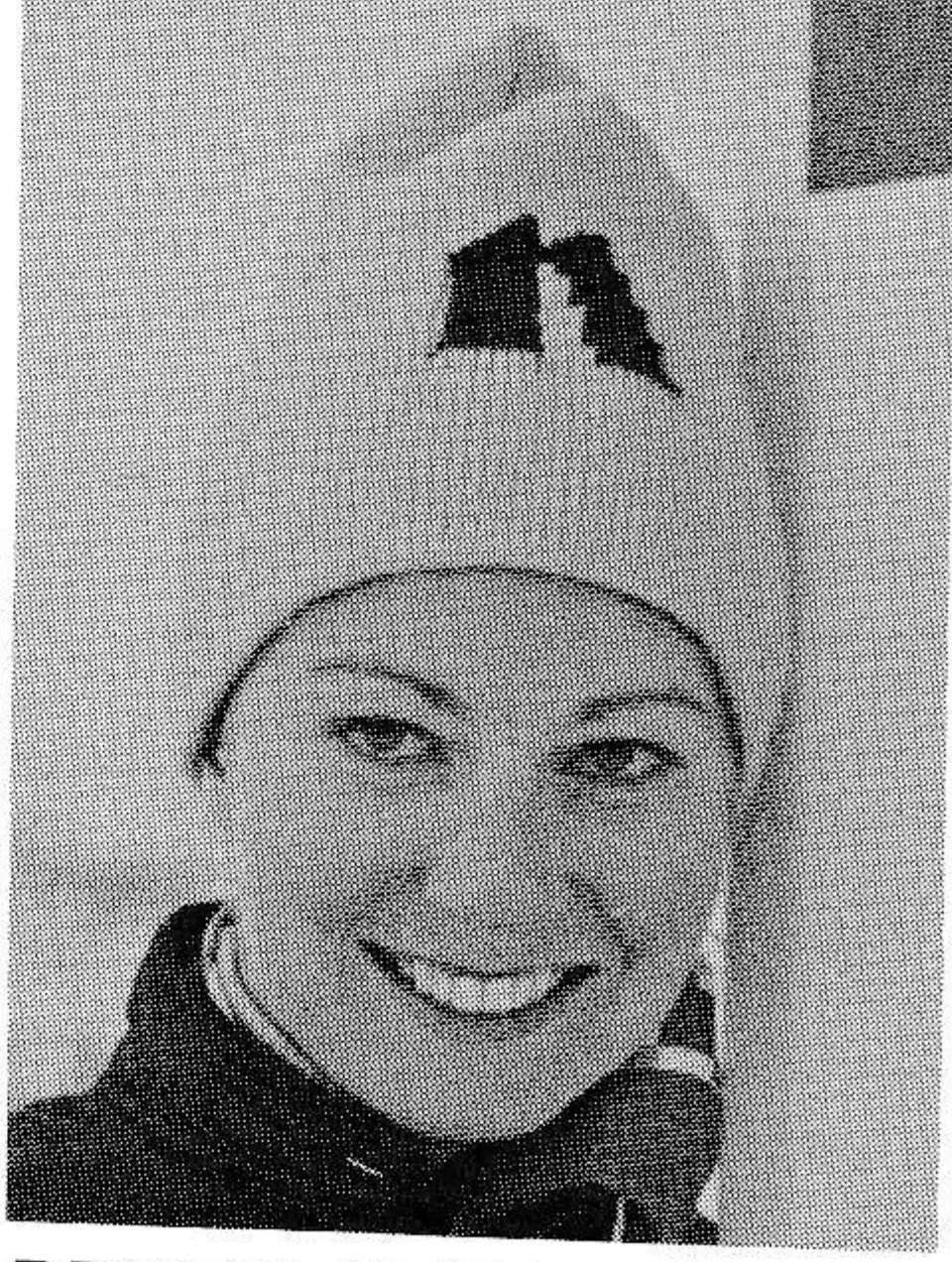

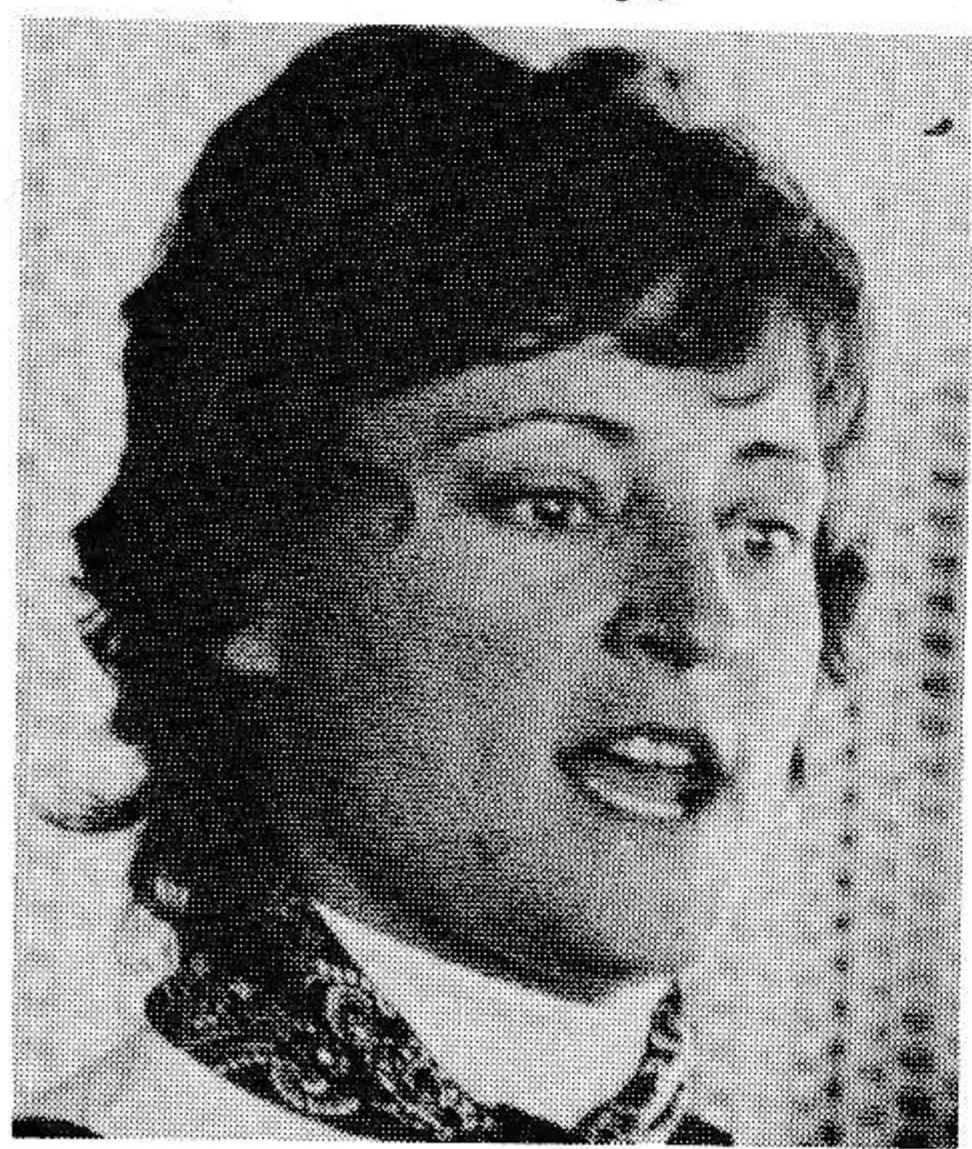
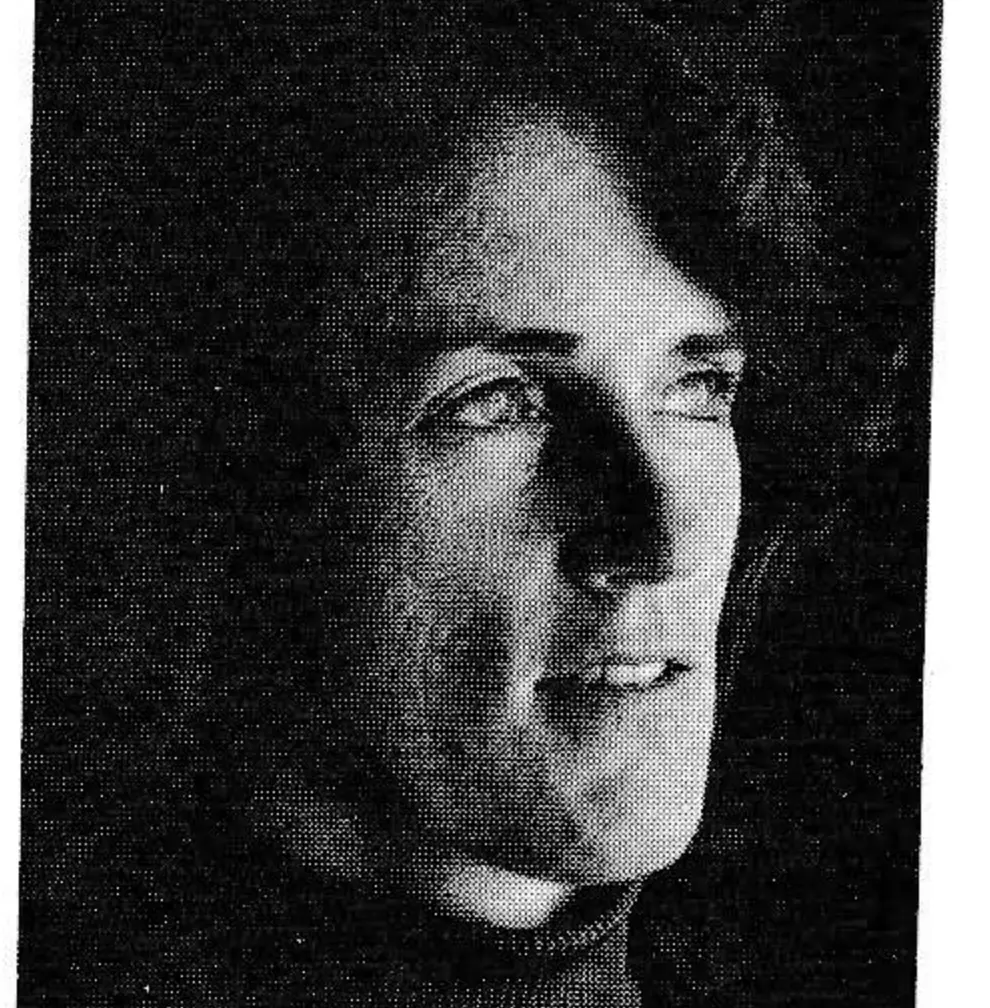

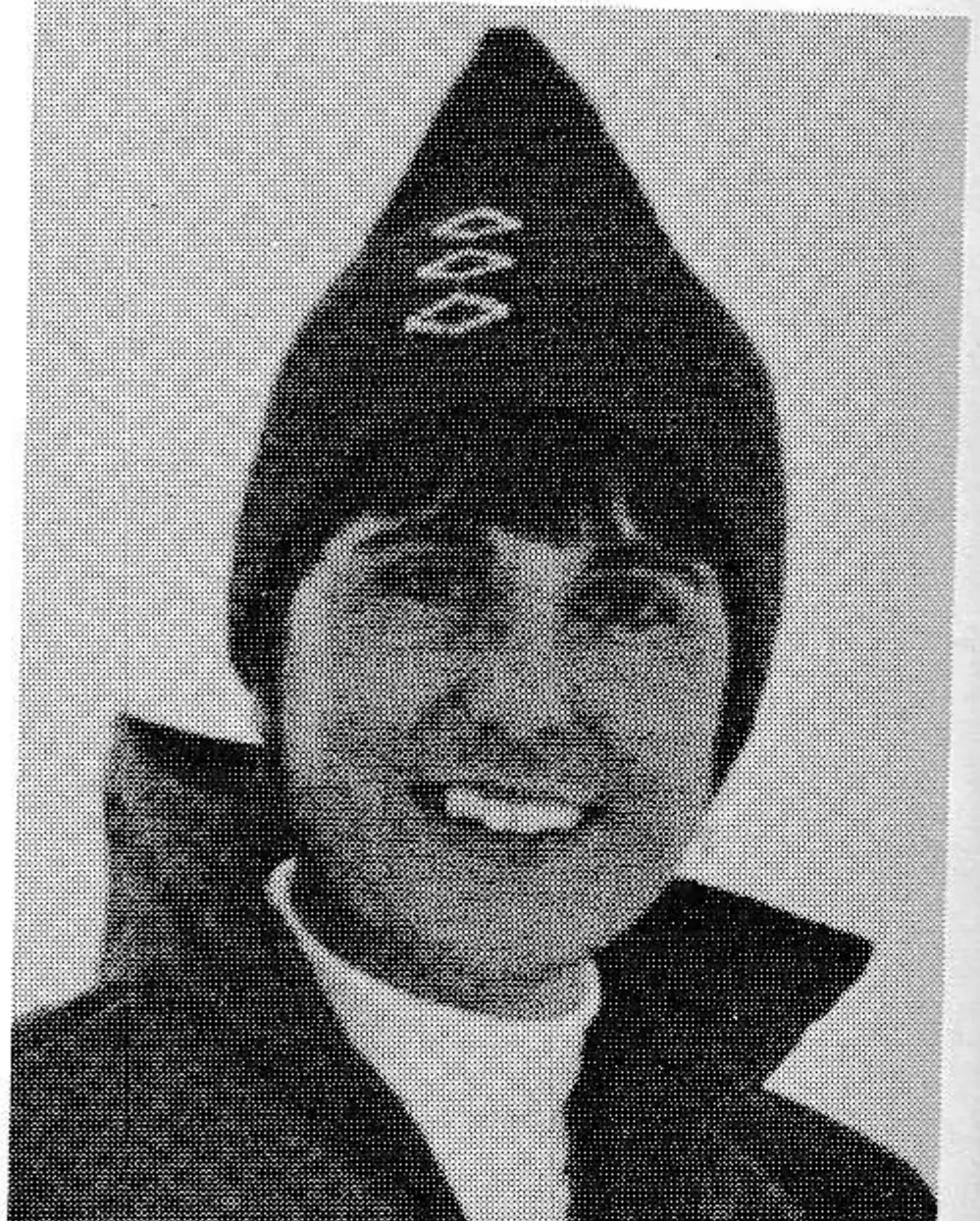
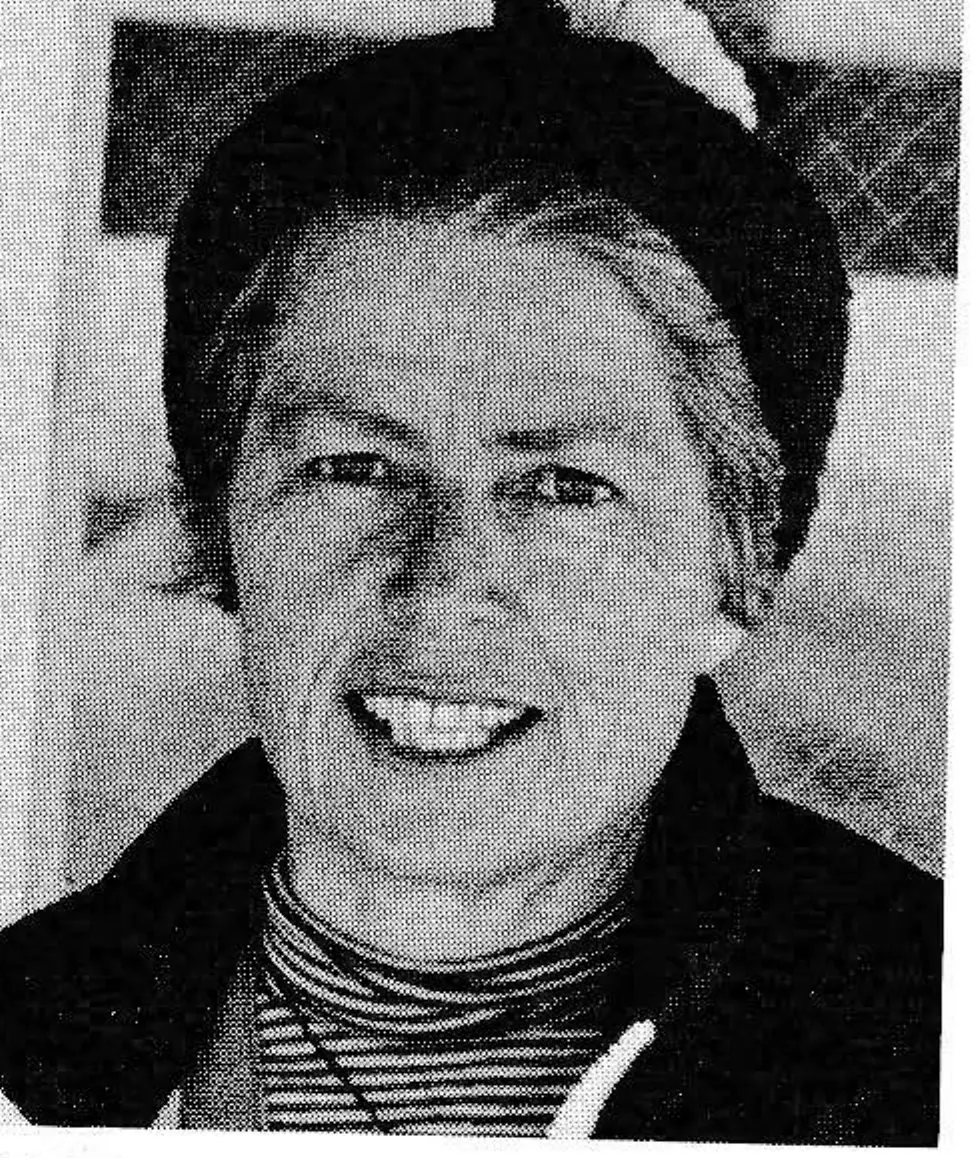
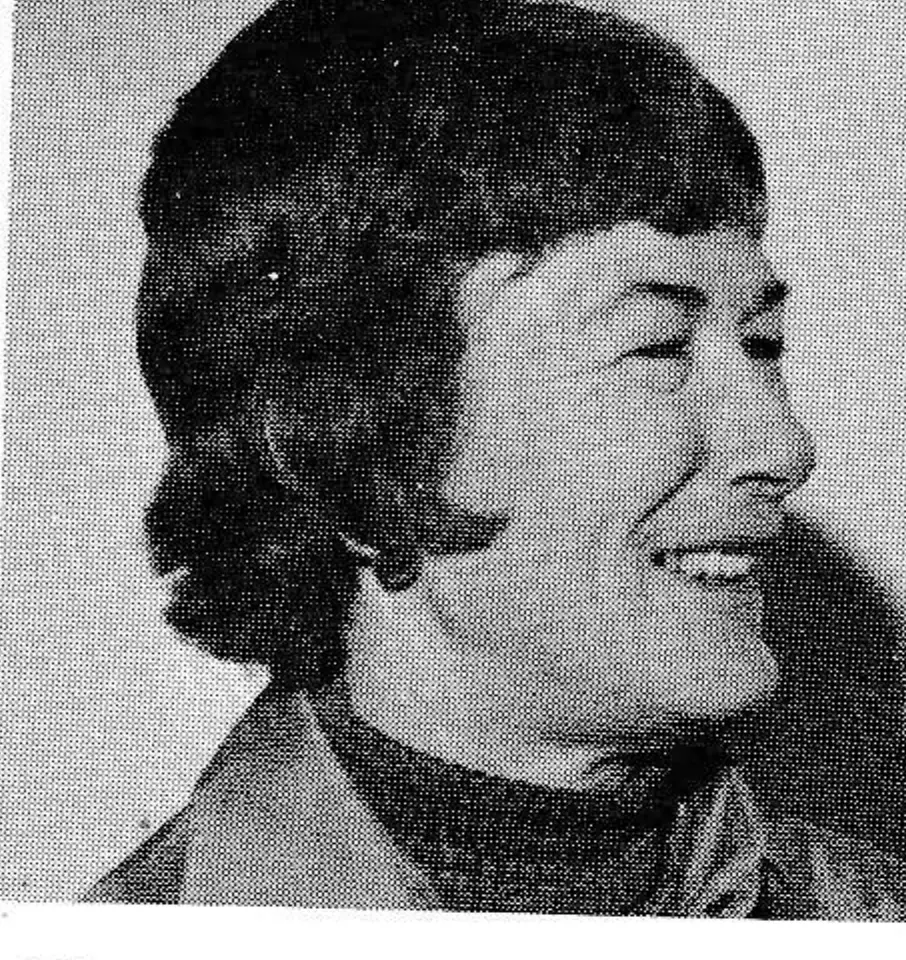
You won’t see any chintz curtains in the base lodges or doilies at the ski school desk, but if you’ve been following the personnel columns you may have noticed an increase in the number of women’s names among those moving into the pipeline of ski area management jobs: ski school and public relations directors, department managers, etc. Finally, last fall, Gloria Chadwick was promoted to vice president in charge of operations for Big Sky, Montana — the highest position achieved by a woman in the ski business.
Even though the acceptance of women in the industry appears to be a trend (albeit moving with glacier-like speed), a few questions remain:
- Is the route for success for women the same as that for men? (Must women work harder or know more to achieve a given job? What outside influences affect a woman’s rise in the industry?)
- Are ski area managements exploiting women? (Do they pay women less than men for equivalent jobs, give them less prestigious titles, less office staff, less opportunity?)
- How do employees and customers react to a woman with power? (Are orders ignored? Do superiors support a woman’s decisions? Do women who have made it into the pipeline tend to put other women down?)
Ski Area Management correspondents and writers talked with more than a dozen of the 30 or so women who are in management positions to explore these questions. Not surprisingly, the one significant pattern to emerge was a generational layering: the older the woman, the more apt she was to deny experiencing discrimination in her own climb or even the existance of discrimination in the industry. Younger women accept discrimination as a matter of fact and as a problem to overcome.
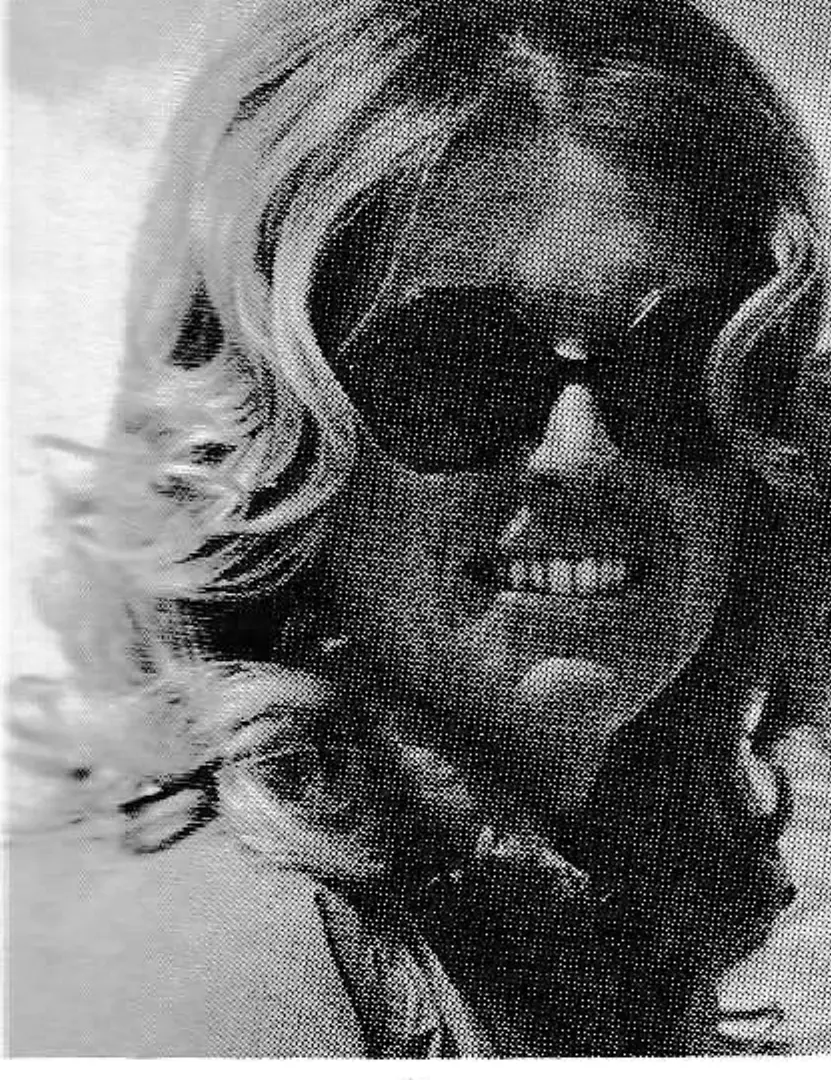
The experience of 33-year-old Pam Conklin, publicity director at Vail, Colorado, is typical of the younger woman’s attitude. When an advertising space salesman came to Camelback Pennsylvania, where Ms. Conklin was then marketing director, he casually asked to speak to her superior. Knowing the area manager would simply refer him back to her, she explained that she was in charge of advertising, but he persisted. As his discomfort became more and more apparent, he was less and less able to sell space and finally stormed out of her office, slamming the door.
Getting There
Overcoming such handicaps and stereotypes has been developed to a fine art by women who have the drive for success in the ski industry. The art is variously applied depending on which of the three main routes or one by-pass they take to reach their goal.
First among these routes you’ll find the strongly-motivated independent women who through family connections, marriage or their own resources have a financial interest in a ski area. Jo Tyndall Alexander, general manager of Snow Summit, California, took over the head spot when her husband, Tommy Tyndall’ was killed in a mountain accident. She says people were surprised that she was getting involved in the area and they openly wondered what would happen to the place. Even the most skeptical observers were convinced as Snow Summit was selected by a local newspaper as the best managed ski area in Southern California.
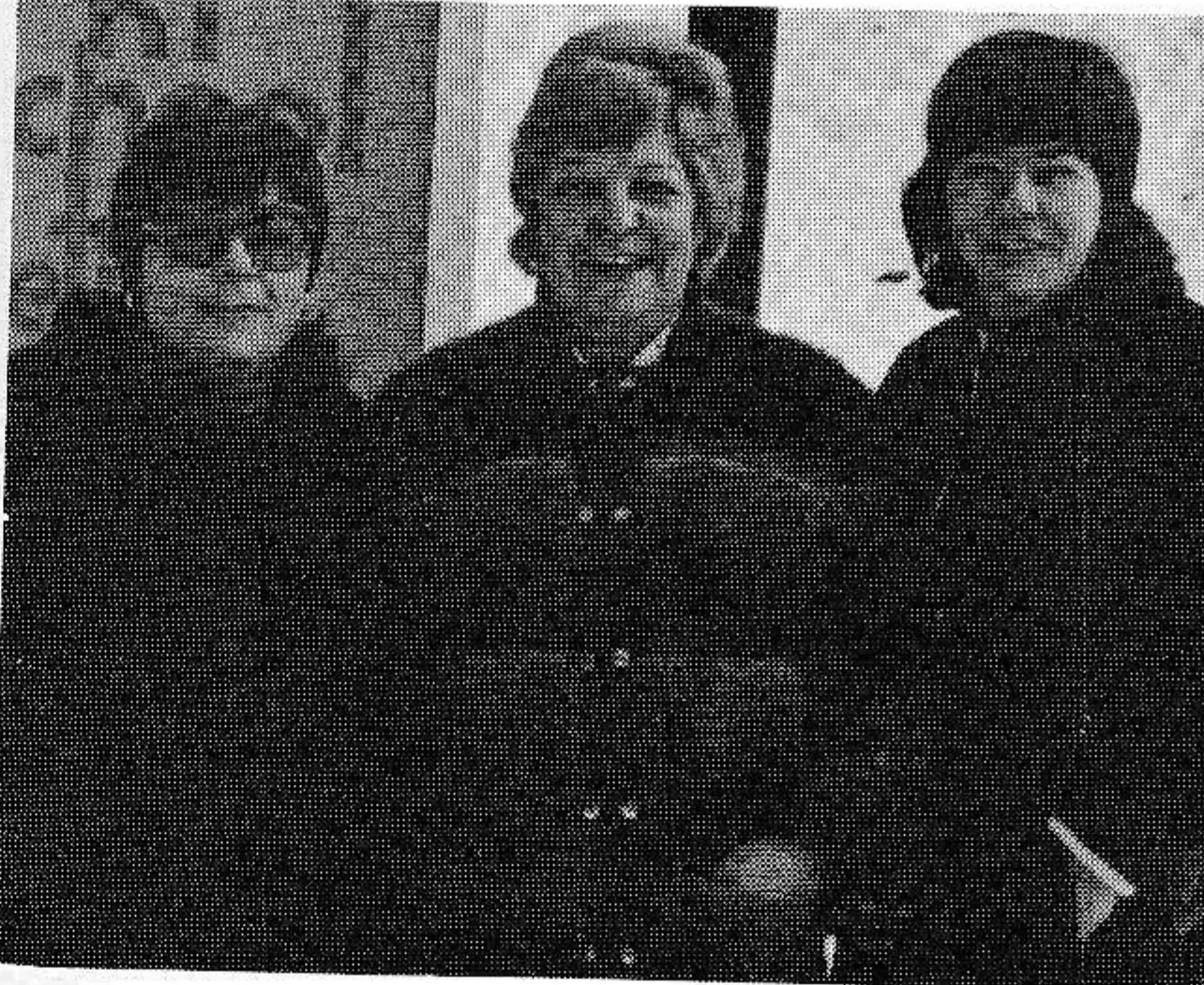
The troika of women who run Big Birch, New York, are there because the male head of the family bought a bankrupt ski area as a land investment in 1967. Diane Santinelli and her sister, Lorainne Castelli, then in their early twenties, ran the area alone until it began to look successful. The girls’ mother, Adelaide, stepped in to be president when a new base lodge and chairlifts were added. She had had many years of experience as a purchasing agent and simply transferred her know-how to a new business. “Right now, men are nothing in this corporation,” says Vice President Diane Santinelli.
Gina van Loon was a major investor in Glen Ellen, Vermont, and with confidence and drive the area was revamped under her direction as general manager. A stunning 34-year-old, she is frankly aware of her feminine qualities and is the first to admit that she uses them to the utmost to get things done.
A second route to success for women is to exhibit ability and know-how, assume a “man’s” job and do it well. Certainly, Gloria Chadwick exemplifies this kind of career-oriented woman. While she admits that she does work harder than most people — “My Dad always said, ‘Do a little more than what’s asked of you and you’ll get ahead’” — Ms. Chadwick has reached a position that few men reach at the age of 41.
Lucille Plausteiner, full-time head of the ski patrol at Mt. Snow, Vermont, is another woman in a typically “male” job with 15 full-time and 40 volunteer patrollers working for her. She admits that she lacks the brute strength to take a toboggan with a heavy victim all the way from the top of the mountain to the bottom and for that reason limits the number of women on the patrol. Although she is married to the area’s mountain manager, her patrol is considered one of the best around and observers say she would do as well without his implied support.
This second route to success — simply being capable — accounts for the bulk of the younger women who have taken ski school and public relations directorships in recent years. But, like Barbara Sinclair, 33-year-old ski school director at Labrador Mountain, New York, they think nothing of working a 70-hour week to achieve their goal. Of course, Ms. Sinclair, like most ski school directors, receives a bonus or percentage of ski lessons taught during the year. This would probably motivate a man, too.
A less-populated avenue into ski area management is working up over a long period of time to a position of importance. Often a secretary will become the manager’s right hand “man” and make many of the decisions, although she may not have a title or renumeration to reflect her role.
Edna Hedden, lodge manager and public relations director for Mohawk Mountain, Connecticut, came to the area as a neighboring farm wife seeking part-time work 27 years ago. Her 29-year-old son, Steve, is currently mountain manager, but through diplomacy and know-how, Ms. Hedden handles the day-to-day crises. “A woman in this position is superior to a man,” she says, “because she has more patience and is better able to reassure people with complaints.” She denies that she could take over and run the area, but insiders feel that she knows enough of the nuts and bolts to do the job.
Natalie Gignoux started as a ticket seller at the Aspen Corp. in Colorado, and for the past five years has been manager of ticket sales. Most of the 30 employees in her department are women, because she says it is a made-to-order job for women: it is indoors and involves more “clerical-type” work.
The fourth way for a woman to gain power in the ski industry is best described by one of SAM’s male correspondents: “The Mistress usually starts out as a ski patrol gal, instructor, office clerk, or Gal Friday, and finally from her position on the mattress is able to call the shots through the gasping lips of the nominal manager. The Mistress has it tough, though, as she diminishes the respect expected by her lover, the manager, and gets little respect herself, particularly from friends of the wife. As manager is a little busy, with homelife, lovelife and ski area to operate, things sometimes get undown or tense. If Mistress outlives or outloves the wife, marriage sometimes take place, and then those people who treated former Mistress with distain get bounced out. Case histories on request.”
How Much?
At a pre-season “ski event” in New York City someone commented on the number of women who are now representing ski areas in public relations capacities. An editor wryly noted: “Yea, they get them for less money.”
Among the women interviewed by SAM, most said their salary was fair and some were positive they were getting the same money that a man would receive for the job. However, a number of those with money invested in the ski areas admitted taking a minimal salary in hopes of gaining from the profits of the business. This is highly advantageous for the profit and loss statement, but the question remains whether a man would do the same.
A number of the women in their early thirties said their salaries were around $12,000, but, of course, a man would be paid $15,000 for the same job. While this appears to be exploitation, they demurred on the point saying they would catch up and the management would, in the long run, be fair with them.
One woman who recently switched employers says it is a matter of public record that the man who replaced her gets almost twice what she was paid. “And, part of his job (her former job) is divided with another person in the office.”

Gloria Chadwick recalls when she worked for the U.S. Ski Association as executive director: “The only time I ever felt disciminated against was when a director said, ‘Fine, we’ll promote Gloria. She can really do the work, but she’s single and she has no responsibilities and she doesn’t need to make that kind of money.’ They gave me a small raise, but it should have been a lot more. When I left the Association they had to pay about $5,000 more for a man to do my work.”
Another hard-working ski school director says a man would have two secretaries to help with the office work and nitty gritty things she does herself. She also works out of her house during off-season periods. She knows a man would demand an office if he were not automatically given one as his due.
What does the future hold for women in the ski industry? Several that we talked with see real estate as a growing opportunity area and are studying for broker’s licenses. Others expect to move ahead as time and openings develop. “Education of the public helps a lot,” said one. “Right now we are learning to refer to people as people rather than as men or women doing a job.”
Most of the women we interviewed are married and several have children, but Pam Conklin says, “Women feel free now not to marry and they are learning to stand up for their rights as people.”
Womanpower
Placed in token jobs, without role models for guidance, in the past women usually performed solitary jobs that necessitated no display of power. But most of the women in ski area jobs are in very public positions where decisions must be made and orders must be given.
When she applied for the job as ski school director at Big Boulder, Marilyn Hertz says it never occurred to her that she would not get it because she was a woman. “I even had the temerity to insist on bringing my own instruction system (Natur Teknik) and new instructors,” she says. “Through it all my boss has supported me.”
Another woman said, “The boss told me it was a shame I wasn’t a man. He would like to have promoted me to be manager, but he said the ‘red neck’ crew would not listen to me. It’s true I don’t have the specific knowledge of how to repair a snow cat and I would have to work with men who would probably resent me. I would get more than my share of the punches.”
These barriers haven’t hampered Gloria Chadwick in her operations capacity at Big Sky. She does, however, often have to field questions like: “What’s a nice girl like you doing in a job like this?” “If I were a big person it might be a little easier,” she says. “But I weigh only 108 and I’m five-four and it shocks them that I’m so small. This is especially true after doing business with people on the telephone. They come up to the project and say things like, ‘My goodness, you’re such a little girl for such a big job.’ But I’m not offended by it.”
At Big Birch Diane Santinelli, who is in charge of the outside operations, went through two foremen before making a compatable arrangement with her current forman who has been at the area for five years. “They were older guys and used to say things like: ‘What do you know about snowmaking? In this business I’m used to men giving me orders.’ They were set in their ways,” she says of the former foremen. “Once in a while a customer asks to see the manager and they expect to see a man. They say, ‘I don’t want to see you, I want to see the manager.’ They soon settle down, though.”
One ski school director says customers often call her at home during her few hours off. They ask her trivial things about instruction and equipment and other matters. She feels sure they wouldn’t bother a man with such insignificant questions.
Contrary to myth about women not being able to work for other women, there are some tangible benefits for women ski instructors who work for women ski school directors: they get equal treatment in assignments. Betty Kroll who heads the school at Alpine Valley, Wisconsin, says: “I hand out classes and private lessons according to ability and the personality of the instructor (personality is probably first, in fact). The children’s classes go to people who like to work with kids. Right now I have a guy doing that job.”
At Big Boulder, Pennsylvania, Marilyn Hertz, whose husband works for her on weekends, supports this approach to ski school assignments. “All men seem to think women would rather have a male instructor,” she says, “but I find that women are more comfortable with another woman instructor. They communicate with them better and have more compassion. Fright is the basic reason people can’t ski.”
On the other hand, one old-timer who had made it to a middle management position expressed a hard-line attitude about women: “I would rather work for men because they are not as ‘sensitive’ as women and are more forgiving.”
One telling fact is that most of the women we talked with said they were helped by men to reach their present jobs. These were men who were not threatened by them, had no personal hang-ups about women, recognized their abilities and had the courage of their convictions. If there is a trend toward using women more frequently in management jobs, is it because the ski area hierarchy is (1) enlightened? (2) permissive? (3) exploitive? Right now it is hard to sort out the answers or put value judgments on events and actions, but one attitude was constant among the women we talked with: To a woman, they wouldn’t change the situations or trade positions — with anyone.