

During that period, most attachments were towed behind the vehicle, and there was no such device as a powder maker or sno-tiller. Snow conditions were home-made affairs, or modified from what could be found at the local farm implement shop. There was little concern for creature comfort since the main problem was not the operator but the steel-to-steel contact of a zillion moving parts that usually carried the machine and driver through deep powder snow.
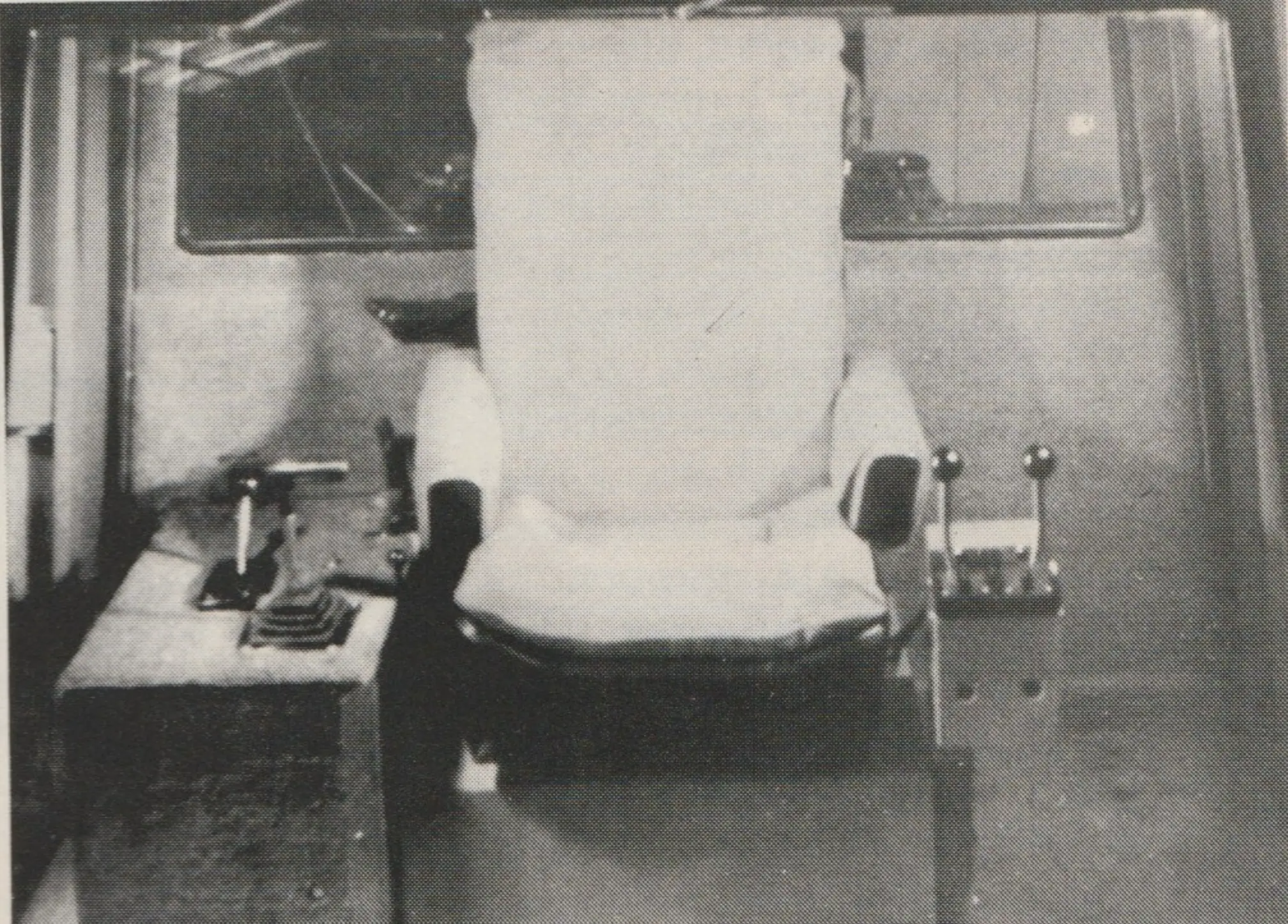
The first real change in attitude toward driver comfort came with the introduction of the Packmaster 2100. Back in 1971, their cab treatment was a real surprise compared to the spartan and noisy machines that preceded it. Wall-to-wall carpet, overhead controls, tinted sunvisors and a truck-type, fully-adjustable Bostrom seat, jarred everyone into the reality that the ski industry was far behind other industries in providing for driver comfort.
It’s almost impossible to remember the 5-on-the-floor, no-brakes operation of that era while seated in the new “controlled environment” of today’s monster machines. Once the manufacturers found out we were willing to pay more than $12,000 for a “Snow tractor,” all kinds of changes were made. Some of the most recent and appealing (and expensive) are brought together here.
In the face of so many machines on the market, I will largely limit myself to the hydrostats and mid-engine machines. Obviously there is no one perfect, all-around grooming vehicle, so let’s highlight various aspects of each.
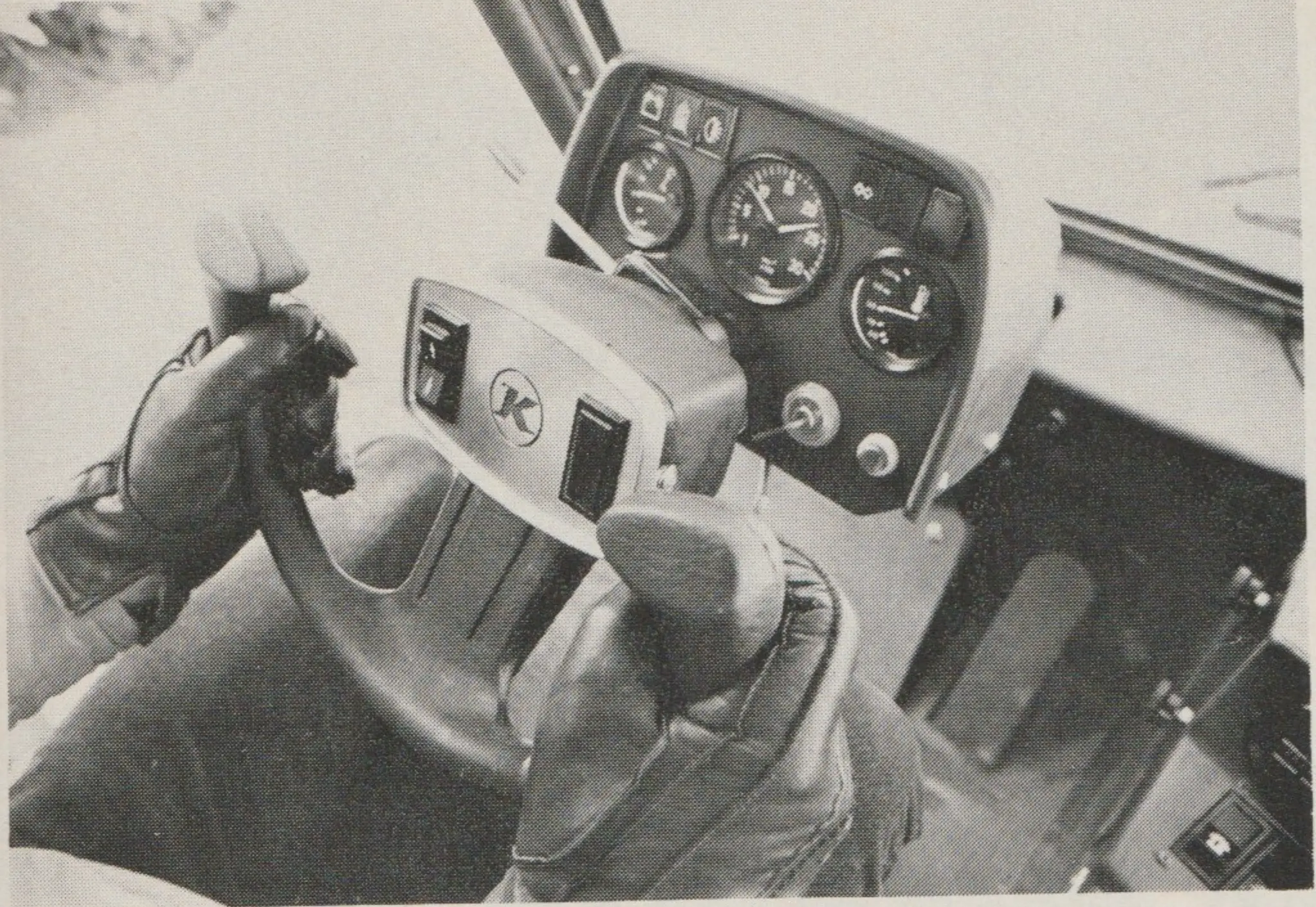
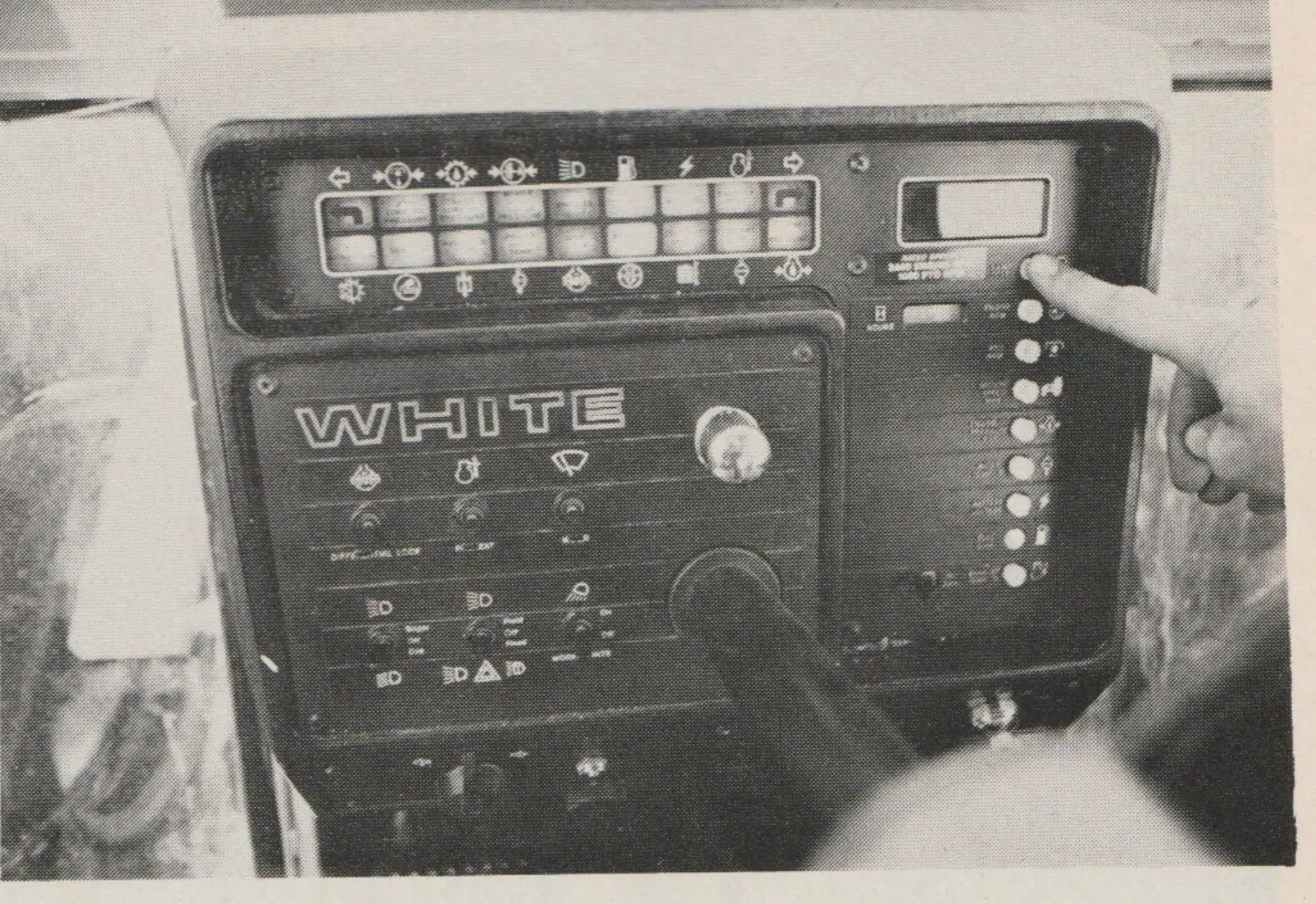
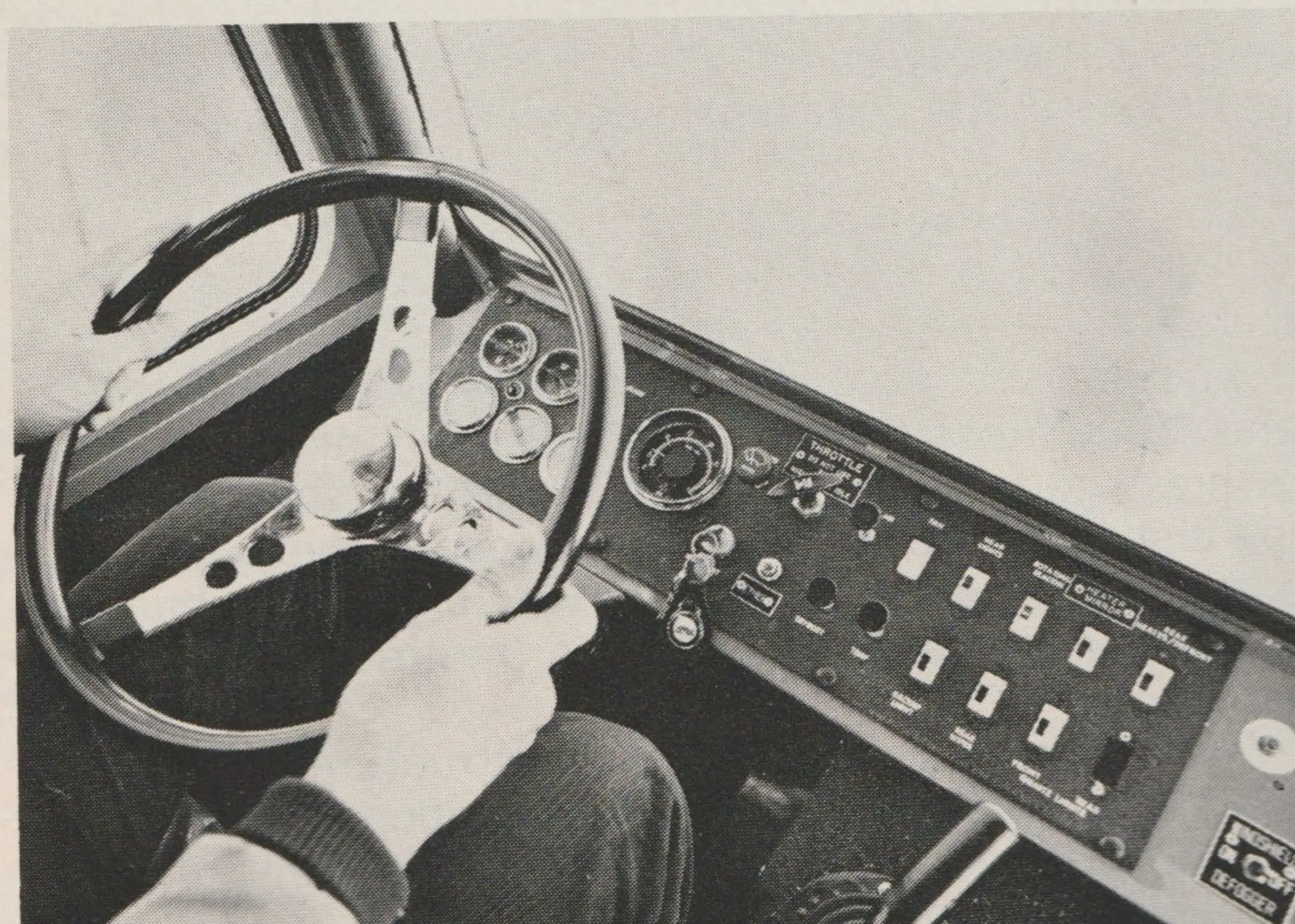
If you prefer steering wheels to levers, Tucker, Pisten Bully and White Tractor can supply your needs. Tucker has a sport type automotive wheel while PB170 models offer an aircraft type with wheel mounted forward/reverse and 2-speed shift buttons plus turn signals (required in Europe).
Behind the White steering wheel is a collection of controls and lights that provide a continuous readout in digital electronics of virtually any function you desire, from oil pressure to engine RPMs, and when the weather warms, “factory air” provides a cool breeze to shorten the days.
DMC’s models 3300, 3500 and 3700 all share the same type cab which provides horn and windshield buttons in the steering lever caps, while Bombardier controls a “single pass” wiper via a floor mounted dimmer switch. For those who favor tinted glass or an electrically-heated windshield you’ll find it with the PB170 or as an optional add-on for the Tucker. For the very discrimmating there is, of course, AM/FM stereo.
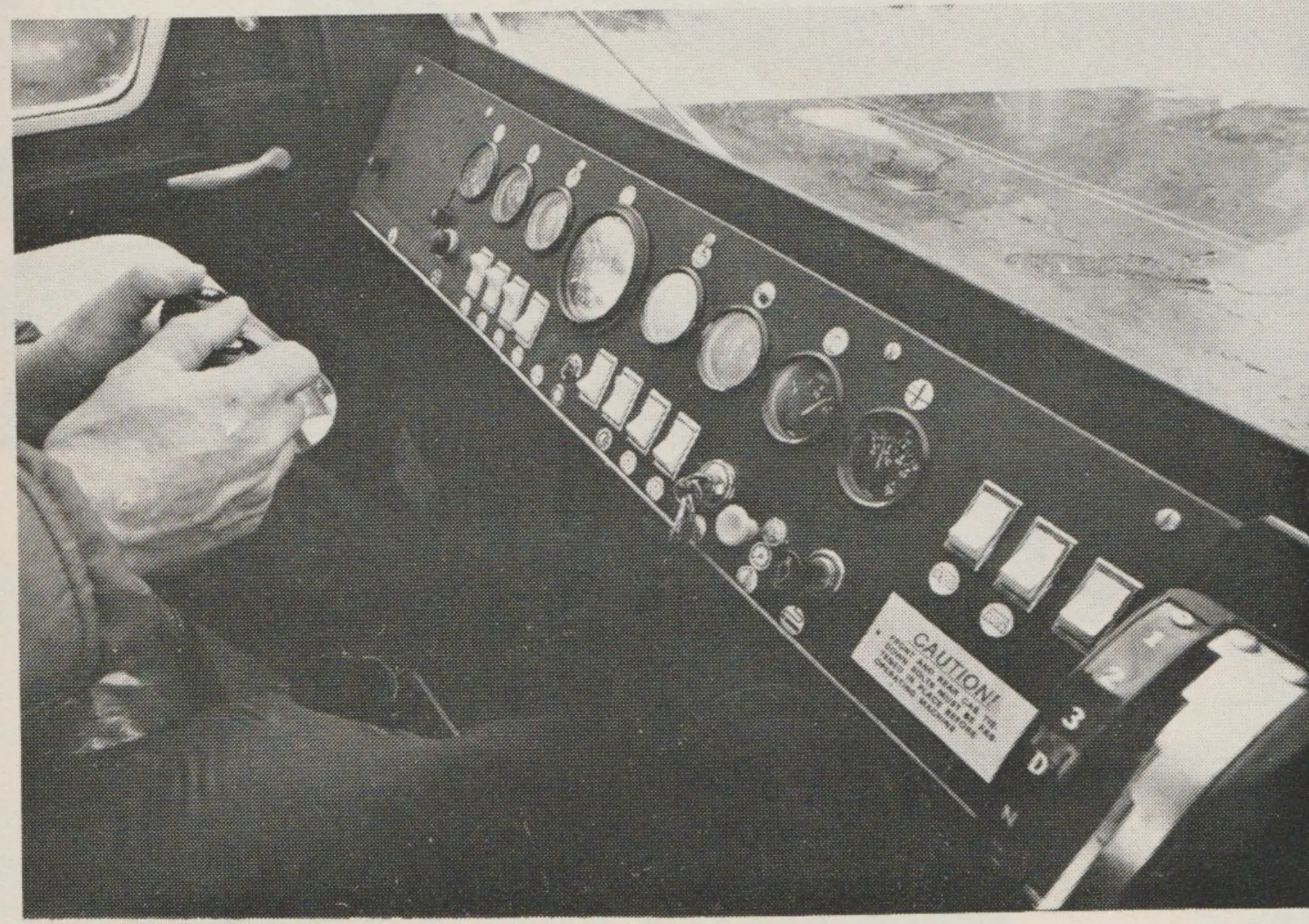
But lets get back to basics. Perhaps the single greatest improvement displayed on all machines is control over hydraulically-operated grooming equipment. Long gone are the multitude of handles and levers lined up along the dash like slot machine handles.
With the introduction of the John Deere “T” stick control, most levers have disappeared, at least for front controls. There are variations such as the 10-way “D” handle in the DMC units that uses electric buttons to handle the blade “wings.”
Bombardier has an all-electric hydraulic control stick that is easy to use, and sports a rocker switch on the handle top to handily control blade roll. Tucker and Kool Kat also offer 8-way control up front with T-control within easy reach of the driver.
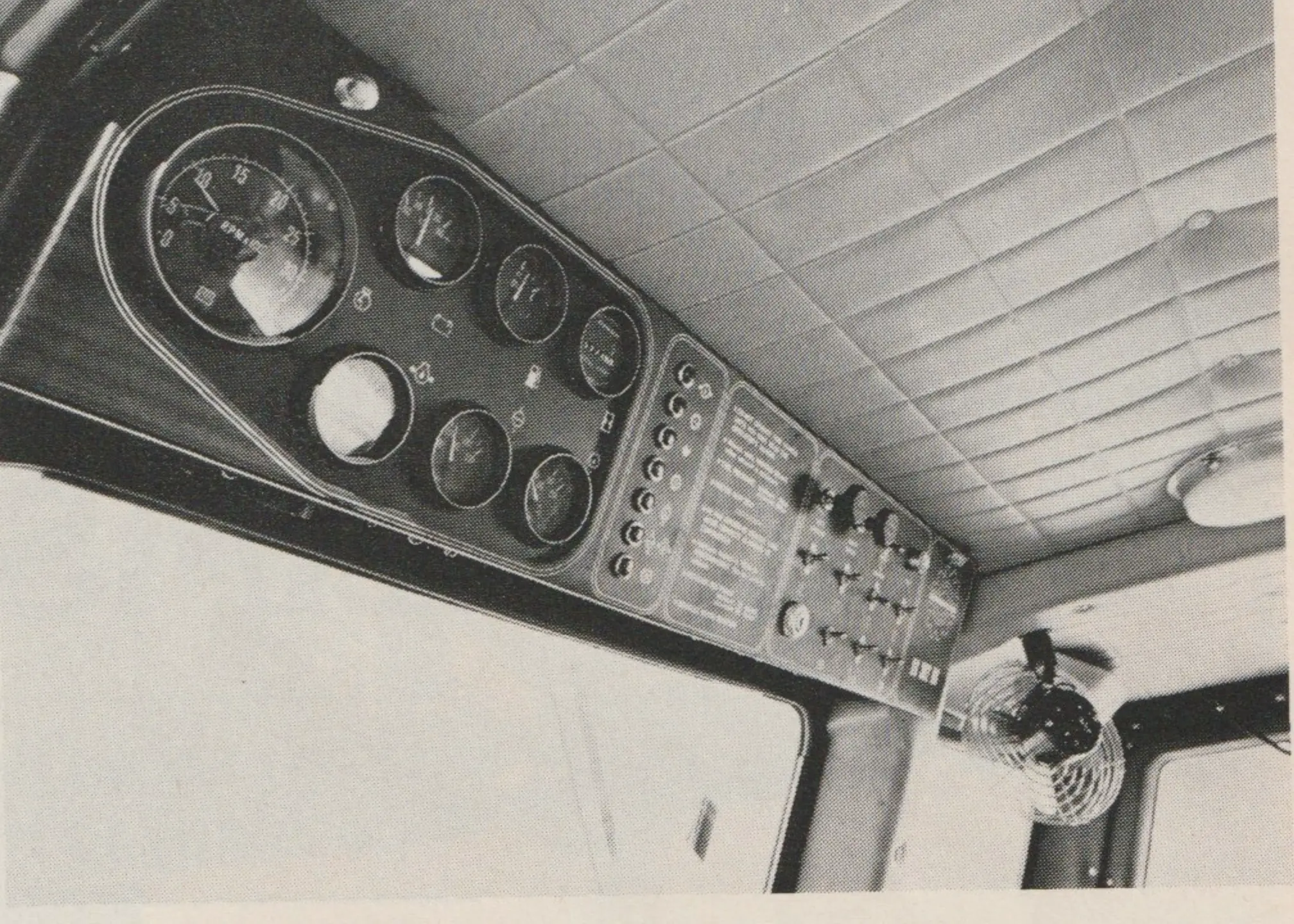
Kool Kat and Bombardier locate all their gauges overhead as in an airliner cockpit, while the others are in the conventional dash location.
Most suppliers provide warning devices that are not only visible as flashing lights on the dash, but also audible to monitor critical functions such as engine oil temp or hydraulic pressure. DMC has gone one step further with a three-light cluster showing the operating characteristics of the very effective and expensive power tiller.
Sound insulation has become very critical with the advent of the huge power plants now being used. After all, the old “slant six” didn’t provide much noise to worry about. Tucker employs special Stemco sound-absorbent material in their dieselized cats while others have “rolled and pleated” vinyl or neoprene-backed carpet-type material.
And finally, ventilation has become a serious matter due to the tightness of the cabs and inherent tendency for melting snow to generate moisture on the inside of the glass. Kool Kat has located six adjustable air grills around the perimeter of the cab top; PB170 people provide air from the entire base of their humungous windshield; DMC offers a pressurized cab with remote fresh air scoops; while Tucker uses a perforated pipe-type vertical diffusor plus heater controls.
The improved working environment that results from all these improvements is justified, almost everyone agrees, by increased productivity. Certainly the comforts must be there now—at least based on the number of GMs driving grooming machines these days.
Photography by Hubert Schriebl